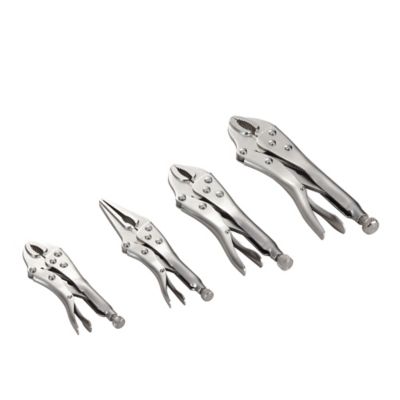
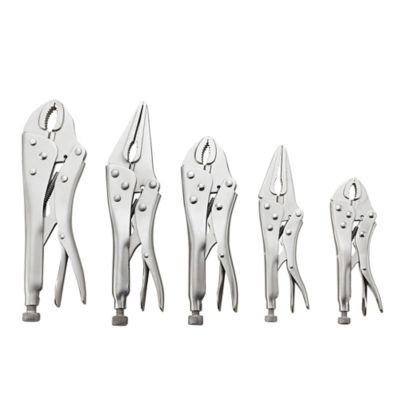
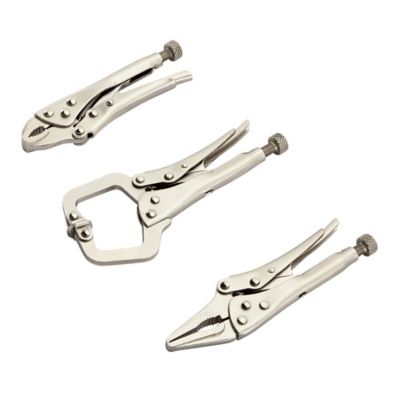
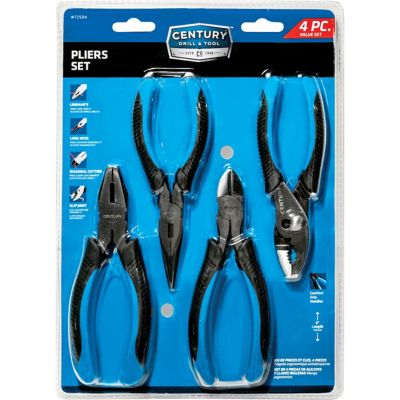
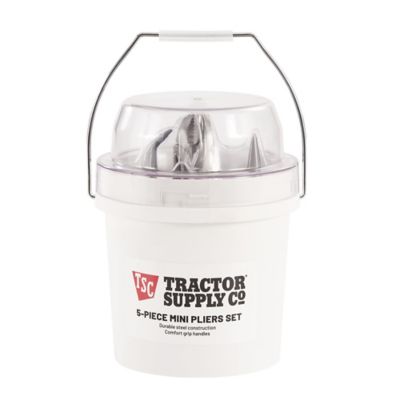
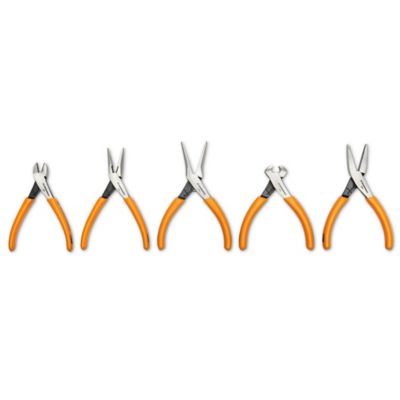
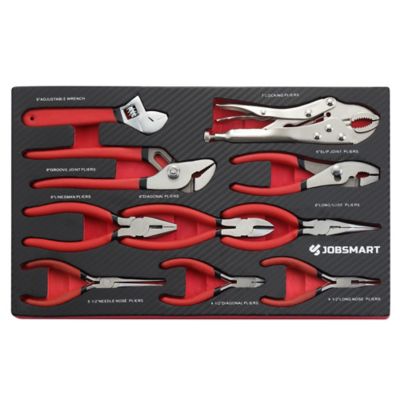
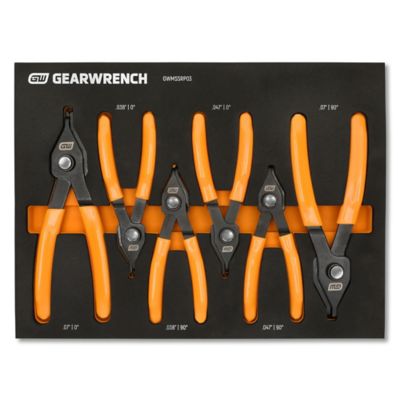
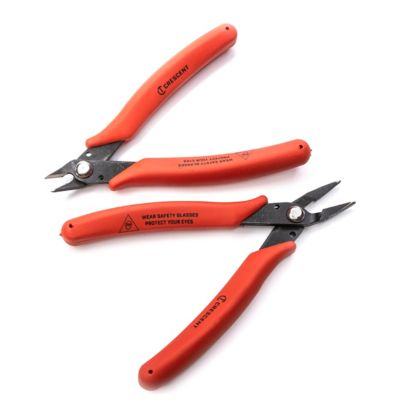
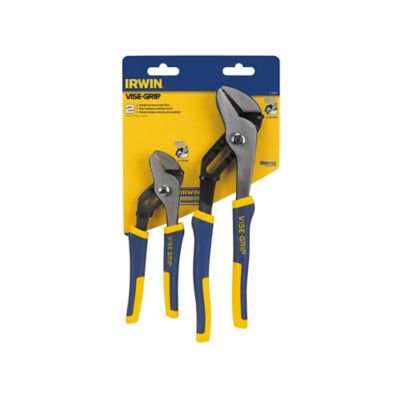
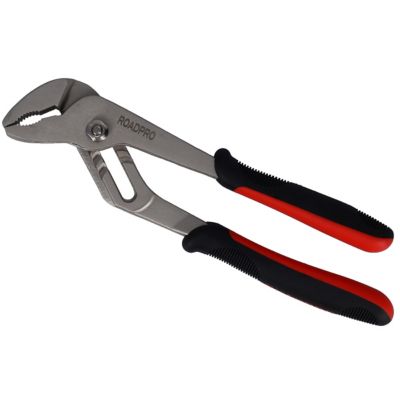
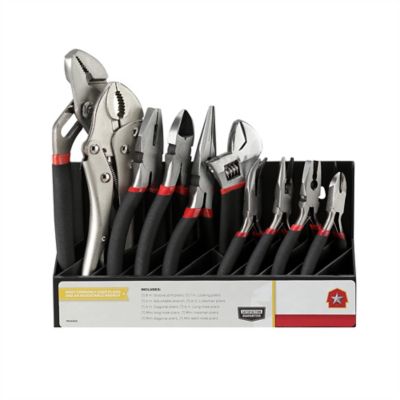
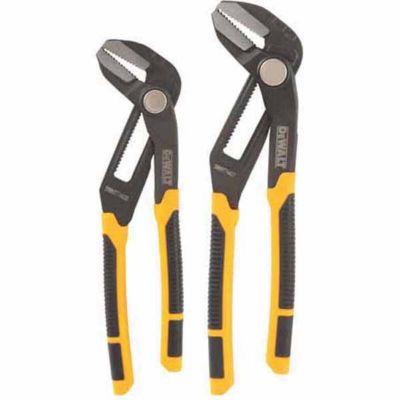
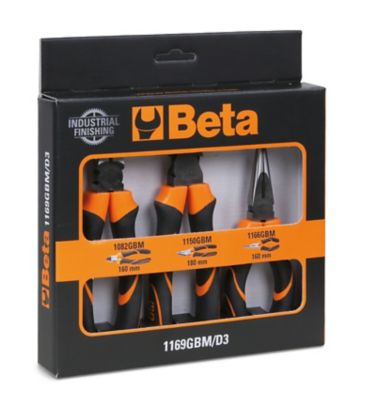
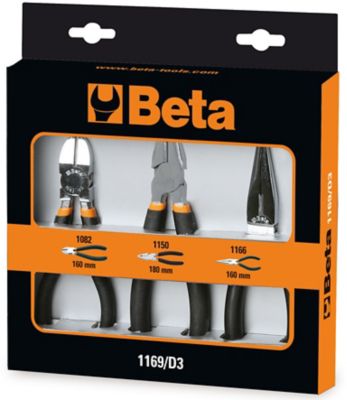
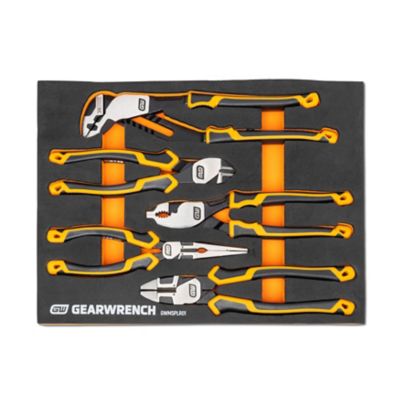
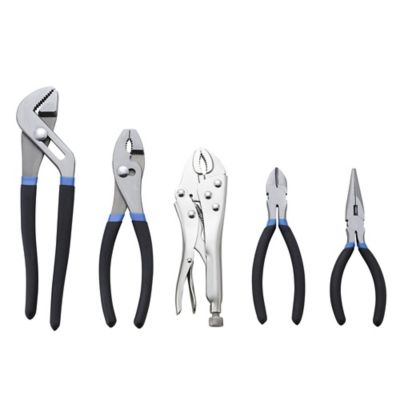
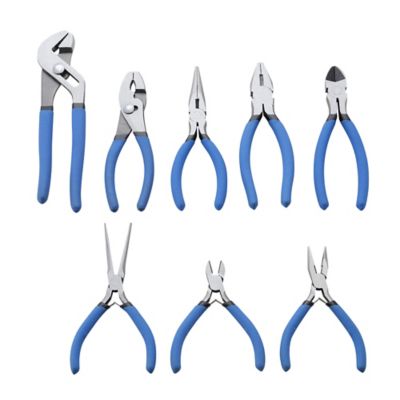
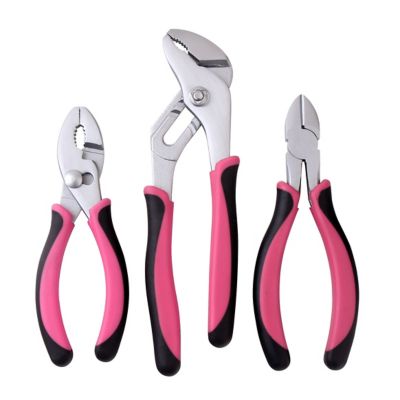
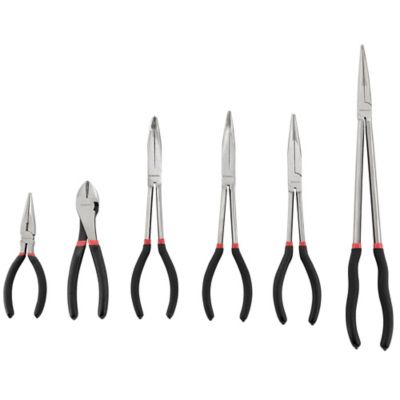
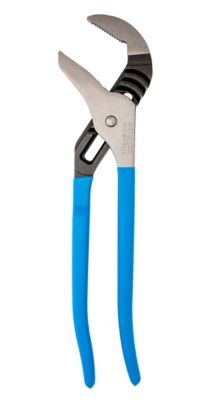
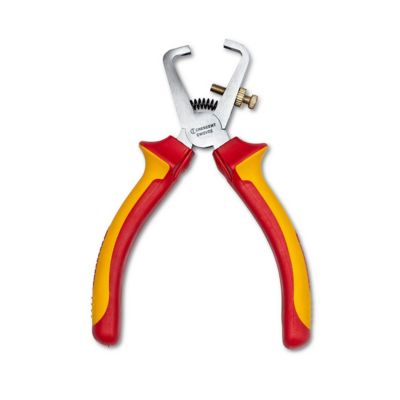
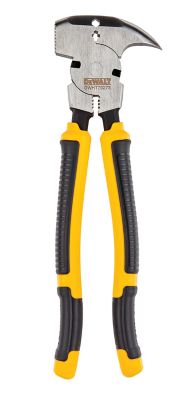
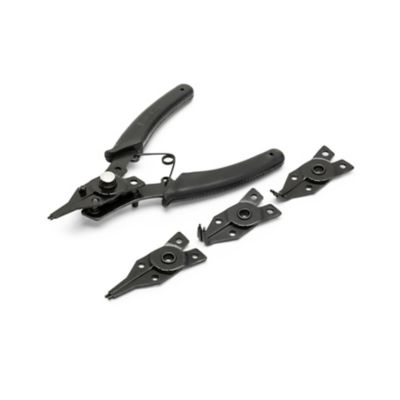
Pliers sets bring several gripping, bending and cutting tools together in one kit, giving a toolbox more range than a single pair can offer. A general-purpose set often combines slip-joint pliers, long-nose pliers and diagonal cutters, while larger assortments may add groove-joint pliers, linesman pliers or several tool sizes. Each shape has a different job. Slip-joint pliers have an adjustable pivot that changes the jaw opening for gripping parts of different sizes. Groove-joint pliers offer multiple jaw positions and a wider opening for holding round stock, pipe and fittings. Long-nose pliers reach into cramped spots, hold small parts and bend wire where broader jaws cannot fit. Diagonal cutters concentrate cutting force at their edges for snipping wire and similar materials within the tool’s rated capacity; they do not necessarily leave a flush cut. Linesman pliers combine stout gripping jaws with cutting edges for wire work. Together, these tools cover plenty of the small repairs that come up around a house, barn, garage or equipment shed. One job might call for pulling a cotter pin from a linkage, while another involves holding a loose bracket or reaching behind a panel to retrieve a small part. Having different jaw shapes close at hand means less temptation to force a tool into a spot where it does not belong. Set size matters less than the mix of functions: several tools with distinct jobs can be more helpful than a larger collection of nearly identical shapes. Compact pliers suit confined spaces and finer handling, while longer models generally offer more leverage and reach, along with extra weight and a larger working footprint. For tasks centered on bending, gripping or cutting wire,
Pliers for Wire fit naturally into a task-focused repair kit. The right assortment depends on whether most repairs happen at a workbench, beside farm equipment or in a carry-along toolbox.
Steel construction, jaw design and pivot fit all affect how a pliers set feels on the job and how well it stands up to repeated work. Carbon steel and alloy steels, including chrome vanadium formulations, are common materials, though the steel name alone does not tell the whole story. Forging, heat treatment and the way the tool is finished also matter. Hardened gripping teeth help resist wear, and specially hardened cutting edges can help maintain cutting performance when matched to the intended material. A plated, polished or coated surface may help limit corrosion, but exposed steel still benefits from routine care. At the business end, jaw alignment should suit the task: gripping surfaces need steady contact, while cutting edges need to meet as designed without sideways movement at the joint. Smooth pivot action makes repeated opening and closing less tiring, especially when handling a handful of retaining clips or making several wire cuts. Adjustable jaws should stay seated in their selected position under normal working pressure. Handle fit deserves just as much attention as the jaws. Wide handles can be awkward for smaller hands, while very narrow grips may concentrate pressure during a firm squeeze. Cushioned or textured handles can improve comfort and control, but extra padding also adds thickness inside a crowded toolbox or tight work area. Glove fit matters, too, particularly when a repair involves rough metal edges. Longer handles provide leverage, but that extra force does not increase a cutter’s material rating. Fence wire, hardened fasteners, cable and soft copper wire place very different demands on cutting edges, so the stated cutting capacity is the reference point. Ordinary handle coatings are not electrical insulation. Electrical work calls for power to be disconnected and the circuit checked before handling conductors, with properly rated tools and other safety equipment matched to the task. Keeping those distinctions clear helps protect both the person doing the work and the tools expected to handle the next repair.
A pliers set also needs to fit the way tools travel and get put away. A molded case keeps each piece in its own spot, making a missing tool easier to notice before leaving the work area. A roll or pouch can take up less room in a truck toolbox, while loose sets may fit neatly into an existing drawer organizer. Secure storage keeps cutting edges from knocking against other tools and helps keep smaller pairs from disappearing beneath sockets and wrenches. After a job, wiping away dirt, metal particles and moisture helps preserve the finish and keeps grit out of the pivot. A light application of suitable oil at the joint can keep movement smooth; excess oil should be wiped off so the handles remain easy to hold. Tools that have handled grease or other residue need cleaning appropriate to their finish and grip material before storage. Chipped cutting edges, cracked handles, loose pivots and bent jaws are signs that a tool needs attention rather than a harder squeeze. Pliers are not a substitute for a properly fitting wrench on a nut or bolt, and their gripping teeth can mark finished surfaces. They are also not hammers or pry bars, even when a stubborn part makes a repair frustrating. Matching the tool to the work helps limit rounded fasteners, damaged parts and unnecessary strain. For a farm shop, an assortment with broad gripping options and practical cutting capacity can support equipment upkeep and general repairs. For household maintenance, a smaller mix may cover cabinet hardware, small brackets and other everyday fixes without filling an entire drawer. Someone building a first toolbox may appreciate a balanced pliers set as a practical gift, especially when the selection fills gaps rather than duplicates tools already on hand. Whether the set stays on a bench or rides along to the next repair, useful variety, comfortable handling and sensible storage make it easier to keep the right pair within reach.