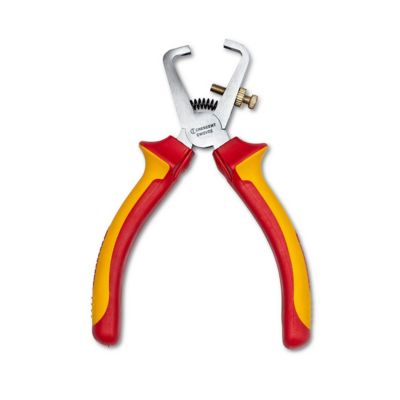
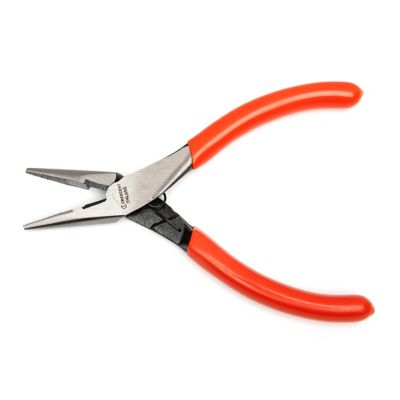
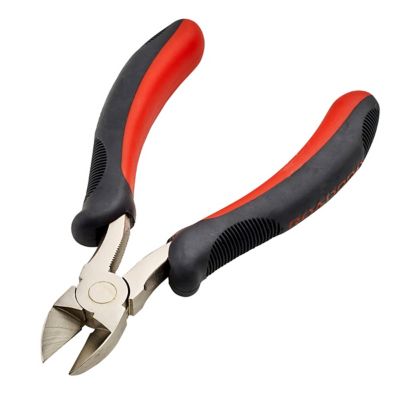
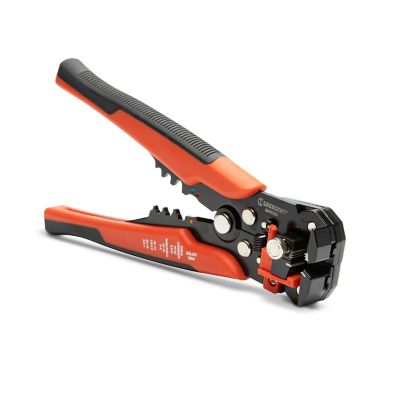
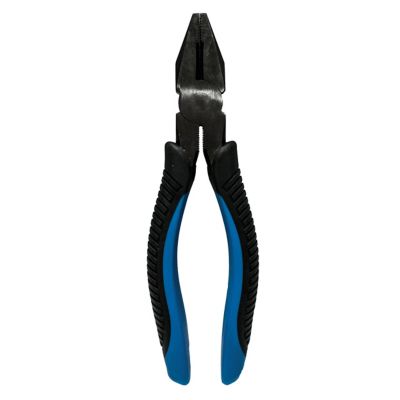
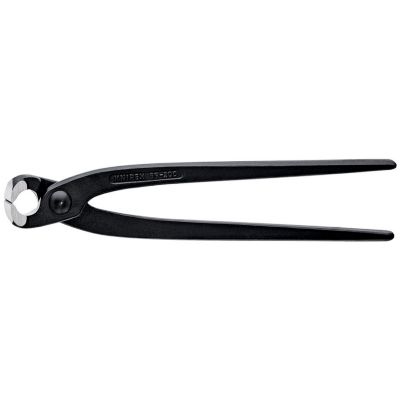
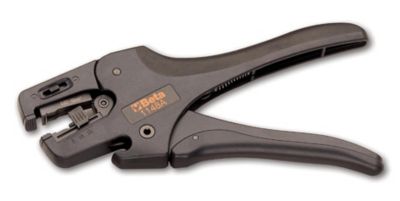
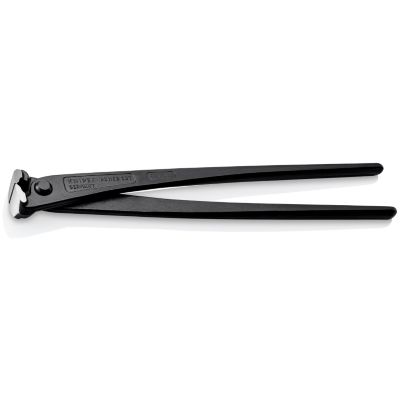
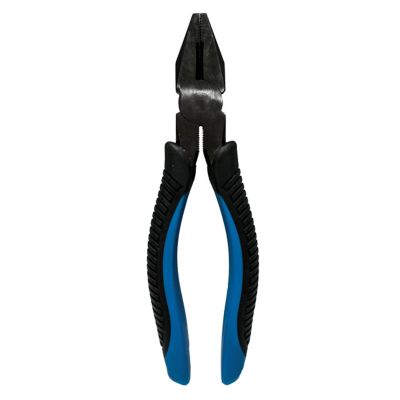
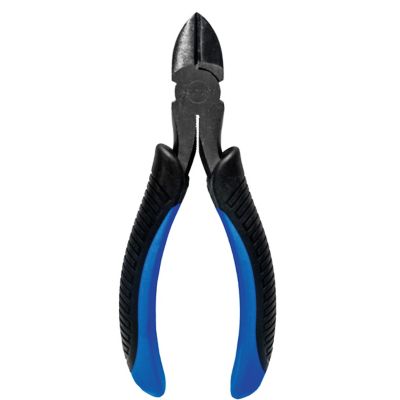
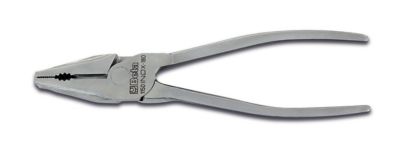
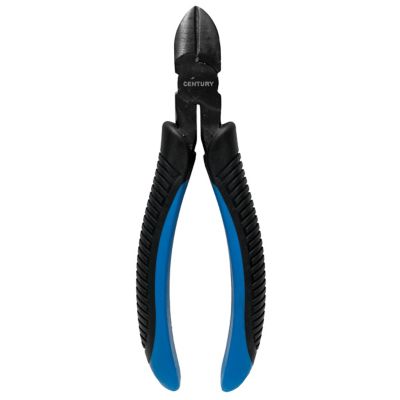
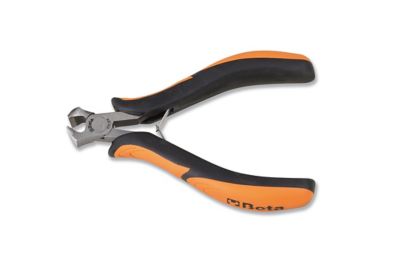
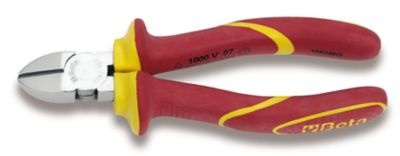
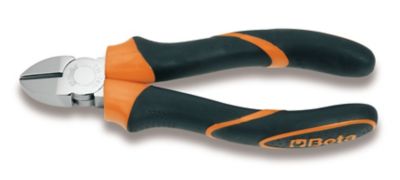
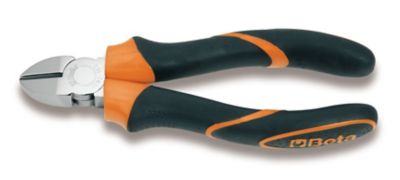
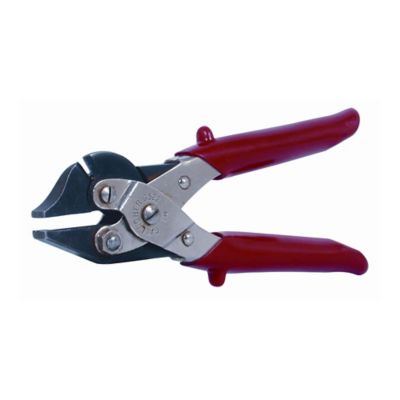
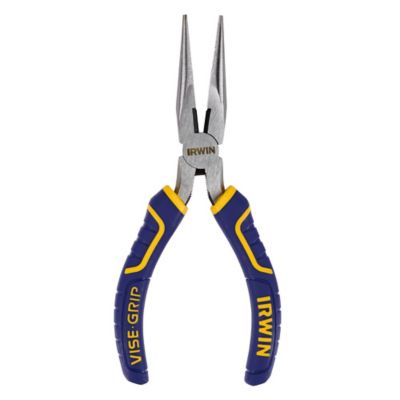
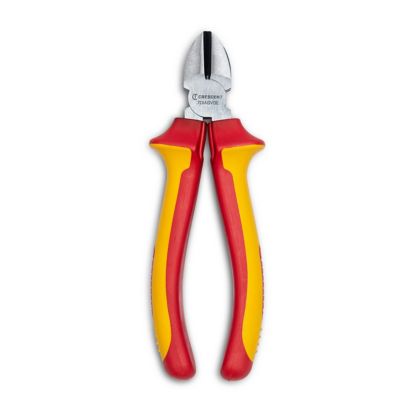
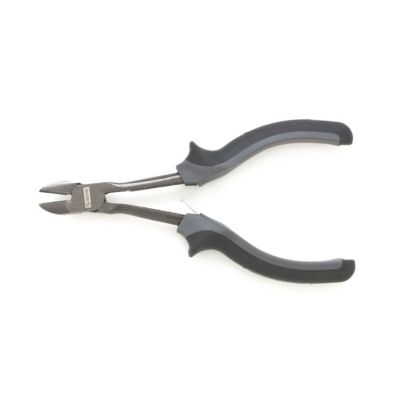
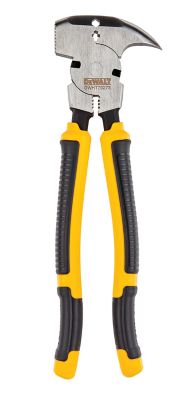
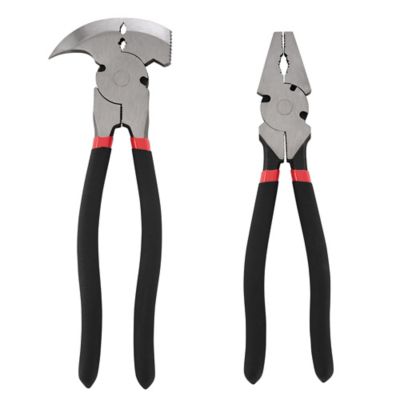
Wire cutting pliers put a controlled cut within reach, whether the job involves trimming tie wire at a fence brace, shortening a loose wire end on a repair or preparing conductors for a connection. These hand tools bring cutting edges together through a pivot, turning pressure at the handles into cutting force at the jaws. The right match depends on the wire’s material and thickness, the room around the cut and the finish the job calls for. Diagonal cutting pliers have angled cutting edges and a compact head that suits many everyday wire-trimming tasks. They work well around crowded connections and protruding wire ends, although a standard beveled cutting edge can leave a small point rather than a completely flush finish. Flush cutters have a different edge profile for trimming softer wire close to a surface, especially on small electrical components and detailed bench projects. End cutting pliers, also called end nippers, place the cutting edges across the tip of the head, perpendicular to the handles. That layout helps reach wire ends against a flat surface or approach a cut where side access is limited. Lineman’s pliers combine broad, serrated gripping jaws with a cutting section near the pivot, making them handy for holding, twisting and cutting wire during installation and repair work. Cable cutters have curved cutting blades that cradle compatible copper or aluminum cable, helping limit the flattening that ordinary pliers can cause. Those distinctions matter around a farm shop, garage or workbench: trimming a small copper lead, cutting soft tie wire and shortening a stranded cable are different jobs. Electricians, maintenance crews, fence builders and folks keeping equipment in working order may each reach for a different head shape. A useful pair fits the task without forcing an oversized head into a tight spot or asking a light cutting edge to tackle material beyond its rating.
Materials and construction play a big part in how wire cutters feel in the hand and how their edges hold up over time. Forged steel bodies, hardened cutting edges and a closely fitted pivot are common features worth comparing. Alloy descriptions such as chrome vanadium or chrome molybdenum tell part of the story, but the tool’s stated cutting capacity matters more than the steel name alone. Copper, aluminum, mild steel and hardened steel place different demands on an edge. A rating for soft copper wire does not mean the same tool can cut an equal thickness of steel fencing wire, a nail or spring wire. High-tensile fence wire, steel cable and hardened fasteners call for cutters expressly rated for those materials. Capacity may appear as a diameter, a wire gauge or separate limits for different metals; with American Wire Gauge, a smaller number means a thicker conductor. Stranded cable also needs a cutter suited to its overall construction, not just an assumption based on a solid-wire rating. Handle length affects leverage, while head size and jaw opening determine what the tool can reach and accept. Longer handles can reduce squeezing effort, but they need more room to open. Compact cutters fit smaller spaces and tool pouches, though their shorter handles may demand more hand pressure. High-leverage and compound-action designs can ease repeated cuts when their capacity matches the work. Cushioned grips, a comfortable handle spread and a spring-return mechanism can make a difference during a long stretch of trimming. For someone wearing work gloves, enough room around the handles helps prevent an awkward grip. Smooth pivot movement and cutting edges that meet evenly support cleaner results without excessive squeezing or twisting. Handle cushioning alone does not provide protection from electricity; electrical insulation requires specific testing and markings, and wire cutting work should take place only after power is disconnected and the circuit is verified de-energized with an appropriate tester.
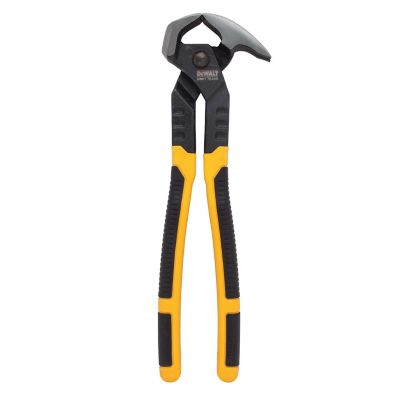
Around the property, the value of wire cutting pliers often shows up in small jobs that would otherwise stall a bigger repair. A loose end of soft tie wire can snag a sleeve near a gate, while an overlong copper lead can crowd a connection inside a junction box. A compact cutter can reach a short wire tail at the bench, and a larger, properly rated tool can handle heavier material without the struggle of an undersized pair. For gripping, bending and tougher shop work alongside wire trimming,
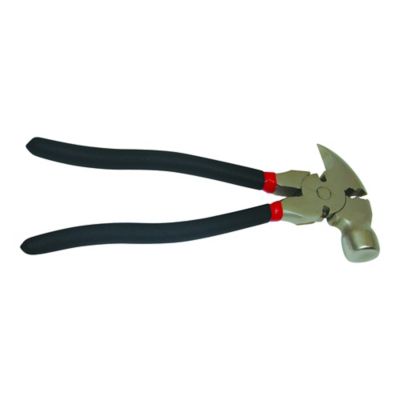
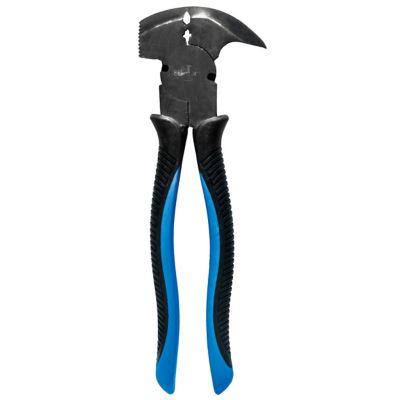
Heavy Duty Pliers can round out a toolbox. Keeping separate tools for fine work and demanding cuts helps protect delicate edges from rough assignments. The same thinking makes wire cutters a practical gift for an apprentice, a homeowner building a first tool kit or someone who spends plenty of time fixing things in the barn or garage. Fit matters as much as size: a tool that rests comfortably in the palm and opens without stretching the hand is easier to control through repeated cuts. Good care starts with wiping away dirt and moisture, clearing debris from the joint and applying a small amount of suitable lubricant at the pivot according to the maker’s directions. A dry storage spot helps limit rust, while a pouch or separate compartment keeps sharp edges from knocking against other tools. Chips, rolled edges, a loose joint or damaged grips are reasons to inspect the tool before another job. Cutting edges work best when they close straight through compatible material rather than being rocked sideways to finish an overloaded cut. Eye protection matters because clipped wire ends can spring away, and the free end needs control without placing fingers near the jaws. With the right capacity, a comfortable grip and a little routine care, wire cutting pliers earn their place among the tools that get reached for again and again.