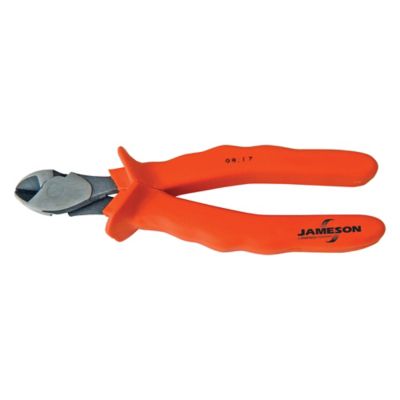
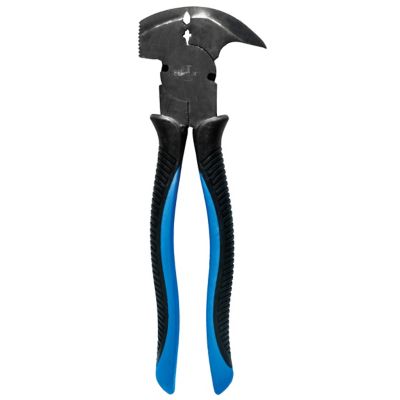
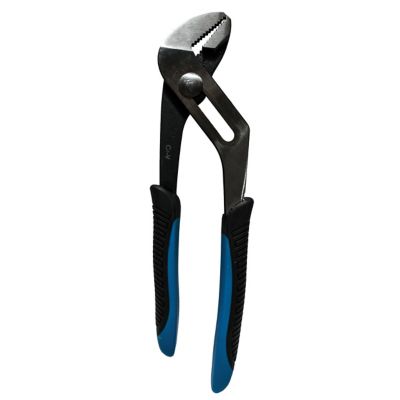
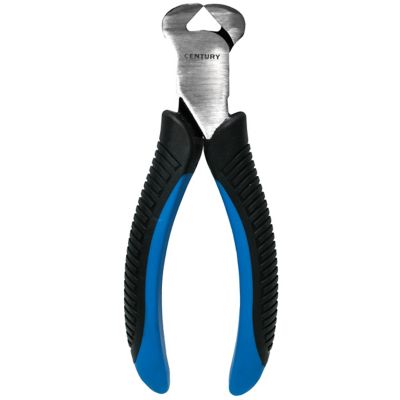
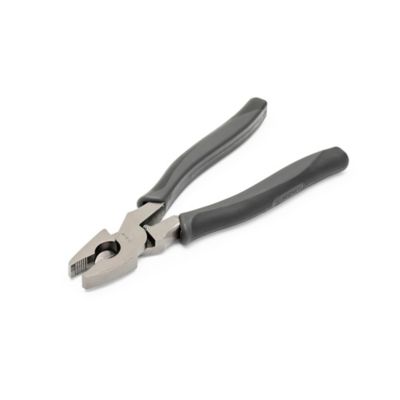
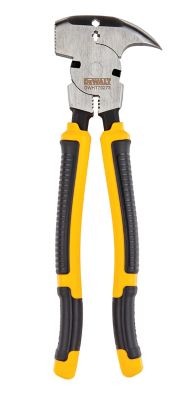
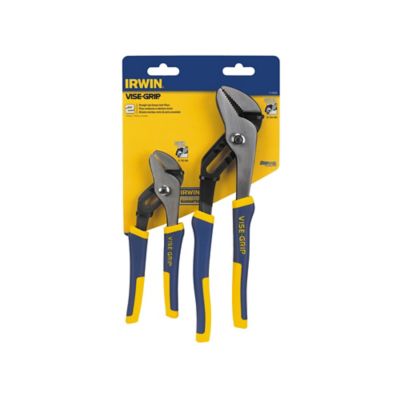
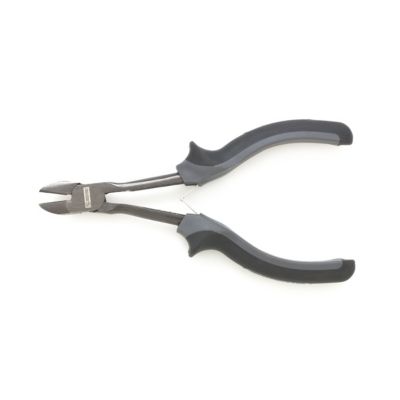
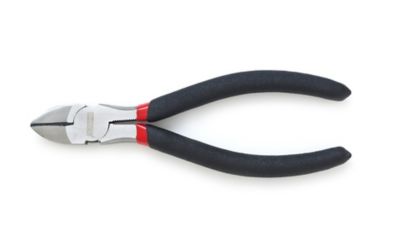
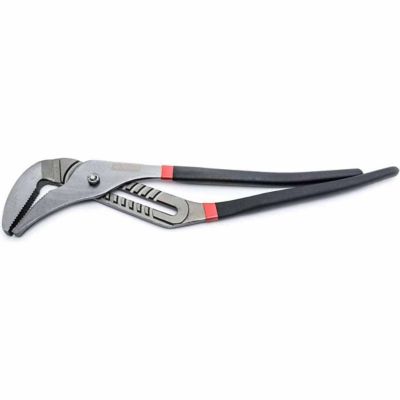
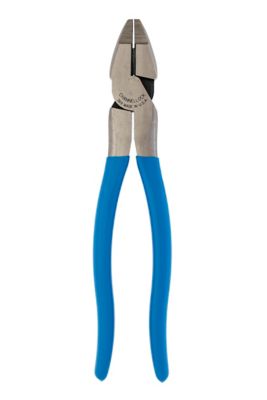
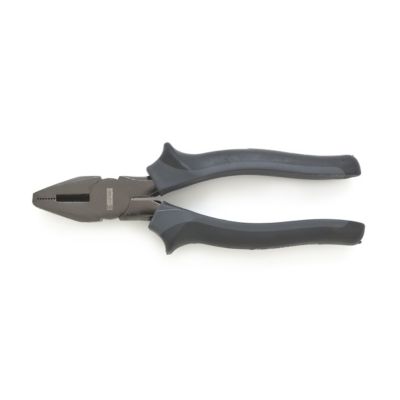
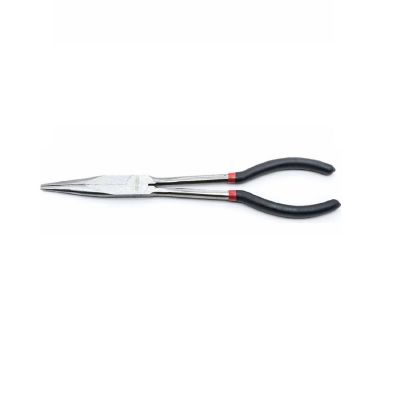
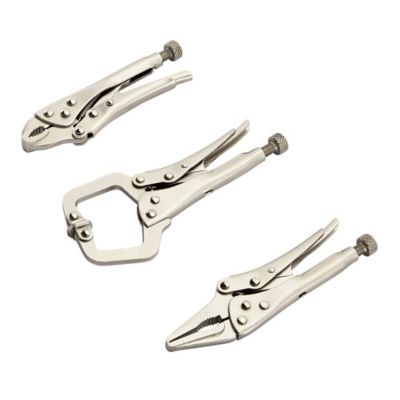
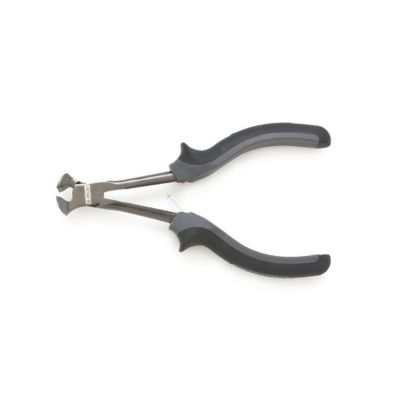
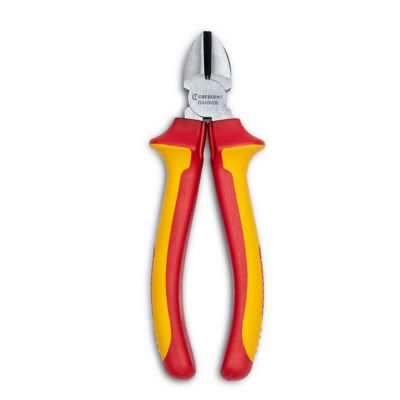
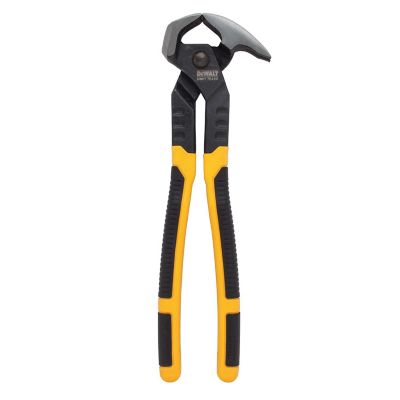
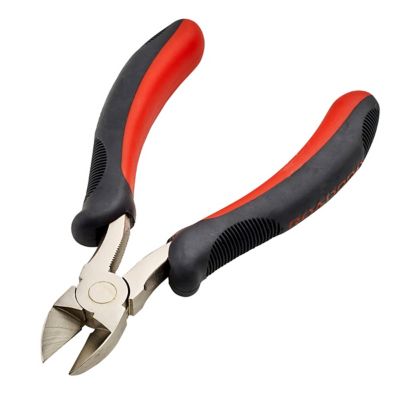
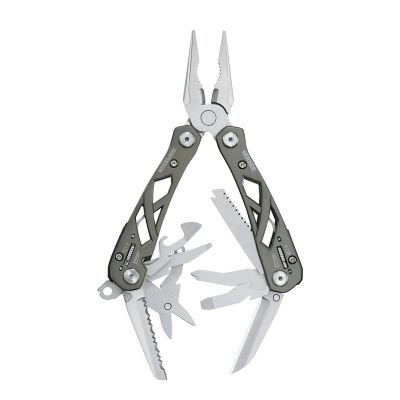
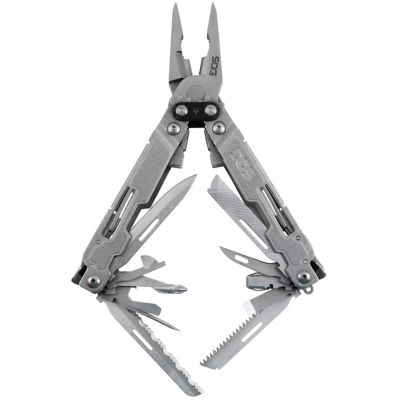
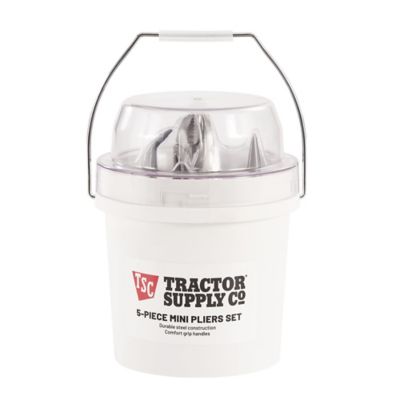
Heavy duty pliers are built for the jobs that call for more strength, grip, and control than an everyday pair can provide. Around a farm, ranch, workshop, garage, or busy jobsite, they may be used to twist and cut fencing wire, hold parts steady, pull nails, remove fasteners, bend metal, work with hose clamps, or handle repairs where a firm grip matters. Unlike lightweight household pliers, heavy duty designs are made to stand up to higher loads and repeated use. Forged alloy steel, chrome vanadium steel, and other tool steels are common choices because these materials offer the toughness needed for demanding work. Heat treatment or induction hardening can help the jaws and cutting edges resist wear, especially when the pliers are used on hard wire, screws, nails, or other stubborn materials. The right pair depends on the task. Lineman-style pliers are useful for gripping, twisting, and cutting wire, including many fencing and electrical applications. Diagonal cutting pliers are shaped to bring the cutting edges close to the work, making them a practical choice for cutting wire, cable ties, and similar materials. Slip-joint and tongue-and-groove pliers offer adjustable jaw positions for holding items of different sizes, while locking pliers can clamp onto a workpiece and keep a steady hold when both hands are needed elsewhere. Long-nose pliers reach into tight spots, and specialty designs may help with retaining rings, hose clamps, or other repair work. A well-chosen pair can save time and reduce the temptation to use a pocketknife, adjustable wrench, or other tool in a way it was not designed to handle.
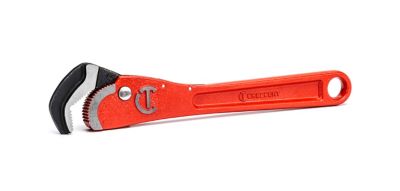
When comparing heavy duty pliers, pay close attention to the combination of jaw shape, cutting capacity, pivot design, handle construction, and overall balance. A high-leverage layout places the pivot closer to the cutting edges, helping multiply hand force and making tough wire easier to cut with less strain. This is especially helpful when working with thick fencing wire, annealed tie wire, cable, or other materials that resist ordinary cutters. Cutting capacity should match the material you expect to handle; forcing pliers past their rated ability can damage the edges, bend the tool, or send a sharp piece of wire flying. For gripping work, look for teeth that meet evenly and hold securely without excessive rocking. A box-joint construction can provide added stability under load, while adjustable, self-locking jaws can be useful when the workpiece changes size or needs to stay firmly in place. Handles matter just as much as the steel. Dipped or dual-material grips can improve comfort during long repair sessions and help absorb some of the snap that comes from cutting thick wire. A textured grip is useful when hands are dusty, damp, or covered with work gloves, though no handle should be treated as electrical insulation unless it is specifically rated and marked for that purpose. Weight and reach also deserve consideration. A larger pair may provide extra leverage, but a compact design can offer better control in a crowded machinery compartment or tight building project. Before buying, think through the jobs that come up most often, the material thickness involved, and whether you need cutting power, gripping strength, clamping ability, or a mix of all three. Someone repairing gates and woven wire may appreciate strong cutters and serrated jaws, while a plumber, mechanic, electrician, or equipment owner may need a selection of shapes for different repair points. If pipe and threaded fittings are part of the work, a dedicated
Heavy Duty Pipe Wrenches may be a better match for turning and holding round pipe than pliers, which can slip or mark the fitting when used for that purpose.
Heavy duty pliers earn their keep when they are used with the right technique and given a little care after the job is done. Keep the jaws square to the material whenever possible, and use a controlled squeeze rather than jerking the handles or twisting them sideways. For cutting, position the wire fully into the intended cutting area and keep your face and free hand away from the line of the cut. Eye protection is a smart habit for fencing, automotive work, construction, and any repair that may release metal chips or a spring-loaded piece. Never use pliers as a hammer, pry bar, or wrench unless the tool is specifically made for that purpose. A stubborn bolt can damage the jaws, and using cutting pliers on hardened material beyond their capacity can leave a nick that affects every job afterward. Before starting, inspect the pivot, jaws, cutting edges, and handles for cracks, looseness, heavy rust, or signs of spreading. A drop of light tool oil at the pivot can keep the action smooth, while wiping away mud, moisture, and livestock-area grime helps slow corrosion. Store pliers in a dry toolbox, drawer, or sheltered work area instead of leaving them in the bed of a truck or on a damp shop floor. During the warmer parts of the year, they are handy for fence upkeep, garden structures, trailer checks, and outdoor building projects; during cooler months, they can be just as useful for equipment maintenance, firewood-area repairs, plumbing fixes, and indoor shop work. A dependable pair also makes a practical gift for a new homeowner, farmer, ranch hand, mechanic, maintenance worker, tradesperson, or anyone setting up a first toolbox. For a more useful gift, pair the pliers with basic eye protection, work gloves, or a compact tool organizer, keeping the recipient’s usual work in mind. Whether they are riding in a service truck, hanging on a pegboard, or tucked into a farm toolbox, well-made heavy duty pliers provide dependable leverage and a solid grip when a repair needs more muscle than ordinary hand tools can deliver.