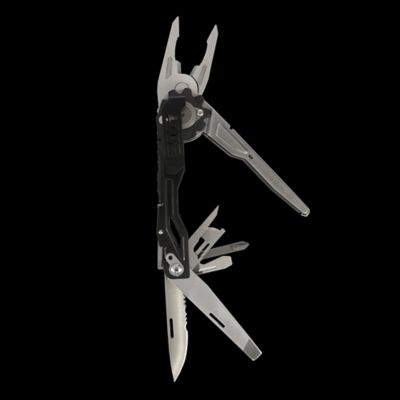
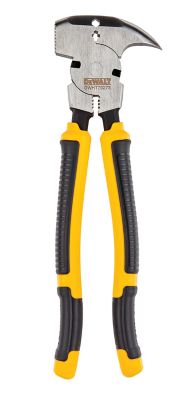
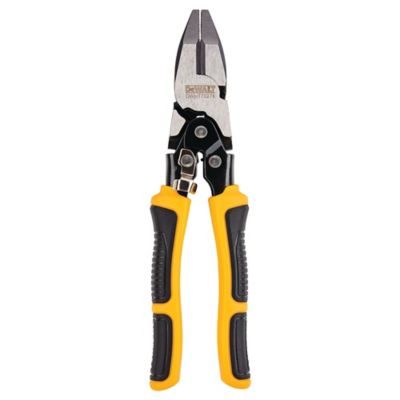
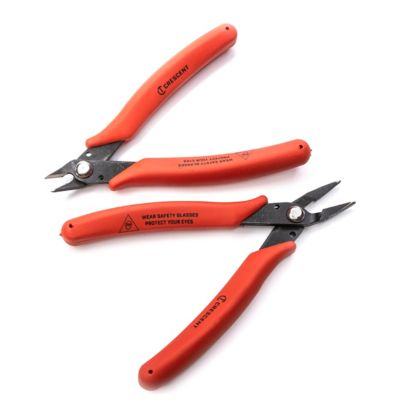
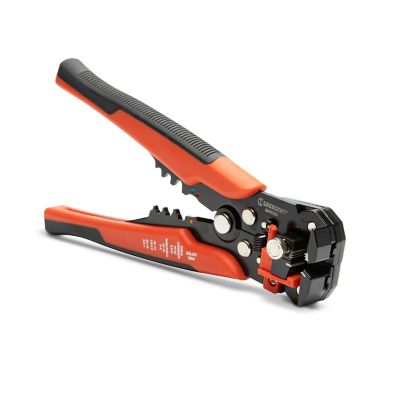
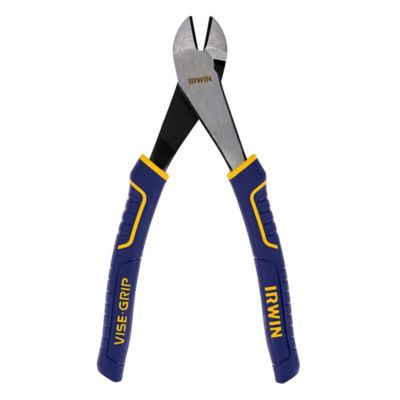
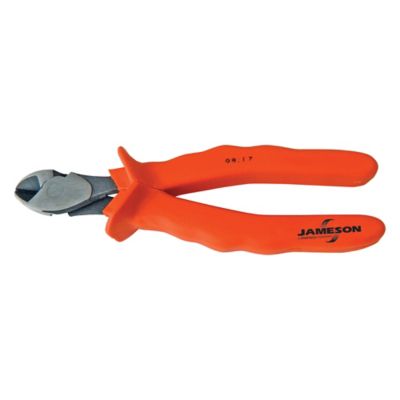
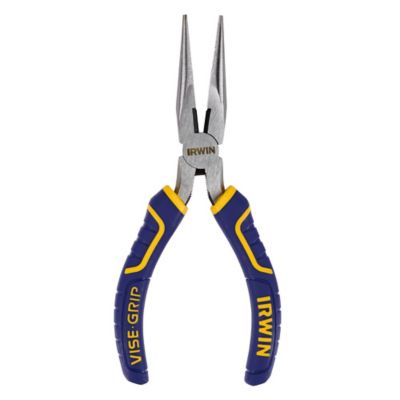
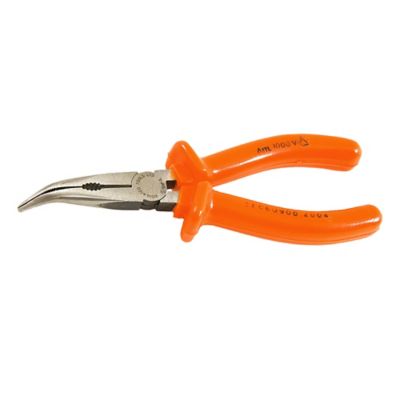
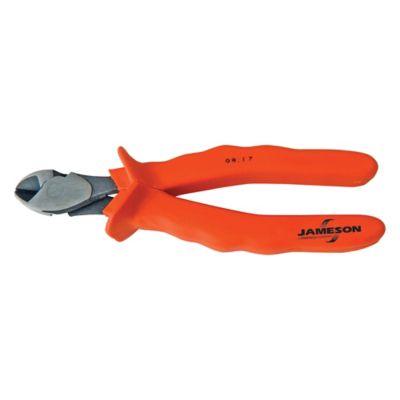
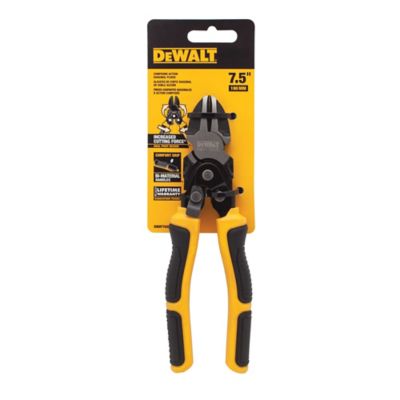
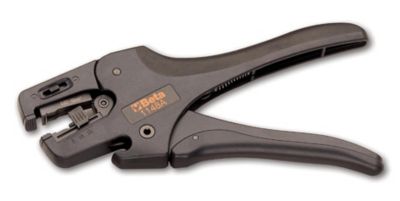
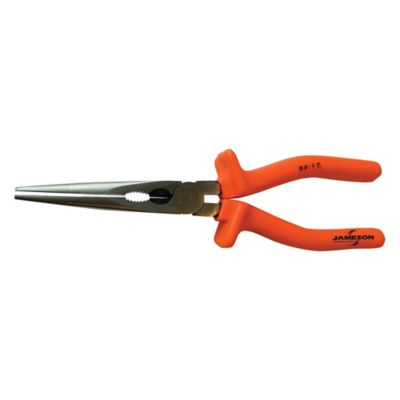
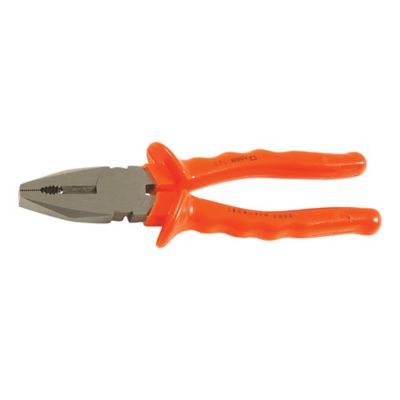
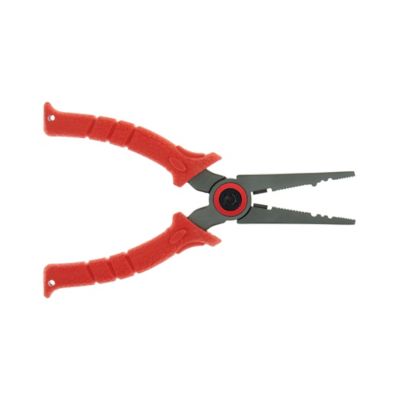
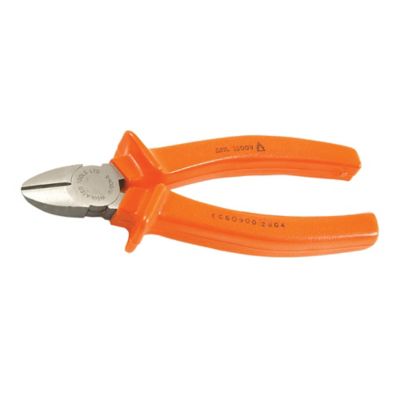
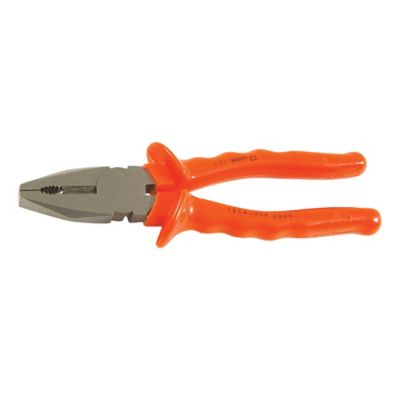
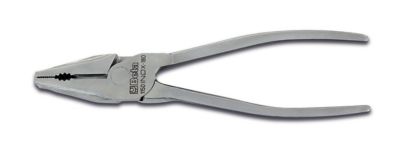
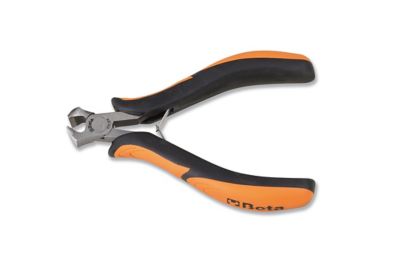
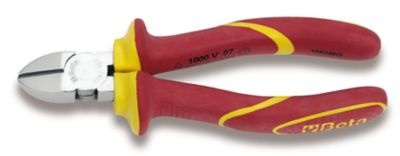
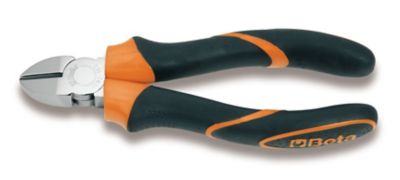
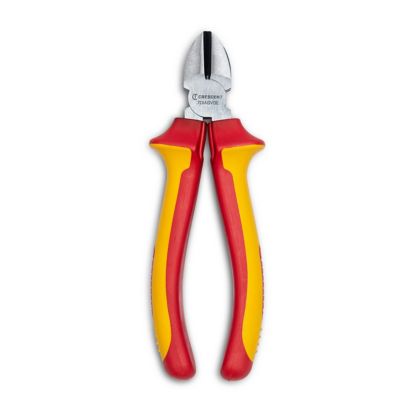
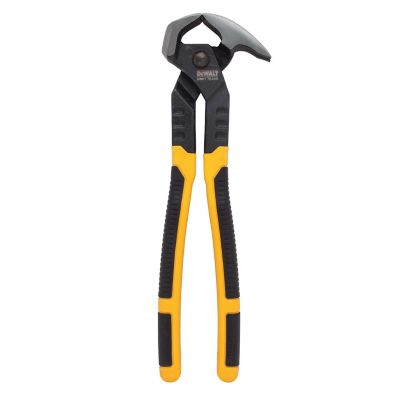
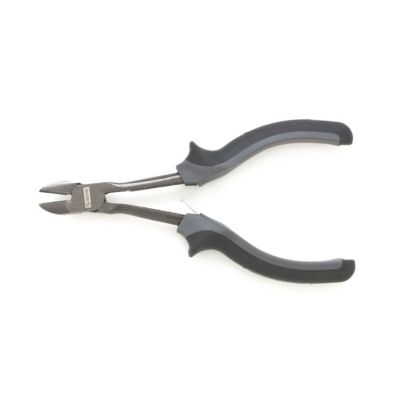
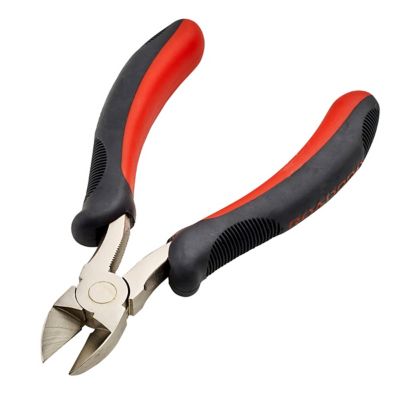
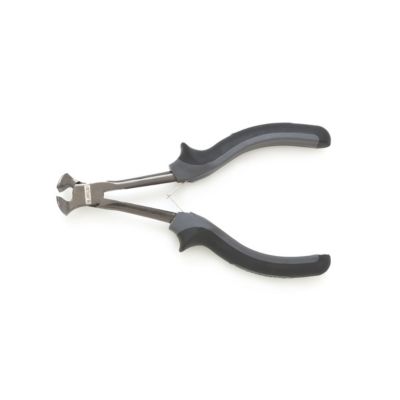
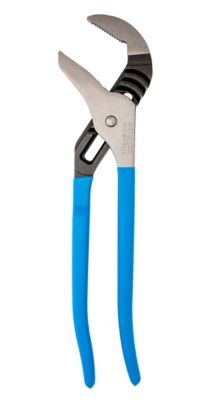
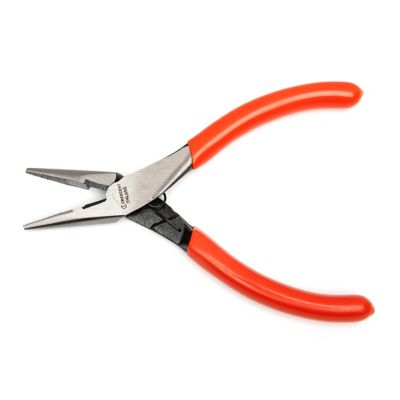
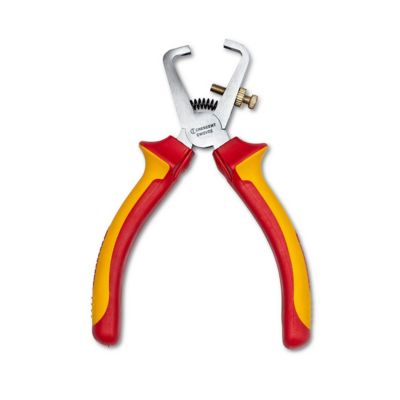
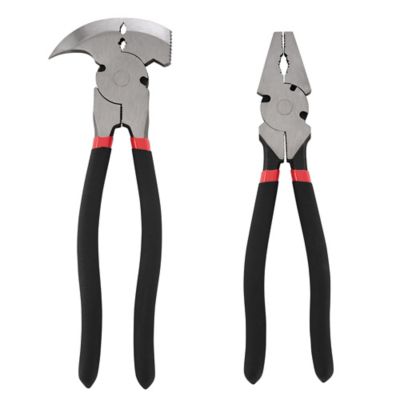
Pliers with cutter are hand tools that combine gripping jaws with cutting edges for holding, bending, twisting, and trimming wire. Having both functions in one tool means fewer trips back to the toolbox when a job calls for straightening a wire end, forming a small loop, or clipping excess material. They fit naturally into farm shops, home toolboxes, maintenance carts, and electrical tool bags, though the right shape depends on the work. Combination pliers generally offer broad gripping surfaces and a cutter near the pivot, while long-nose styles reach into narrow spaces around brackets, terminals, and small assemblies. Lineman’s pliers typically have stout jaws for gripping and twisting wire, with cutting edges built into the head. These shapes serve different purposes: a slender nose offers reach, while a broader head generally provides more support for heavier gripping work. Cutting capacity matters just as much as jaw shape. Copper wire, aluminum wire, mild steel tie wire, and hardened wire place different demands on an edge, so a tool’s stated material ratings matter more than its size alone. A pair that clips soft electrical wire may not be suitable for fence staples, spring wire, or steel cable. Cutting edges also differ in length and placement, which affects how easily they can reach a wire close to a bracket or inside a crowded assembly. Around the barn or shop, pliers with cutter can come in handy for shaping loose tie wire, handling small hardware, and trimming wire during repairs. On a workbench, they can hold a small part steady while another tool does the fastening. For trailer wiring work, a gripping jaw and cutter can cover several basic tasks, but stripping insulation and making electrical crimps still call for tools or built-in features specifically designed for those jobs. The appeal is straightforward: useful gripping ability and a cutting function together in a tool that fits a belt pouch or toolbox drawer.
Steel construction, edge treatment, and pivot design all affect how pliers feel in the hand and hold up through repeated work. Forged carbon steel and alloy steels such as chrome vanadium are common materials, with heat treatment helping establish the balance between toughness and hardness. Cutting edges may receive additional hardening to help resist wear, but that does not make every pair suitable for hard wire. The manufacturer’s cutting specifications remain the deciding factor. A plated or coated finish can help limit surface corrosion, especially on tools that spend time around damp floors, wash areas, or livestock facilities, though exposed steel still benefits from care. Jaw details deserve a close look, too. Serrations help hold wire and other material, but they can leave marks on softer surfaces. Smooth jaw sections may suit work where surface marks matter, while deeper teeth favor a firmer hold. Handle length changes leverage and reach; longer handles can reduce the effort needed for some cuts, but they also take up more room around equipment. Shorter pliers fit tighter spaces and smaller tool bags, provided their capacity matches the task. Handle shape and opening width should suit the person doing the work, including whether gloves are part of the job. Thick grips are not automatically more comfortable if they spread the hand too far apart. A well-fitted pair allows a steady hold without forcing the fingertips into an awkward stretch. Spring-assisted handles can ease repeated opening, while compound-action designs can increase cutting leverage, with differences in head size and handle travel worth considering. A smooth pivot and properly aligned jaws also make a difference during repeated gripping and clipping. Cushion grips are not proof of electrical insulation. Work around electrical wiring requires disconnected power and verification that the circuit is de-energized; insulated-tool markings are a separate consideration, not permission to work on live conductors. Eye protection matters when cutting wire because short offcuts can fly.
Care and storage play a big part in keeping pliers with cutter ready for the next repair. Dirt around the pivot can make an otherwise sound tool feel stiff, and moisture left on bare metal can lead to rust. A wipe after work, occasional lubrication at the joint as directed by the manufacturer, and storage in a dry toolbox help preserve smooth movement. Excess oil should be wiped away so the handles stay easy to hold and the tool does not collect unnecessary grit. Cutting edges benefit from staying within their rated capacity rather than being forced through material that calls for a larger cutter. Chipped edges, loose joints, bent jaws, or cracked handles are reasons to take a pair out of service and assess replacement. Pliers are not a substitute for a hammer, pry bar, or properly fitted wrench, even when the nearest toolbox is across the shop. For fencing work, wire under tension presents a separate hazard; an integrated cutter alone does not make a pair suitable for every fence repair. When cutting is the main job, rather than one part of a gripping task,
Wire Cutting Pliers offer another tool category to consider, with head shapes and cutting arrangements suited to different materials and access needs. For an everyday toolbox, the best match comes down to the wire involved, the space around the work, and how comfortably the handles fit. A maintenance worker may favor leverage and a broad gripping head, while someone working on small electrical assemblies may put more value on a narrow nose and controlled handling. Pliers with cutter can also make a practical gift for a new homeowner, an apprentice, or someone setting up a farm shop, especially when the size and features match the work they regularly tackle. A thoughtful choice earns its place beside the screwdrivers and wrenches by handling those small holding, bending, and cutting jobs that turn up throughout the day.