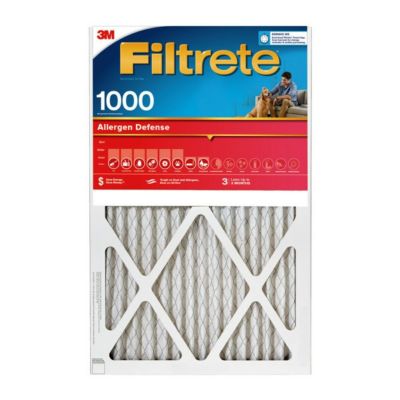
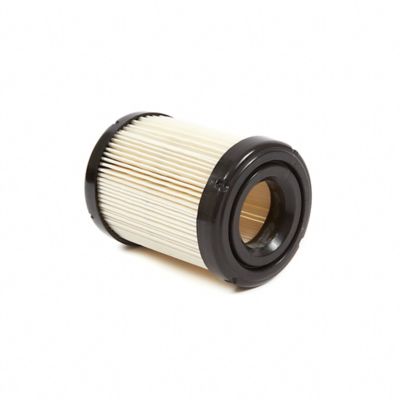
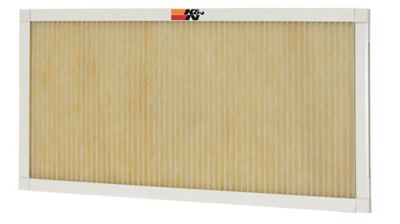
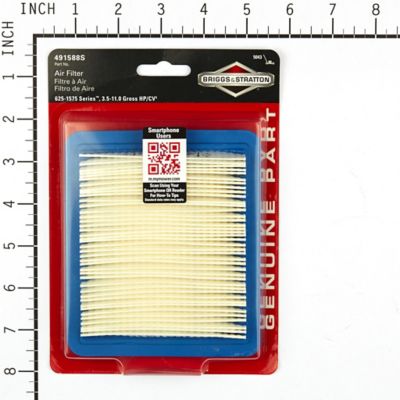
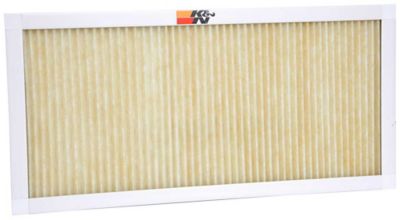
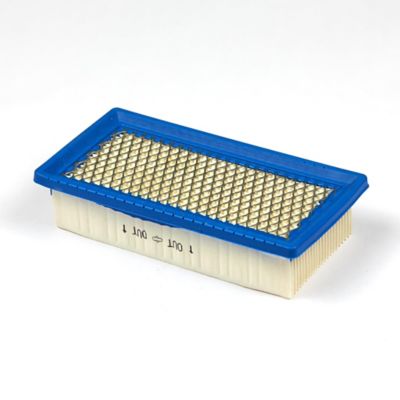
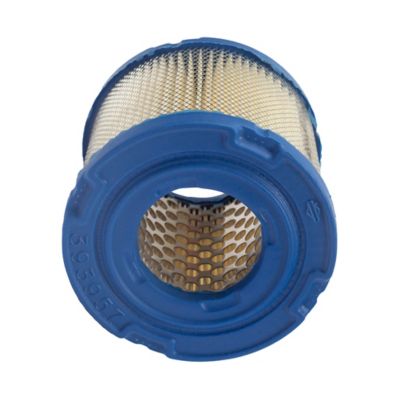
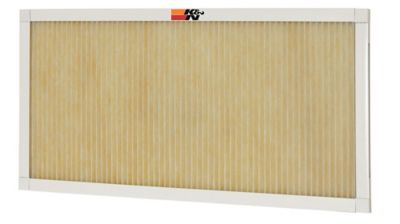
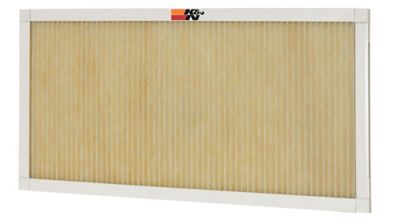
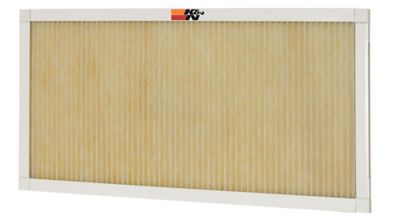
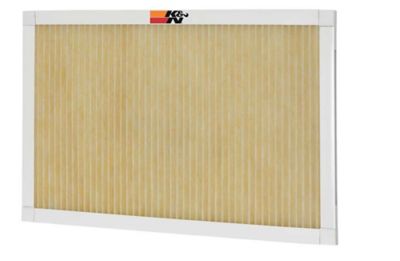
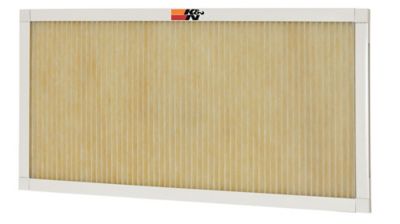
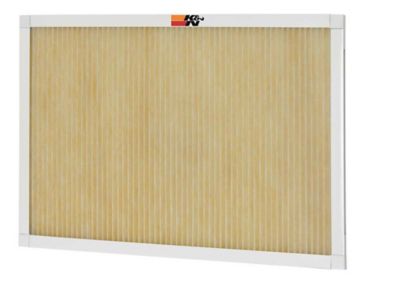
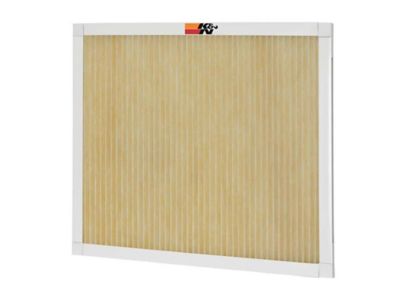
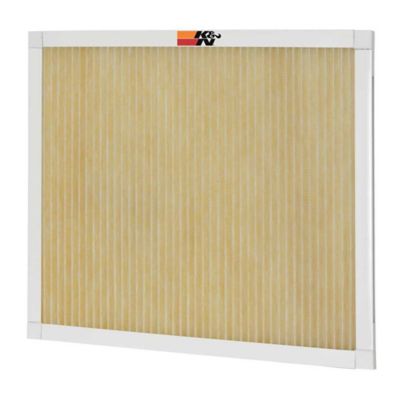
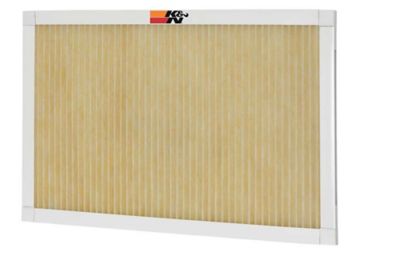
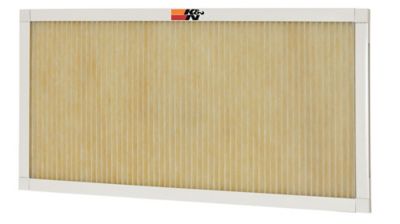
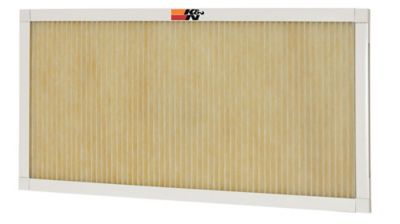
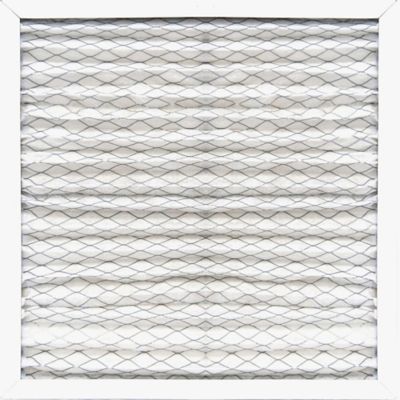
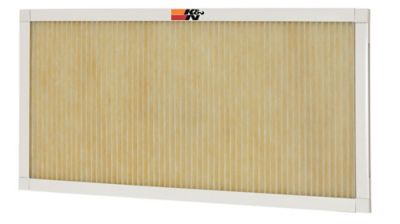
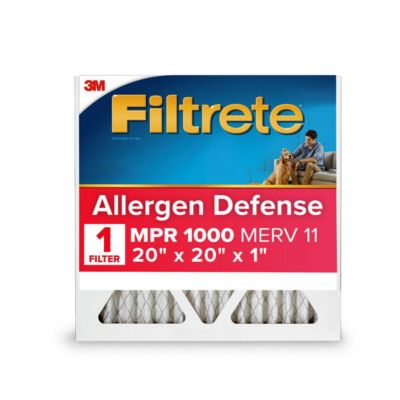
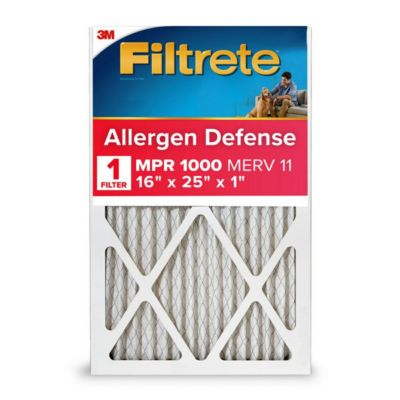
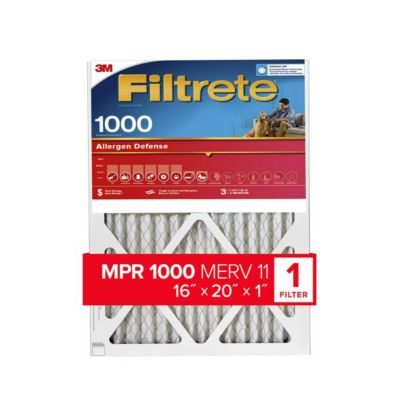
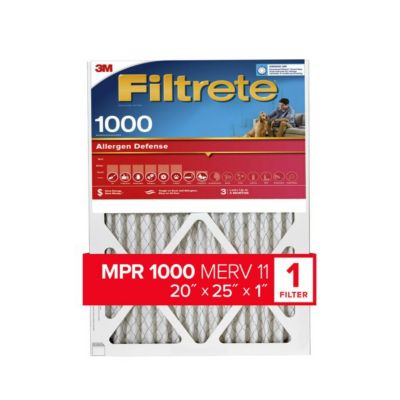
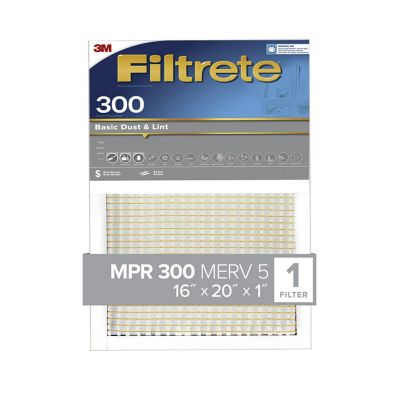
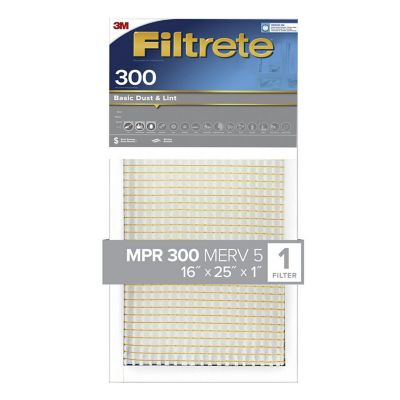
Pleated air filters are a practical part of keeping a home, shop, office, or other enclosed space comfortable through changing weather. Made with folded synthetic or cotton filter material, these filters have more surface area than flat fiberglass styles, helping capture dust, lint, pollen, pet dander, and other airborne particles as air moves through a furnace or air conditioning system. That accordion-style construction lets the filter collect more debris without becoming clogged as quickly as a flat filter may. A clean filter also helps protect the blower, coils, and other internal HVAC parts from a heavy layer of dust, which is especially useful in homes near gravel roads, fields, barns, workshops, or busy driveways. During the warmer part of the year, an air conditioner may run often and pull in plenty of dust and pollen; during cooler months, a furnace can circulate the fine particles that settle indoors after a busy day of work. Replacing the filter at a sensible interval helps your system move air more easily and can support steady heating and cooling performance. Many disposable pleated filters are designed to last up to about 90 days under typical household conditions, though the right replacement schedule depends on the filter, equipment, indoor air quality, and how often the system runs. Homes with several pets, smokers, allergy concerns, construction dust, or frequent foot traffic may need more frequent changes. It is a good habit to check the filter every month. If the pleats look packed with gray dust, hair, or fuzz, or if the filter looks noticeably darker than a fresh one, it is time to replace it rather than waiting for the full rated interval. Keeping a few correctly sized filters on hand can make routine maintenance easier, whether they are headed to a farmhouse, rental property, hunting cabin, or the home of someone settling into a new place. For more sizes and options, visit
Shop Air Filters.
Choosing the right pleated air filter starts with an exact size match. Check the old filter or the label on the filter rack for the length, width, and thickness, such as a 20 x 20 x 1-inch or 16 x 25 x 4-inch size. A filter that is too small can let air slip around the edges, while one that is too large may not fit securely or could make the system work harder. Measure the opening if the old filter is missing, and pay attention to the filter’s listed dimensions rather than guessing from a nearby size. The arrow printed on the frame should point in the direction of airflow, usually toward the furnace, air handler, or return side of the system. Pleated air filters are also rated by MERV, or Minimum Efficiency Reporting Value, which indicates how effectively a filter captures different particle sizes. MERV 8 is a common choice for standard household dust, lint, and pollen. MERV 11 through MERV 13 can provide finer filtration for homes dealing with more pet dander, smoke, or allergy-related concerns, but a higher rating is not automatically better for every system. Dense filter media can restrict airflow if the HVAC equipment is not built to handle it, so check the furnace or air conditioner manufacturer’s recommendations before moving to a higher MERV rating. A local service professional can also help when the equipment is older, the filter rack is unusual, or airflow seems weak after a filter change. Pleated filters are generally intended to be replaced, not washed or vacuumed; cleaning can damage the filter material and will not restore it to new condition. When installing a fresh one, make sure it sits flat, the access panel closes fully, and there are no gaps around the frame. These small checks fit easily into regular home upkeep and can be a thoughtful, useful gift for a first-time homeowner, a family with indoor pets, or anyone caring for a dusty country property. Store spare filters in a dry place away from feed, moisture, oils, and loose debris so they are ready when routine maintenance comes around.