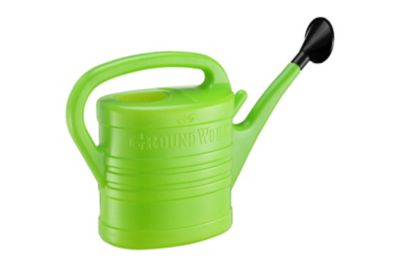
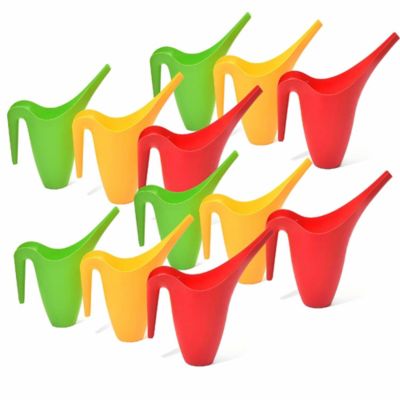
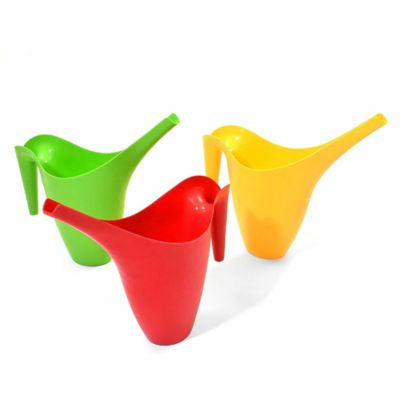
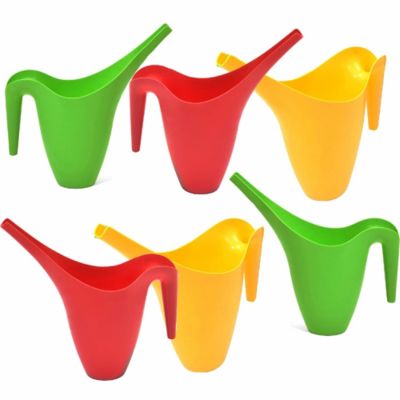
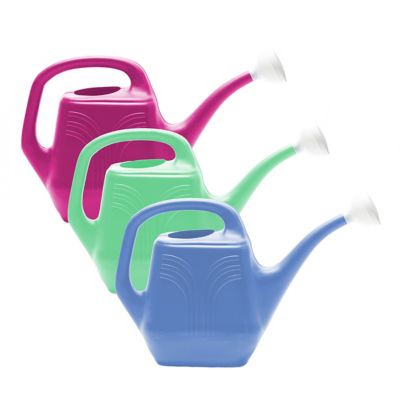
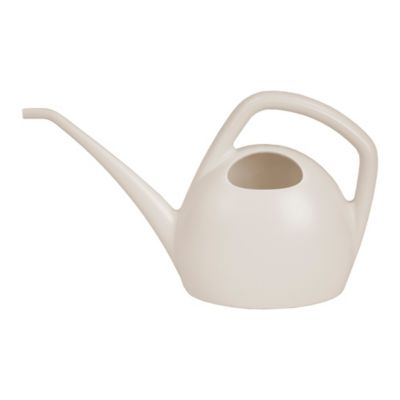
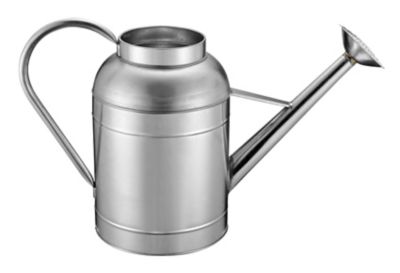
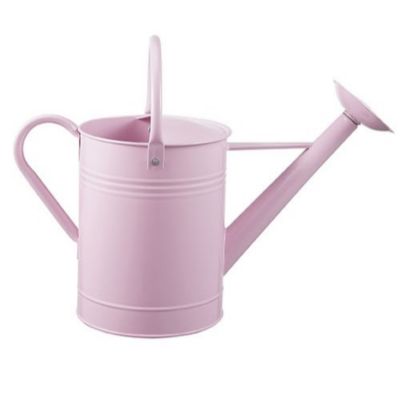
Plastic watering cans keep everyday watering simple, whether the job is a few houseplants by the kitchen window or a row of containers along the back porch. Their lightweight bodies add little weight beyond the water itself, and plastic won’t rust when it gets wet. Common sizes range from small cans holding about a quart to larger garden watering cans holding 2 gallons or more. That range matters when the nearest faucet is across the yard: a bigger can means fewer refill trips, but a smaller one is easier to carry through a doorway or lift toward a hanging basket. Water weighs about 8.3 pounds per gallon, so a full 2-gallon can carries roughly 16.6 pounds of water before counting the container. For someone tending several porch pots, a midsize can may strike a comfortable balance between carrying weight and time spent at the spigot. For a windowsill herb garden, a compact body can be easier to maneuver without bumping leaves or nearby pots. Molded plastic bodies come in different shapes, wall thicknesses, and resin types, all of which affect how they feel in the hand and stand up to everyday chores. A body that holds its shape when lifted, a solid handle connection, and a steady base are practical details worth considering. Some plastics include UV protection to help limit damage from sunlight, though that feature depends on the design and should be confirmed in the product information. Translucent bodies or molded volume markings can make the water level easier to see, while an opaque body keeps the contents out of sight. Color comes down mostly to preference, but a bright can is easier to spot beside the potting bench or among the greenery. For gardeners moving between indoor plants and outdoor containers, the best fit often comes down to the size of the load, the distance to water, and how much room there is to pour.
Spout shape makes a noticeable difference in where the water lands. A long, narrow spout reaches beneath foliage and directs a controlled stream toward the soil, which is handy around crowded houseplants, deep containers, and pots tucked onto a shelf. A shorter, wider spout can deliver water more quickly to larger containers, although the flow still depends on the opening and how far the can is tipped. A sprinkler attachment, often called a rose, breaks the stream into smaller droplets for a shower over a broader area. That gentler pattern can help keep loose potting mix and newly sown seeds from washing aside, especially when the can stays close to the soil. Removable roses let one can handle both a shower and an open stream, while a fixed spout keeps the setup straightforward. The attachment should fit snugly, and its holes should be easy to reach for cleaning. Handle placement deserves just as much attention as the spout. A top handle supports carrying, while a side or rear grip can help control the tilt as the water level drops. Designs with two gripping positions let the load shift between both hands, which can be helpful when watering several large tubs along a fence. Enough clearance around the handle leaves room for work gloves without pinching fingers against the body. The fill opening also needs to suit the water source; a broad opening works well beneath an outdoor spigot, while a tall can may not fit comfortably under a shallow sink faucet. Around the porch or inside the house, plastic watering cans pair naturally with
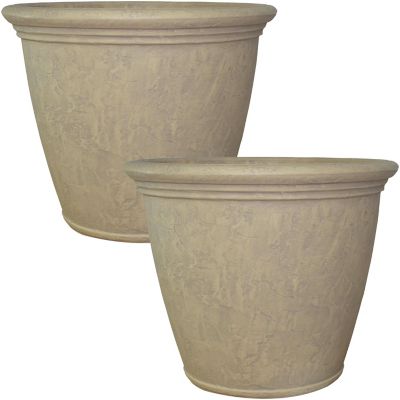
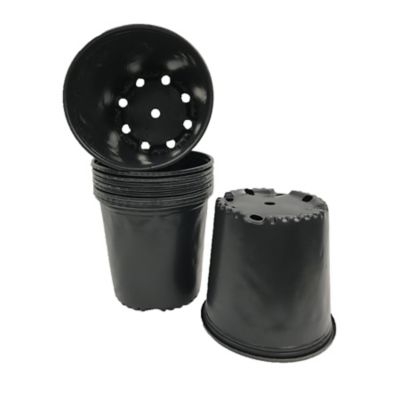
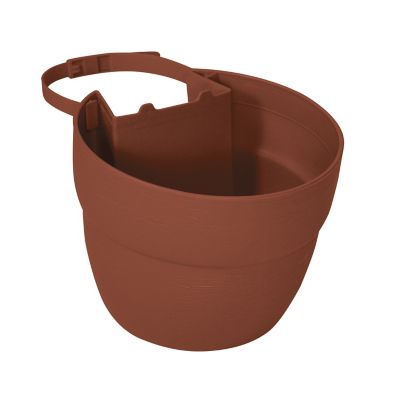
Planters With Drainage Holes, allowing excess water to leave the root zone rather than collect at the bottom. A saucer can protect the surface underneath, but standing runoff should be emptied when practical. Together, a manageable can, a suitable spout, and a draining container make it easier to water the soil without soaking the windowsill or leaving a puddle by the door.
A plastic watering can earns its place through the small chores that happen between bigger jobs: settling a freshly potted plant, reaching a container beyond the hose, or giving indoor greenery a drink during the cooler months. Gardeners with a few pots may favor one compact can, while folks tending plants in several spots may appreciate different capacities for indoor and outdoor tasks. A small, easy-to-grip can can also give children a manageable way to help with plant care under adult supervision, without asking them to lift a full-size garden load. For a plant-loving neighbor, a new homeowner, or someone setting up a first porch garden, a watering can makes a practical gift when its size suits the plants and space they have. Long service life depends on both construction and care. Plastic does not develop rust, but prolonged sunlight, freezing conditions, and hard impacts can weaken it over time. Storage out of direct sun helps limit weathering, and draining the body and spout before a freeze prevents trapped water from expanding inside. An empty can belongs somewhere sheltered and secure rather than loose in the yard where wind can carry it off. Routine rinsing clears out soil, leaf bits, and other debris before they clog a narrow spout or sprinkler rose. Detachable parts make that job easier, particularly when mineral deposits begin to restrict the spray holes. Cleaning methods should follow the manufacturer’s directions, since harsh chemicals and abrasive tools can damage some plastics. If a can is intended for mixing water-soluble plant feed, clear volume markings can help with measuring the water, but the feed label still determines the mixing rate. Keeping that can separate from anything meant for drinking avoids confusion. As outdoor watering slows and more attention turns to plants indoors, a clean can with a controlled pour remains useful without taking up much storage space. From a shelf in the mudroom to a hook beside the potting bench, the right shape and capacity keep water close at hand for the plants that need it.