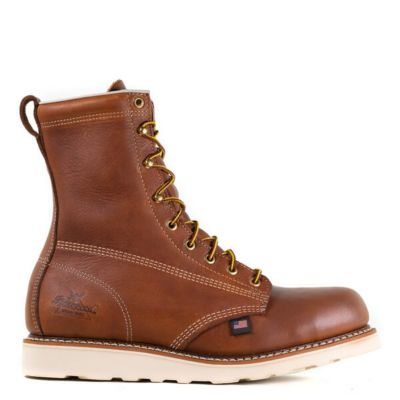
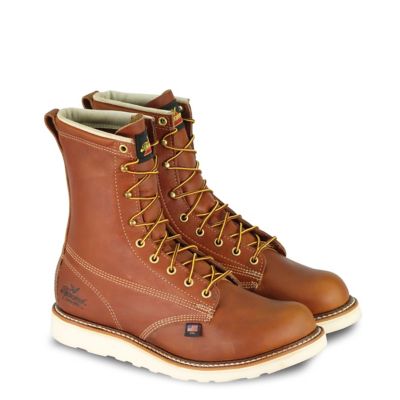
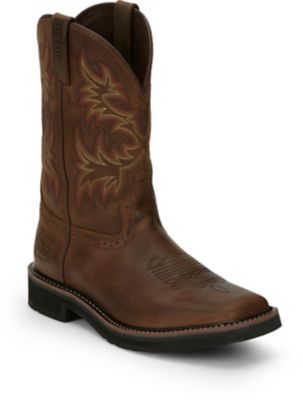
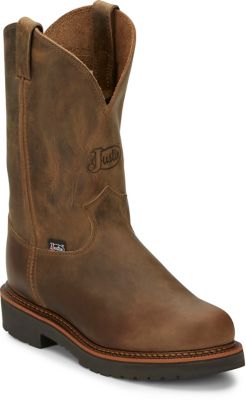
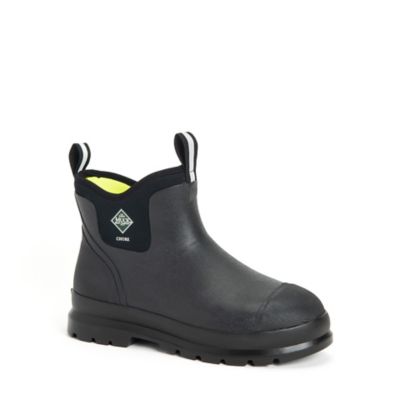
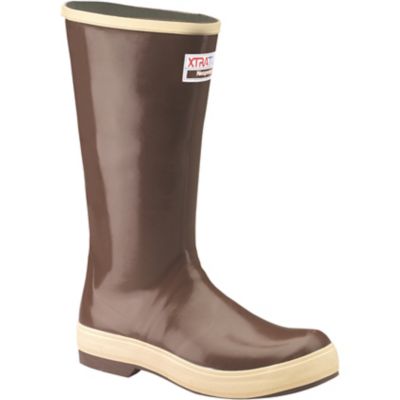
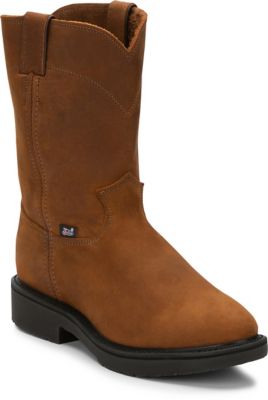
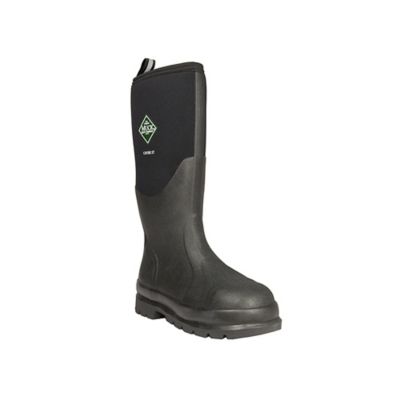
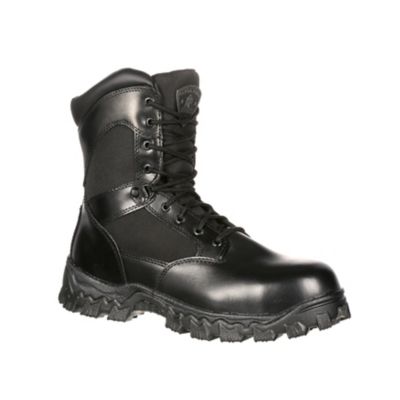
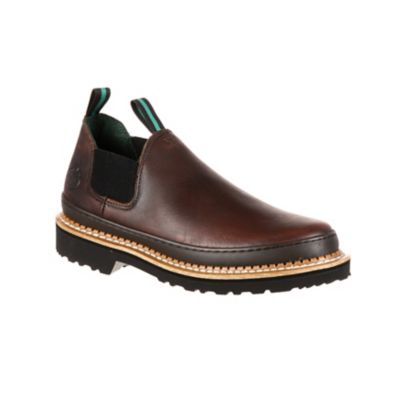
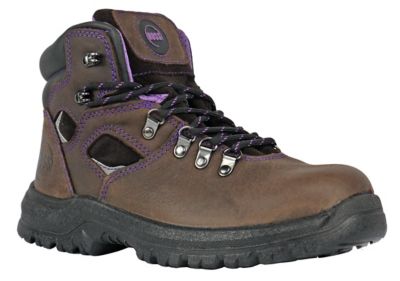
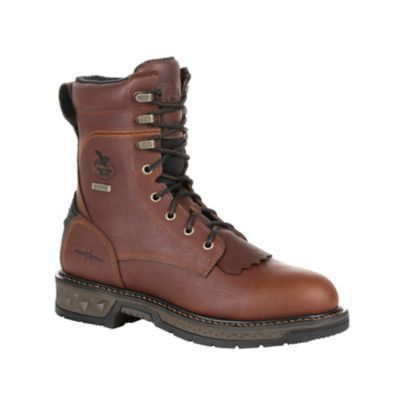
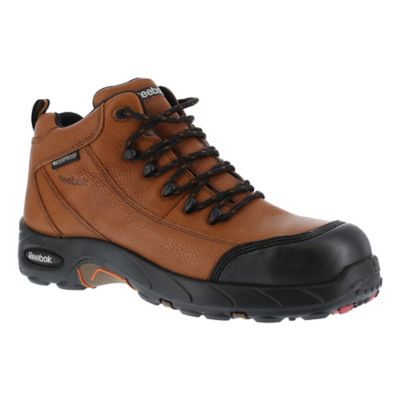
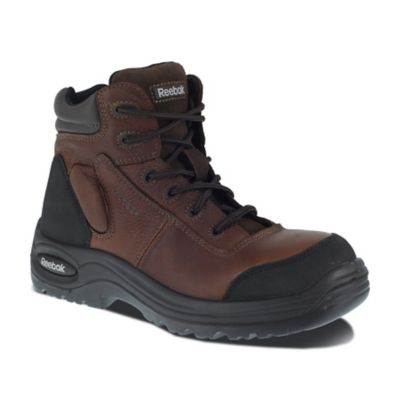
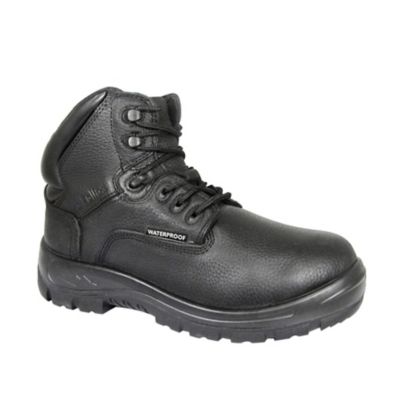
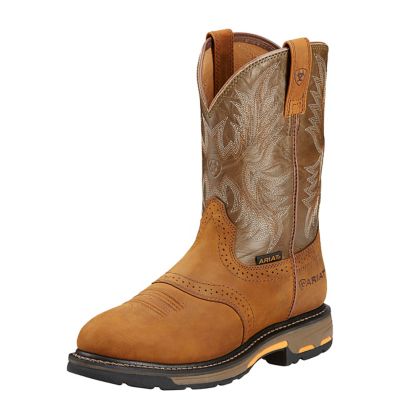
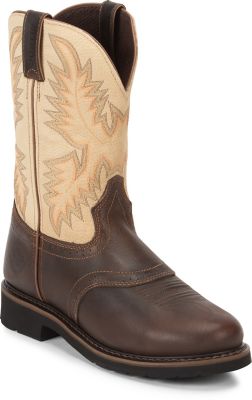
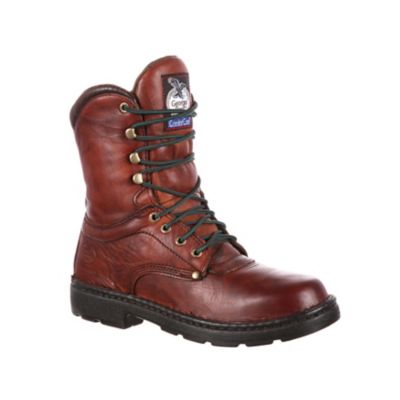
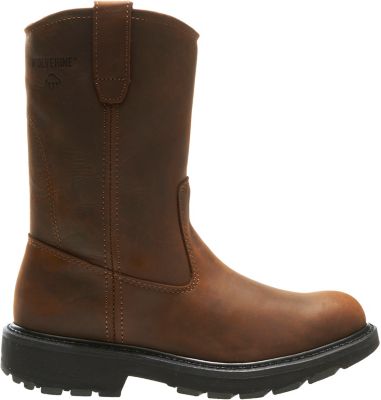
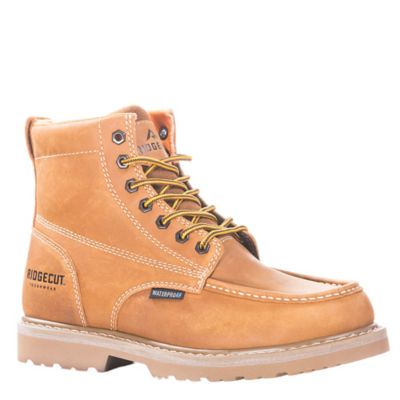
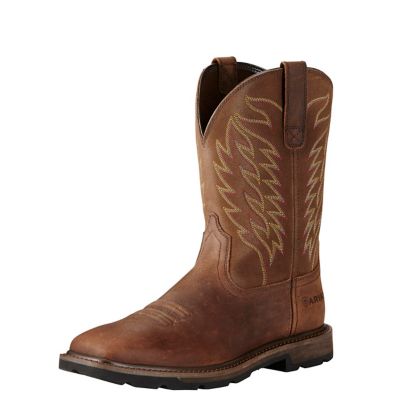
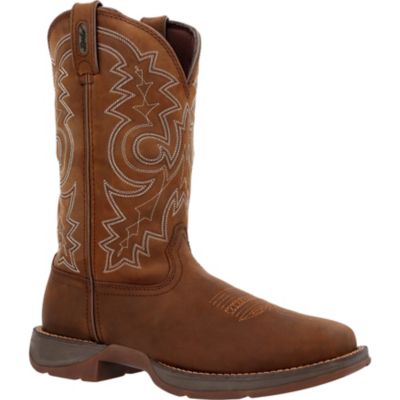
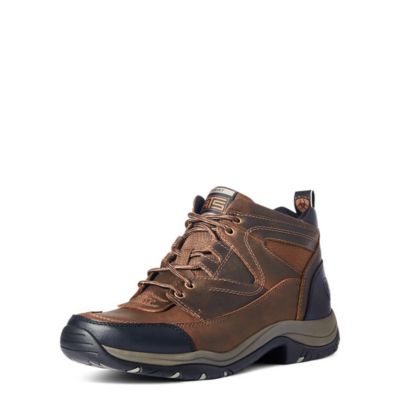
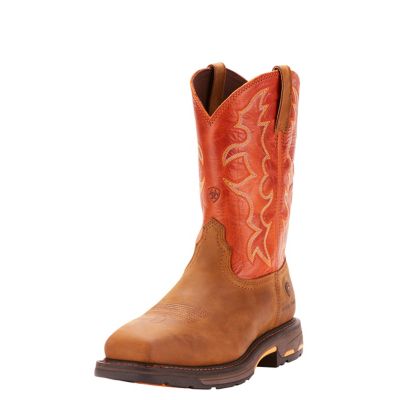
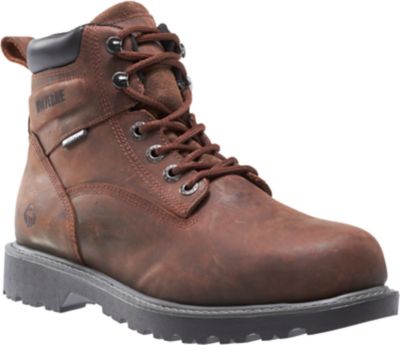
Plain toe work boots are a dependable choice for jobs and chores that call for sturdy footwear without a rigid safety cap over the toes. Their smooth, unreinforced toe box lets the boot bend more naturally as you walk, climb, kneel, or work the pedals on a tractor, and many wearers appreciate the lighter feel during long days on their feet. Without an internal steel or composite cap, plain toe boots often have an easier break-in period and a roomier, more flexible feel across the forefoot. They can be a practical fit for carpenters, warehouse workers, mechanics, landscapers, farmers, ranchers, and anyone who spends the day moving between a shop floor, jobsite, barn, and truck. Leather utility boots with wedge-style or smooth outsoles are commonly chosen for indoor trades, carpentry, concrete work, and other areas where a stable sole helps with long hours on hard, flat surfaces. A smoother tread can also help limit the amount of mud, gravel, sawdust, or manure tracked indoors, though the best outsole depends on the ground and hazards where the boots will be worn. For wet work, outdoor chores, agriculture, masonry, food-processing areas, and muddy paths around the property, waterproof rubber styles can help keep feet dry and are generally easy to rinse clean. Leather styles bring a classic look, breathability, and a feel that can mold to the wearer over time, while rubber offers straightforward protection from water and messy conditions. Some leather plain toe work boots include electrical hazard-rated soles or construction intended to provide secondary protection against contact with live electrical circuits. That rating is not a substitute for safe work practices, and workers should always check the boot label and job requirements before relying on any electrical hazard protection.
Choosing the right pair starts with the work environment and the way the boot fits your foot. Measure both feet near the end of the day, when feet are typically at their largest, and wear the kind of work socks you plan to use. Your heel should stay fairly secure without pinching, your toes should have room to spread and move, and the ball of your foot should line up with the boot’s widest point. A little extra space can be useful for thicker socks during cooler months, but too much room may lead to rubbing, blisters, and tired feet. Pay close attention to the sole as well. Deep, aggressive lugs can provide traction on loose dirt, wet grass, and uneven ground, while a flatter wedge-style sole may feel steady on shop floors, concrete, and smooth indoor surfaces. Slip-resistant rubber is worth considering around water, grease, or food-service areas, and oil-resistant outsoles can be helpful in garages and mechanical settings when the manufacturer lists that feature. Waterproof construction is useful in puddles, rain, and wet fields, but it may feel warmer than a breathable leather boot as the weather warms. Check for reinforced stitching, a well-supported heel, a durable shank, and a collar that cushions the ankle without rubbing. Plain toe boots are not designed to replace protective-toe footwear where falling, rolling, or crushing objects are a known hazard. If your employer requires impact or compression protection, compare these options with
Composite Toe Work Shoes and follow workplace safety rules. A plain toe style is best matched to duties where that extra toe cap is not required and comfort, flexibility, or a lighter step matters more.
Plain toe work boots can earn their keep in all kinds of routines, from early feed runs and fence repairs to long shifts in a warehouse or a full day framing, pouring, hauling, or stocking. They are useful when a person needs one hard-working pair that still looks at home with jeans after the job is finished. A leather pair can make a thoughtful gift for someone starting a trade, taking on farm work, moving into a maintenance role, or replacing an old pair worn thin at the heel. For a gift, it helps to know the recipient’s size, preferred material, usual work surface, and whether their employer calls for a protective toe, waterproofing, or electrical hazard rating. New boots should be eased into service rather than worn for a twelve-hour shift on the first day; short walks and lighter tasks give the upper and the wearer time to adjust. Keep leather brushed clean, let wet boots dry away from direct heat, and use a conditioner suited to the leather when it begins to look dry. Rubber boots benefit from a rinse and a thorough air-dry, especially after contact with mud, livestock areas, fertilizer, or chemicals. Replacing worn insoles and keeping an eye on tread, stitching, cracks, and separated soles can help maintain comfort and traction. During warmer weather, moisture-wicking socks and a breathable fit can reduce hot spots, while cooler months may call for a slightly roomier fit and heavier socks. With the right material, sole, fit, and care routine, plain toe work boots can provide comfortable everyday support across changing job conditions and seasons.