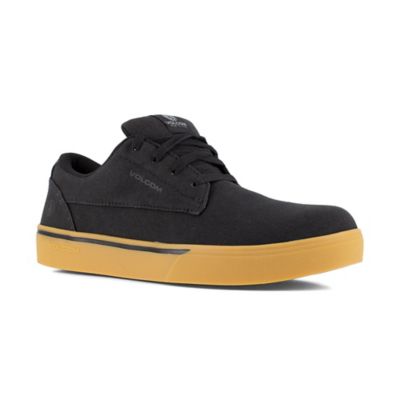
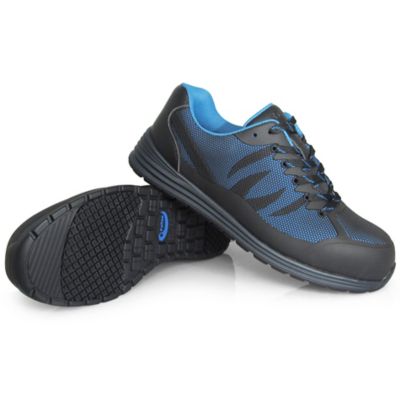
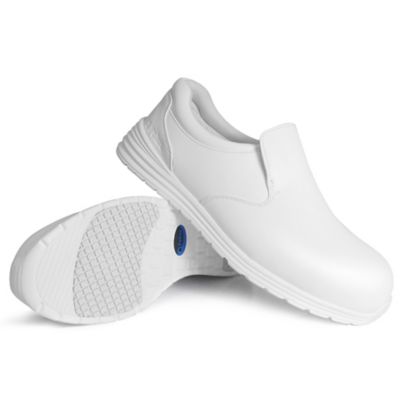
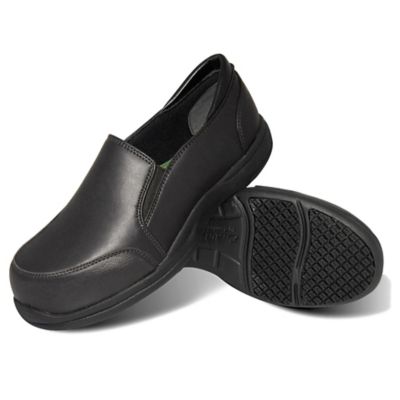
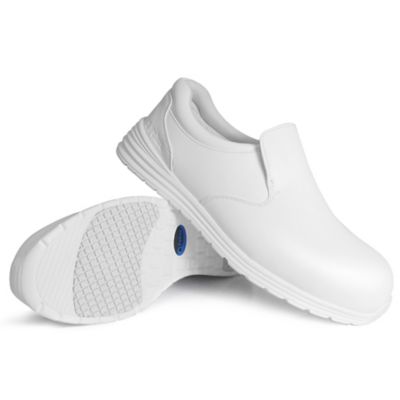
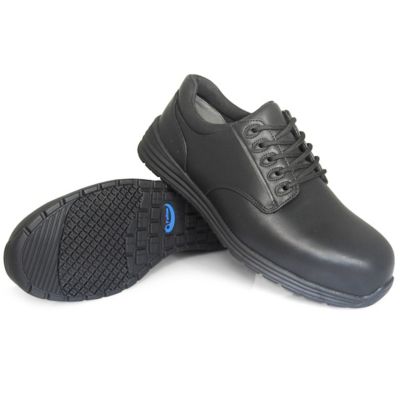
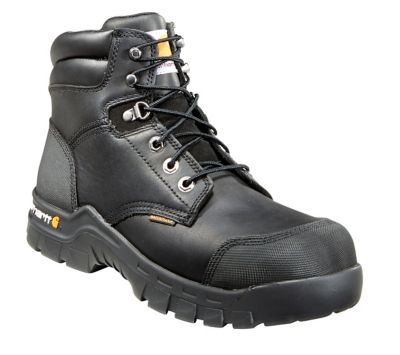
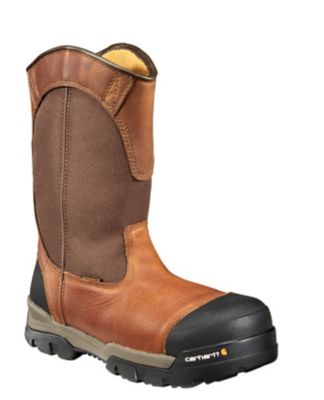
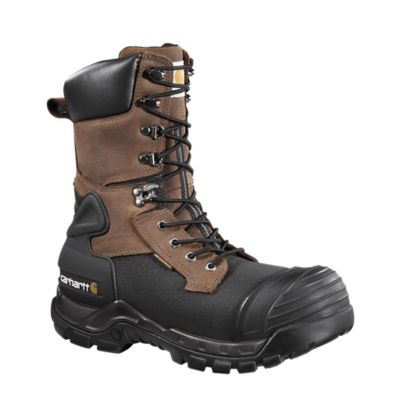
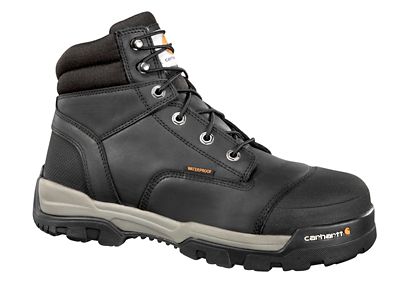
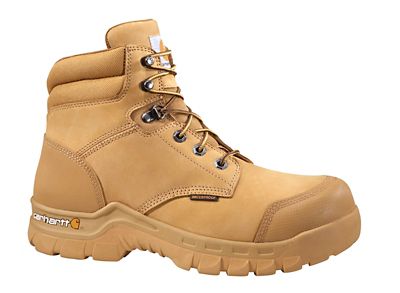
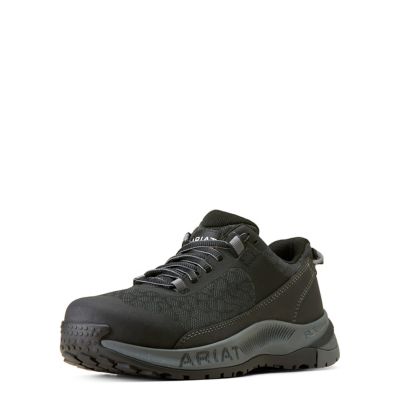
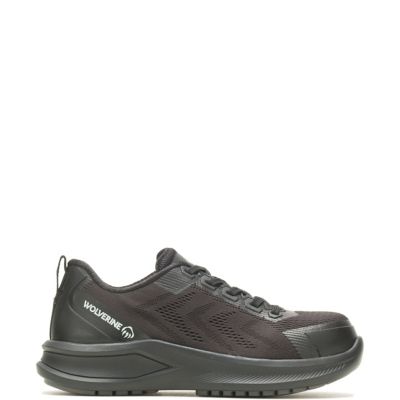
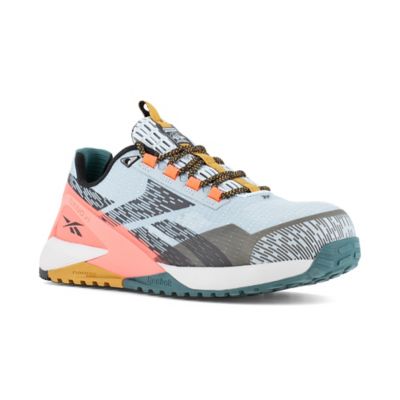
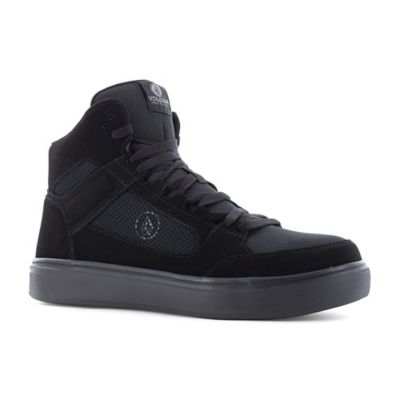
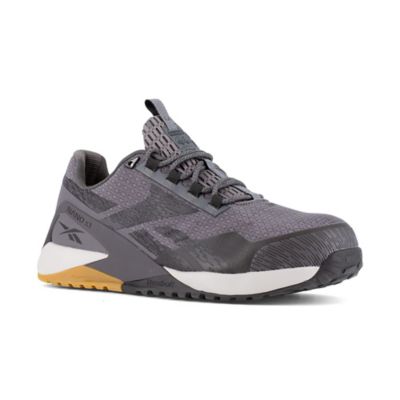
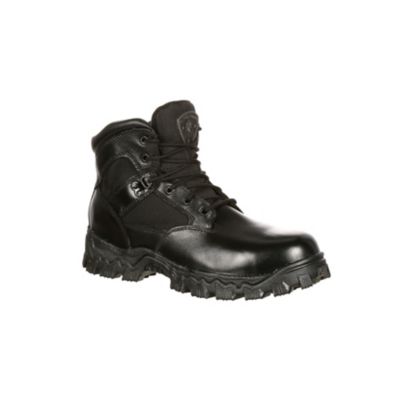
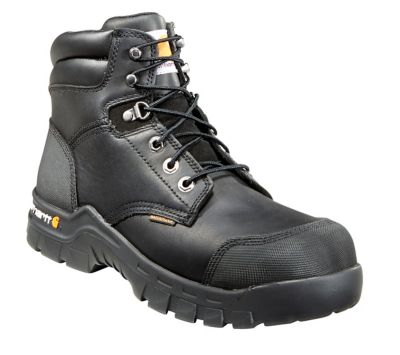
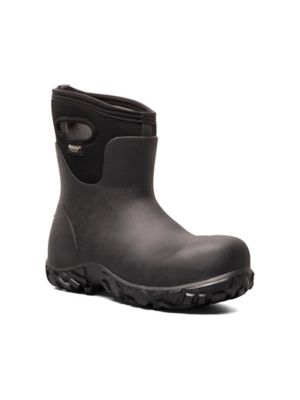
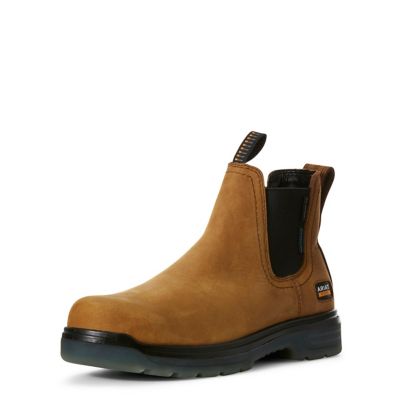
Composite toe work shoes bring together safety-toe protection and the everyday comfort of an athletic shoe, making them a handy choice for long shifts on the farm, in a warehouse, at a jobsite, or around the shop. Instead of a steel toe cap, composite toe footwear uses nonmetal materials such as carbon fiber, fiberglass, Kevlar, or other engineered materials to help protect the toes from falling and rolling objects. Many options are designed to meet ASTM safety-toe standards, but the exact protection can vary, so check the product details and your workplace requirements before buying. The composite cap is generally lighter than steel, which can make a real difference when you're walking concrete floors, climbing ladders, loading feed, or covering ground outdoors from sunup to quitting time. Nonmetal materials also do not transfer heat and cold the same way metal can, helping your toes feel more comfortable when you're working around warm equipment or stepping outside during cooler weather. Since the toe cap contains no metal, composite toe shoes may also be a practical fit for jobs that involve metal detectors or security checkpoints. That does not mean every part of the shoe is metal-free, so workers who need to pass through screening should look closely at the full construction. For a quick way to compare easier-to-wear safety footwear, browse
Lightweight Composite Toe Shoes. Composite toe work shoes are often chosen by construction crews, delivery drivers, mechanics, maintenance workers, landscapers, warehouse teams, airport employees, electricians, and anyone who spends a workday on their feet near heavy materials. They can also be a thoughtful gift for a new hire, a family member starting a trade program, or a handy person who spends weekends repairing equipment and working on projects. A sneaker-style design may feel right for indoor work, light-duty shop tasks, and warehouse aisles, while a more rugged work shoe with a protective toe and deeper tread may be better suited to gravel, mud, uneven ground, and outdoor chores.
Fit matters just as much as the safety rating. Start by measuring both feet, preferably at the end of the day when feet have naturally expanded after walking and standing. Wear the same kind of work socks you plan to use, then make sure your toes can move without touching the protective cap. Your heel should stay in place when you walk, with no painful slipping, rubbing, or pinching across the top of your foot. A shoe that feels snug around the middle may loosen slightly with wear, but a toe box that is too short or narrow will not become comfortable just because the upper breaks in. Look for cushioning and support that match the work at hand, including a supportive insole, shock-absorbing midsole, and a sole that flexes where your foot bends without feeling flimsy. Slip-resistant rubber outsoles can provide better footing on smooth concrete, wet floors, grass, or packed dirt, while a more aggressive tread can help with loose gravel and outdoor terrain. If you work around cords, tools, scrap metal, or rough lumber, inspect the outsole and upper for durability and consider whether puncture-resistant construction is needed. Water-resistant or waterproof materials can help during damp chores and changing weather, though waterproof shoes may feel warmer than breathable mesh styles. Ventilated uppers can be more comfortable during hot work, while insulated or lined shoes may be welcome when the air turns cold. Electrical hazard protection is a separate feature from the composite toe itself; if your work involves electrical risks, select footwear specifically marked for the protection your job requires and follow all employer safety rules. Other useful details may include padded collars, reinforced heels, odor-control linings, removable footbeds, secure lace systems, and wide-size options. Give new shoes a little break-in time before taking them onto a full shift, and keep an eye on tread wear, damaged stitching, cracked soles, or a compressed insole. Replacing worn work shoes helps preserve comfort and dependable footing through busy days, whether you're hauling supplies as the weather warms, tending animals during the cooler months, or wrapping up outdoor jobs before evening sets in.