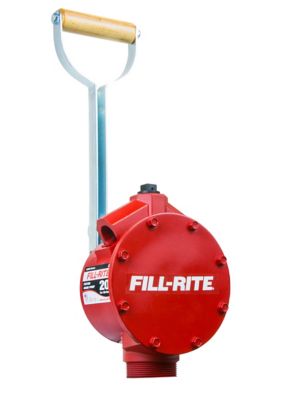
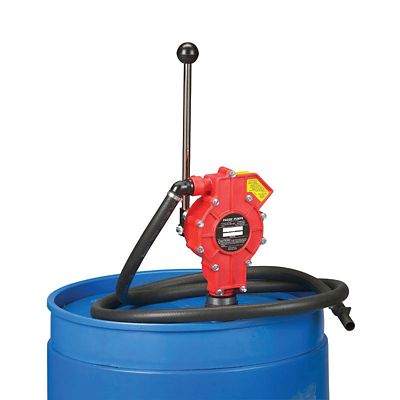
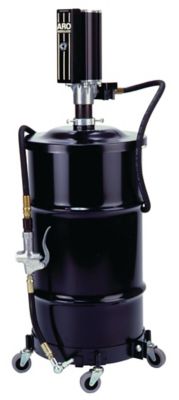
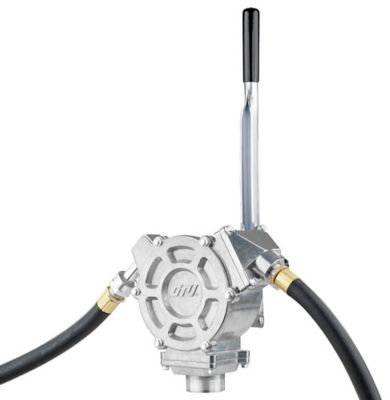
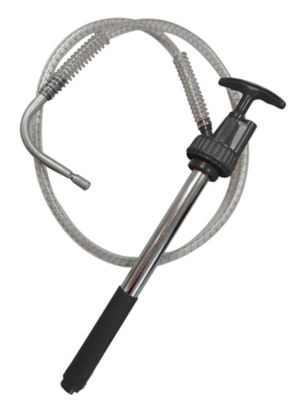
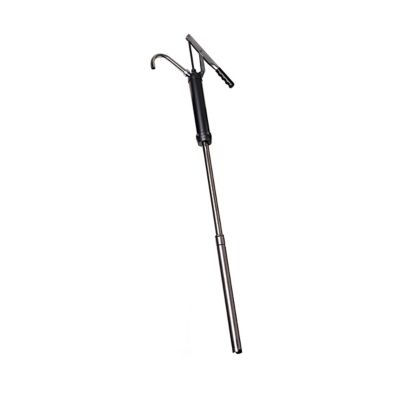
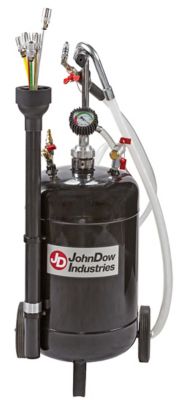
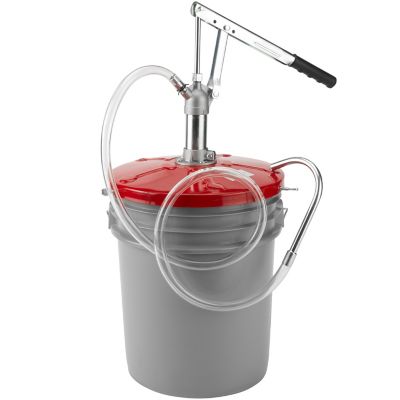
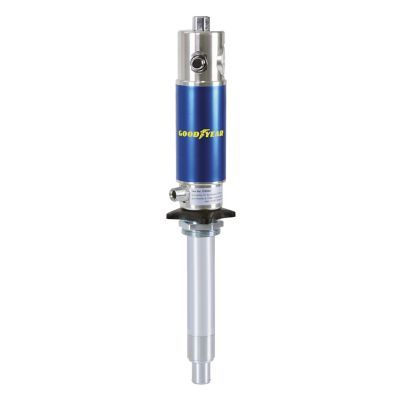
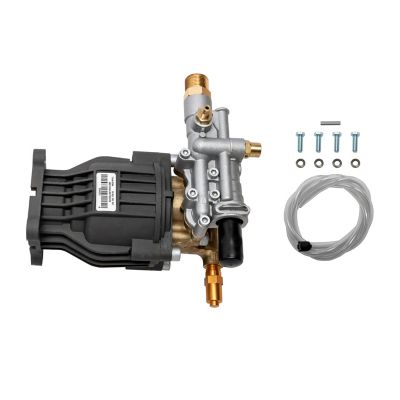
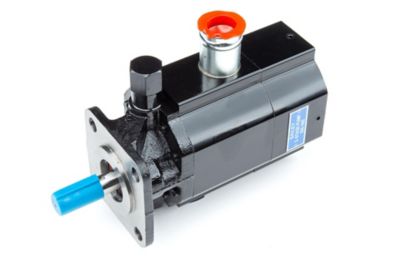
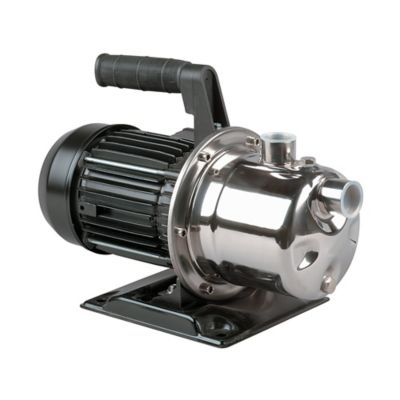
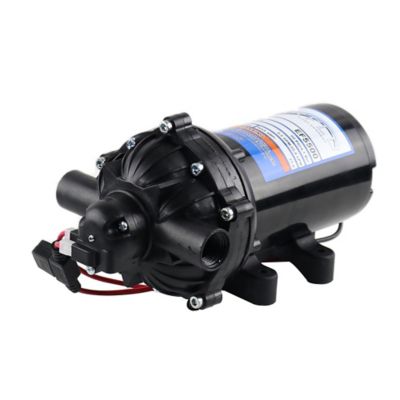
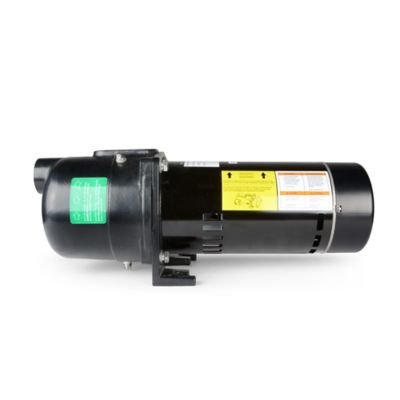
A piston pump is a positive displacement pump that moves fluid through the back-and-forth motion of a piston inside a cylinder. Each stroke moves a measured volume, making this design useful for jobs that call for controlled fluid delivery or substantial operating pressure. In many reciprocating designs, inlet and outlet check valves direct liquid through the pumping chamber; other piston pump designs control flow through internal ports. The pump supplies flow, while resistance in the connected system creates pressure. That distinction matters around the farm or shop, where moving liquid between containers is a different job from powering a loaded hydraulic cylinder. Hand-operated piston pumps can handle certain fluid-transfer tasks without an electric motor, while power-driven designs serve compatible machinery, spraying equipment, and hydraulic systems. The intended liquid and application determine which type belongs on the job. Within the broader category of
Hydraulic Pumps, piston designs can support demanding pressure requirements when properly matched to the equipment. Fixed-displacement pumps move a set volume per shaft revolution, while variable-displacement designs can change that volume through an adjustment or control mechanism. Axial and radial arrangements describe how the pistons sit in relation to the drive shaft, and each arrangement brings its own mounting, control, and operating requirements. Those differences matter more than an outside resemblance between two pump housings. A livestock producer running compatible handling equipment, a mechanic maintaining machinery, and a landowner handling approved liquids may all have a place for a piston pump, but not necessarily the same design. Flow rate influences how quickly fluid moves or an actuator travels; pressure capability determines whether the pump can work within the system’s required operating range. Neither number tells the whole story alone. A well-matched pump works with the drive source, plumbing, controls, and workload rather than asking the rest of the equipment to compensate for a mismatch.
Fit starts with the specifications of the equipment and the demands of the task. For a replacement piston pump, mounting pattern, shaft diameter, shaft shape, rotation direction, port size, and connection type all deserve close attention. Two pumps can look much alike on the workbench yet have different internal controls or drive requirements. Rated speed matters, too, because flow specifications generally correspond to particular operating conditions rather than every possible motor or engine speed. Maximum pressure ratings are not permission to run every component at that limit; hoses, fittings, valves, and other connected parts need compatible ratings and suitable pressure protection. Adequate drive power is another part of the match, since delivering more flow at higher pressure takes more power. For fluid-transfer applications, the practical details may be simpler but remain important: the length of the suction tube, the container opening, the outlet connection, and the effort required at the handle all affect everyday handling. A comfortable grip and suitable mounting arrangement can make repeated pumping less awkward beside a drum or tank. Materials matter wherever liquid touches the pump. Depending on the design, housings may be cast iron, steel, aluminum, or another material selected for the application. Internal parts, coatings, and seals must also suit the liquid, not just the outside environment. A seal that works with water may be unsuitable for petroleum oil, and a pump intended for hydraulic fluid should not automatically handle fuel, drinking water, or agricultural chemicals. Those applications call for explicit manufacturer approval and any required certifications. Fluid viscosity also affects inlet flow, pumping effort, and performance. Thick liquid may require a different design or operating speed than a free-flowing liquid. For shoppers comparing piston pumps, matching the stated fluid compatibility and operating limits to the actual task is far more useful than choosing by appearance or pressure rating alone.
Long service life depends on both the pump’s construction and the conditions inside the system. Close-fitting pistons, cylinders, and sealing surfaces can suffer when grit or metal particles enter the fluid path, so cleanliness has a direct bearing on performance. In a hydraulic installation, the specified filtration, suitable fluid, and a properly maintained reservoir help protect those working surfaces. Transfer pumps also benefit from clean containers and protected inlet and outlet openings, especially around dusty equipment sheds or busy work areas. Suction plumbing deserves as much attention as the discharge side. Restrictions, air leaks, or inadequate fluid supply can lead to noisy operation, uneven delivery, and internal damage. Priming requirements vary, and a pump should not run dry unless its manufacturer specifically permits that operation. Access to service information, seal kits, and replaceable wear parts is worth considering for equipment expected to stay in regular service. Accessible mounting bolts and room around service points can also make maintenance less of a wrestling match. Some pulsation is part of reciprocating pump operation; designs with several pistons can smooth delivery, while certain systems need a properly selected pulsation-control device. A change in sound, a drop in output, or new leakage may signal a problem elsewhere in the system as well as within the pump, so replacing the pump alone may not solve the underlying issue. Safe handling remains essential wherever pressure is involved. Equipment needs to be shut down, secured, and relieved of stored pressure according to its instructions before service begins. High-pressure leaks should never be checked with a hand, and a fluid-injection injury requires emergency medical attention. For routine ownership, clear operating limits and straightforward maintenance requirements help keep the equipment suited to the work. Whether the job involves approved liquid transfer or powering compatible machinery, the right piston pump brings together suitable materials, proper fit, manageable upkeep, and the flow and pressure the application actually needs.