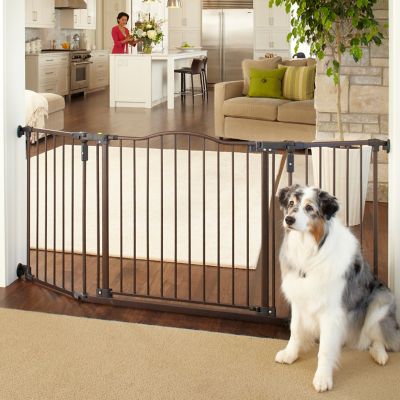
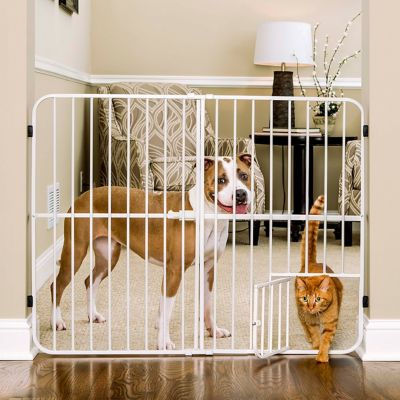
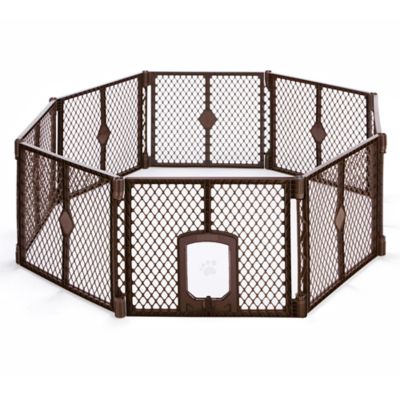
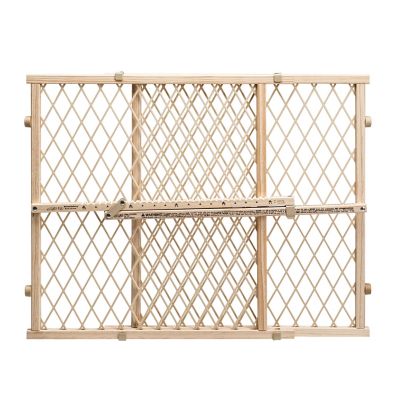
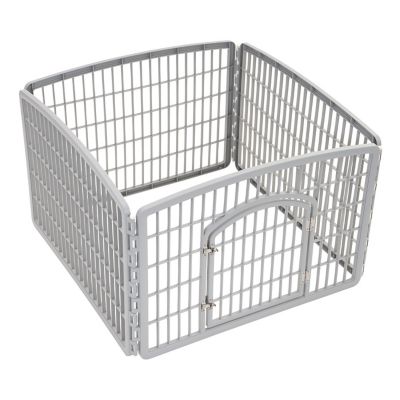
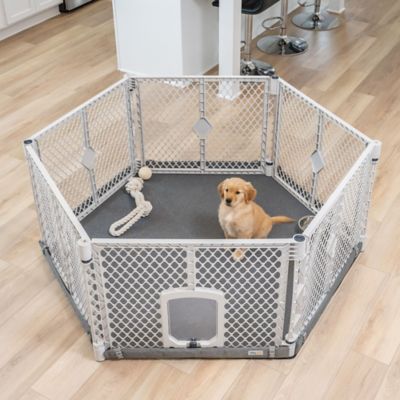
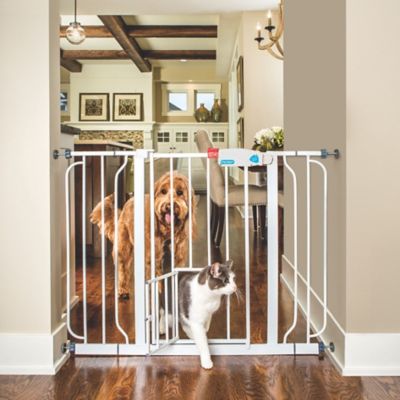
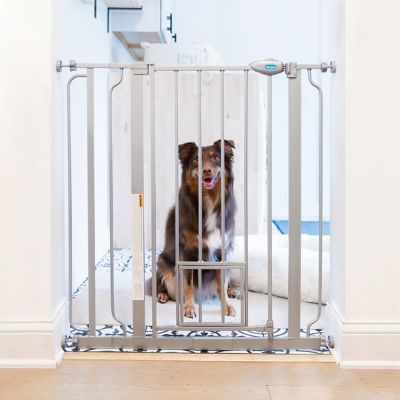
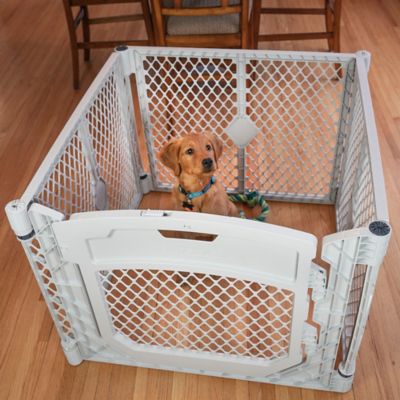
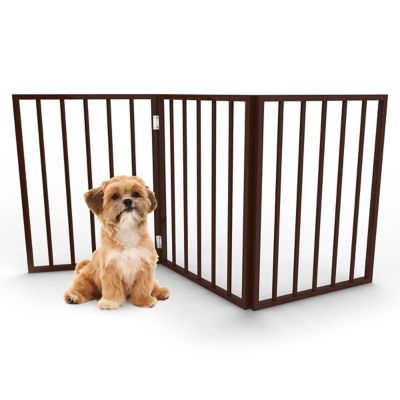
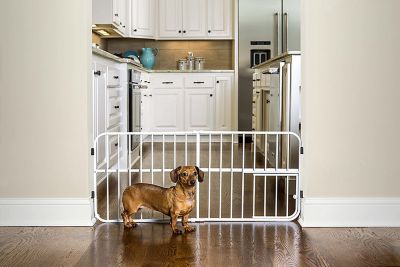
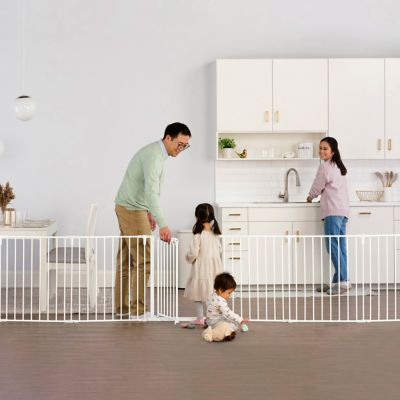
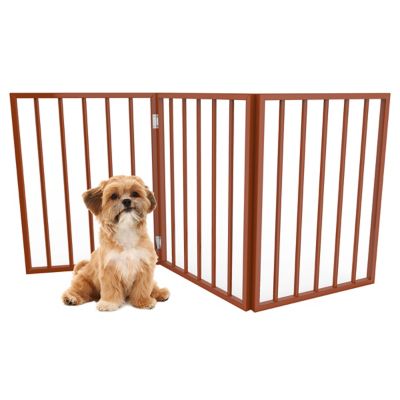
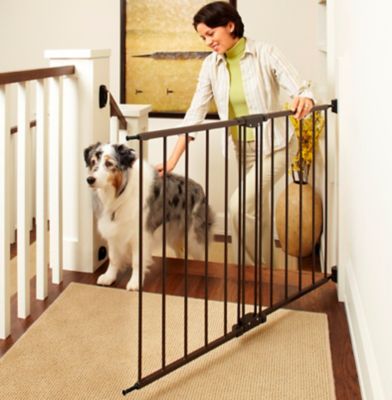
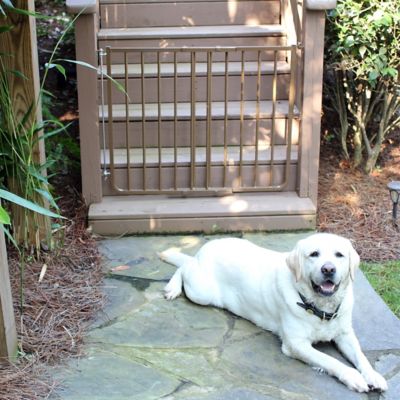
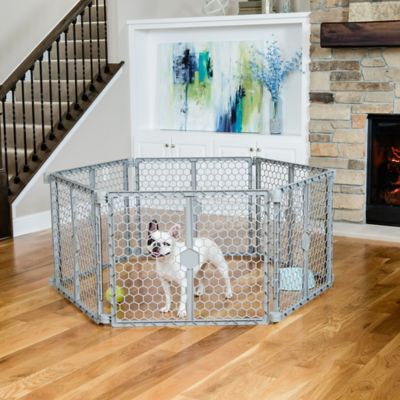
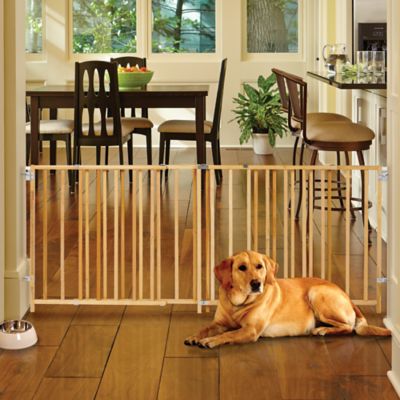
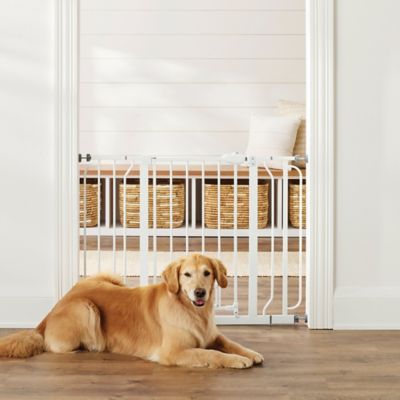
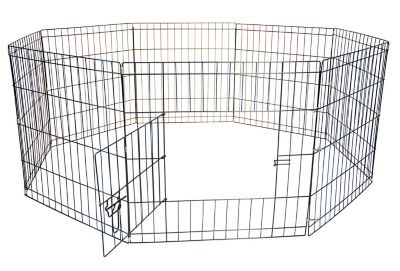
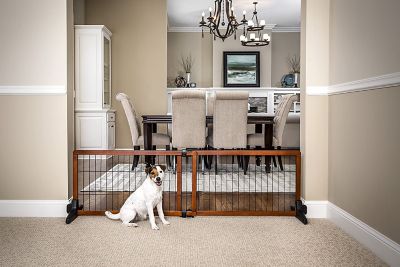
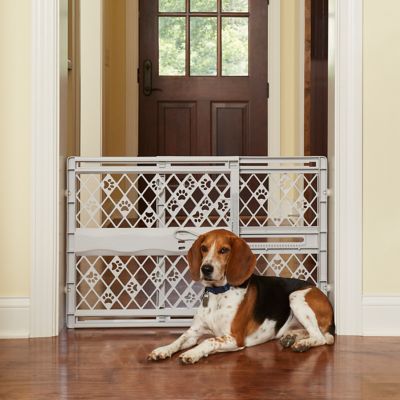
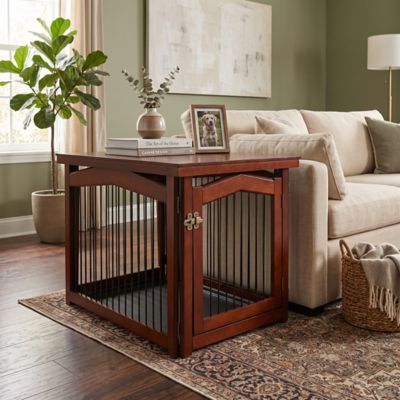
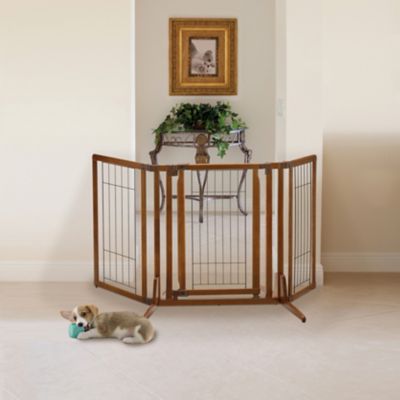
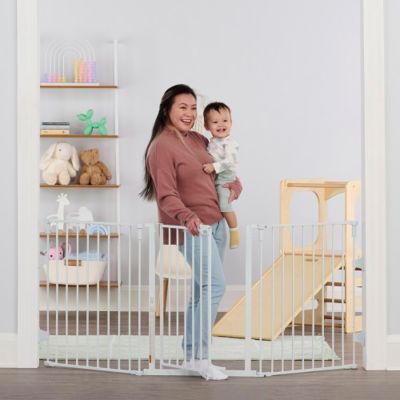
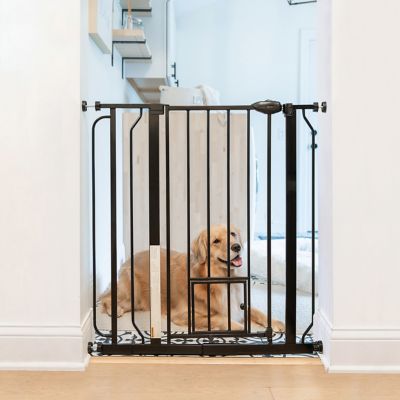
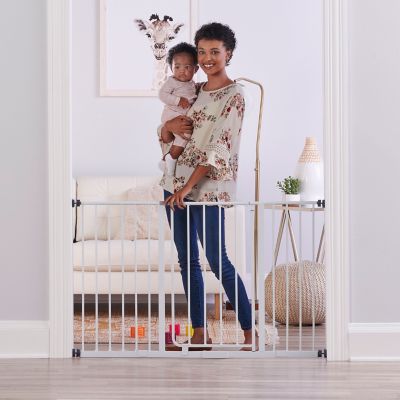
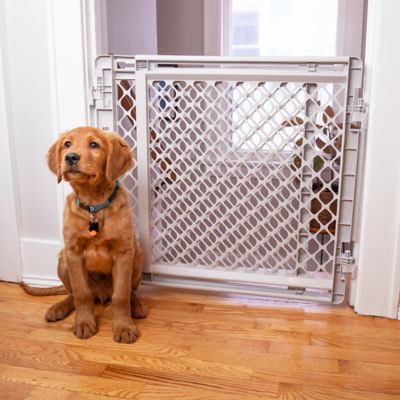
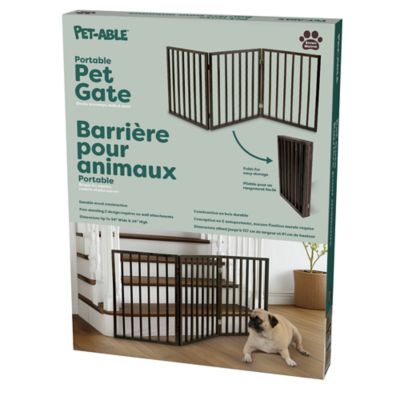
Pet gates for puppies are barriers that help keep young dogs within a designated area and limit access to rooms, stairs, or household hazards. They give a new pup room to settle in without having the run of the whole house, whether that means staying near the kitchen while supper gets made or resting away from the front door when visitors arrive. The right fit depends on the opening, the puppy’s size and behavior, and how people move through the space. Pressure-mounted gates hold against suitable walls or door frames with tension and often have padded contact points, making them a practical choice for some level-floor doorways where permanent mounting is not wanted. Hardware-mounted gates attach with screws and offer a fixed connection when installed in a suitable surface according to the manufacturer’s directions. At the top of stairs, a gate must be specifically approved for that location; a pressure-mounted barrier is not an appropriate substitute. Walk-through designs have an opening for people, so there is no need to lift the whole barrier each time someone passes through. That can make a difference in a busy hallway where hands are often full of laundry or feed bowls. Retractable gates pull across an opening and roll back into their housing when open, while freestanding designs can help define a space on a level floor. A determined puppy may push or tip a freestanding barrier, so its suitability depends on the animal and the setup. Width matters just as much as mounting style. Measurements should reflect the actual installation points, including baseboards, trim, and uneven surfaces that can affect contact. Adjustable designs have stated width ranges, and extensions must be compatible with the gate rather than improvised. For a wider passage between the kitchen and living room, the full assembled span and attachment requirements deserve attention before choosing a barrier.
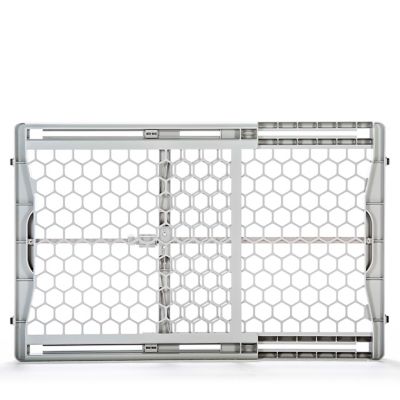
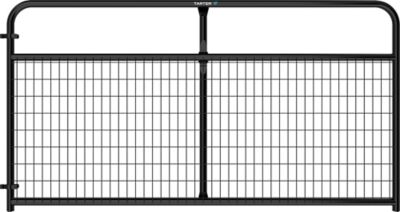
Materials, height, and spacing all shape how well a puppy gate suits daily life. Metal gates often make sense for pups that mouth or chew anything within reach, though no barrier should be treated as chew-proof. Steel bars can withstand everyday contact better than soft mesh or wood in many situations, while coatings, joints, and latches still need regular inspection. Wood brings a warmer look to living spaces, but a teething puppy can leave tooth marks or damage exposed edges. Mesh designs can be lighter and less visually imposing, yet they may not suit a dog that paws, bites, or leans hard against the barrier. Smooth edges, sound connections, and an intact finish matter with any material. Bar spacing is especially important for small puppies: an opening that seems narrow to a person may still let a tiny dog slip through or get its head caught. The gap beneath the gate needs attention, too, particularly where a floor slopes or thick trim raises the installation height. Suitability depends on the puppy’s actual size, not just a breed label or expected adult weight. Many standard gates stand about 24 to 30 inches tall, but height alone does not determine containment. An athletic puppy may clear a lower gate, and horizontal rails or nearby furniture can provide a foothold. A taller design may be worth considering for a jumper, provided its mounting and spacing also suit the dog. Growing puppies can outgrow a setup that worked when they first came home, so fit needs another look as their reach, strength, and confidence change. Door operation matters for the people in the household as well. A latch should close securely without being easy for the puppy to nudge open, and a walk-through opening should allow comfortable passage. Bottom rails can present a trip hazard, particularly along a busy route. For homes with children, a pet gate should not be assumed to provide child-safety protection unless it meets the applicable requirements for that purpose and location.
A puppy gate works best as part of a thoughtful home setup, not as a replacement for supervision, exercise, or companionship. It can keep muddy paws out of a carpeted room after a potty trip, separate a young dog from food preparation, or give an older pet some breathing room from an eager new arrival. In a farmhouse with several doorways, a barrier across one well-chosen opening may keep the puppy close enough to watch while leaving the rest of the room open for everyday chores. The enclosed area should have appropriate space to rest, access to water, and safe toys, with cords, cleaning supplies, and other hazards out of reach. Gates can support house-training routines by keeping a puppy nearby, but they do not replace regular outdoor breaks or attentive care. Introductions go more smoothly when a pup has time to become comfortable with the boundary rather than being left alone to bark, climb, or chew at it. A gate can also help separate pets during meals, although animals that react strongly to each other may need more separation than an open-bar barrier provides. Care is generally straightforward: wipe away paw prints and household dirt with cleaning methods approved for the material, then dry surfaces as directed. Hinges, latches, tension points, mounting screws, and extension connections need checks because everyday opening, bumps, and leaning can loosen a setup. Cleaning is also a good time to look for bent bars, splintered edges, torn mesh, or damaged parts that could affect safe operation. A barrier with damage or a latch that will not stay closed needs attention before the puppy has access to it again. For someone welcoming a first puppy, a gate can be a practical gift when the doorway dimensions and household needs are known. The broader selection of
Pet Gates offers a way to compare configurations for different spaces, with the puppy’s size, mounting surface, and daily traffic guiding the choice.