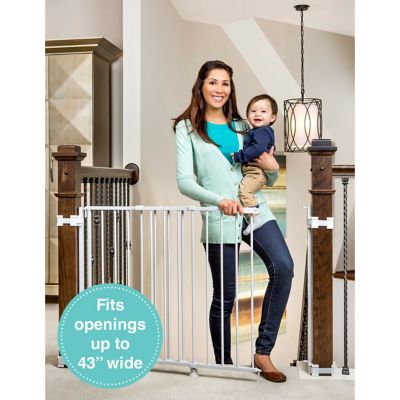
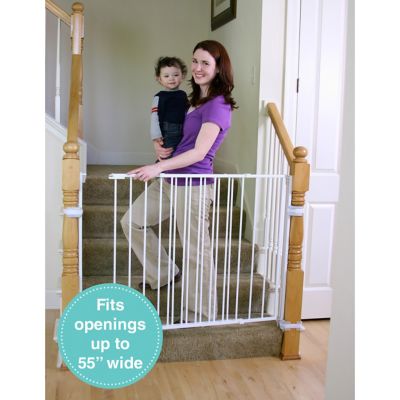
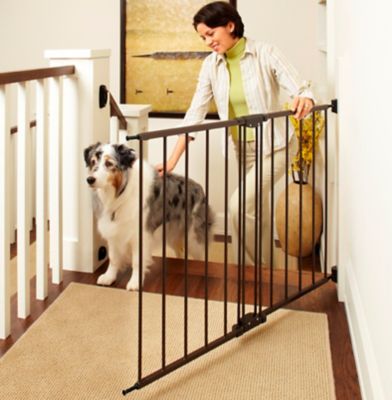
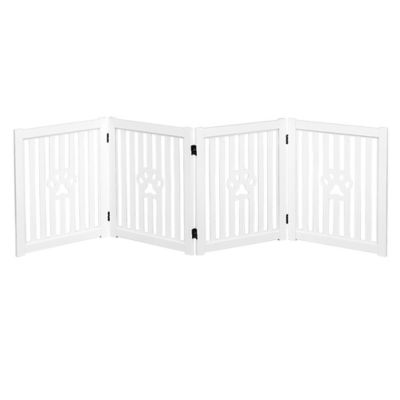
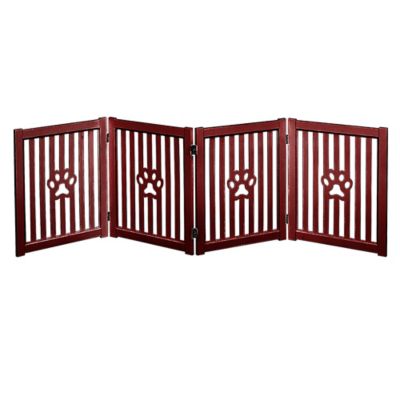
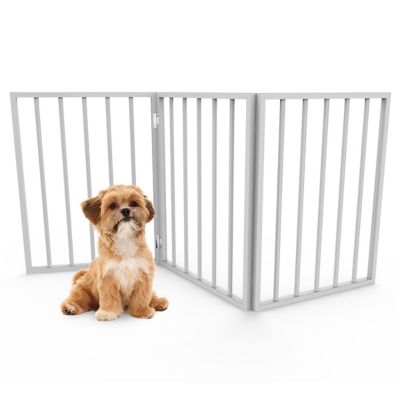
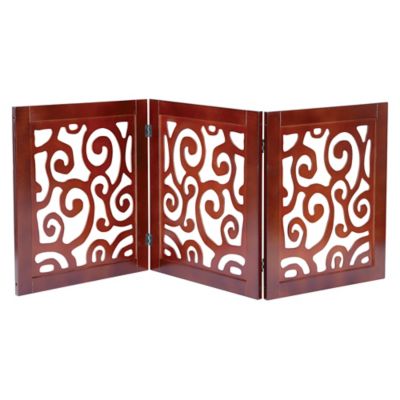
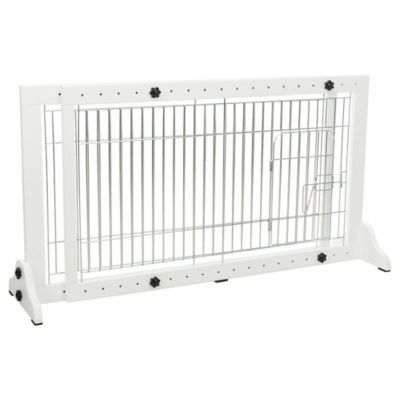
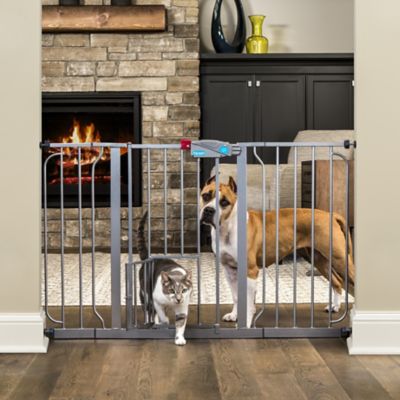
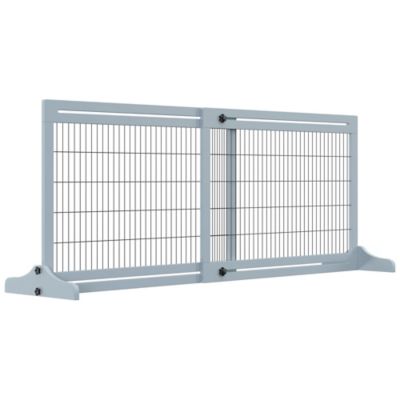
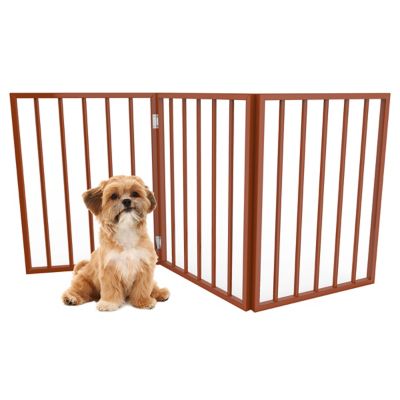
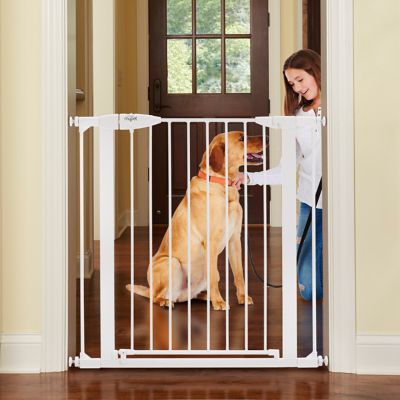
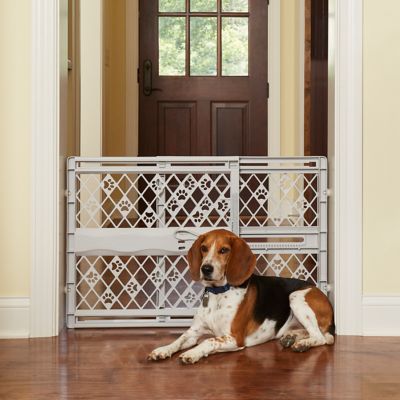
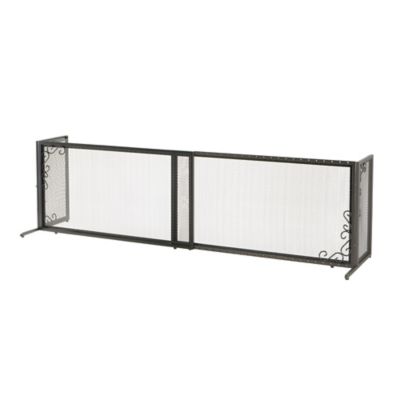
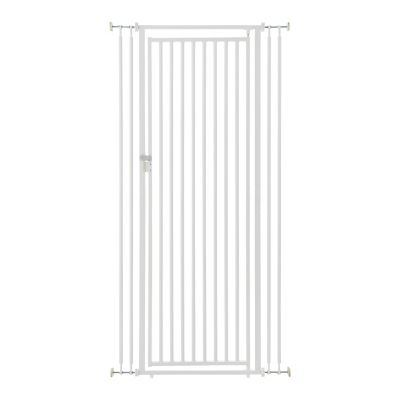
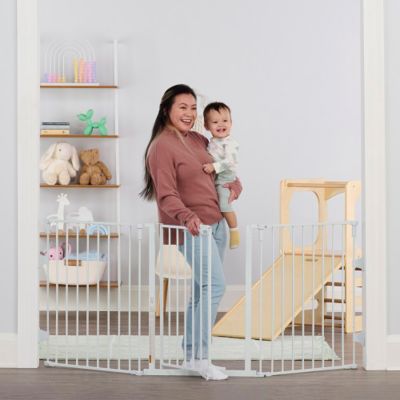
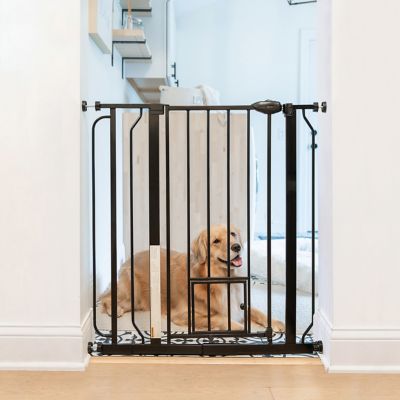
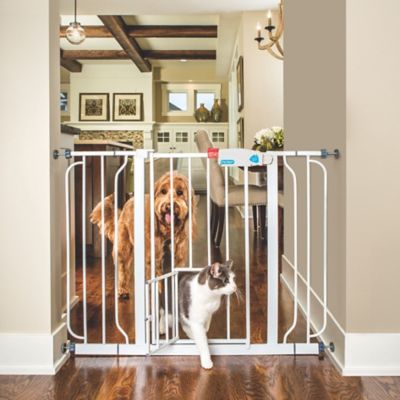
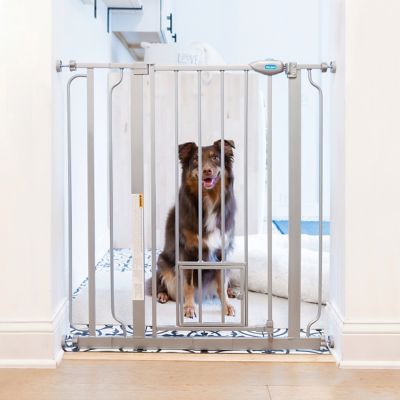
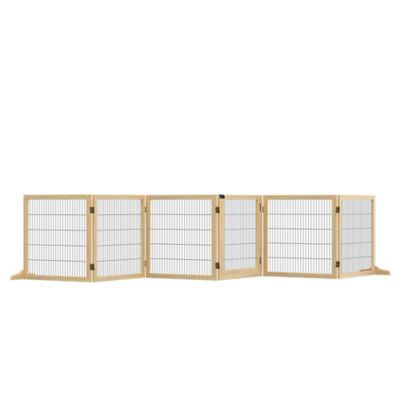
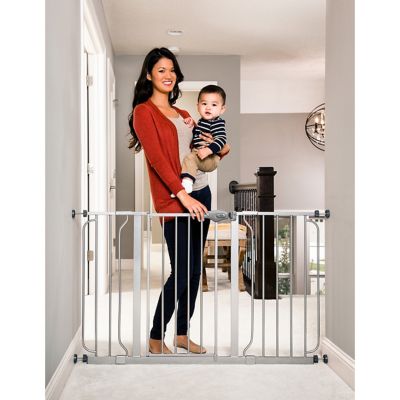
Pet gates for stairways help keep dogs and other household pets away from steps while giving people a way to move between floors. They can make a difference in a farmhouse with a steep upstairs flight, a split-level home with a busy landing, or a household where an older dog needs to stay on one level. A stairway gate serves a different purpose than a barrier across a level hallway, though, so its mounting method and intended placement matter. For the top of stairs, the right choice is a hardware-mounted gate specifically approved by its manufacturer for that location. Pressure-mounted gates are not appropriate at the top of stairs because they can shift or come loose under force. Hardware-mounted designs attach to suitable structural surfaces with fasteners, creating a fixed connection rather than depending on outward pressure. Gates approved for stair-top placement often have a swinging panel without a floor-level crossbar, helping keep the walking path clear. A directional stop can keep that panel from swinging out over the steps. At the bottom of a staircase, placement and mounting still need to follow the gate manufacturer’s directions; not every doorway gate is intended for stairways. The opening itself also shapes the choice. A straight run between two solid walls presents a different setup than a landing with a wall on one side and a wooden banister on the other. Baseboards, rounded posts, uneven trim and angled walls can all affect where mounting points sit. Width measurements at the intended upper and lower attachment points help reveal those differences. The gate’s stated opening range, mounting requirements and clearance instructions are more useful than a width measurement alone. Banister adapters may help with some layouts, but their suitability depends on the gate, the railing and the manufacturer’s approved installation method. A gate should never depend on a loose railing or weak trim for support.
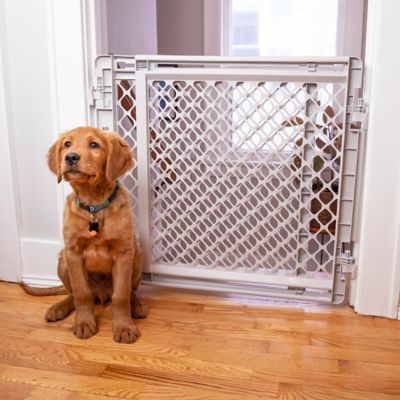
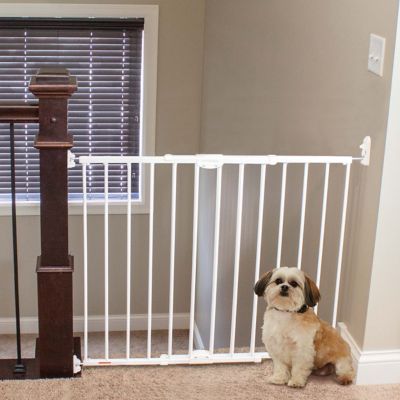
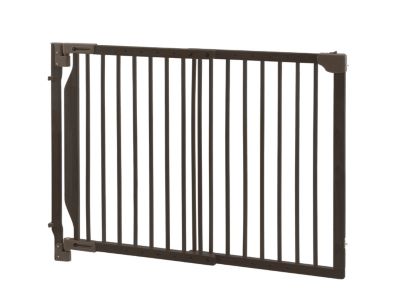
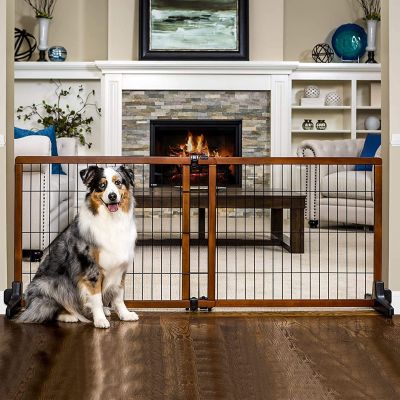
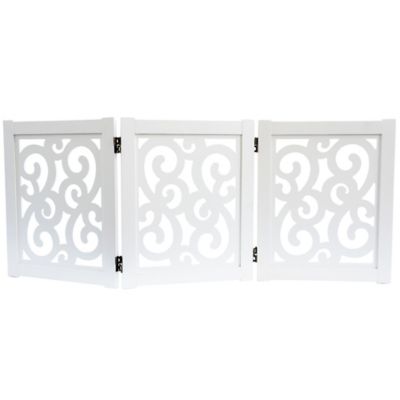
Materials and construction affect how a stairway pet gate fits into daily life. Metal gates commonly have narrow vertical bars and a finish that wipes clean after contact with muddy paws or a dog’s nose. Steel construction can provide a firm barrier, while wood brings a warmer look alongside stair rails, flooring and door trim. Wood needs extra consideration around dogs that chew, and any gate with bent bars, loose joints, splintering or damaged latches needs attention before it returns to service. Fabric and mesh barriers offer a different appearance, but flexibility alone does not make a gate suitable for stairs; manufacturer approval for the exact placement remains essential. Across materials, smooth edges, secure connections and protected hardware matter where a curious pet sniffs, paws or leans against the barrier. Height should match the animal’s size and behavior, not just its shoulder height. A tall dog that stands against a gate puts different demands on it than a small dog that noses along the bottom edge. Dogs that jump or climb may defeat a gate that otherwise fits the opening, and cats may clear barriers that contain a dog. Bar spacing and the gap beneath the panel deserve a close look, especially for puppies and small breeds that might squeeze through or become caught. A gate that leaves too much room underneath is not a good match simply because its overall width works. Extensions can accommodate wider openings only when the manufacturer approves them for that gate and stairway location. For people passing through, the walk-through width and latch operation make a difference. Carrying a laundry basket upstairs is easier with a gate that opens comfortably and closes securely, but convenience should not replace a positive latch check. Self-closing mechanisms have operating limits, and a panel that looks nearly shut may not be latched. In a busy household, everyone needs to recognize what fully closed looks and feels like.
The best fit for everyday use also depends on why a pet needs a boundary. A puppy still learning household manners may need separation from a flight of steps while someone works nearby. A dog recovering from a procedure may need restricted stair access under a veterinarian’s direction, while a senior companion may be more comfortable with a bed, water and family activity on the same floor. A gate can support those arrangements, but it does not replace supervision, training or veterinary advice. Pets that charge, chew or scramble over barriers may need a different containment plan rather than a taller gate alone. Familiar bedding and a resting spot away from the landing can help make the permitted space more inviting. Introductions are easier when a pet has time to investigate the barrier calmly, with rewards for settling on the intended side. For homes with several animals, the setup needs to suit each pet rather than only the largest one. A small pass-through opening, for example, can undermine stair restriction for a puppy or compact dog. Households comparing stairway options with barriers for rooms and hallways can explore
Pet Gates while keeping each location’s mounting requirements in mind. Once installed, a gate benefits from regular checks of screws, brackets, hinges and latch alignment, particularly after repeated contact from an energetic dog. Cleaning should follow the material and finish instructions, with pet hair and grit cleared from moving parts so the latch can engage properly. Changes in the opening, loose mounting surfaces or a growing pet can call for another look at the fit. Pet gates are not automatically child safety gates, either; homes with young children need a barrier that meets the applicable child safety requirements for its intended location. A well-matched stairway gate works as part of the household routine: firmly mounted, fully latched and suited to the pet on either side.