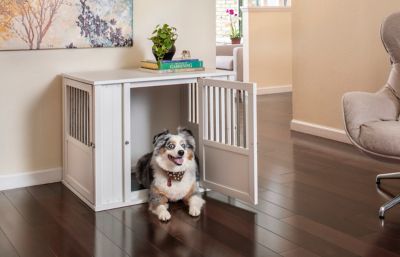
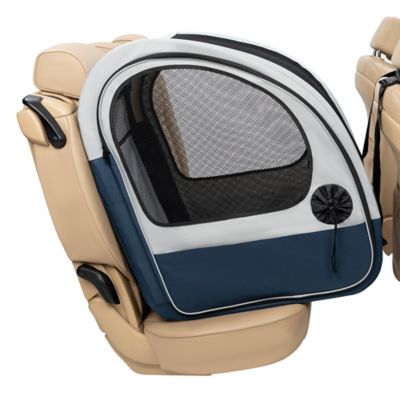
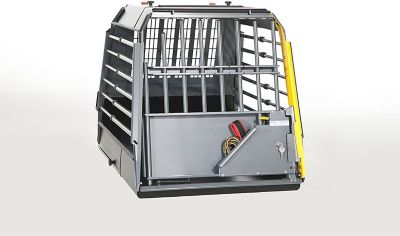
A dog crate can make a thoughtful gift for a pet owner when it fits both the dog and the way the household runs. It gives a crate-trained dog a familiar resting spot while helping the owner keep that space organized, whether it sits beside a living room chair or in a quiet corner away from the kitchen traffic. For someone welcoming a new dog, replacing an outgrown crate, or setting up a second resting area, the gift has a practical purpose that lasts well beyond the occasion. When comparing
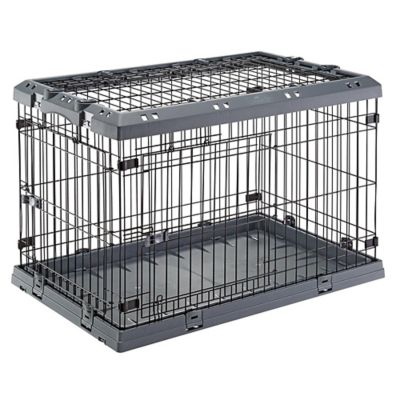
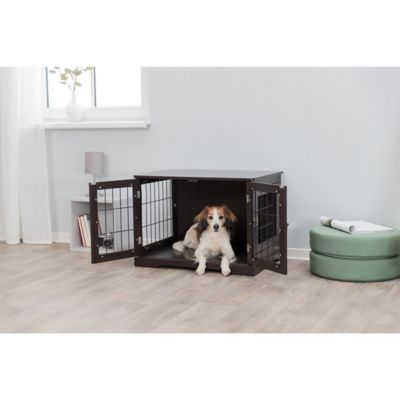
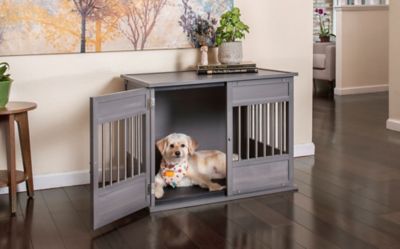
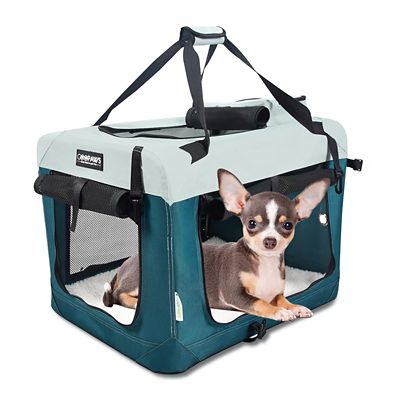
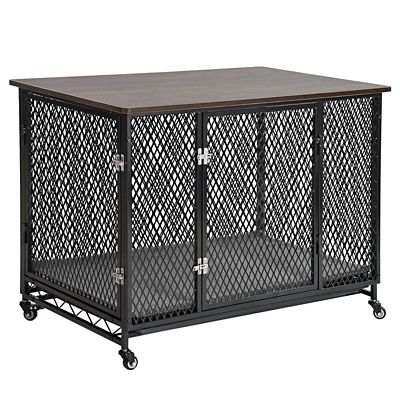
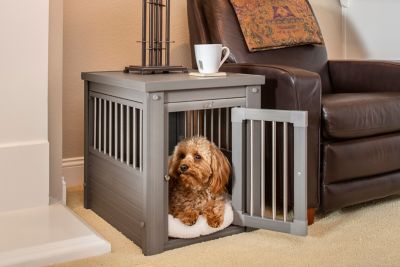
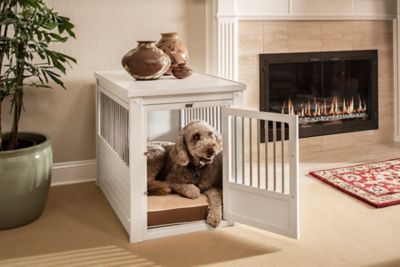
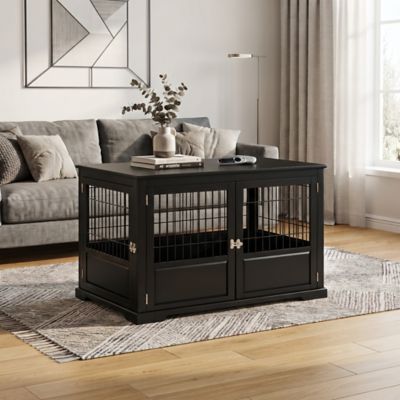
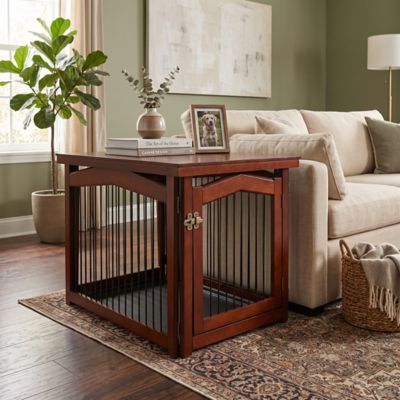
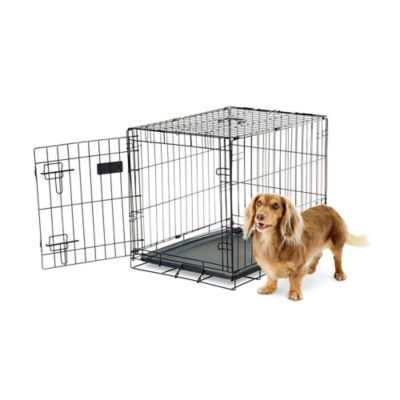
Nice Dog Crates for a gift, the dog’s size, habits, and comfort matter more than appearance alone. Furniture-style crates can bring a pet’s resting area into the room without making it feel separate from the rest of the home. Wood panels, wood-based surfaces, and metal bars create different looks, from simple painted finishes to warm wood tones that sit comfortably beside a sturdy armchair. Some designs include a tabletop, shelf, or drawer, giving the owner a place for small household belongings while the dog rests below. Those features work best when the structure is intended for that purpose and anything placed on top stays within the maker’s weight limits and out of the dog’s reach. Open wire crates offer visibility and airflow, while molded plastic crates usually have more enclosed sides and ventilation openings. Fabric-sided crates are generally better suited to calm, crate-trained dogs than pets that scratch, chew, or push against an enclosure. A settled adult dog that already enjoys a den-like space may be a good match for a furniture-style crate, but no crate should be assumed to resist determined chewing simply because it has metal bars. A conversation with the recipient about their dog’s habits can turn a well-meant gift into something that fits everyday life, rather than a piece that looks good but does not suit the pet.
Fit is the foundation of a useful dog crate gift. The dog should have enough room to stand naturally, turn around, and lie down comfortably without crouching or being pressed against the sides. Breed names and weight ranges can help narrow the field, but body measurements tell more of the story. A long-bodied dog and a taller dog may weigh about the same while needing very different interior dimensions. Measuring from the nose to the base of the tail, along with standing height to the highest point of the head or upright ears, gives the recipient a starting point for checking the maker’s sizing directions. Interior measurements matter more than the outside footprint, especially with furniture-style frames that add thickness around the enclosure. A growing puppy may benefit from a crate with a properly fitted divider, provided that feature is part of the design; it allows the resting area to expand as the puppy grows. Door placement also affects how easily a crate fits into the home. A side door may make sense beside a couch, while a front-opening door may work better in a narrow nook. The door needs room to open without hitting furniture, and the owner should be able to reach the latch comfortably. Consider the path through the room, too: a crate should not turn the route from the kitchen to the back door into an obstacle course. Secure latches, smooth edges, and appropriately spaced bars are worth attention, especially for a dog that paws at a door or noses around the frame. Folding construction can be handy for someone who needs to move or store a crate, while a fixed furniture-style enclosure is better suited to a settled spot. For car travel, suitability depends on the crate’s intended purpose, secure placement, and any documented travel protections; a crate that looks sturdy at home is not automatically designed to protect a dog in a collision.
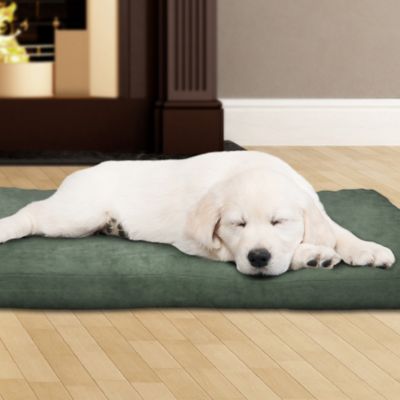
Materials and cleanup details shape how a crate holds up to daily life. Metal wire is easy to see through and often straightforward to wipe down, though joints, coatings, and corners still need regular checks for damage. Plastic surfaces can simplify cleanup after a muddy pawprint or a spilled water bowl, while ventilation openings and door hardware need attention as well. Wood and wood-based panels call for care that matches the finish, since standing moisture, harsh cleaners, and repeated chewing can damage them. A removable tray can make routine cleaning easier, and access to the floor beneath the crate helps keep stray hair from gathering along the edges. If a cushion or mat is included, its fit and cleaning directions matter just as much as how soft it feels. Bedding should not bunch up around the doorway, and dogs that tear or swallow fabric may need a different setup based on advice from their veterinarian. Furniture-style storage also works best when treats, medications, and cleaning supplies remain securely out of reach. For the recipient, the most meaningful details are often ordinary ones: a latch that opens without a wrestling match, a tray that comes out without moving the whole crate, or a doorway that lets an older dog step in comfortably. Crates belong in a routine that includes exercise, bathroom breaks, company, and time outside the enclosure. They should be introduced gradually as a comfortable resting place, not treated as punishment or a fix for distress when a dog is left alone. Collars and harnesses can snag on crate hardware, so removing them before crating is an important safety precaution. As a birthday, housewarming, or welcome-home gift for a dog owner, a thoughtfully matched crate supports the routines the recipient already has. Checking the dog’s measurements and the owner’s preferences beforehand keeps the focus where it belongs: a comfortable pet and a useful addition to the household.