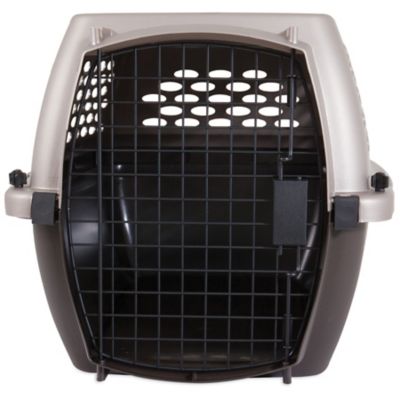
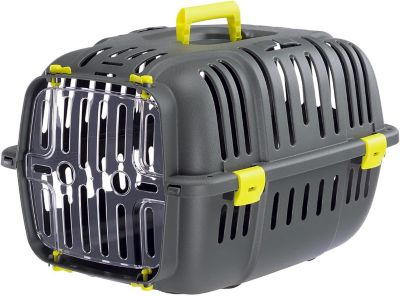
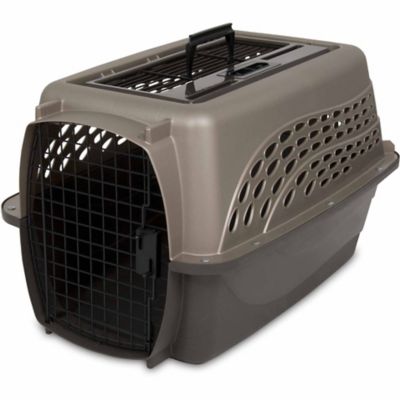
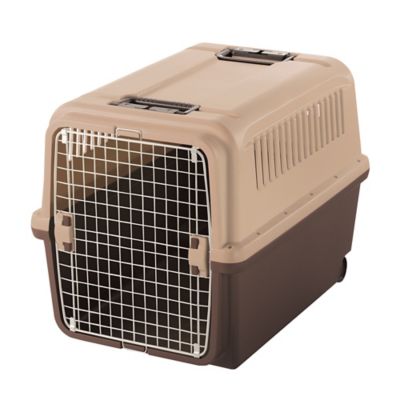
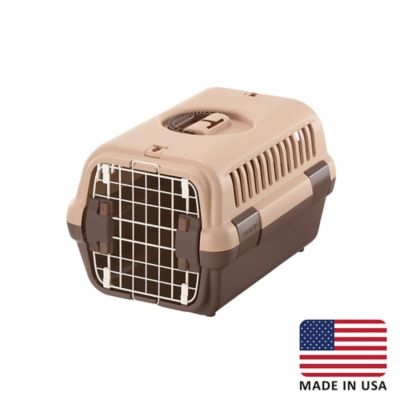
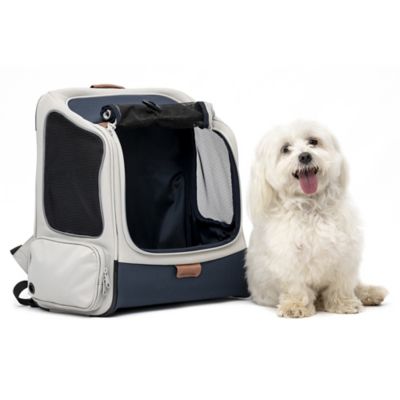
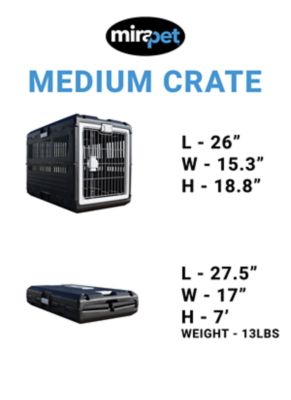
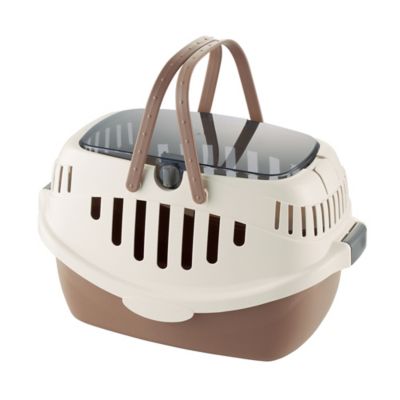
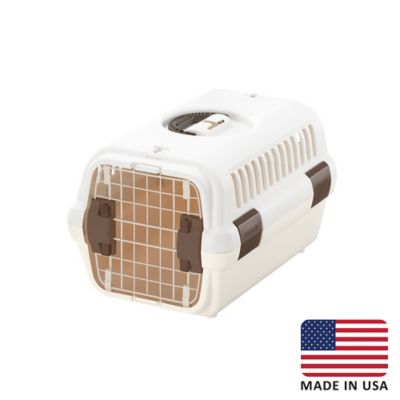
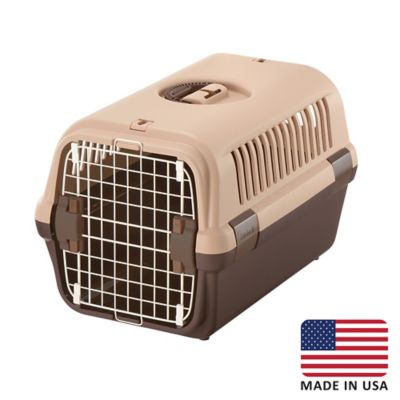
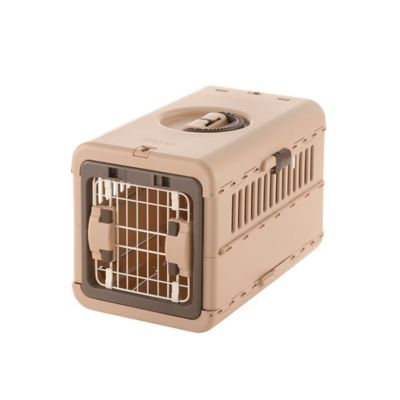
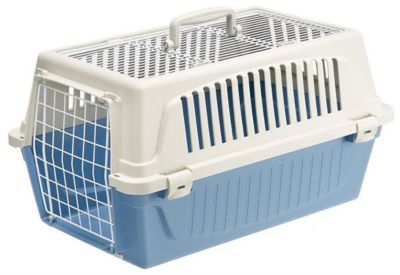
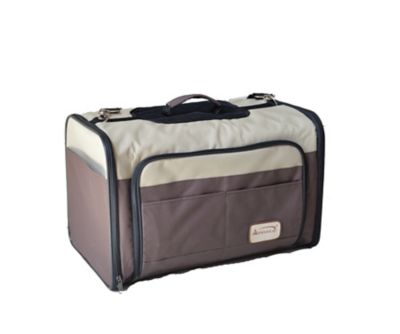
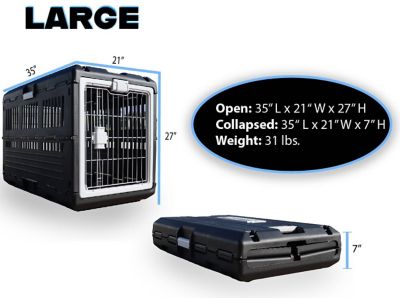
Pet carriers make it easier to bring cats, small dogs, rabbits, and other companion animals along for the ride while giving them a secure place to settle in. They can be handy for trips to the veterinarian, visits with family, grooming appointments, overnight stays, and moves across town or across the country. A carrier may also help keep a nervous pet from darting through an open door or hiding under the truck seat when travel plans get busy. For many pets, a carrier becomes a familiar little den rather than a source of stress, especially when it is introduced at home before the first trip. Leave it open in a quiet room with a soft towel, a favorite toy, or a few treats inside, and let your pet sniff around on their own schedule. A cat that once planted all four paws on the floor may eventually curl up inside while the carrier sits by the laundry room, and that early practice can make the next vet visit go much more smoothly. Look for a size that gives your pet enough room to stand, turn around, and lie down without being so large that they slide around during transport. Measure your pet from nose to the base of the tail and from the floor to the top of the head or ears, then compare those measurements with the carrier’s interior dimensions. Keep in mind that a carrier for a young pet may need to be replaced as they grow, while a full-grown animal may benefit from a sturdier option built for regular use.
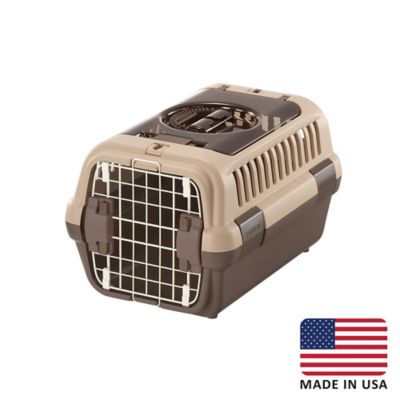
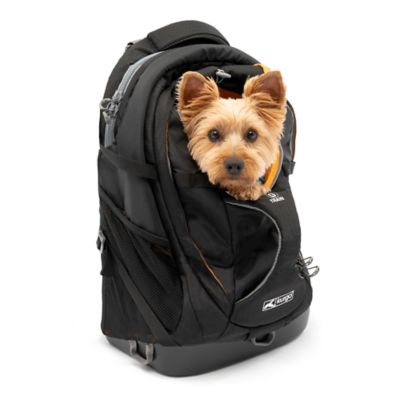
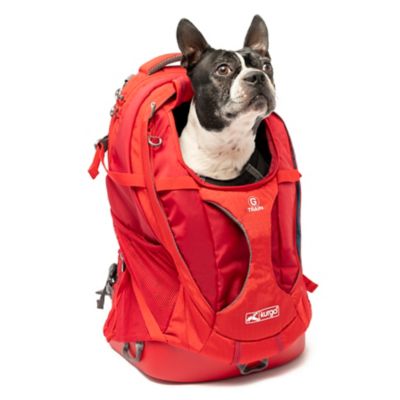
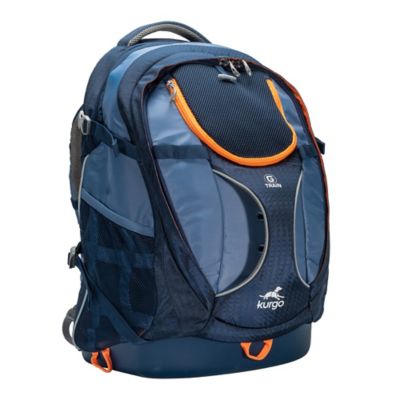
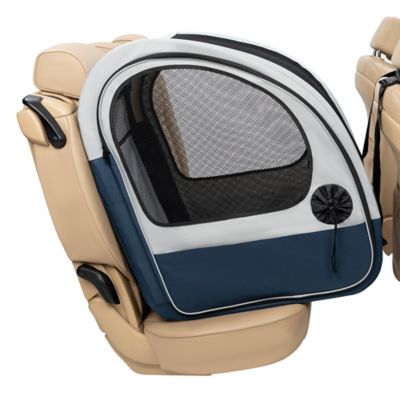
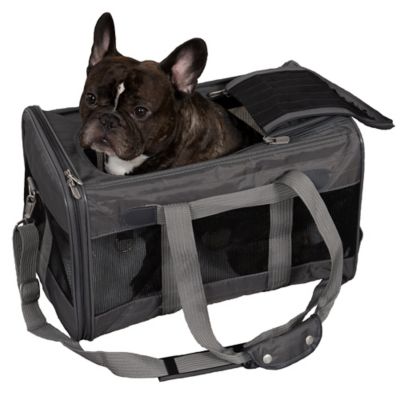
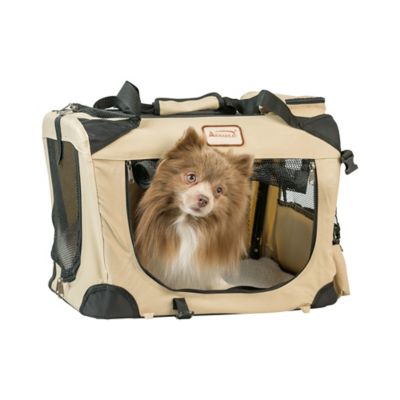
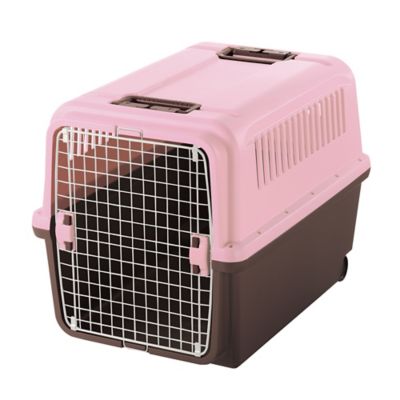
The right carrier depends on your pet, your usual route, and the way you plan to carry it. Soft-sided styles are often light and easy to store, making them a practical choice for cats and small dogs that travel by hand or ride comfortably in a vehicle. Firm-sided carriers can offer added structure, dependable protection, and simpler cleanup when a pet sheds, has an accident, or tracks in mud from the barnyard. For car trips, check for secure doors, strong latches, and a shape that can be positioned level on the seat or floor. A carrier should not slide, tip, or block the driver’s view, and it is wise to keep your pet safely contained rather than letting them roam loose in the cab. Good airflow matters in every season, particularly when the sun is bright and the vehicle warms up quickly. Ventilation openings should allow steady air movement without creating wide gaps where a curious paw or collar could catch. A padded bottom can make a long ride more comfortable, while a washable liner helps with everyday messes. If your plans include a longer drive, take a few short practice rides first and bring water, familiar bedding, cleanup supplies, and any medications your pet needs. Never leave an animal unattended in a parked vehicle, even when the outside air feels mild. For more ideas on preparing a feline travel setup, visit
Cat Carriers for Road Trips. During the warmer stretch of the year, keep carriers out of direct sun and give pets plenty of fresh air before loading up; during cooler months, a cozy blanket can help take the chill off without covering ventilation panels.
A pet carrier can be a thoughtful gift for someone bringing home a new kitten, puppy, rabbit, or other small companion, and it is just as useful for an experienced pet owner replacing a worn-out carrier. New pet parents often appreciate practical supplies that make those first vet appointments and family visits less hectic. When choosing a carrier as a gift, a neutral color and a washable interior are safe, useful choices, but it still helps to learn the animal’s approximate size and whether the recipient prefers a lightweight carrier, a structured model, or something suited to car travel. Handle quality, zipper or latch strength, door placement, and ease of cleaning all matter more than extra decoration. If the carrier will be used around a farm, workshop, or busy household, choose materials that can stand up to frequent handling and keep small openings away from curious paws. Check the carrier before every trip for loose stitching, cracked plastic, bent hardware, or a door that does not close firmly. Place it on a stable surface, carry it from the intended handle rather than a loose strap, and keep identification information with your pet in case plans change unexpectedly. With a little practice and the right fit, a carrier can turn a hurried dash through the rain, a dusty country road, or a chilly ride to the clinic into a calmer experience for both you and your pet.