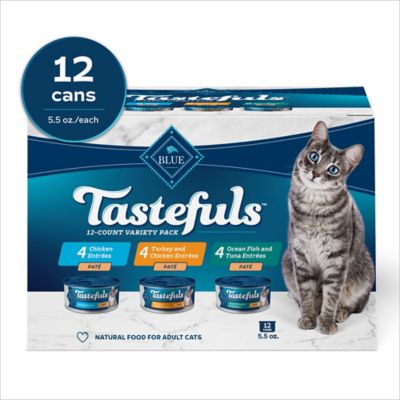
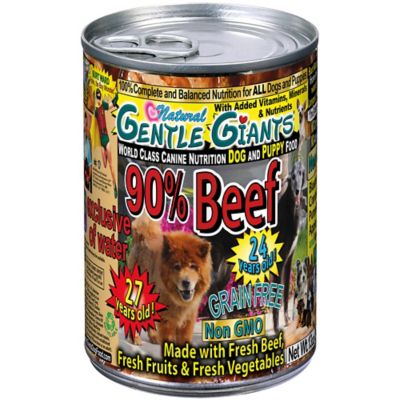
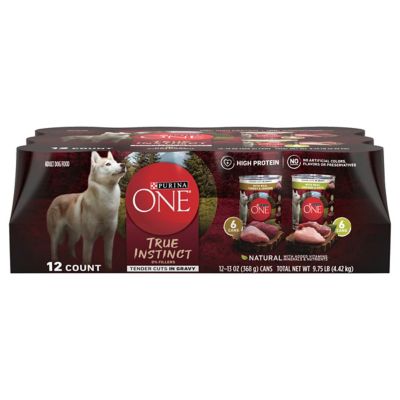
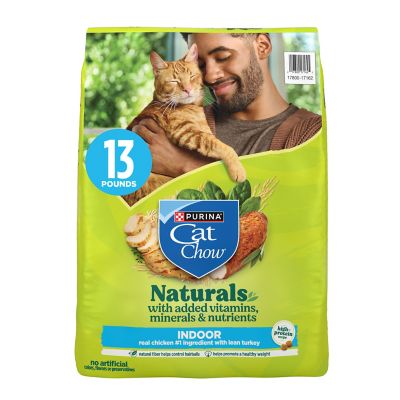
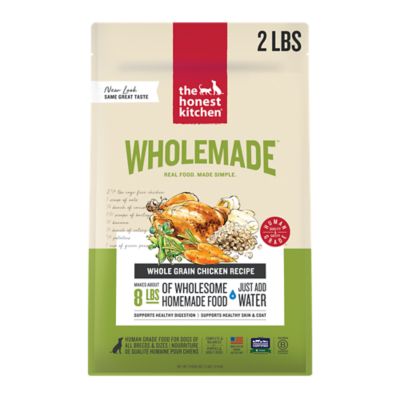
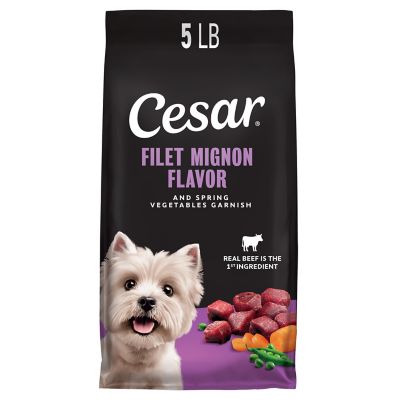
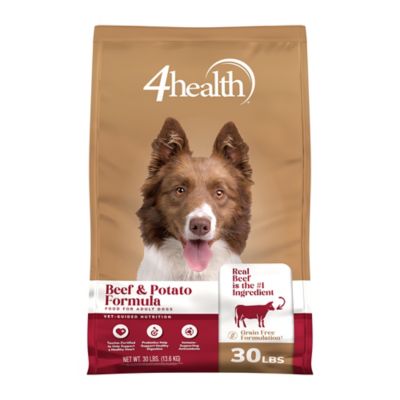
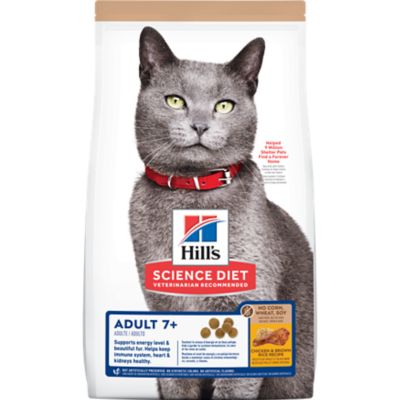
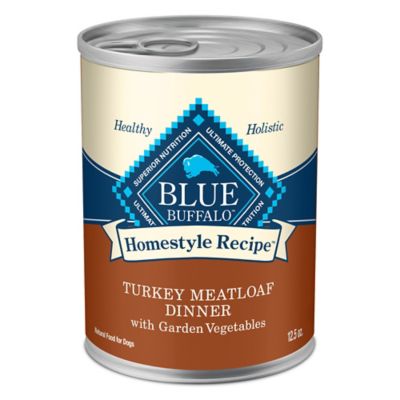
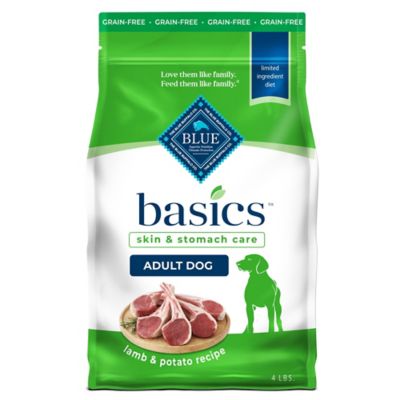
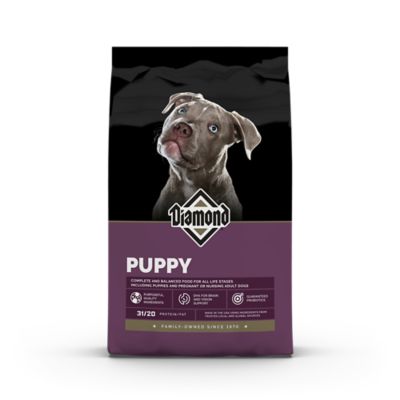
Natural food for pets can be a good fit for dog and cat owners who want to take a closer look at what goes in the bowl each day. These recipes often focus on recognizable ingredients such as named meat, poultry, fish, vegetables, eggs, and wholesome grains, while leaving out artificial colors, unnecessary fillers, and some chemical preservatives. Still, “natural” can mean different things from one package to the next, so the ingredient list and guaranteed analysis are worth a careful read. Look for a clearly named protein near the beginning of the list, a recipe that suits your pet’s age and activity level, and complete-and-balanced nutrition when the food will make up most of the diet. Puppies, kittens, pregnant pets, working dogs, older animals, and pets with medical concerns may have very different nutritional needs. A farm dog that spends the day covering fence lines may need more calories than a couch-loving companion, while a senior cat may do better with a food chosen around weight, hydration, or dental considerations. Natural food is available in several forms, including dry kibble, canned and other wet recipes, dehydrated food, freeze-dried food, and frozen raw formulas. Dry food is handy for busy mornings, travel, and measured portions, while wet food adds moisture and can be easier for some pets to chew. Explore
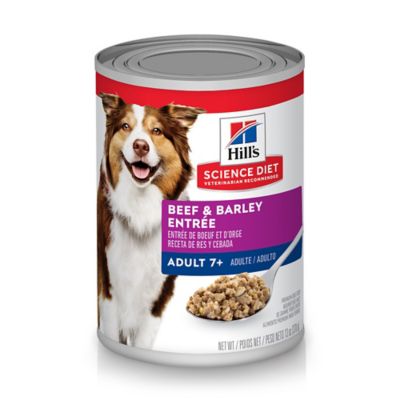
Natural Wet Dog Food when you are looking for a moisture-rich meal or a flavorful topper for a dog that turns up its nose at a dry bowl. Dehydrated and freeze-dried foods are convenient to store and may be rehydrated with water according to the package directions. Frozen raw diets use minimally processed ingredients, but they call for thoughtful handling, dependable freezer space, and careful cleanup around children, guests, and other animals. Keep in mind that a natural-looking label does not replace proper nutrition, and homemade additions should stay a small part of the overall feeding plan unless a veterinarian or veterinary nutritionist has helped you build a complete recipe.
Choosing food is also about your pet’s own habits. A limited-ingredient recipe with one primary protein may be useful for owners who are trying to narrow down possible food sensitivities, although itching, ear trouble, vomiting, or ongoing digestive upset deserves a veterinarian’s attention rather than a guess at the feed store. Read the feeding directions as a starting point, then adjust with your pet’s body condition, energy, stool quality, and weight in mind. A healthy pet should have steady energy, a suitable body shape, and regular stools; a sudden change in any of these can signal that the food, portion, or feeding routine needs a second look. When changing diets, blend the old and new food gradually over roughly seven to fourteen days. Begin with a small amount of the new recipe, increase it little by little, and slow down if loose stool or a reluctant appetite shows up. Fresh water should be available all day, especially when feeding dry food, during hot weather, or after a long romp outside. Simple whole-food toppers can add variety, too. Plain pumpkin may help support normal digestion for some pets, cooked unseasoned egg can provide extra protein, and a small amount of plain sweet potato offers fiber and beta-carotene. Bone broth can add moisture and scent to a meal, but choose a pet-safe option without onions, garlic, excess salt, or seasonings. Treats, toppers, and table scraps should generally stay to about 10% of daily calories so they do not crowd out the balanced food your pet relies on. Avoid foods that are toxic to pets, including chocolate, grapes and raisins, onions, garlic, xylitol, alcohol, and heavily seasoned or fatty leftovers. Even wholesome ingredients can cause trouble when served in large amounts, so a spoonful or a few bites is plenty for most pets.
Natural pet food can be useful for households with one beloved companion, a busy family with several bowls to fill, or a working animal that needs dependable fuel from morning chores through the cooler months. It can also make a thoughtful gift for a new pet owner, a neighbor welcoming home a rescue animal, or a friend who enjoys spoiling a four-legged family member. If you are giving food as a gift, choose a modest size unless you know the pet’s age, dietary restrictions, and preferred protein. A feeding mat, storage container, measuring scoop, or a few single-ingredient treats may be a safer choice when the household’s routine is unfamiliar. Store food in a cool, dry place, keep the original packaging for ingredient and lot information, and seal opened bags or containers tightly to protect freshness from humidity and barn dust. Refrigerate opened wet food and follow the package guidance for how long it remains safe; do not leave moist food sitting in a warm bowl for hours. Wash bowls regularly, scoop with clean hands, and clean counters and utensils after handling raw or freeze-dried raw diets. During warmer weather, carry food in an insulated container and avoid leaving it in a parked vehicle. As the seasons turn and pets spend more time indoors, measured meals, regular activity, and a familiar feeding schedule can help prevent extra pounds from sneaking on. Any major change in appetite, thirst, weight, digestion, or behavior should be discussed with a veterinarian. With a little label reading and attention to the animal in front of you, natural food can become a practical part of a steady routine—whether that routine happens in a kitchen, a kennel, or beside the back steps after a long day outdoors.