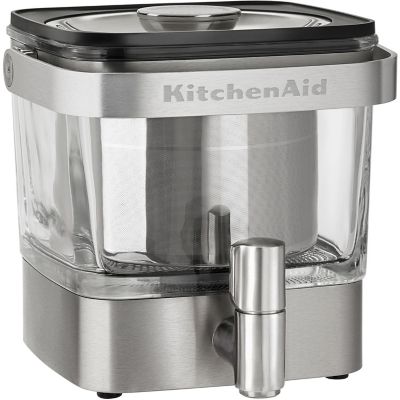
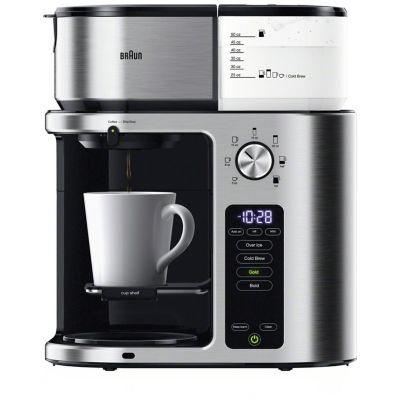
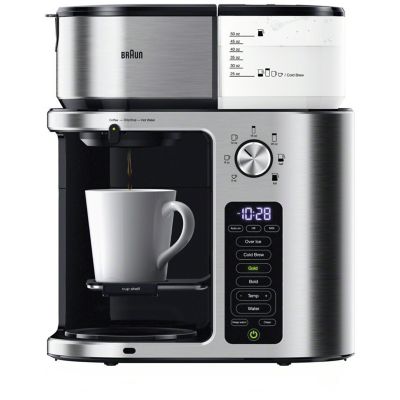
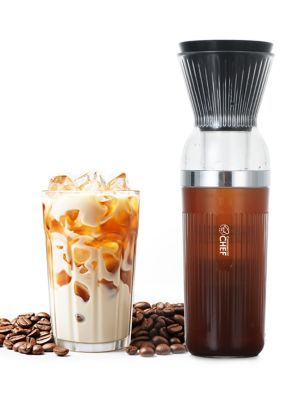
Cold brew coffee makers for home turn coffee grounds and water into a smooth, full-flavored drink without the hot-water brewing process of a standard drip machine. Instead, the grounds stay in contact with cool water long enough to draw out their flavor, often producing a cup that tastes less sharp than hot-brewed coffee poured over ice. Traditional immersion brewers generally need about 12 to 24 hours, depending on the coffee, grind, brewing location, and maker’s directions. That makes them a good fit for a make-ahead routine: get a batch going before supper, then have coffee ready after the next morning’s feed rounds. Pitcher-style makers combine a brewing vessel with a removable filter, keeping the setup simple and the number of loose parts down. Separate brewing chambers drain finished coffee into another container, while dispenser-style makers have a spigot for filling a glass without lifting the whole batch. Slow-drip designs let water pass gradually through the grounds rather than holding everything together in one vessel. Electric cold brew machines may shorten the process through circulation or agitation, though brewing time and the finished flavor depend on the design. The distinction between concentrate and ready-to-drink coffee matters just as much as the brewing method. Concentrate is brewed at a stronger coffee-to-water ratio and is meant to be diluted to taste; ready-to-drink coffee needs little or no added water. Neither style has one fixed strength across every brewer or recipe. A household that fills several travel mugs may prefer a larger batch, while one coffee drinker may find a smaller pitcher easier to finish and tuck into the refrigerator. Listed vessel capacity does not always equal the amount of finished coffee, since grounds hold onto some water and filters take up space. Serving size also changes when concentrate, milk, water, and ice enter the picture, so finished yield is worth considering alongside the size printed on the container.
Materials and everyday handling make a real difference in how a home cold brew maker fits into the kitchen. Glass makes it easy to see the coffee level and generally resists lingering odors, but it needs careful handling around sink edges, stone counters, and sudden temperature changes. Stainless steel suits a busy kitchen where a pitcher may get carried from the counter to the table several times a day, although an opaque body makes the remaining amount harder to judge at a glance. Food-contact plastic can keep a filled brewer lighter, which is helpful when a large glass vessel would be awkward to lift. Material care directions matter here: dishwasher suitability, scratch resistance, and limits on hot water vary. A handle with enough finger room, a steady base, and a lid that stays seated can matter more in daily use than an elaborate shape. Refrigerator fit deserves the same attention as counter space. Tall handles, wide lids, and spigots can catch on shelves or crowd nearby containers, and a full dispenser needs enough clearance to place a glass beneath its tap. A sealed lid helps protect the coffee from refrigerator odors, but it does not automatically mean a pitcher can lie on its side without leaking. Filter construction affects both the cup and the cleanup. Fine stainless steel mesh can be rinsed and put back to work, though some fine sediment may pass through. Paper filters generally catch more sediment and coffee oils, creating a cleaner-feeling cup, but they need replacement. Cloth filters call for thorough cleaning and drying according to their care directions. Wide openings make it easier to remove wet grounds, and removable gaskets or spigot parts give better access to places where coffee oils collect. For long service life, look beyond the main vessel to the parts that get handled every day, including threads, seals, filter seams, and handle attachments.
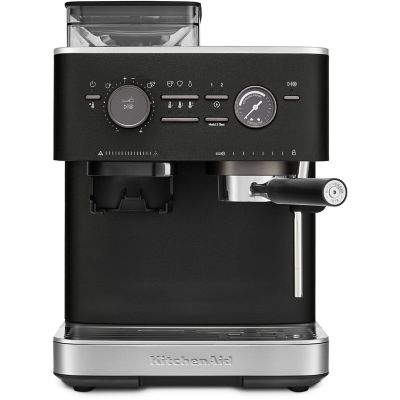
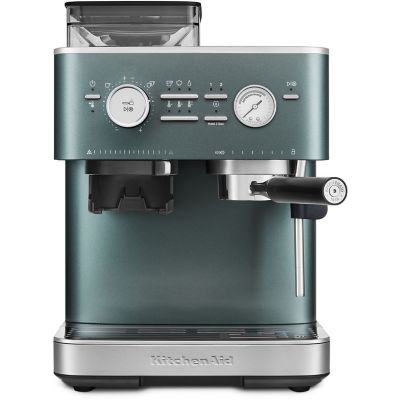
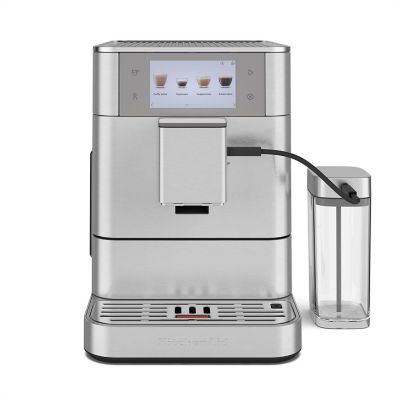
The best cold brew coffee maker for a household is one that matches the way coffee actually gets poured, carried, and shared. A compact immersion pitcher makes sense for someone who wants a straightforward batch with little counter clutter, while a larger dispenser can suit a kitchen where several people fill glasses at different times. For a person who often forgets to start an overnight batch, an electric brewer with a shorter cycle may fit the routine better than a passive steeping setup. Most immersion systems work well with a coarse grind because it is easier to separate from the finished drink, while very fine grounds can clog filters or leave more grit behind. The brewer’s directions should set the starting point, especially for electric and slow-drip designs. Roast level and coffee-to-water ratio shape the result, too: darker roasts can bring deeper roasted notes, while other coffees may show more fruit or brighter flavors. Cold brewing does not guarantee low caffeine or a particular acidity level, and a strong concentrate can contain a substantial amount of caffeine before dilution. Clear batch markings and easy-to-read measurements help keep the flavor consistent from one round to the next. Finished coffee belongs in a clean, covered container in the refrigerator, with storage time guided by the maker’s recommendations and sound food-handling practices; coffee with milk already added needs particular care. For gifting, a manageable size, comfortable handle, and uncomplicated cleanup often matter more than extra features. A cold brew maker can be a practical pick for a coffee-loving couple, someone setting up a first kitchen, or the early riser who likes a filled travel mug beside a packed lunch. Households that also enjoy concentrated hot coffee and milk drinks may find
Home Espresso Machines a useful companion category, though espresso and cold brew rely on different brewing methods. A well-matched cold brew setup earns its place through easy pouring, sensible storage, and coffee that fits the household’s pace.