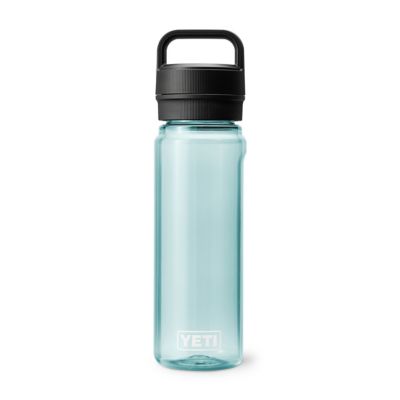
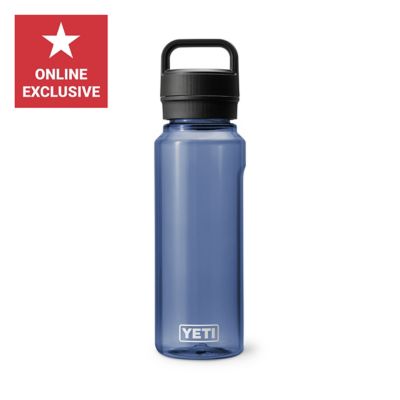
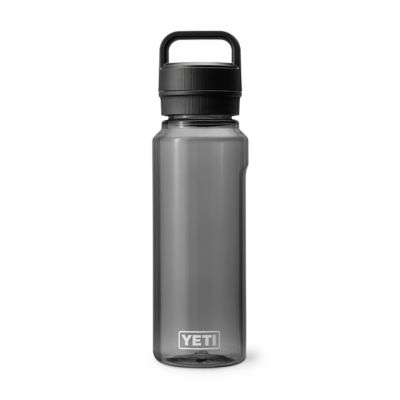
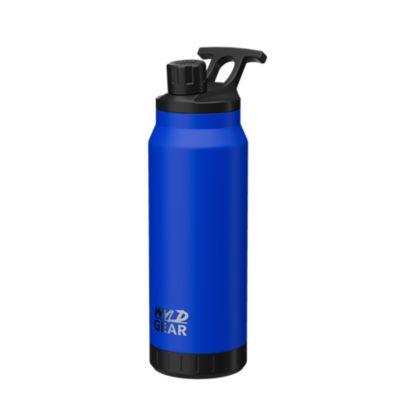
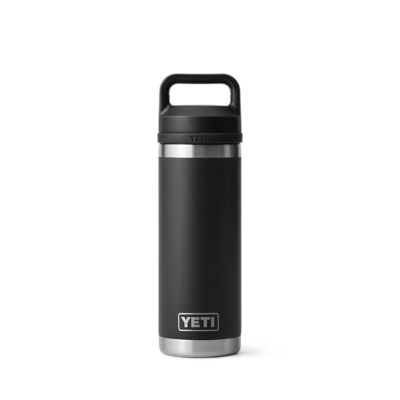
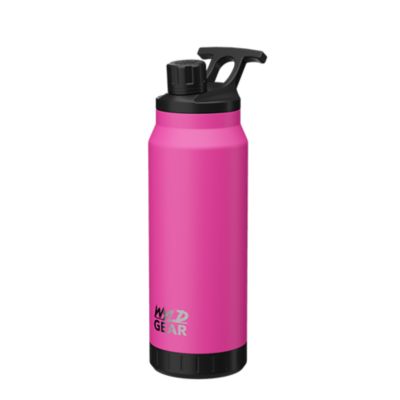
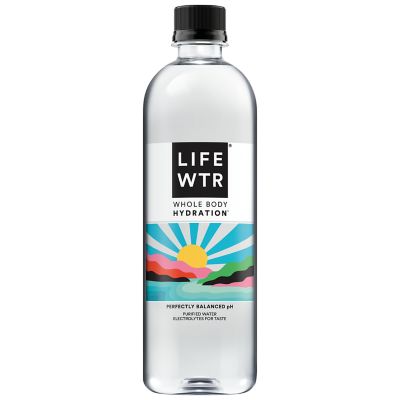
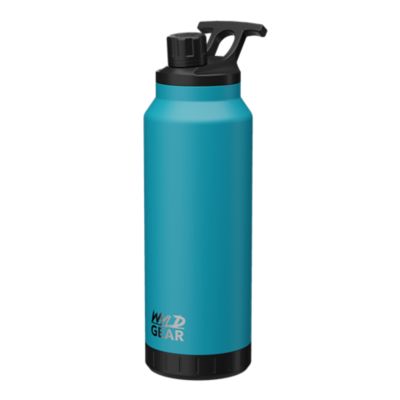
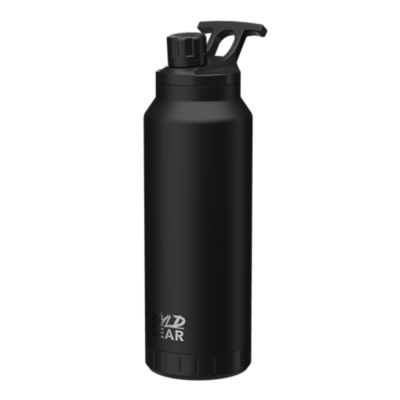
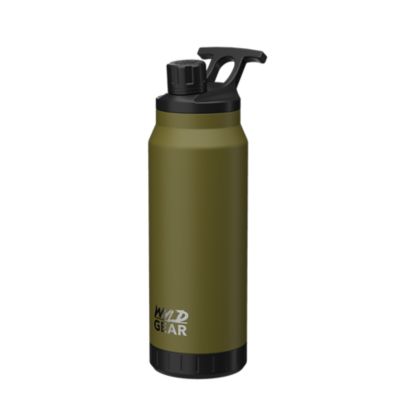
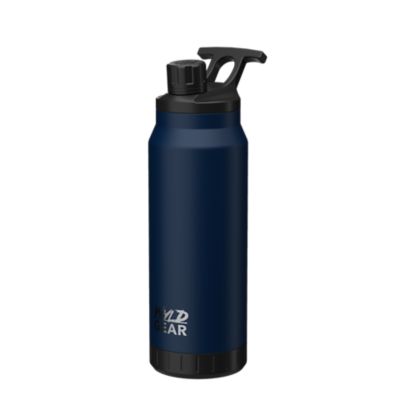
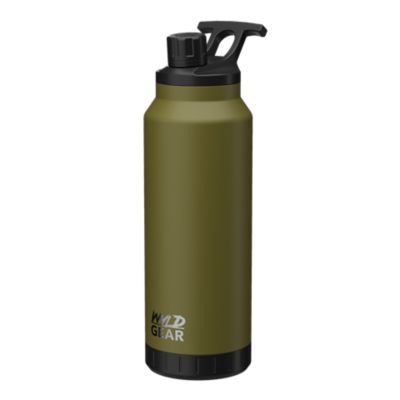
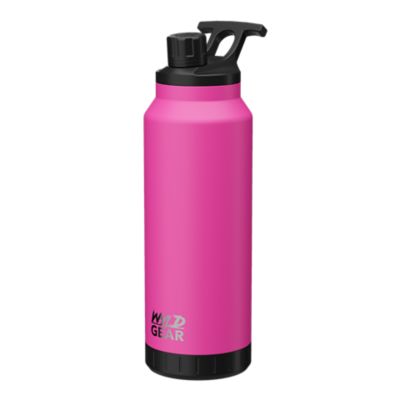
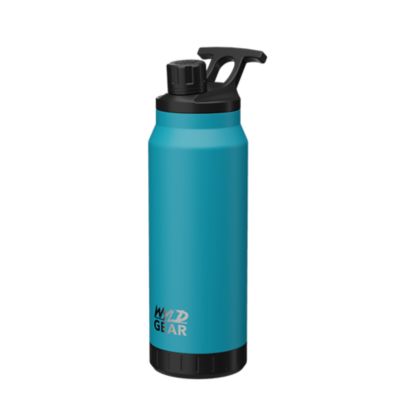
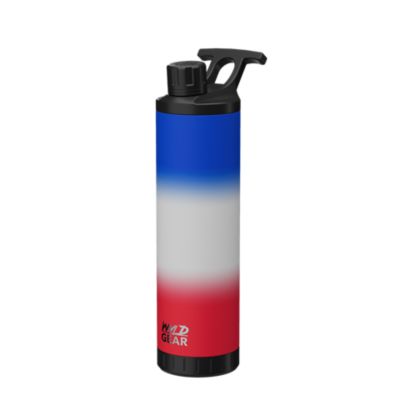
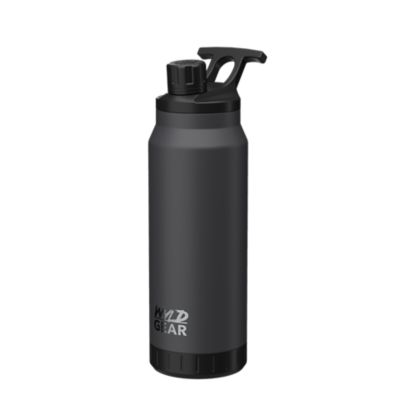
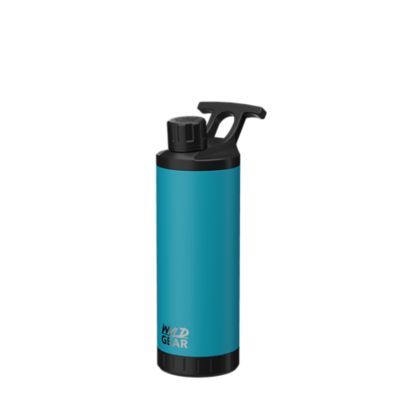
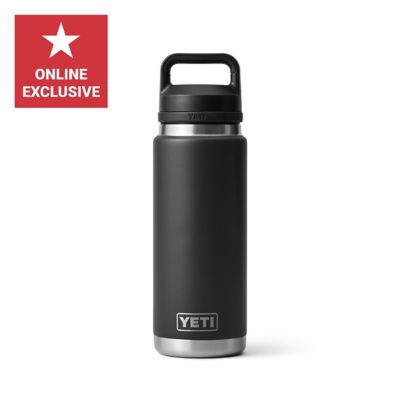
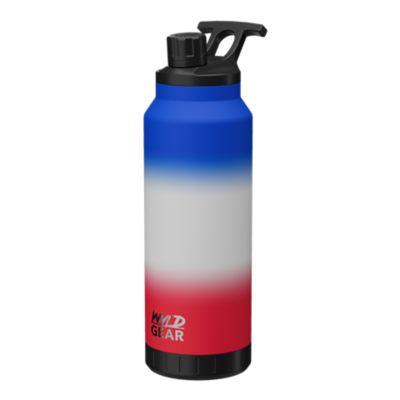
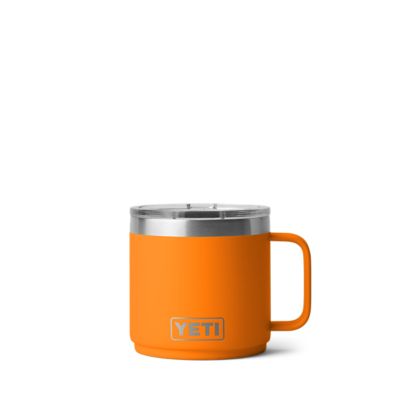
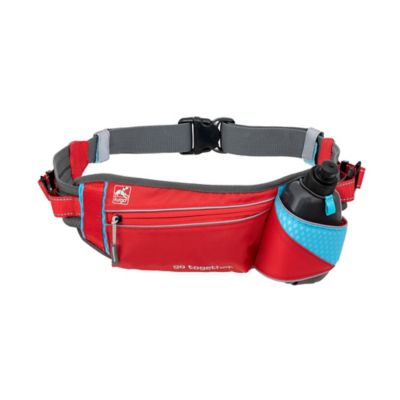
A lightweight water bottle is a reusable drinking container built to keep extra carrying weight down, whether it rides in a tractor cab, slips into a daypack or goes along for a walk down the lane. Its empty weight matters, but so do its capacity, shape and lid. Water adds about 2.2 pounds per liter, so a larger bottle can become a noticeable load once filled. For a quick trip with a refill stop nearby, a smaller capacity may be plenty; a longer stretch checking fence or walking trails calls for enough water to cover the distance between stops. The main material choices include rigid plastic, stainless steel and flexible materials that fold or roll when empty. Rigid plastic bottles generally weigh less than similarly sized insulated steel bottles, though wall thickness and lid construction affect the comparison. Some plastics are clear enough to show how much water remains, while others have a translucent or solid-colored body. High-density polyethylene, often called HDPE, can have a little give when squeezed, while copolyester bottles tend to have a firmer feel. Stainless steel offers a different balance of weight and strength, with single-wall construction generally lighter than double-wall insulated construction of similar size. Insulation helps slow changes in drink temperature, but it adds material and often takes up space that could otherwise hold water. Flexible bottles made from materials such as thermoplastic polyurethane can pack down as their contents disappear, leaving more room in a bag for lunch or an extra pair of socks. They may need support to stand upright, and their softer sides call for care around sharp tools and rough edges. No single material makes every bottle the lightest choice. Comparing empty weight at a similar capacity gives a clearer picture than comparing appearance alone, especially when a substantial handle or complicated lid adds weight to an otherwise light body.
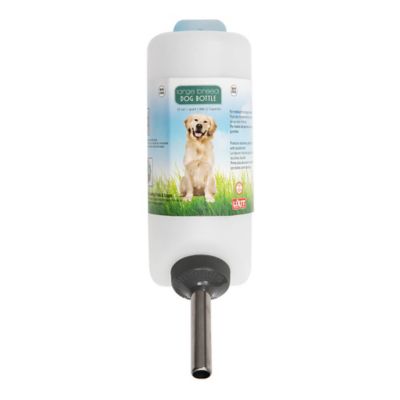
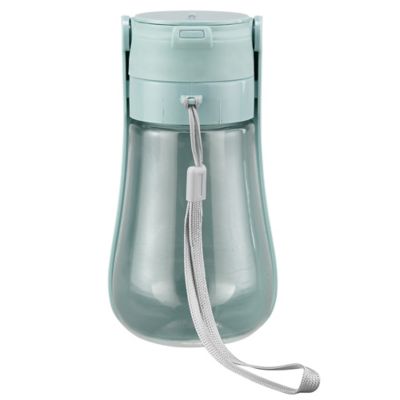
The best fit for everyday carrying often comes down to the places a bottle needs to go. A narrow base can settle into a vehicle cup holder, while a wider body may ride more securely in a roomy backpack pocket. Check the bottle’s diameter and height against those spaces, including the lid and handle, rather than counting on capacity alone. Two bottles holding the same amount can have very different footprints. A tall bottle might clear a pack pocket easily but bump the dashboard when lifted from a cup holder. A short, broad one may sit neatly beside a lunch box yet take two hands to grip comfortably. Textured surfaces, shallow grip areas and flexible bodies can help with handling, although comfort depends on hand size and how full the bottle is. Lid style makes just as much difference during the day. A screw cap offers a straightforward opening with relatively few parts to wash. A flip spout or straw lid can make sipping convenient without removing the entire top, but hinges, valves and straws create more places that need attention at cleanup time. A covered mouthpiece helps shield the drinking surface from dust along gravel roads or around the barn. For a bottle that will lie sideways in a bag, look for an explicit leakproof claim and follow the closing instructions; a splash-resistant lid is not necessarily sealed for that position. Carry loops and handles can make a bottle easier to grab from a crowded seat or tote, and an attached cap is less likely to get set down and forgotten. Wide openings give better access for a bottle brush and filling, while narrower openings can make drinking on foot more manageable. Collapsible designs earn their place when saving pack space matters, though filling and drying them may take more attention than with a rigid bottle. When a four-legged trail partner comes along,
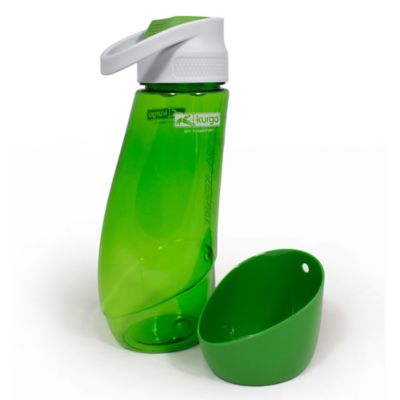
Dog Travel Water Bottles provide a separate way to carry and serve drinking water for the dog, alongside the bottle packed for the person holding the leash.
A lightweight reusable water bottle should also suit the work it will see after the first outing. Riding beside tools, rolling across a truck floor and getting tucked into a packed gear bag put different demands on a bottle than sitting on a desk. Rigid plastic can scuff or crack after hard impacts, metal can dent, and flexible bodies can be punctured, so a little protection goes a long way. A secure pocket or upright holder keeps the bottle from bouncing against equipment, and carrying loops should not be treated as load-bearing gear unless the manufacturer expressly rates them for that purpose. Before filling, check the care directions and any restrictions on beverages. Not every lightweight bottle is intended for hot liquids, carbonated drinks, freezing or dishwasher cleaning. A dishwasher-safe body may also have a cap, seal or straw that needs handwashing. Regular cleaning means more than a quick rinse: wash the bottle and drinking parts with dish soap, reach the bottom and shoulder with a suitable brush, and clean removable seals and valves as directed. Leave the parts separated to air-dry fully before closing everything up. Flexible bottles need particular attention to drying because folded sides can hold moisture. Inspect the mouthpiece, threads and seals for damage, and replace worn components when compatible replacements are offered by the manufacturer. These small habits help keep the bottle pleasant to drink from and ready for another trip. For farm chores, school, exercise or a daily drive to work, the most practical choice is one that is easy to carry, drink from and clean without making a simple task fussy. A lightweight water bottle can also make a thoughtful gift for a student, a walking partner or someone who always packs a lunch before heading out. Matching the capacity and lid to that person’s routine matters more than choosing the largest size. A bottle that fits the truck console, stays secure in a pack and opens comfortably is more likely to leave the kitchen counter and become part of the day.