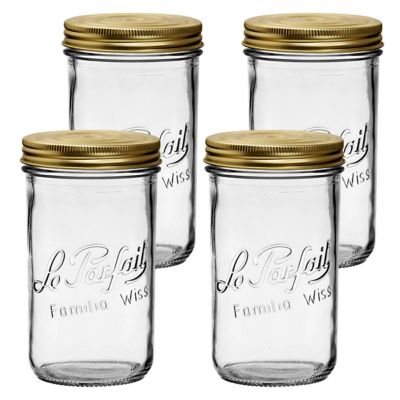
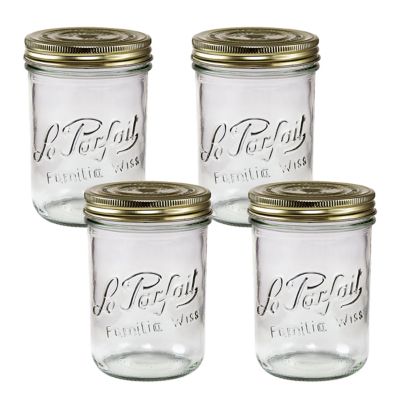
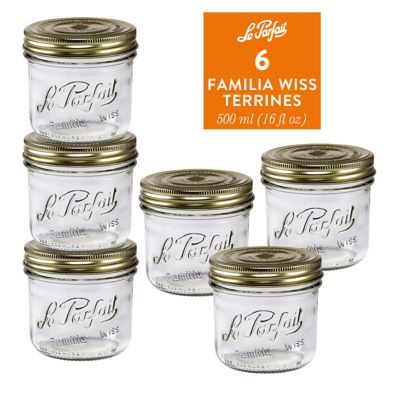
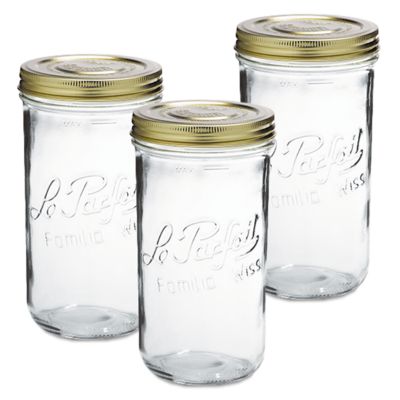
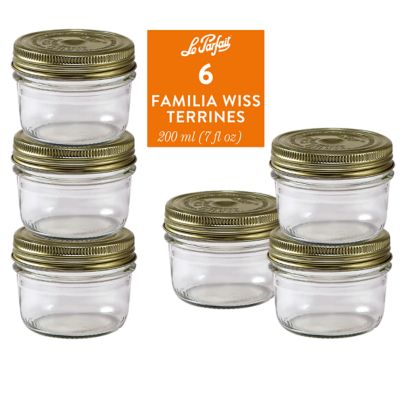
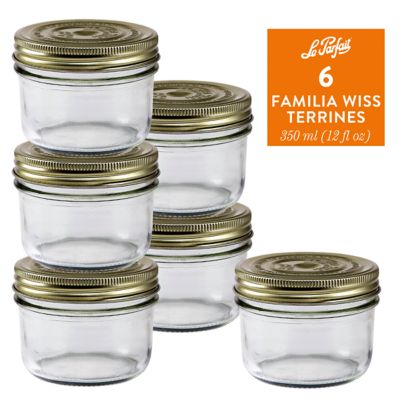
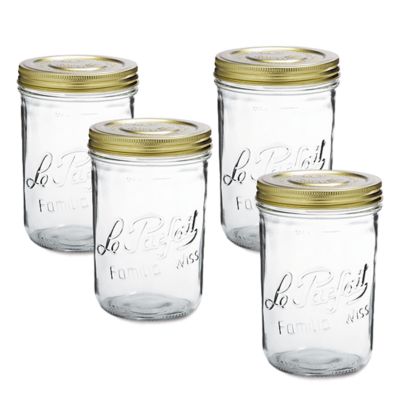
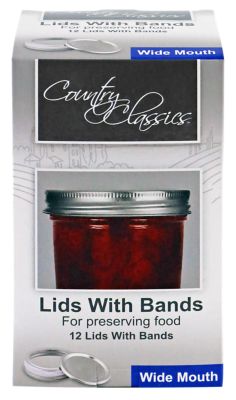
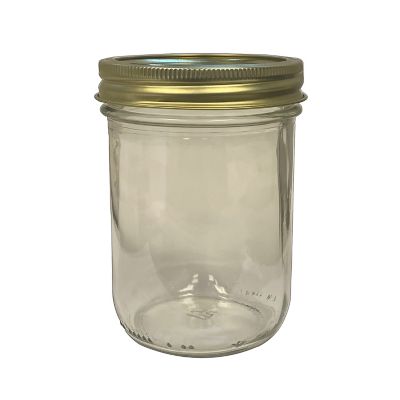
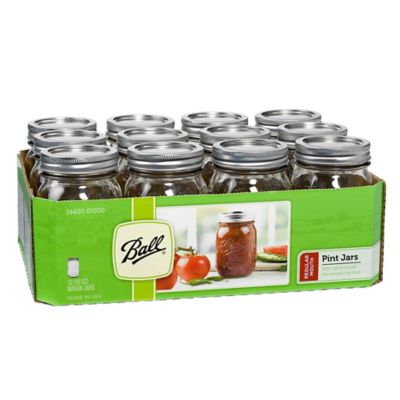
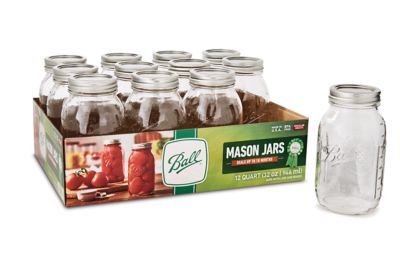
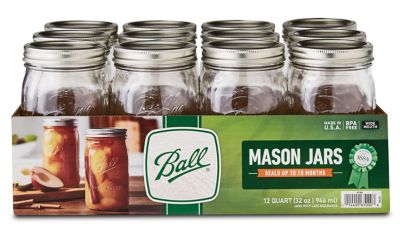
Mason jars have earned a spot in kitchens, pantries, workshops and craft rooms because they are simple, sturdy and useful in all kinds of homes. First patented in the 1800s, the familiar glass jar was designed around a threaded neck, a screw band and a separate sealing lid, making it a dependable choice for preserving food when used with the right canning method and equipment. Today, Mason jars are just as handy for everyday storage as they are for traditional home canning. Half-pint jars, holding about 8 ounces, are a good fit for small batches of jam, jelly, relish, honey or homemade sauces. Pint jars, at about 16 ounces, work well for salsa, pickles, salad dressing, overnight oats and packed lunches, while quart jars, holding about 32 ounces, give whole fruits, vegetables, dry goods and larger portions more room. Half-gallon jars can be useful for storing larger amounts of water, tea or dry ingredients, as well as certain fermentation projects when the recipe and equipment call for that size. Choosing the right jar size helps limit wasted space and keeps portions easy to handle, especially when the pantry is full of garden produce or the refrigerator is stocked for a busy household.
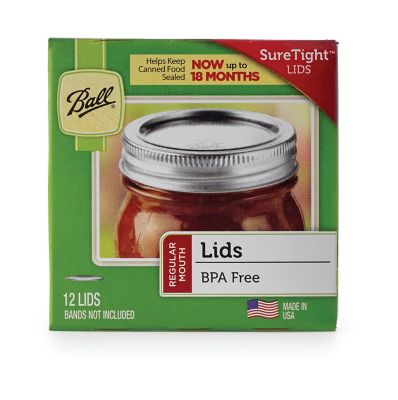
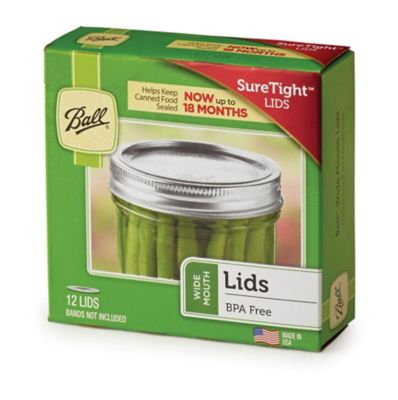
The jar opening matters just as much as its capacity. Regular-mouth jars have a narrower opening that works nicely for liquids, syrups, dressings, jams and other foods that are poured or scooped with a small utensil. Wide-mouth jars are easier to fill with whole peaches, cucumbers, green beans and other larger pieces, and they make it simpler to reach the bottom with a spoon or wash the inside by hand. For canning, always match the jar, lid and screw band to the preservation method, inspect glass for chips or cracks, and follow tested directions for processing time, temperature and headspace. A jar that looks clean is not automatically safe for every canning job, and sealing a lid does not replace proper heat processing. For dry storage, Mason jars keep pasta, rice, coffee beans, flour, birdseed, snacks and baking ingredients visible and protected from dust and pantry pests. Clear glass also makes it easy to see when supplies are running low. In the refrigerator, jars can hold layered salads, cut fruit, homemade dressings, soups and breakfast oats, with the heavier ingredients placed on the bottom and delicate greens kept near the top. Leave room for expansion when storing liquids, let hot contents cool as directed, and handle heated glass carefully to help prevent breakage. During the warmer part of the year, a jar can travel to a picnic or farm stand trip, while cooler days bring opportunities for storing soup ingredients, baking staples and preserved produce from the garden.
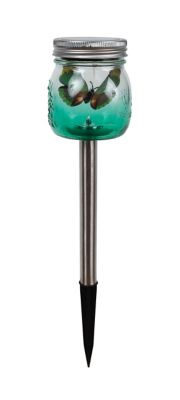
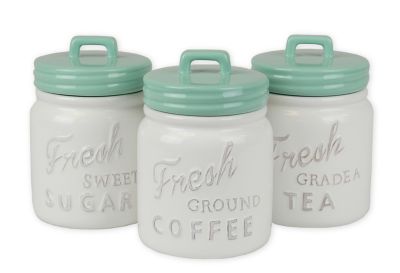
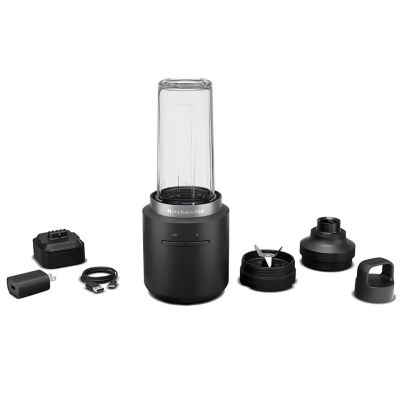
Mason jars also fit naturally into relaxed farmhouse decorating and thoughtful gift giving. Filled with homemade cookie mix, tea, cocoa, candy, trail mix or a small batch of jam, they make useful gifts for neighbors, teachers, hosts, new homeowners and anyone who enjoys cooking from scratch. A handwritten label with the contents and date adds a personal touch without making the jar difficult to reuse. Empty jars can become drinking glasses, utensil holders, flower containers, candle vessels or simple centerpieces for a kitchen table, porch supper or fall gathering. Use care with heat, flames and food contact: select jars intended for the job, avoid sudden temperature changes, and make sure any decorative materials stay clear of food and open flame. If you like preparing smoothies, blended sauces or small servings of dressing, a
Personal Blender can pair well with a jar-centered kitchen routine, though blended foods should be transferred and stored according to the appliance and recipe instructions rather than assuming every jar is compatible with every blender base. When shopping, consider how many jars you need, whether matching lids and bands are included, the available mouth style, the amount of pantry or shelf space, and whether the jars will be used for canning, storage, crafts or gifts. A few dependable sizes can cover most household needs, from saving the last handful of summer berries to organizing dry goods during the cooler months. With their reusable design and see-through glass, Mason jars offer a practical way to preserve, portion, store and share the good things made at home.