Pegboard Hooks For Power Tools
Pegboard Hooks for Power Tools make it easy to keep your workspace neat and your favorite tools within arm’s reach. Whether you’re fixing up equipment in the barn or tackling projects in the garage, these hooks help you organize drills, saws, and more so you can grab what you need without digging through a cluttered toolbox. Find the right hooks to hang your gear and make every job a little smoother with Pegboard Hooks for Power Tools.
$13
.49
Sale Was $14.99 Save $1.50 (10%)
$215
.99
Sale Was $239.99 Save $24.00 (10%)
$17
.99
Sale Was $19.99 Save $2.00 (10%)
$269
.99
Sale Was $299.99 Save $30.00 (10%)
$269
.99
Sale Was $299.99 Save $30.00 (10%)
$13
.49
Sale Was $14.99 Save $1.50 (10%)
$341
.99
Sale Was $379.99 Save $38.00 (10%)
$179
.99
Sale Was $199.99 Save $20.00 (10%)
$341
.99
Sale Was $379.99 Save $38.00 (10%)
$359
.99
Sale Was $399.99 Save $40.00 (10%)
$323
.99
Sale Was $359.99 Save $36.00 (10%)
$40
.49
Sale Was $44.99 Save $4.50 (10%)
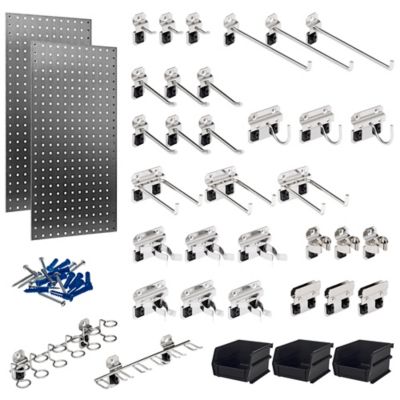
$431
.99
Sale Was $479.99 Save $48.00 (10%)
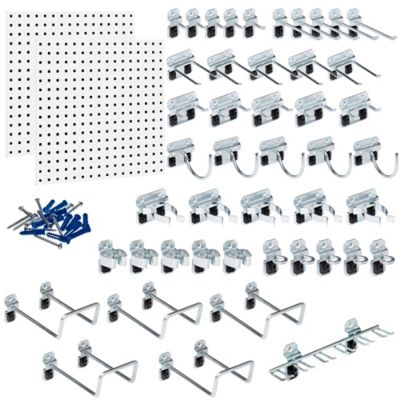
$215
.99
Sale Was $239.99 Save $24.00 (10%)
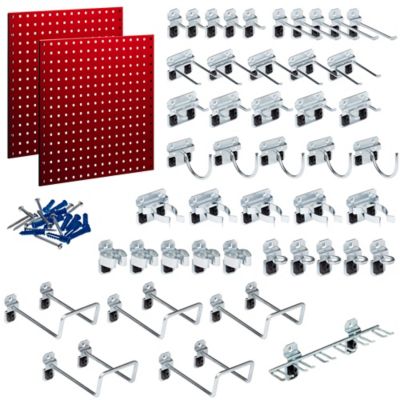
$197
.99
Sale Was $219.99 Save $22.00 (10%)
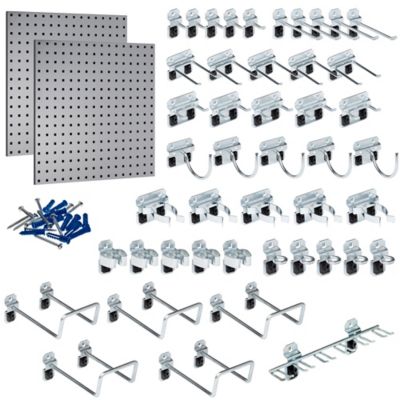
$197
.99
Sale Was $219.99 Save $22.00 (10%)
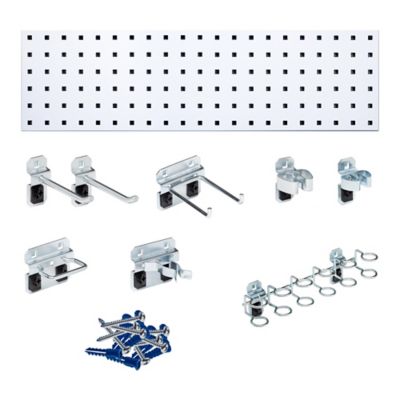
$40
.49
Sale Was $44.99 Save $4.50 (10%)
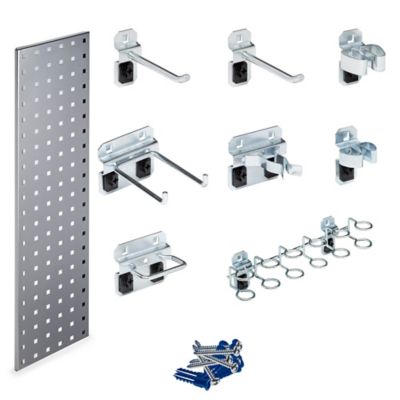
$35
.99
Sale Was $39.99 Save $4.00 (10%)
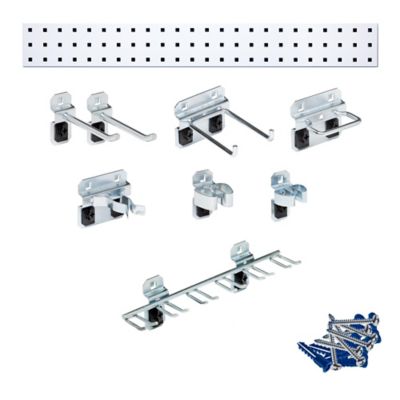
$35
.99
Sale Was $39.99 Save $4.00 (10%)
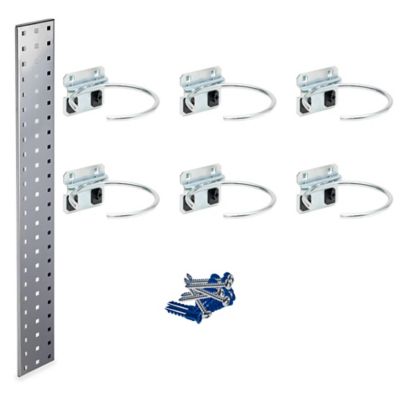
$40
.49
Sale Was $44.99 Save $4.50 (10%)
$35
.99
Sale Was $39.99 Save $4.00 (10%)
$40
.49
Sale Was $44.99 Save $4.50 (10%)
$40
.49
Sale Was $44.99 Save $4.50 (10%)
Best Of FAQ
What are pegboard hooks for power tools used for?
Pegboard hooks for power tools are designed to help organize and store your power tools on a pegboard, keeping your workspace tidy and making it easy to access your tools when needed.
Can pegboard hooks hold different types of power tools?
Yes, pegboard hooks come in various shapes and designs to accommodate a wide range of power tools, including drills, saws, sanders, and more.
Are pegboard hooks easy to install on standard pegboards?
Most pegboard hooks are designed for quick and simple installation on standard pegboards, allowing you to rearrange or add hooks as your storage needs change.
Do I need any special accessories to use pegboard hooks with my power tools?
Generally, no special accessories are required. However, some heavier or uniquely shaped power tools may benefit from specialty hooks or holders designed specifically for those items.
How can I maximize space using pegboard hooks for my power tools?
To maximize space, group similar tools together, use multi-tool holders or double hooks for larger items, and arrange frequently used tools within easy reach while placing less-used items higher or lower on the board.
Best Sellers
-
"Love it love it! I have a normal pegboard, 1/4in holes and the pegs work great"
-
"about the supports, pulling out of the thin, pegboard the metal supports almost any weight and looks great"
-
"Great and sturdy peg board. Shipped quickly and pick up was easy"
-
"This is a great assortment of pegboard accessories. Perfect starter set"
-
"This is a great assortment of pegboard accessories. Perfect starter set"