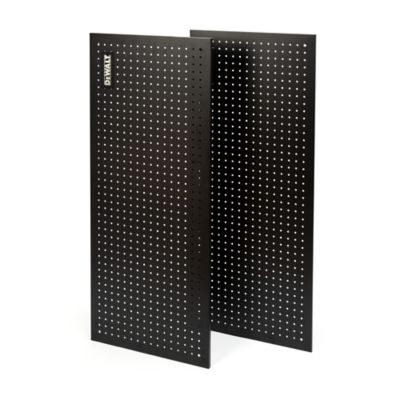
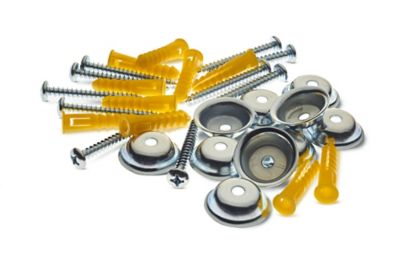
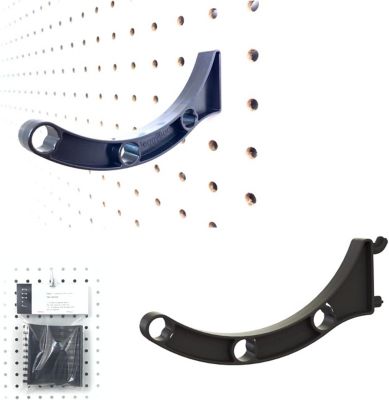
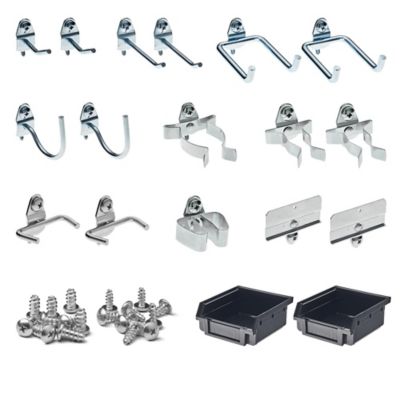
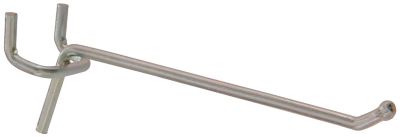
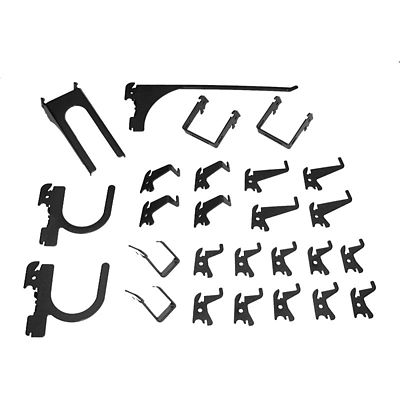
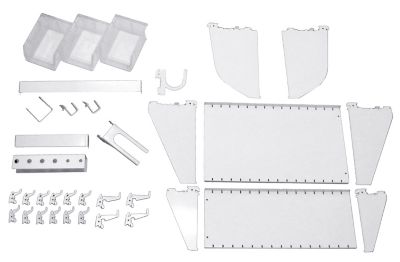
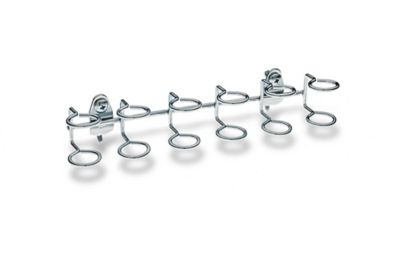
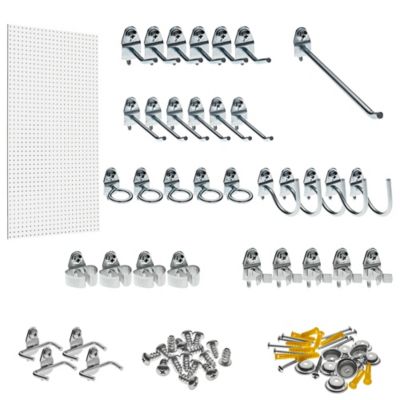
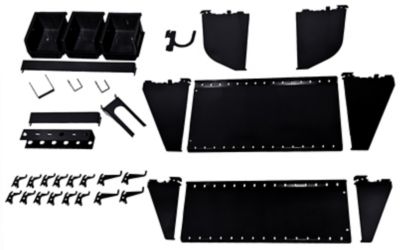
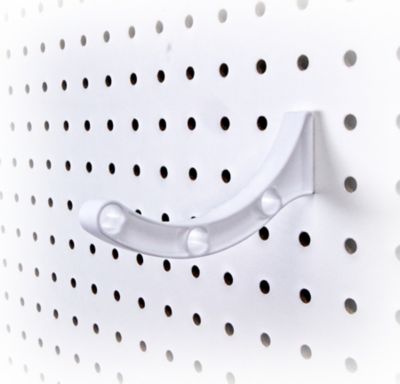
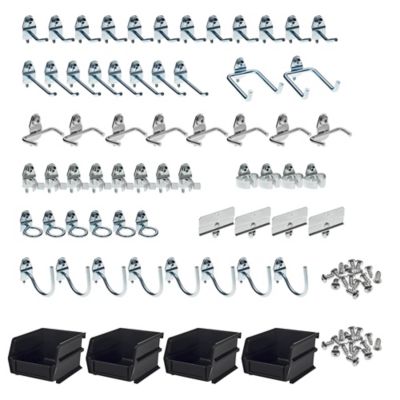
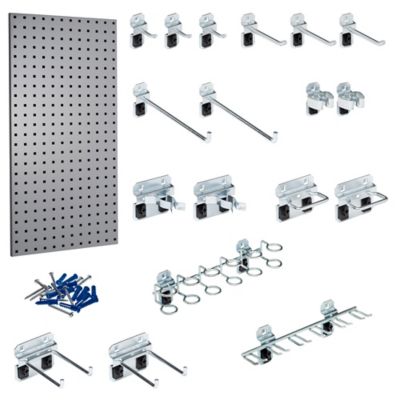
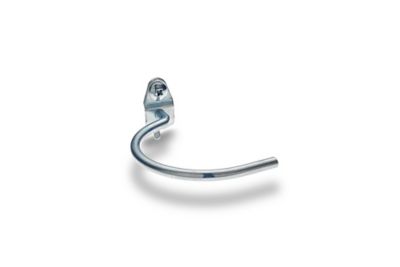
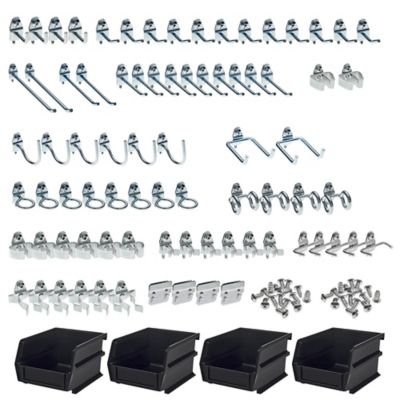
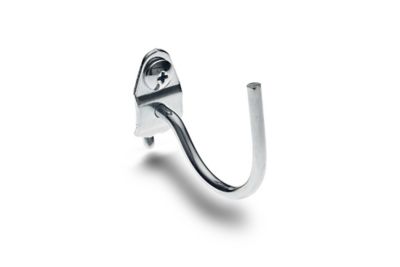
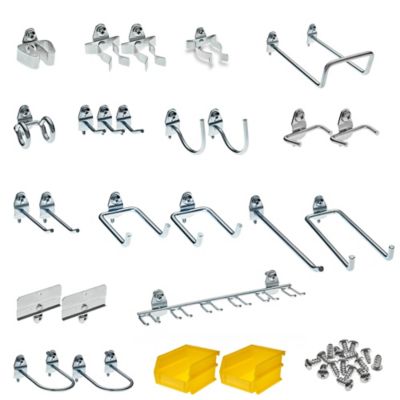
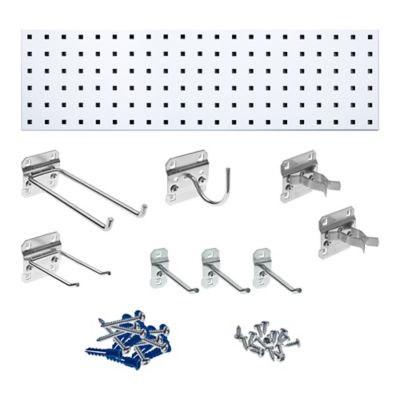
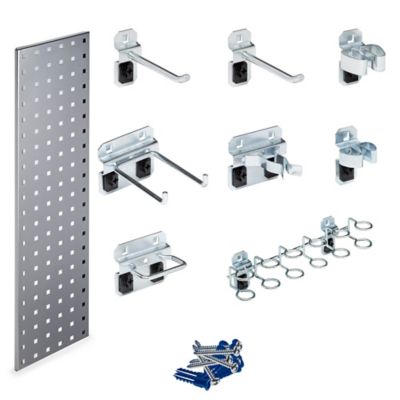
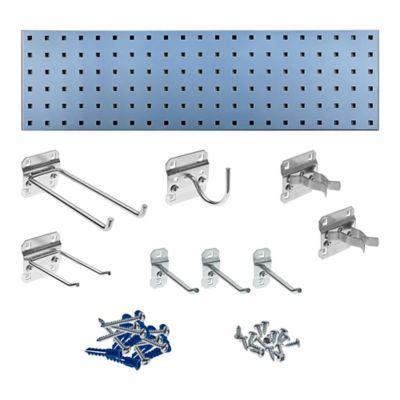
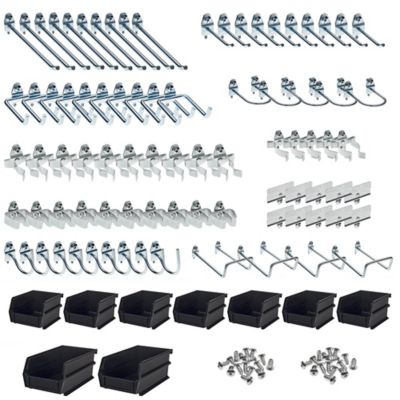
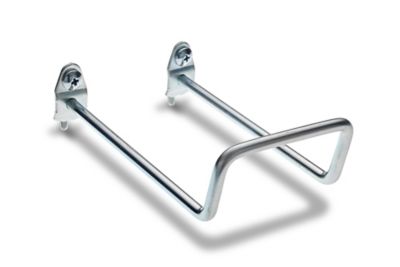
Pegboard accessories make wall space work harder, keeping tools and supplies visible instead of piled on a bench or buried in a drawer. The category includes straight hooks, angled hooks, curved hooks, loop holders, tool racks, shelves, bins, cups, and retaining clips, each suited to a different storage job. A short hook can give a wrench its own spot, while a rack holds several screwdrivers upright and a small bin keeps loose fasteners together. In a garage, farm shop, tack room, or shed, that mix helps put everyday gear within reach without taking up more floor space. Fit matters before anything goes on the wall. Traditional round-hole pegboard commonly has 1/8-inch or 1/4-inch holes spaced 1 inch apart from center to center, though not every panel follows those measurements. Hole diameter, spacing, and panel thickness all affect how an attachment seats. A hook made for a larger hole may not enter a smaller one, and a hook with too much room around its mounting points can wobble. Slotted metal panels and other specialized systems may require attachments made for their particular opening shape rather than standard round-hole hooks. Space behind the panel matters, too, because many hooks need room for their mounting ends to pass through and turn into position. Some attachments catch in one hole, while others span several holes to steady a rack, shelf, or holder. Retaining clips and peg locks can help keep compatible hooks seated when a tool is lifted away, reducing the nuisance of pulling the hook off with it. Those small details make a difference at a busy workbench, especially when one hand is holding a part and the other is reaching for pliers. Matching the accessory to both the board and the object it will hold gives the whole setup a steadier feel and makes tools easier to return to their spots after a job.
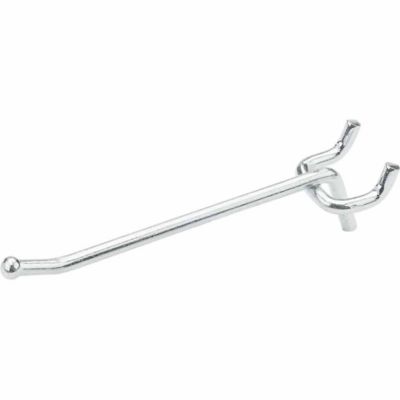
Different shapes handle different chores, so a practical pegboard setup usually has more than one kind of attachment. Straight hooks work well with tools that have hanging holes, while curved or J-shaped hooks can cradle handles, loops, and neatly coiled cords. Longer hooks offer more hanging depth, but the extra reach also puts the load farther from the panel; length alone does not tell you how much weight a hook can carry. Multi-point holders and racks can keep screwdrivers, pliers, and wrenches separated so handles do not crowd together. For drills and impact drivers,
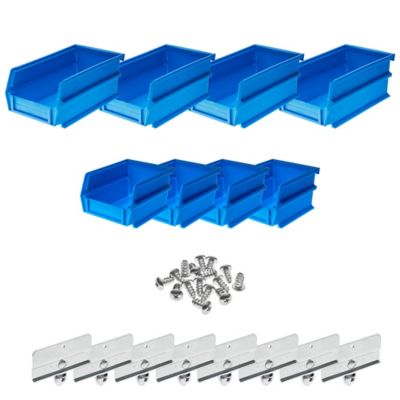
Pegboard Hooks for Power Tools offer attachment styles intended for equipment that needs more support than a simple hanging hole provides. The tool’s weight, including an attached battery, and the holder’s stated capacity both belong in that decision. The panel and its wall mounting also need to support the load, regardless of how strong the holder itself may be. Shelves give containers and other objects without hanging points a place to sit, while cups and bins corral pencils, drill bits, screws, washers, and other small supplies. Open bins make contents easy to see, and separate compartments help keep similar-looking fasteners from getting mixed together. A fence repair area might have pliers and frequently needed hardware close together; a mower maintenance bench might group sockets, wrenches, and small parts near the working surface. Leaving space around each tool makes it easier to grasp the handle without knocking neighboring gear loose. Shelf depth and bin placement matter in narrow spaces, where projecting accessories can get in the way of a door, walkway, or moving equipment. Heavier tools generally belong lower on the panel, with sharp edges positioned away from passing hands. The goal is a wall that supports the way the work gets done, not one packed so tightly that putting a tool away becomes another chore.
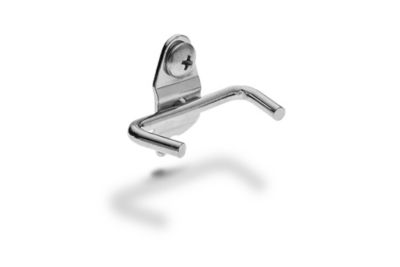
Materials and construction affect how pegboard accessories hold up to repeated handling. Steel hooks and wire racks can provide firm support, but wire thickness, bends, welds, and attachment design all influence their performance. Zinc plating, painted finishes, and other coatings help protect metal surfaces from corrosion, although scratches and worn spots can leave the underlying metal exposed. Plastic bins and cups keep loose hardware contained without adding much weight, while metal containers may better suit supplies that scrape against their sides. Wood and metal shelves each have their own care needs, and the mounting brackets must match both the shelf and the pegboard system. Smooth edges are worth attention wherever hands reach often or a holder touches a tool handle. A rough edge can catch a glove, and a bent hook can leave equipment sitting at an awkward angle. Routine care is usually straightforward: wipe away dust, remove oily residue with a cleaner suited to the material, and let accessories dry before returning them to the panel. Small bins benefit from an occasional emptying so grit and stray fasteners do not collect beneath the contents. Cracked containers, loose connections, damaged finishes, and hooks that have changed shape are signs to reassess an attachment before giving it another load. Peg locks help with hook movement, but they do not increase a hook’s weight rating or compensate for a loose panel. In shared work areas, simple labels can help everyone put equipment back where it belongs, saving a search when the next repair comes along. These accessories also make practical gifts for someone setting up a first garage workbench, maintaining farm equipment, or bringing order to a crowded shed, provided the recipient’s panel measurements are known. A thoughtful assortment follows the person’s tools and tasks rather than filling every opening. With compatible fittings, sensible spacing, and attention to wear, pegboard storage leaves more bench room for the part being repaired and less clutter between the worker and the next tool.