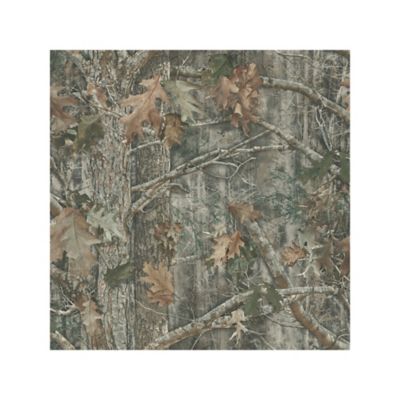
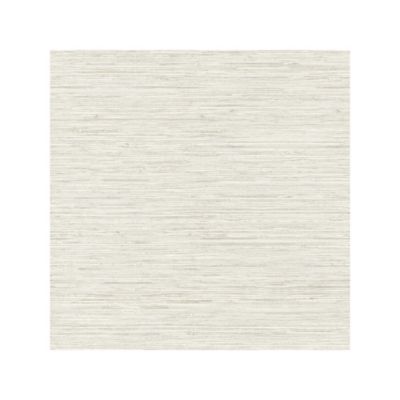
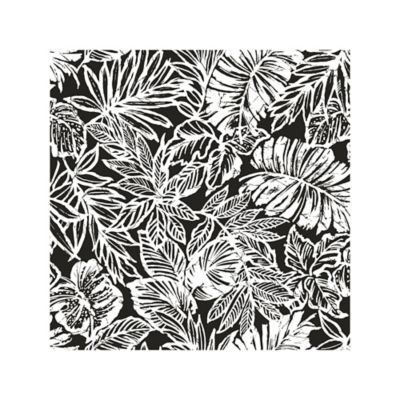
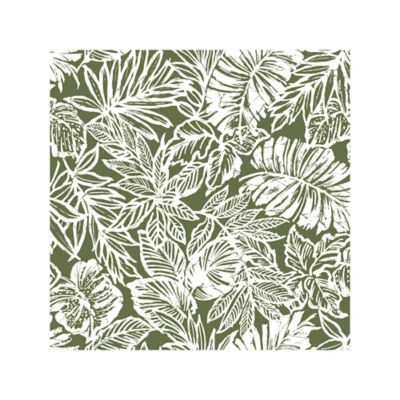
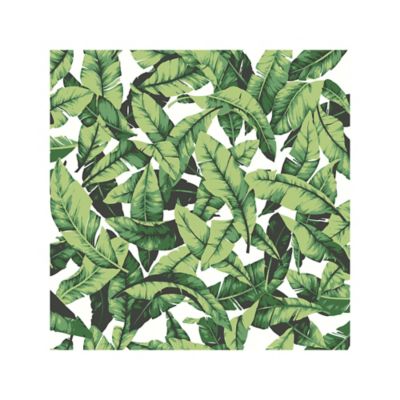
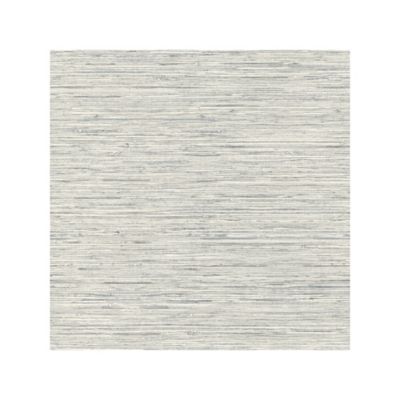
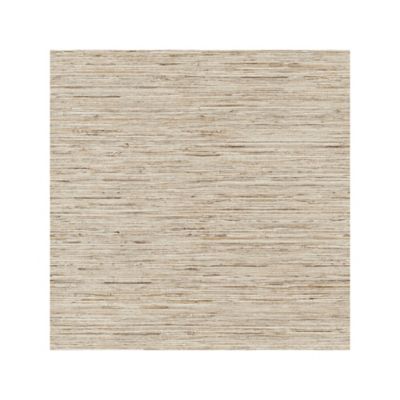
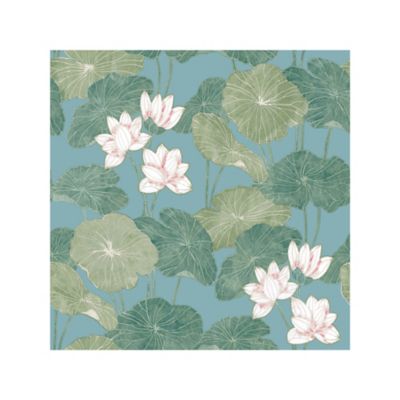
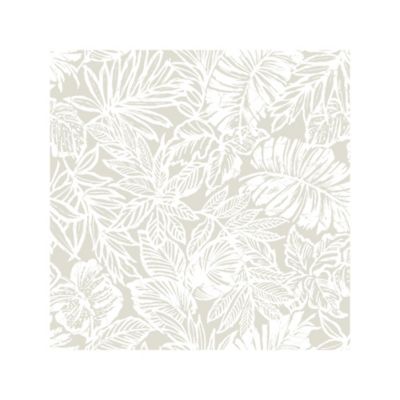
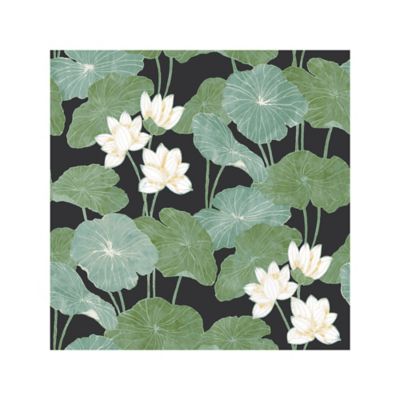
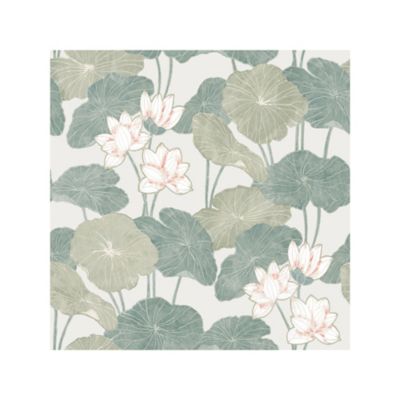
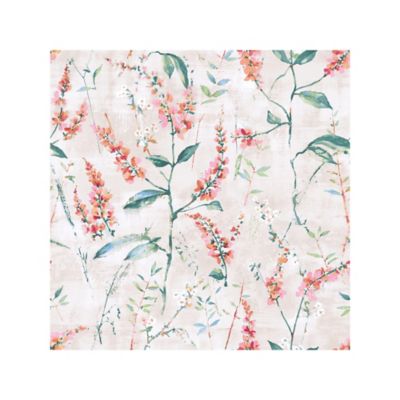
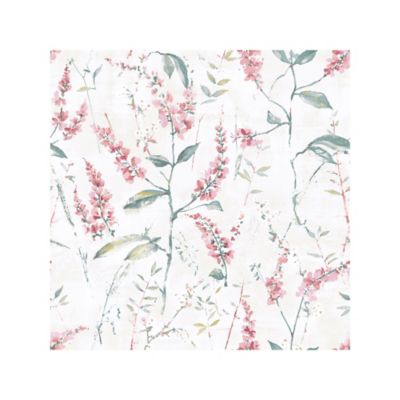
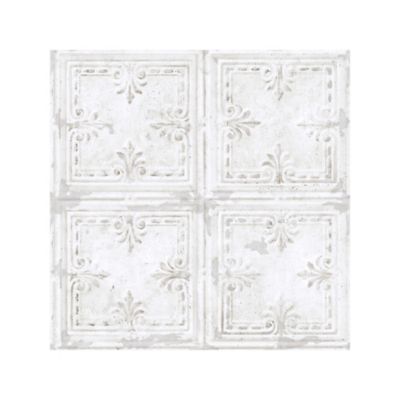
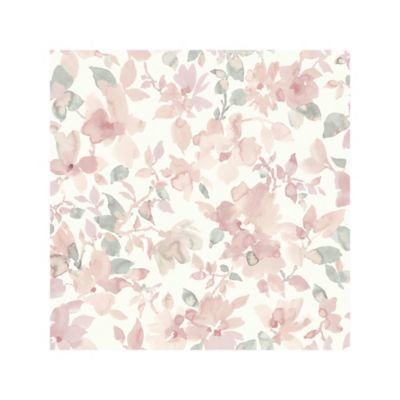
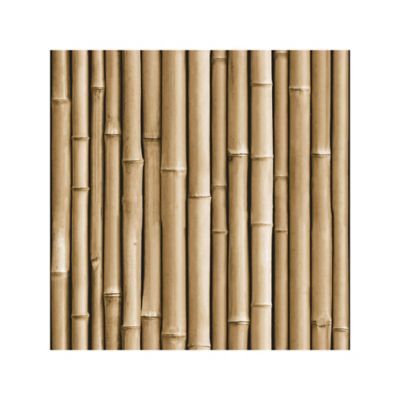
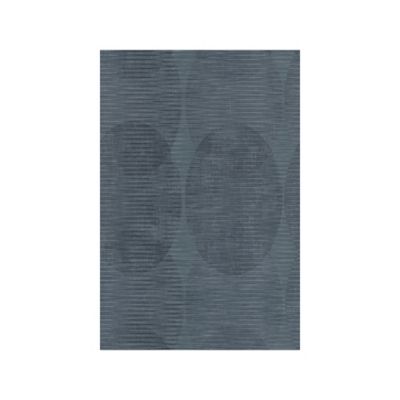
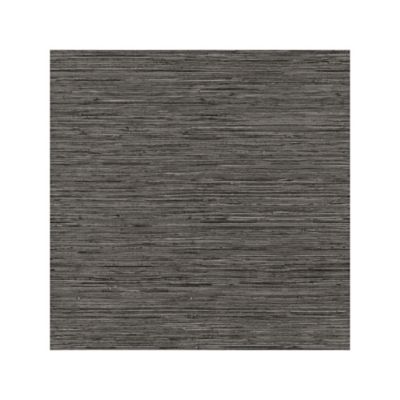
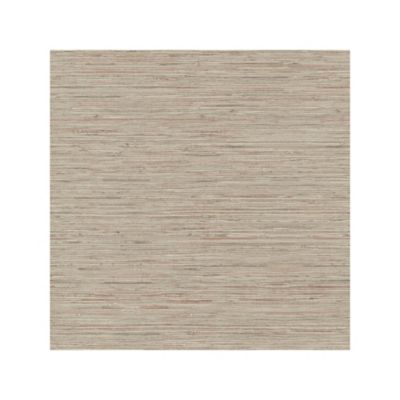
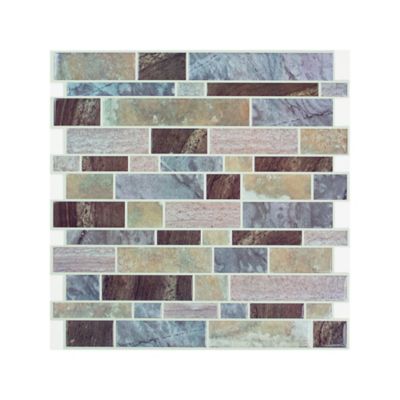
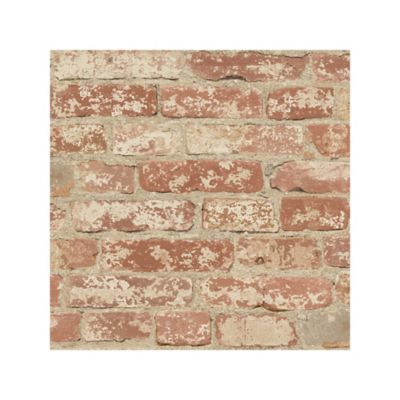
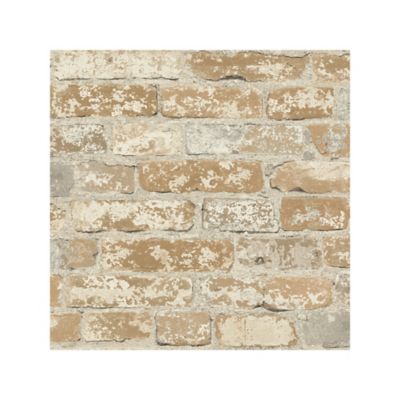
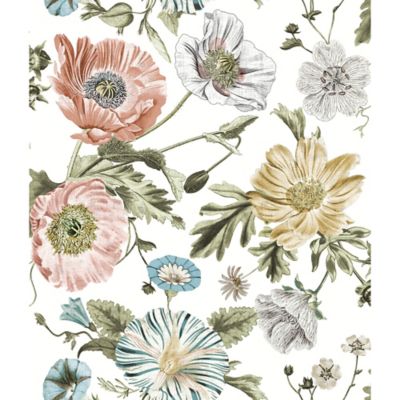
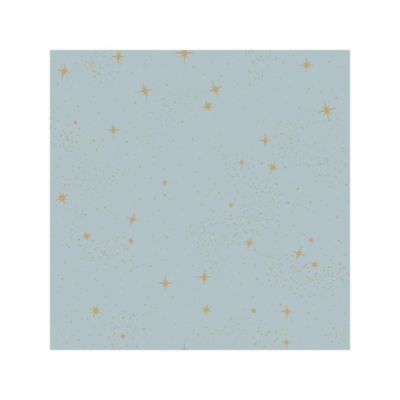
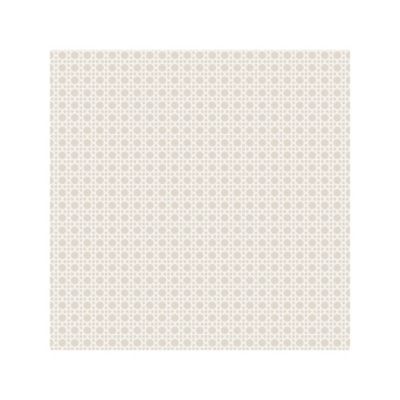
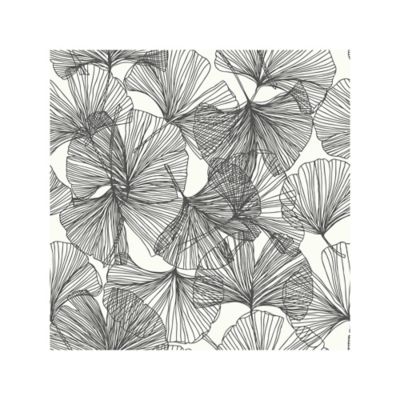
Peel and stick wallpaper for cabinets offers a simple way to freshen up a kitchen, bathroom, laundry room, mudroom or workshop without the cost and downtime of replacing cabinet doors. It can add color to plain cupboards, bring a little pattern to a farmhouse pantry or cover a tired-looking shelf back with a cleaner finish. This type of self-adhesive covering is also handy for renters, first-time homeowners and anyone fixing up a utility space on a practical budget. A small roll can make a noticeable difference on drawer fronts, cabinet panels, open shelving backers and other smooth, flat surfaces. Some shoppers use it to coordinate cabinets with nearby walls or countertops, while others choose a wood-look, stone-look or simple solid design to give older storage a more finished appearance. It may also be a thoughtful housewarming gift for a friend who enjoys weekend projects, a college student setting up a first apartment or a family member making a new home feel more personal. When comparing options, look at the roll width and length, pattern repeat, finish, texture and the amount needed for the project. Measure each door, drawer and panel separately, since cabinets that appear identical may vary slightly in size. Plan for extra material around each edge so the covering can be aligned and trimmed cleanly, and consider buying enough to match the pattern across adjoining doors. Smooth vinyl-style surfaces are generally easier to wipe clean than heavily textured finishes, which can collect crumbs and dust around cabinet handles. For areas near a sink, pet wash station or laundry tub, check that the material is suitable for the expected moisture and everyday cleaning. Peel and stick wallpaper is best used on clean, dry, smooth surfaces in good condition. Loose laminate, peeling paint, raw wood, deep grooves and rough edges can keep the adhesive from bonding evenly, so small test pieces are useful before covering a whole cabinet. For a similar way to protect shelves and storage surfaces, browse
Cabinet Liners for additional options around the home, barn office or workshop.
A neat application starts with careful preparation. Remove knobs, pulls and other hardware when possible, and take cabinet doors off their hinges if the project allows. Working on a flat, stable surface makes it easier to line up the pattern and keeps the material from shifting while it is being smoothed. Wipe away grease, dust, polish and soap residue with an appropriate cleaner, then allow the surface to dry completely. Even a thin film left behind from cooking or cleaning can create bubbles or weak spots beneath the adhesive. Measure twice, mark the back of the wallpaper and cut each piece with a little extra material on all sides. A sharp utility knife, straightedge, measuring tape, pencil and smoothing tool can help produce cleaner results, while a soft cloth works well for pressing down smaller sections. Many people find the hinge method easiest: peel back only a few inches of the backing paper, align the top edge, press that section into place and then slowly pull away more backing as the rest is smoothed down. Work from the center toward the edges to push out trapped air, taking your time around corners and recessed panels. If a bubble appears, gently lift the material back to that point and smooth it down again instead of forcing the air toward the edge. Once the covering is secure, trim the extra material with a sharp blade guided by a straight edge, then press the edges firmly into place. Keep seams away from areas that receive constant splashing when possible, and avoid wrapping over hinges or hardware that needs to move freely. Removable adhesive coverings can usually be lifted and repositioned more easily during installation than permanent materials, but removal may still affect delicate paint or older finishes, so test an inconspicuous spot first. During the cooler months, indoor cabinet projects are a practical way to spend a quiet afternoon, whether the goal is to brighten a hardworking mudroom, tidy up a pantry or give a hunting cabin kitchen a fresh, cared-for look. With the right measurements, a clean surface and steady application, peel and stick wallpaper for cabinets can help turn everyday storage into a more welcoming part of the home.