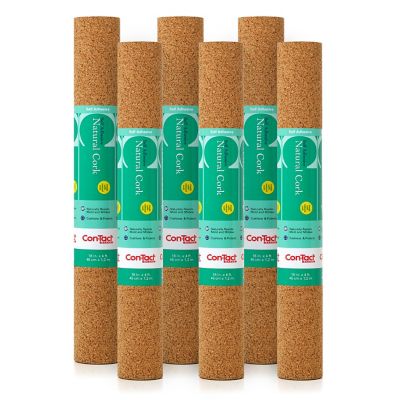
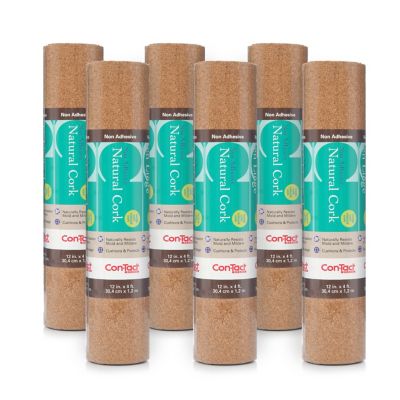
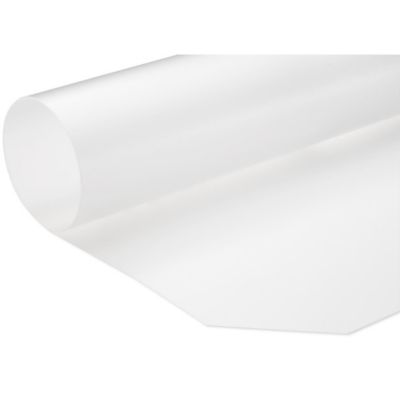
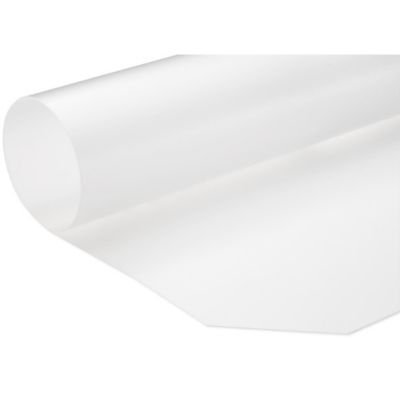
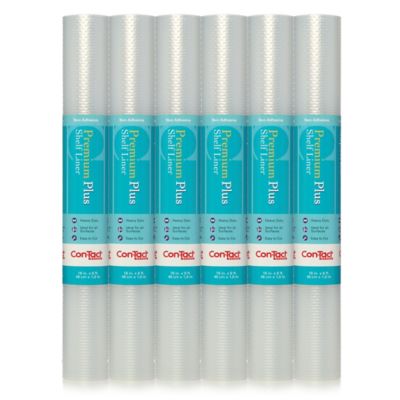
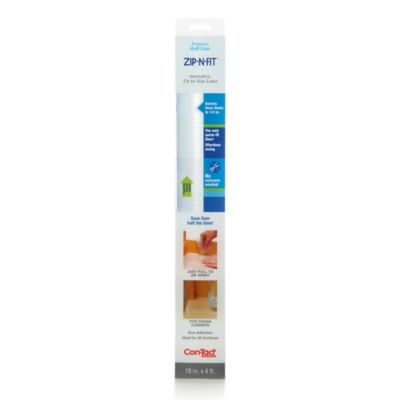
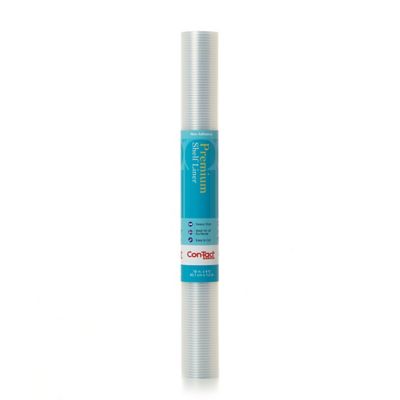
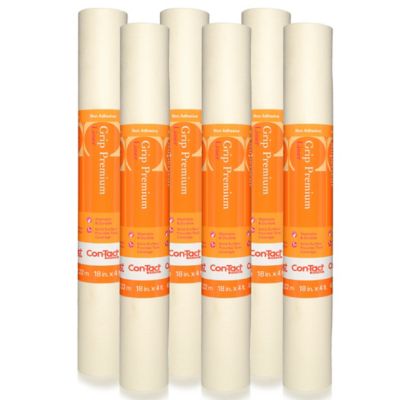
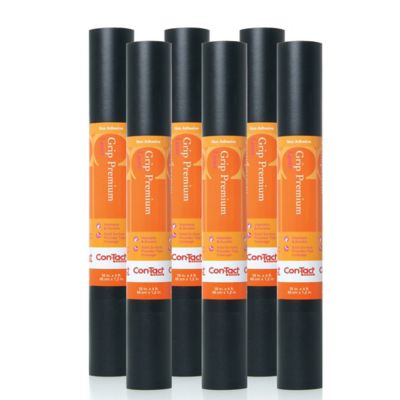
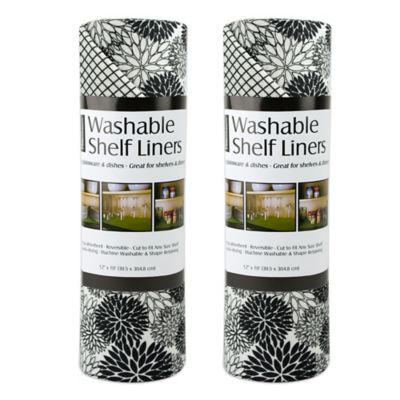
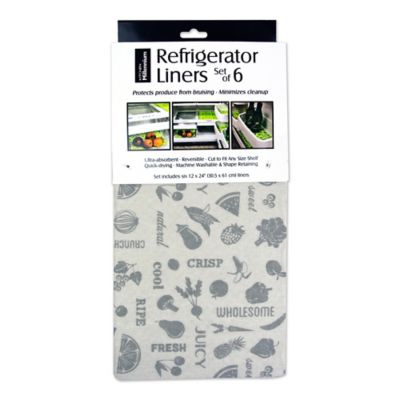
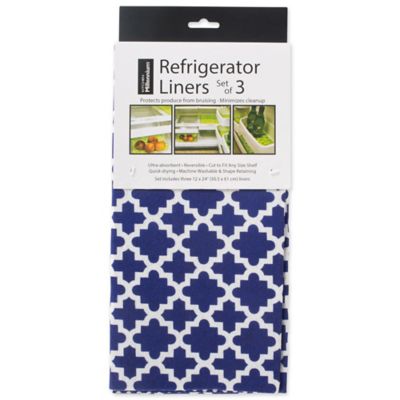
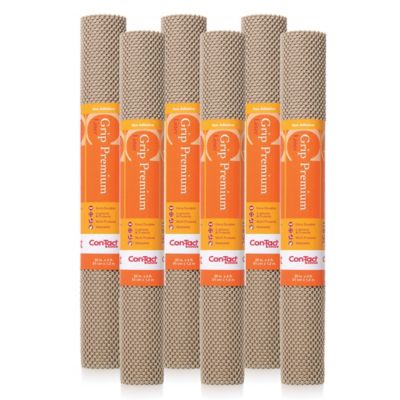
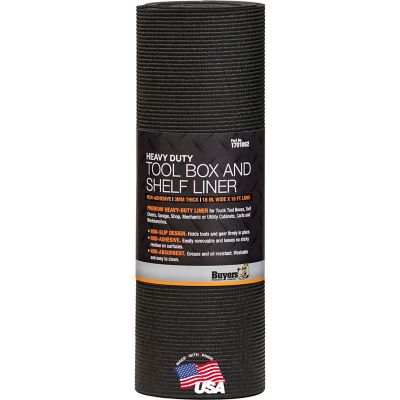
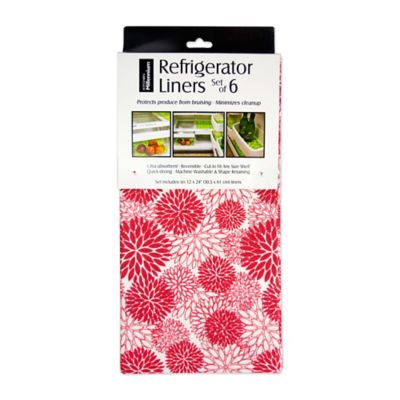
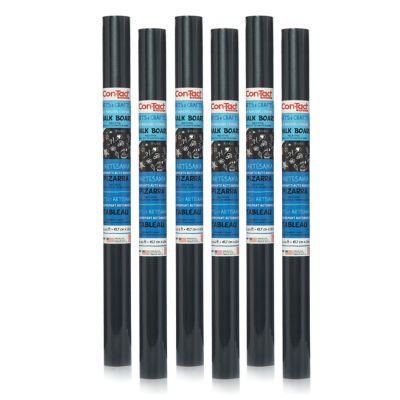
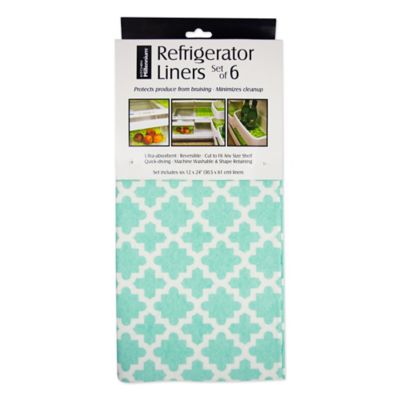
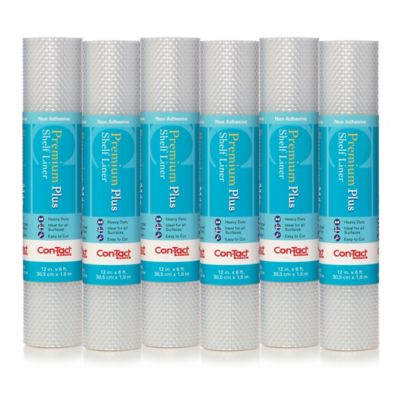
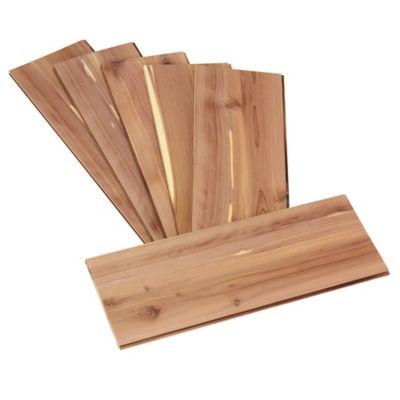
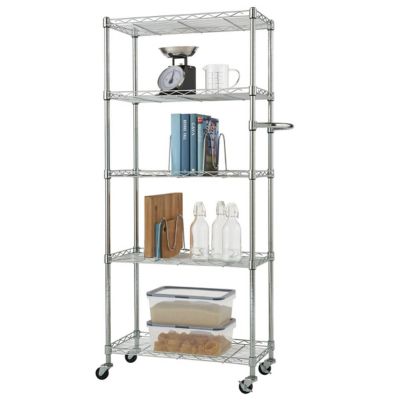
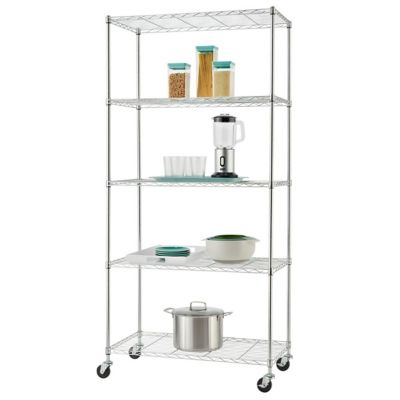
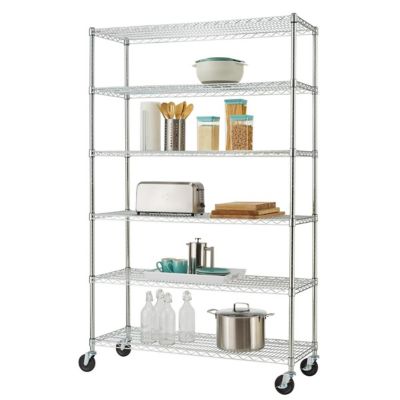
Cabinet liners are a simple way to help keep shelves, drawers and storage spaces looking cleaner through everyday use. In a busy farmhouse kitchen, mudroom, laundry room, workshop or camper, cabinets take on plenty of wear from dirt, dust, spills and shifting items. A liner creates a practical layer between the cabinet surface and whatever is stored inside, helping catch crumbs, loose soil, drips and small messes before they settle into corners or soak into unfinished wood. They can also make older cabinets feel more finished without the time and expense of a full renovation. Look for liners in a size and material that fit the job, whether you need a smooth surface for easy wiping, a textured surface that helps items stay put, or a water-resistant option for areas near sinks, pet bowls and cleaning supplies. Some liners are designed to be trimmed with household scissors, making it easier to work around cabinet walls, hinges and plumbing. Measuring each shelf and drawer before shopping can save a good deal of fuss, especially in older homes where no two spaces are quite the same. It is usually helpful to clean and dry the cabinet surface first, then allow the liner to lie flat so it sits neatly from edge to edge. A properly fitted liner should not bunch up around corners or interfere with doors and drawers opening and closing.
The right cabinet liner depends on what the space needs to handle. Kitchen shelves may benefit from a surface that wipes clean after flour, coffee grounds or a leaky jar, while drawers used for utensils, fasteners or small tools may need a liner that adds a little cushion and keeps contents from sliding around. In a barn office, tack room or workshop, liners can help organize smaller supplies and make dusty storage easier to maintain. They are also handy in an RV, hunting cabin, lake house or seasonal property where cabinets may sit closed for stretches of time and need a fresh, easy-to-clean surface when the space is opened back up. For utility areas, consider how the liner will respond to moisture, temperature changes and heavier items. In a pantry or feed-storage area, a liner can make routine sweeping and wiping less of a chore, though food and animal feed should still be stored in appropriate sealed containers. For cabinets that hold paint, oil, fertilizer, cleaners or other chemicals, choose storage practices that match the product labels and keep liquids securely closed. A liner is there to protect the cabinet and simplify cleanup, not to replace safe storage. During the warmer part of the year, liners can help freshen up cabinets after spring and summer projects, outdoor meals and busy weekends. As the cooler months settle in, they are useful for getting indoor storage ready for holiday cooking, canning supplies, cold-weather gear and the extra household items that tend to come out when more time is spent indoors.
Cabinet liners also make a thoughtful, practical gift for someone settling into a new home, fixing up an older farmhouse or organizing a workshop one shelf at a time. They are the kind of useful household item that often gets overlooked until a cabinet is stained, a jar leaves a ring or a drawer becomes a jumble of loose odds and ends. A roll or set of liners can be tucked into a housewarming gift along with other everyday essentials, or given to a college student, first-time homeowner, renter or family member preparing a camper for the road. When planning a cabinet refresh, it can help to handle one area at a time instead of trying to empty the whole kitchen or shop at once. Pull everything out, sort what is still useful, wipe down the surface and check for leaks, loose hardware or signs of pests before adding a fresh liner. In drawers, leave enough room for the liner to lay flat without catching at the sides. On shelves, smooth out air pockets and keep seams tidy so dust does not collect beneath them. If a liner becomes worn, stained or difficult to clean, replacing it is an easy way to keep storage spaces feeling cared for. For more ideas on making the most of cabinets in every room, explore
Cabinet Storage Solutions. Whether the goal is protecting a well-used kitchen, bringing order to a hardworking mudroom or making a small workshop easier to manage, cabinet liners are a down-to-earth improvement that helps storage work better day after day.