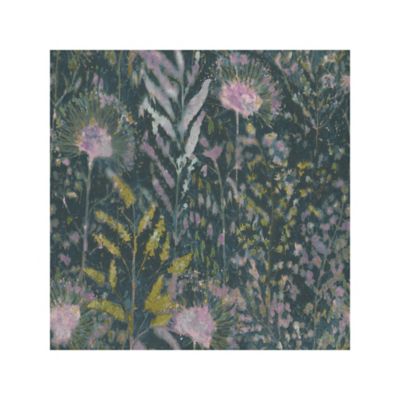
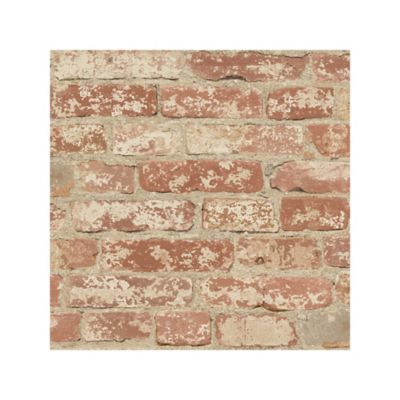
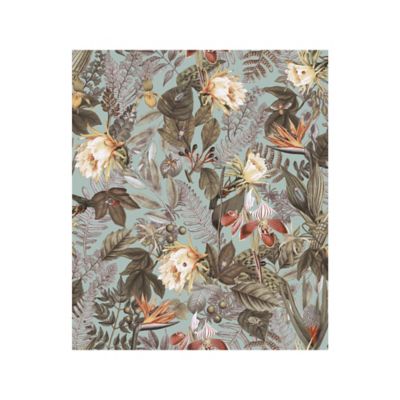
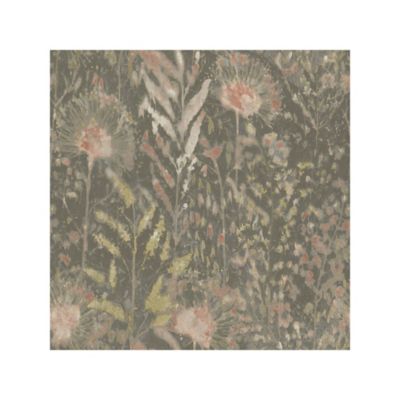
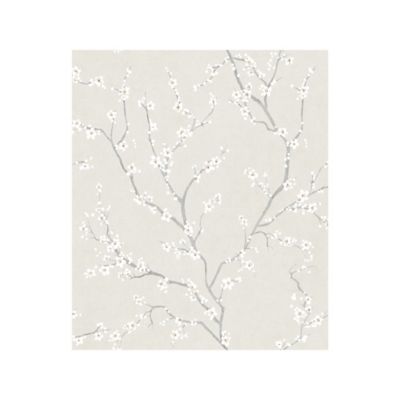
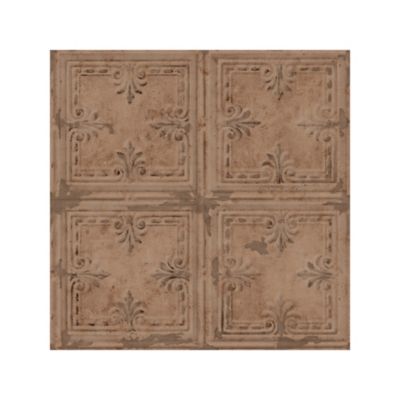
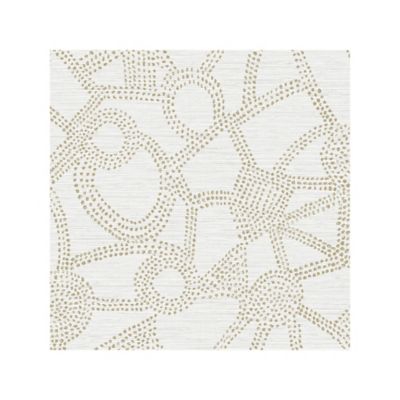
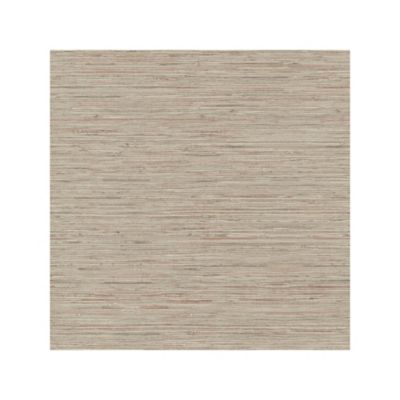
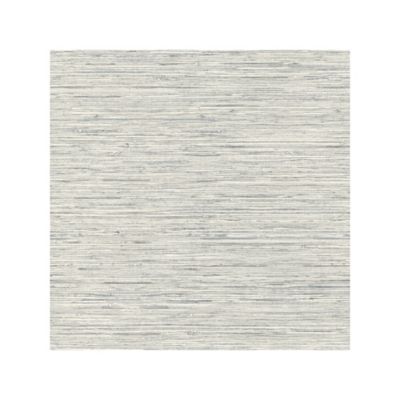
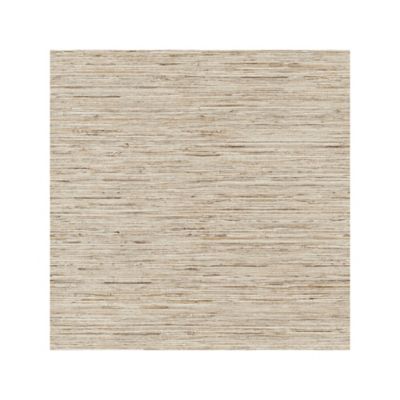
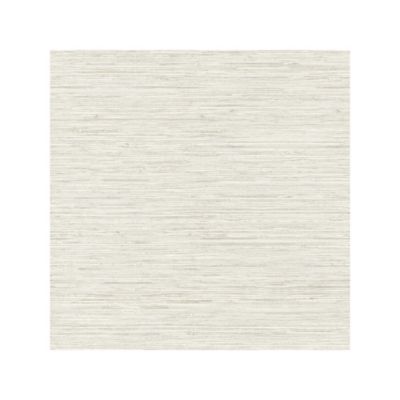
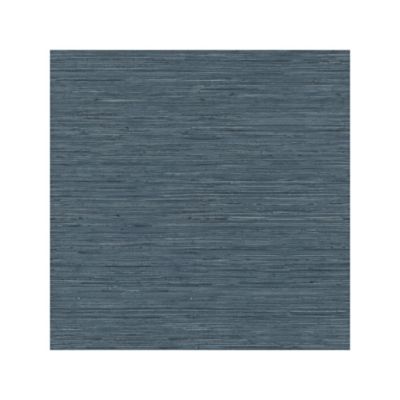
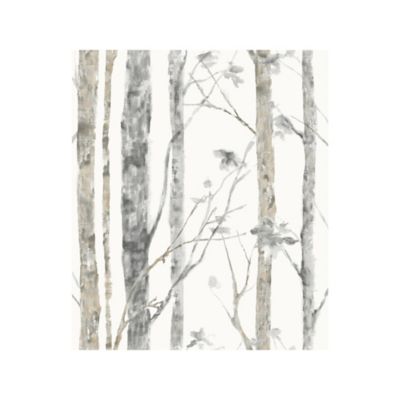
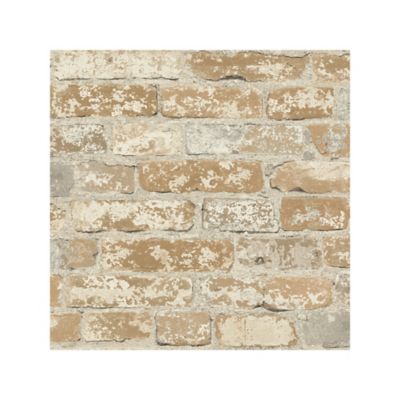
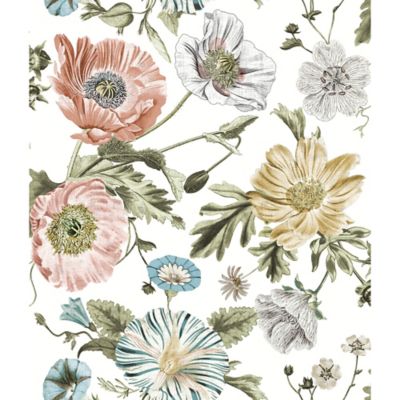
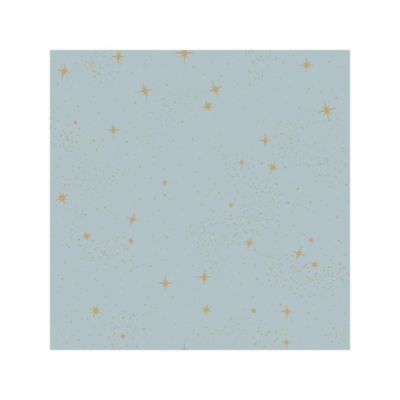
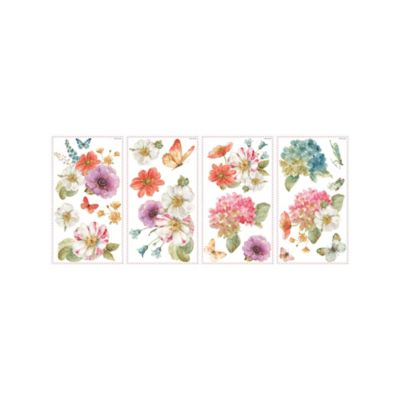
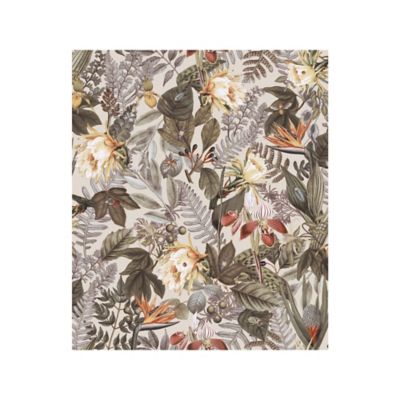
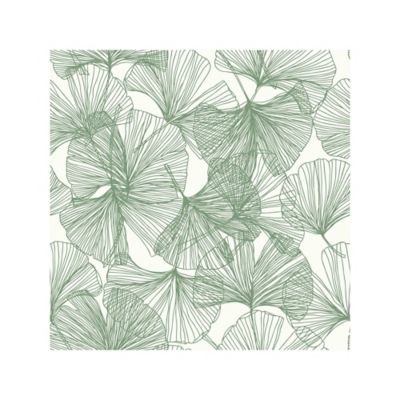
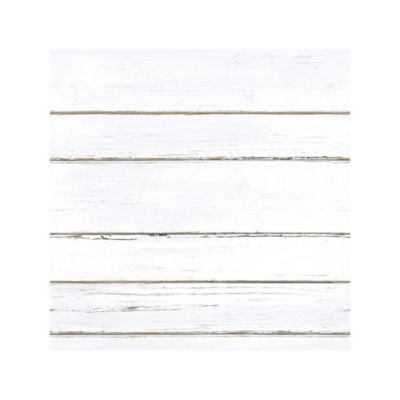
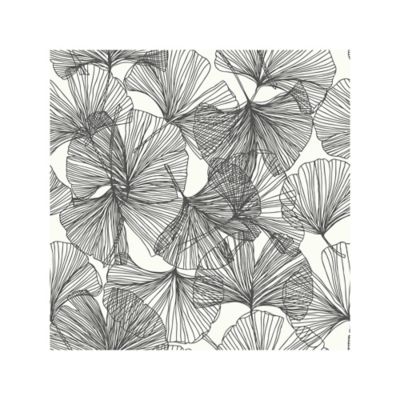
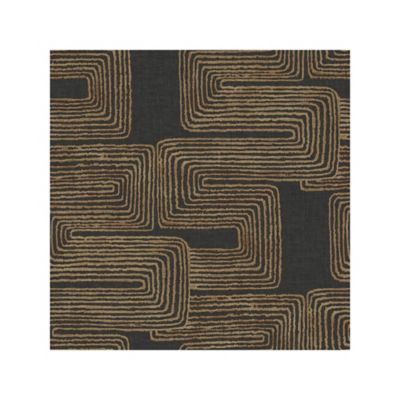
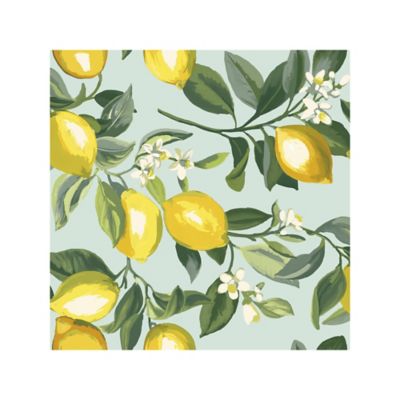
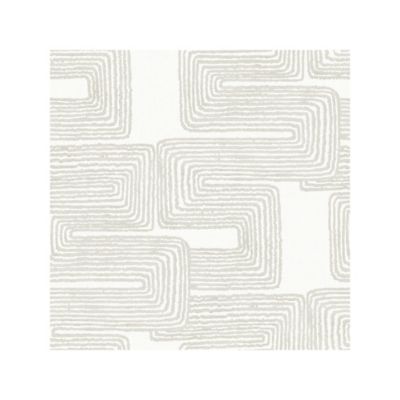
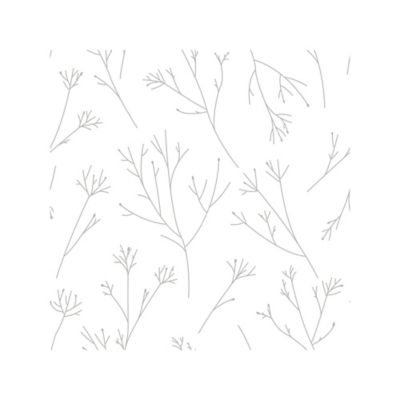
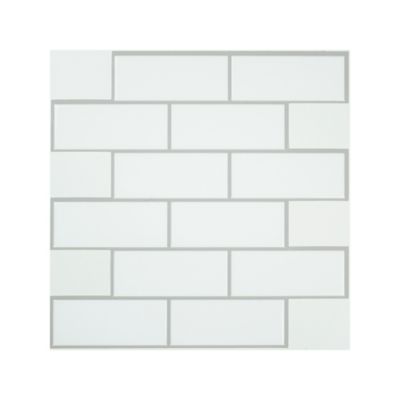
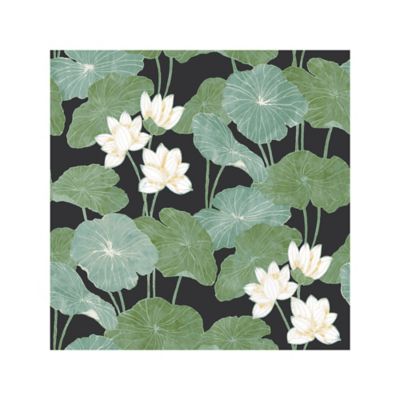
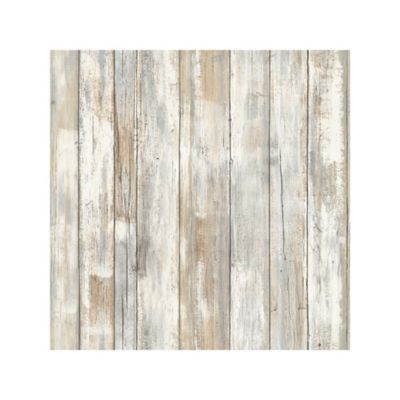
Peel and stick wall coverings make it easier to bring color, pattern, and personality into a room without the paste, water, or long-term commitment that comes with traditional wallpaper. Each covering has a backing that lifts away to reveal a self-adhesive surface, allowing it to be pressed directly onto a prepared wall or other suitable surface. This makes it a handy choice for renters, busy households, first-time DIYers, and anyone who enjoys changing a room as their style grows. A soft botanical pattern can give a spare bedroom the feel of a garden room, while a simple geometric design can sharpen up a home office, mudroom, or laundry area. In a farmhouse, cabin, or country home, peel and stick wall coverings can add warmth behind open shelving, brighten a breakfast nook, or create a welcoming entryway without taking on a full renovation. They can also be useful in smaller spaces where a little visual interest goes a long way, such as a powder room, reading corner, hallway, or the wall behind a desk. For ideas suited to a gathering space, browse
Peel and Stick Wallpaper for Living Rooms. These coverings are often chosen for feature walls, but they may also be used on cabinet fronts, the backs of bookcases, furniture panels, closet interiors, and other smooth decorative surfaces when the material and surface are compatible. A roll can make a thoughtful housewarming gift for someone settling into a new place, a useful present for a college student decorating a dorm-style room where changes need to be removable, or a fun choice for a family member who likes refreshing a nursery, craft room, or guest space. During the cooler months, when people tend to spend more time indoors, a small decorating project can make a room feel brighter and more comfortable without requiring a whole weekend of construction.
A good result starts before the first piece goes on the wall. The surface should be clean, completely dry, smooth, and free from dust, grease, loose paint, heavy texture, and anything that could keep the adhesive from making firm contact. Wipe the area according to the wall finish and allow it to dry fully. Non-stick paint, fresh paint that has not cured, rough paneling, brick, and heavily textured walls may not provide the dependable surface needed for a neat application. When a wall has nail holes, flaking paint, or small dents, repairing and smoothing those areas first can help prevent bumps from showing through. Measure the height and width of the area, then check the roll dimensions and pattern repeat so there is enough material for trimming and matching. It is wise to order or set aside extra material when covering a large wall, especially when a design needs careful alignment from one strip to the next. Before committing to the full installation, test a small piece in an out-of-the-way spot and follow the product’s instructions for removal and surface compatibility. A level, tape measure, pencil, smoothing tool, and sharp utility knife are useful supplies to have on hand. A straightedge can help guide clean cuts, while a clean cloth can press down edges without scratching the finish. Work from the top down, exposing only a little of the backing at a time instead of removing the entire liner at once. Smooth the covering outward as you go, working slowly to release air and keep the material straight. If the design has a repeating pattern, line up the next strip at eye level first, then continue checking the match as you move down the wall. Small bubbles can often be worked toward an edge with a smoothing tool, but lifting and repositioning should be done gently so the adhesive and covering remain in good shape. A helper can make long strips easier to manage, particularly when working on a tall wall or around windows and door trim.
Choosing the right peel and stick wall covering comes down to the room, the surface, the amount of traffic, and the look you want to live with. Thicker coverings are generally easier to handle and may do a better job of disguising minor wall imperfections, while lighter designs can provide a quick change of scenery in a temporary space. Look closely at the color, scale, and pattern repeat. Large prints can make a strong statement on one accent wall, while smaller patterns may feel more balanced across a hallway or compact room. Light colors can help a dim space feel more open, and deeper tones can bring a snug, settled feeling to a den or bedroom. For a busy household, consider where fingerprints, dust, and scuffs are most likely to show, and follow the care instructions before using a covering near sinks, stoves, heaters, or areas exposed to moisture. Keep heat sources, open flames, and coverings that are not rated for damp locations in mind when planning an installation. Removable does not mean every wall will be left exactly as it was, so removal should be done carefully by loosening a corner and pulling slowly rather than yanking the material away. Saving a little extra covering can be helpful for future repairs, especially in a playroom, entryway, or mudroom that sees muddy boots and everyday wear. Whether you are freshening up a rented home, giving a child’s room a cheerful backdrop, or adding a bit of country character before family arrives during the cooler season, peel and stick wall coverings offer a practical way to make a space feel more like your own.