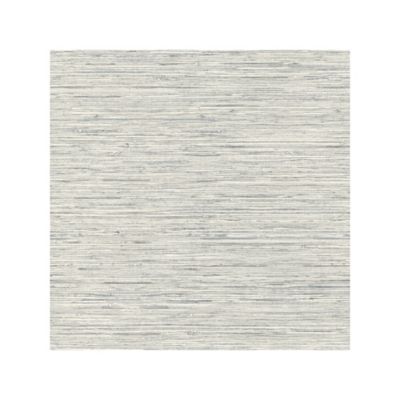
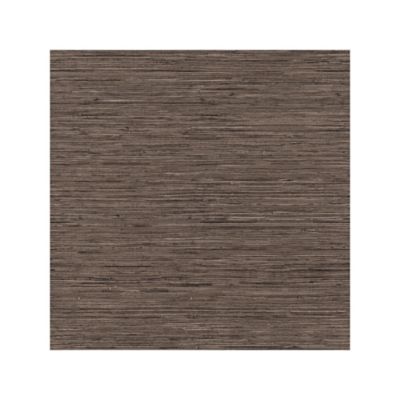
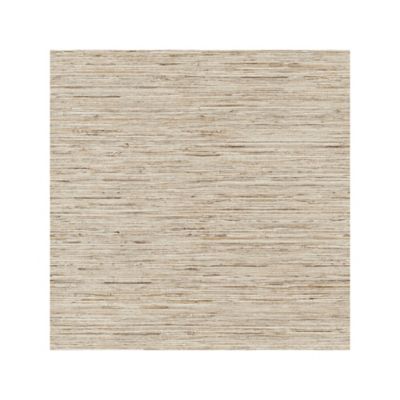
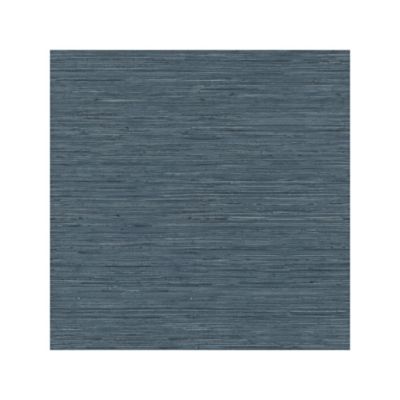
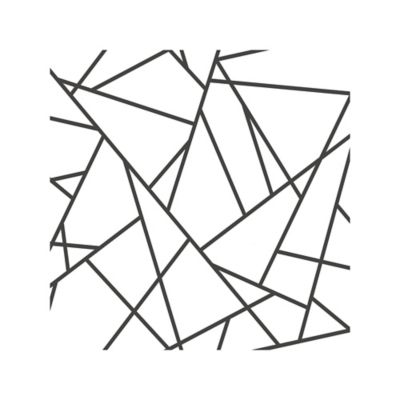
Peel and stick wallpaper for shelves brings color, pattern and a fresh finish to bookcases, cabinet interiors and open storage without the paste that traditional wallpaper requires. Its adhesive backing makes it a practical option for changing the look of a shelf unit, especially when the frame still has plenty of life left but the inside feels plain. A patterned back panel can give everyday dishes a brighter setting, put a little contrast behind a row of books or make a small entryway shelf feel more finished. Covering the horizontal shelf surface serves a different purpose, so the distinction matters: wallpaper intended for walls is not automatically suitable for the rubbing, sliding and spills that shelf tops can face. For surfaces that hold frequently handled objects, look for manufacturer approval for that application, along with care directions that match the job. Adhesive shelf liner or contact paper may be a better fit where repeated wiping and friction are the main concerns. Wallpaper often makes the most sense on upright back panels and other areas with less direct contact. Smooth, sealed surfaces generally offer a better foundation than rough boards, porous particleboard or flaking paint, though compatibility depends on the covering and the finish underneath. On an old farmhouse bookcase, for instance, the painted back may accept an adhesive covering while the unfinished shelf edges do not. Renters and anyone refreshing a borrowed cabinet should also check removal guidance; a peel-and-stick label does not promise damage-free removal from every finish. For a broader look at patterns suited to upright surfaces,
Peel And Stick Wall Coverings offers a related category to consider. Whether the setting is a kitchen hutch, a home office or a hallway catchall, the best match starts with the surface itself and how the storage area earns its keep.
Material, finish and roll dimensions all influence how peel and stick wallpaper looks and holds up on shelving. Vinyl-faced coverings can offer a wipeable surface, while paper-based and other constructions may call for gentler care; the label should spell out the cleaning limits rather than leaving them to guesswork. A smooth face is generally easier to wipe than a deeply textured one, where dust can settle into the pattern. Thickness matters, too, but a thicker covering will not necessarily hide roughness or bridge damaged spots beneath it. Shelf tops that carry baskets, bins or pottery need particular attention because repeated dragging can scuff the face or catch an exposed seam. A back panel behind those same objects sees much less rubbing, making it a more forgiving place for a printed finish. Fit involves more than the length of the roll. Shelf depth, inside width, panel height and the number of separate sections determine the amount of coverage needed, and pattern repeats can add to that total. A large plaid or broad floral may need extra material to keep neighboring sections lined up. Small prints and subtle textures can be easier to arrange across narrow cubbies, where only a little of the background remains visible. Roll width also affects seam placement: a covering wide enough for the full shelf depth may allow a single piece across the surface, while a tall bookcase back may require adjoining strips. Front lips, rounded edges, support brackets and shelf-pin holes can complicate the fit, especially in cabinets with fixed shelves. Removable shelves offer better access to corners, but their snug fit still needs room for any added covering. Clean, dry surfaces free of dust, grease and cleaning residue give the adhesive a better chance to bond as intended. Fresh paint needs its full curing period, and an inconspicuous test patch can help reveal adhesion or finish problems before a whole cabinet is covered. Those details matter more to a neat result than choosing a pattern alone.
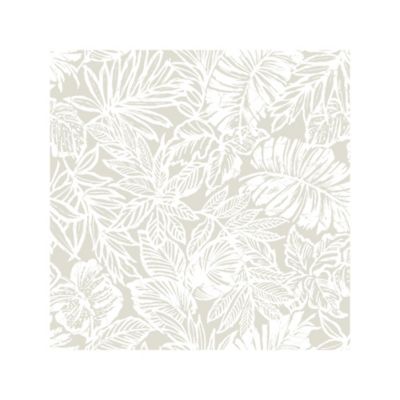
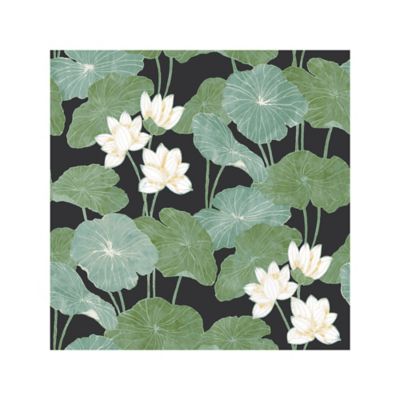
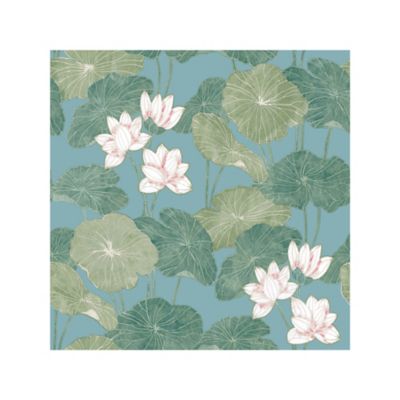
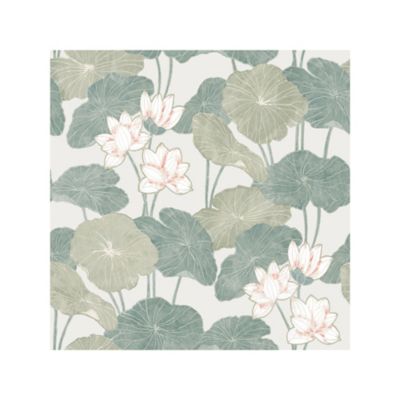
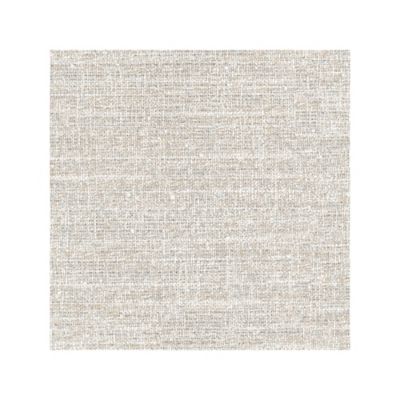
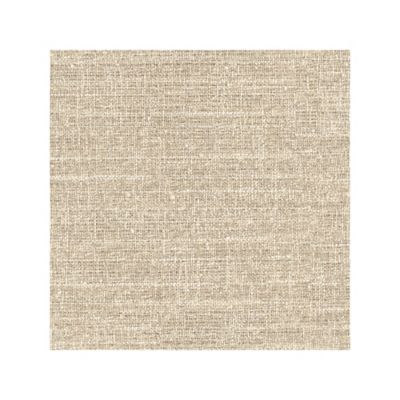
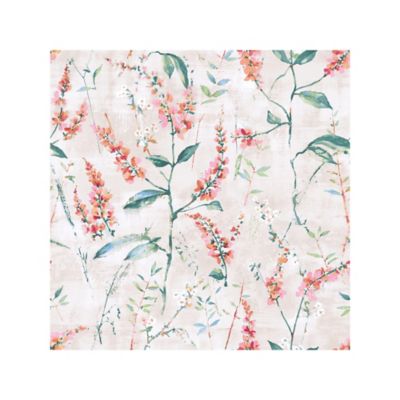
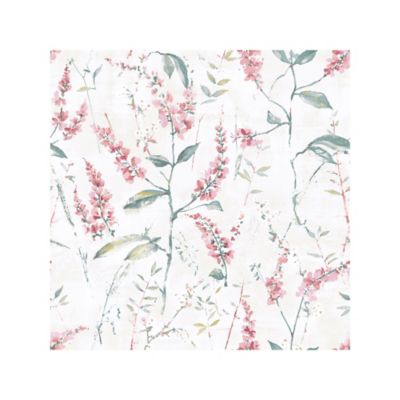
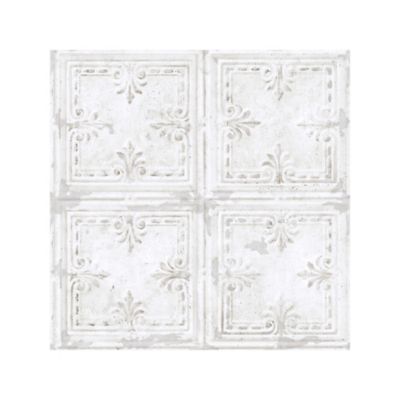
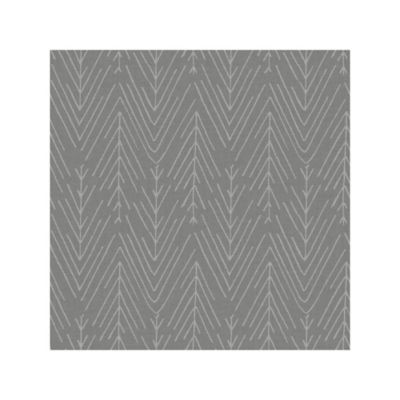
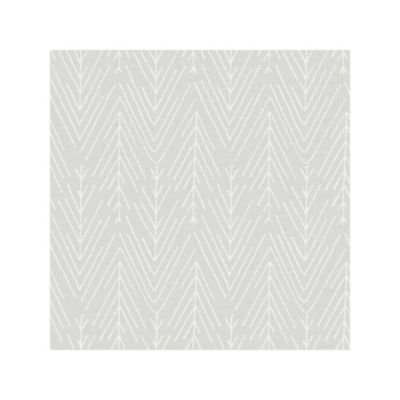
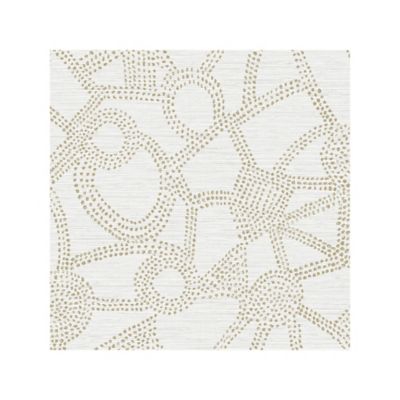
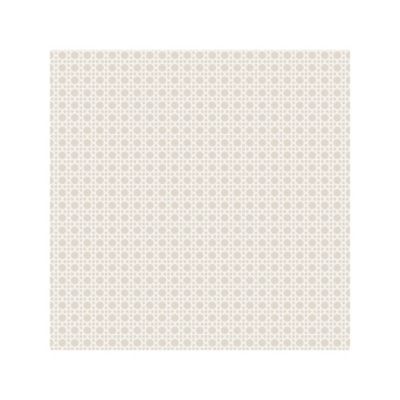
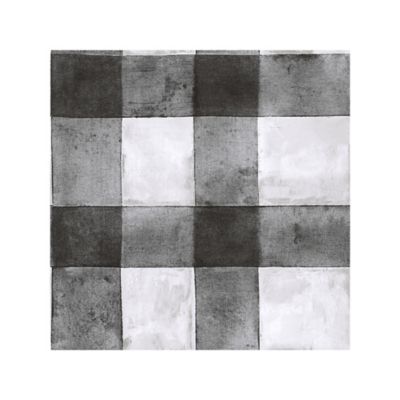
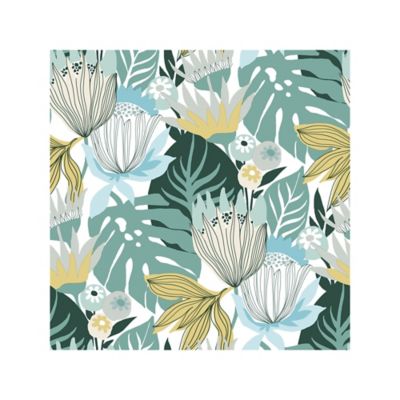
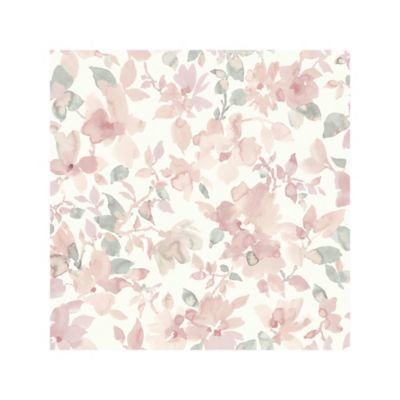
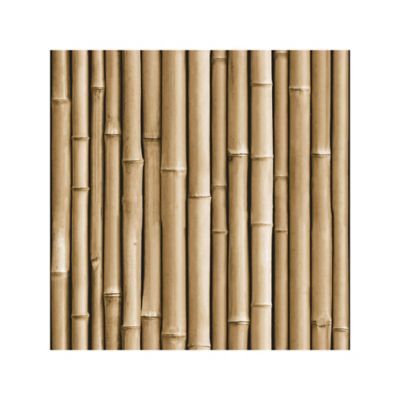
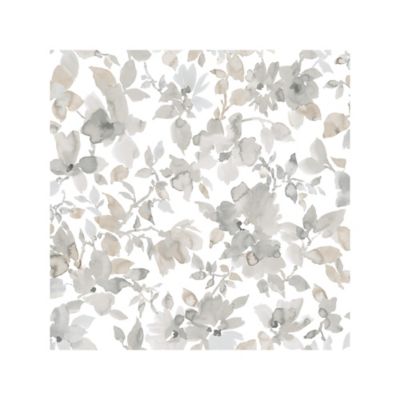
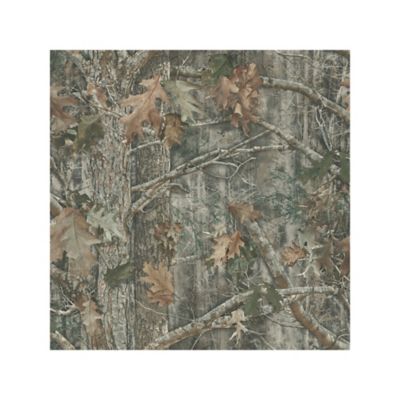
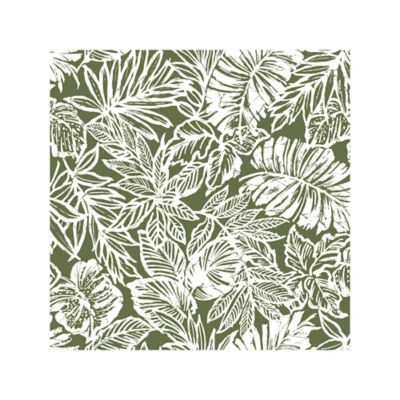
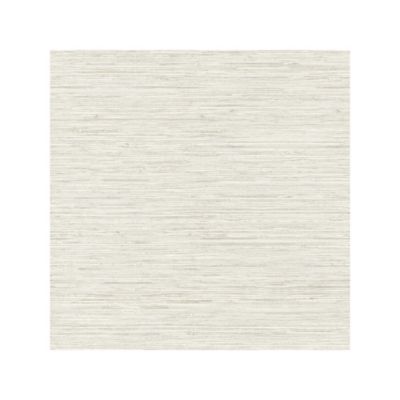
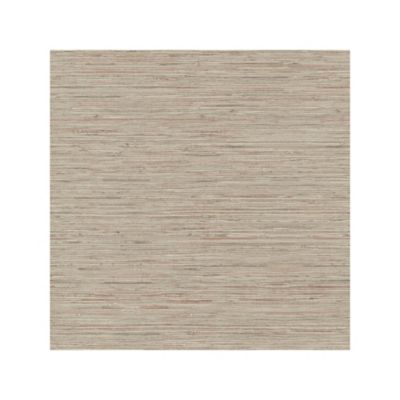
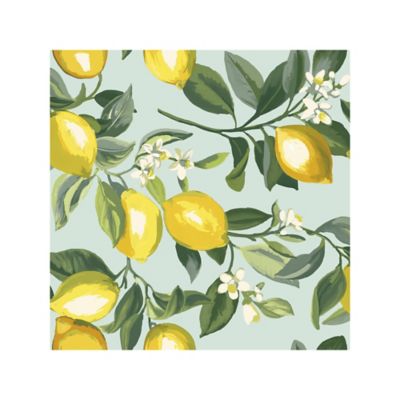
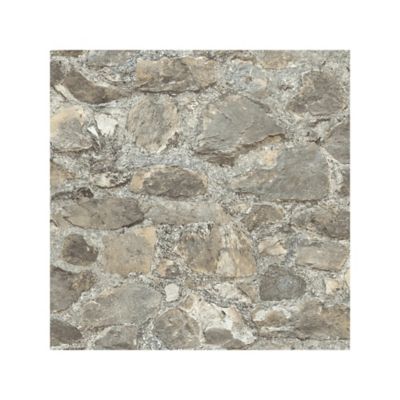
The right pattern for shelf wallpaper depends as much on what sits in front of it as on the room around it. Light colors can make a shadowy cabinet interior feel more open, while a deeper background gives pale dishes and glassware stronger contrast. Wood-look prints bring grain and visual warmth to plain shelving without adding another board, and stone-look patterns can lend a crisp appearance to a small display area. Neither changes the underlying surface into wood or stone, so care still follows the covering’s instructions. Checks, stripes and botanical prints each bring a different feel: a narrow stripe can look tidy behind office supplies, while a small leafy pattern sits comfortably among cookbooks and everyday crockery. Busy shelving often benefits from a quieter background, especially when book spines, labels and storage baskets already supply plenty of color. In a child’s reading nook, a cheerful print on the back of a low bookcase can brighten the space without covering the entire room. In a mudroom cabinet, a simple pattern behind hats and folded towels adds interest where it remains mostly sheltered from scraping. For pantry shelving, food-contact suitability should be confirmed rather than assumed; wallpaper is not automatically a food-safe lining, and packaged goods belong on a surface appropriate for their storage. Cleaning needs deserve the same practical thinking. A washable label does not necessarily mean the covering tolerates soaking, abrasive pads or strong household cleaners. Care may be limited to a soft cloth and a mild cleaning solution, with attention to keeping excess moisture away from seams and edges. Sharp-bottomed containers, rough basket bases and repeated movement can shorten the life of a covering on horizontal shelves, even when the surface looks substantial. Removal and repositioning claims also vary, and repeated lifting may weaken the bond. Peel and stick wallpaper works best as a finish for sound shelving, not as a repair for loose boards, damaged coatings or moisture problems. Matched to the right surface and everyday routine, it can give hardworking storage a fresh look while keeping the familiar cabinet or bookcase that already fits the home.