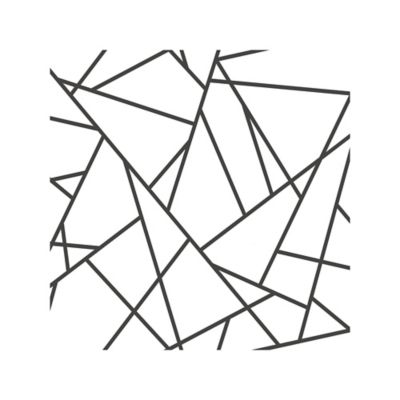
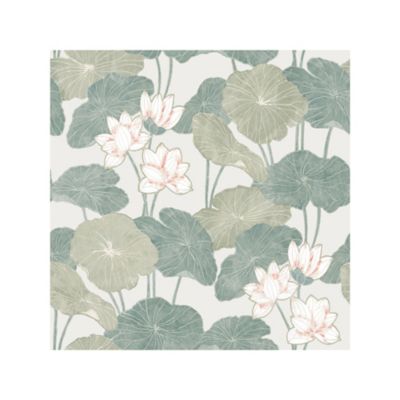
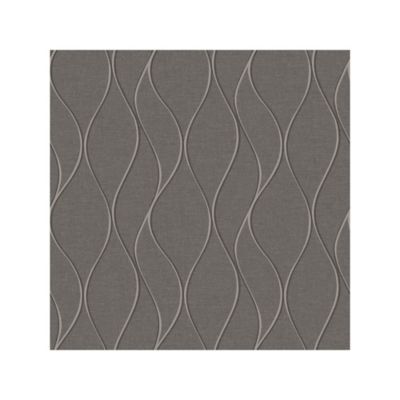
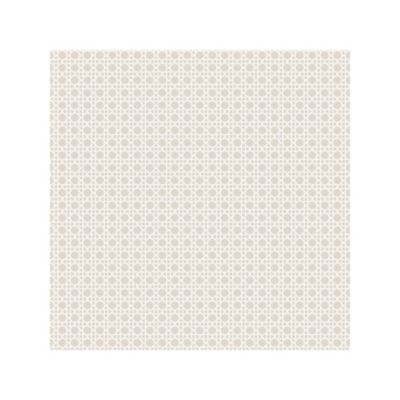
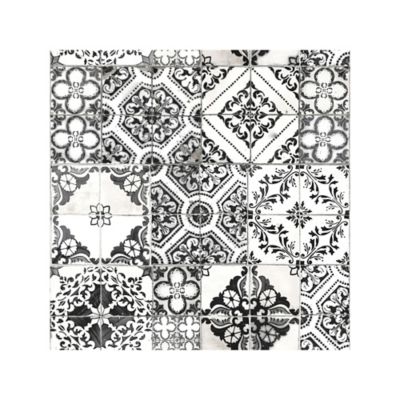
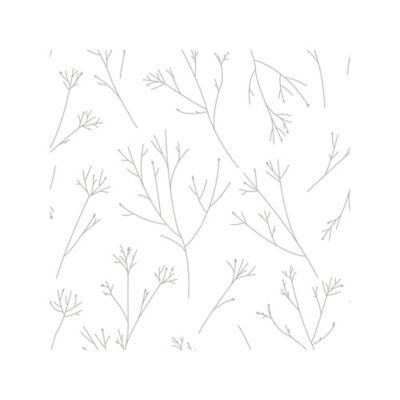
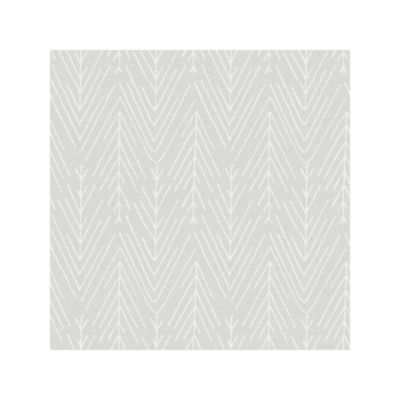
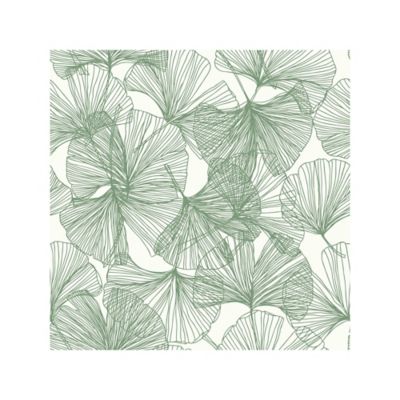
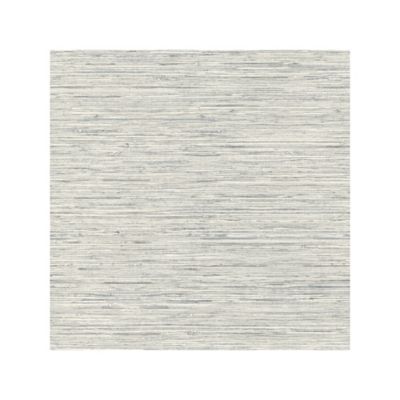
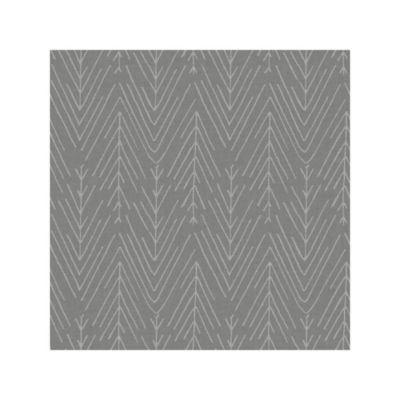
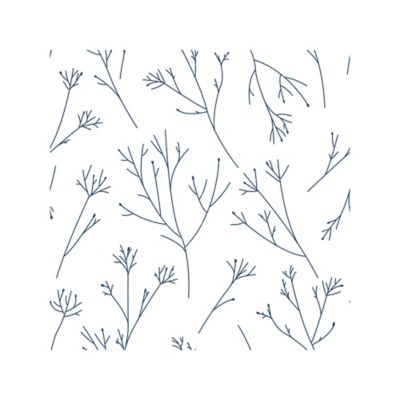
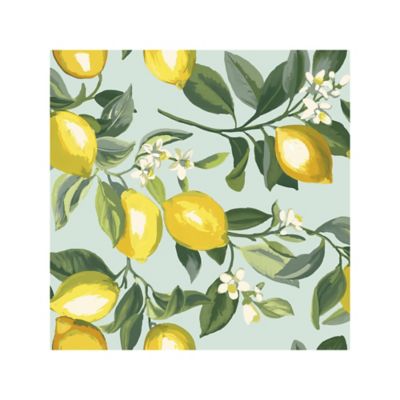
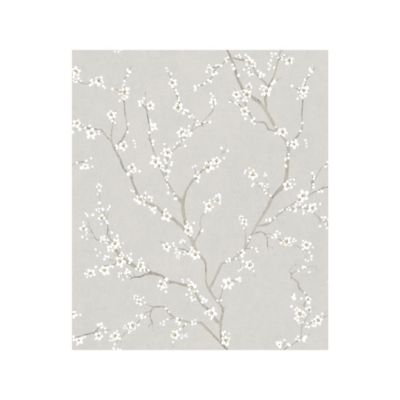
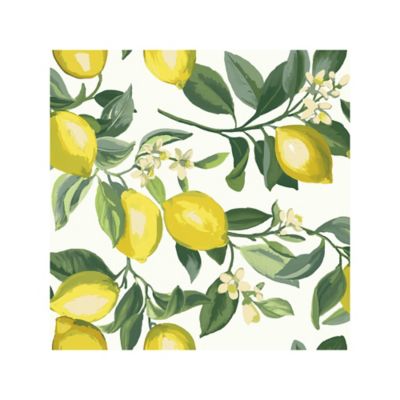
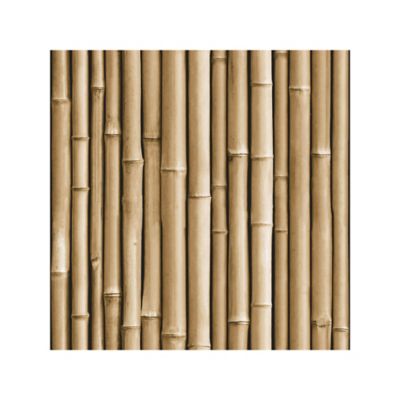
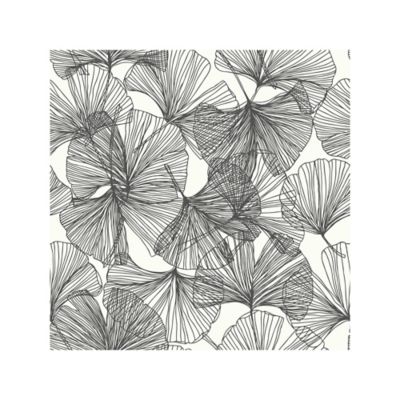
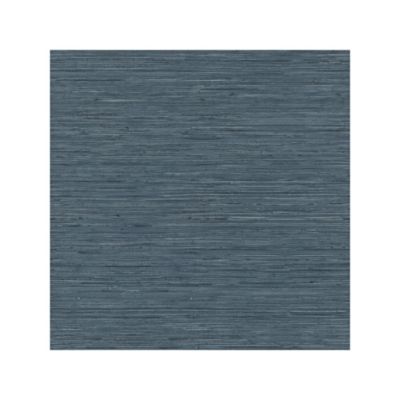
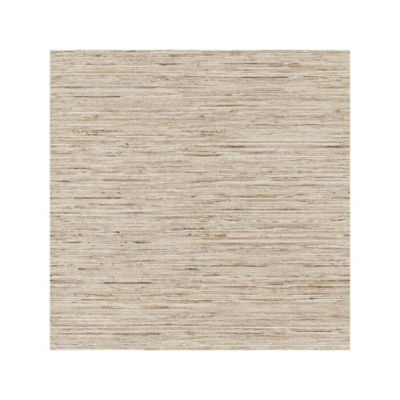
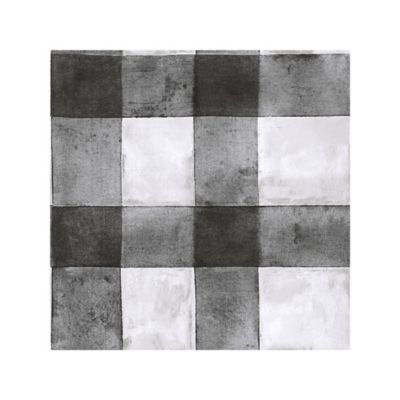
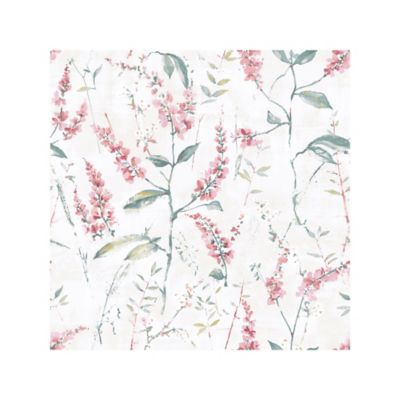
Minimalist peel and stick wallpaper is a self-adhesive wall covering with simple patterns, clean lines, and restrained colors, designed to go up without separate wallpaper paste. Soft neutrals, fine stripes, small geometric shapes, and understated solid-color looks give a room some character without making every wall the center of attention. That balance works well in a farmhouse kitchen, a home office tucked off the hallway, or a bedroom where the furniture and bedding already bring plenty of color. Minimalist does not have to mean plain white, either. Warm cream, sandy beige, muted green, charcoal, and pale gray can all fit the look when the pattern stays uncluttered. A narrow stripe can draw the eye along a wall, while a lightly printed weave can add visual depth without a bold motif. From across the room, some patterns read almost like a solid color; up close, their smaller details become easier to see. That makes pattern scale just as important as the color itself. A broad geometric repeat needs enough open wall to show its shape, while a fine line or small motif can feel more at home beside a doorway or above a mudroom bench. Wood trim, woven baskets, painted cabinets, and a well-worn dining table all sit comfortably against a quiet backdrop. The wallpaper does not need to match every surface exactly. Keeping a similar warm or cool undertone often does more to pull the room together than choosing identical shades. A single covered wall can define a reading corner or workspace, while a continuous pattern around a room creates a more enveloping feel. For households balancing busy schedules, shared rooms, and furniture collected over time, this style offers a straightforward way to make the space feel pulled together without adding more objects to dust or work around. It also leaves room for framed pictures, useful hooks, and everyday belongings to stand out rather than compete with the background.
Materials and wall fit make a real difference in how minimalist peel and stick wallpaper looks after installation. Wall coverings in this category may have vinyl, paper, or fabric-based construction, and those differences affect surface feel, cleaning options, and placement. A matte finish tends to keep reflections down, while a smoother finish may make fingerprints and small splashes easier to wipe away when the care directions allow it. Printed texture and raised texture are not the same thing: a linen-look design may appear woven while feeling smooth to the touch. Surface compatibility deserves close attention, especially in older homes with patched plaster, textured drywall, or several layers of paint. Many self-adhesive wallpapers call for a smooth, clean, dry, fully cured painted surface. Deep wall texture can prevent even contact, and loose paint or dusty patches can interfere with the bond. Fresh paint also needs its full curing period, not just enough time to feel dry, with the paint and wallpaper directions setting the requirements. Removable wallpaper is not a promise of damage-free removal from every finish, so a small test area matters, particularly in a rental or on a wall with an uncertain paint history. Roll width, roll length, pattern repeat, and match type all affect how much material a wall needs. Doors and windows interrupt the surface, but pattern alignment can still require extra length around those openings. Even a simple stripe needs careful placement because a slightly uneven ceiling or an out-of-square corner can make straight lines look off. For a project with adjoining panels, matching production lots can help reduce visible color differences. A sample, when offered, gives a better sense of the finish and scale against the actual wall than a screen image alone. Looking at it beside the floor, trim, and larger furniture helps reveal whether a gray leans blue or a cream looks more yellow than expected. Those small distinctions become especially noticeable in a restrained room, where fewer patterns compete for attention.
Everyday care and intended use help narrow the choice beyond appearance. A bedroom accent wall has different demands than a narrow entry where coats, bags, and chair backs brush the surface. In a busy pass-through, the ability to gently wipe away a mark may matter more than a pronounced surface texture. Cleaning directions vary by material, but abrasive pads, strong cleaners, and hard scrubbing can harm the print or finish. Where damp wiping is permitted, a soft cloth and a light touch are a better fit than soaking the surface or working moisture into the seams. A wipeable face does not automatically make wallpaper waterproof or suitable for a shower enclosure, a frequently splashed sink area, or a spot exposed to cooking grease. Bathrooms, laundry rooms, and kitchen applications need a wall covering specifically suited to those conditions, along with any placement limits stated by the manufacturer. Smaller applications offer another way to bring the look into a home without covering a full wall. A bookcase back, recessed nook, or cabinet interior can carry a soft stripe or low-contrast pattern that ties in with nearby paint. For smaller storage projects,
Peel and Stick Wallpaper for Shelves provides a related option to explore, with surface compatibility and cleaning needs still worth checking. Shelf surfaces also take friction from sliding baskets, jars, and books, so wall suitability alone does not establish suitability for that job. In a craft room or home office, a quiet pattern behind open shelving can give supplies a tidy backdrop without making labels harder to spot. In an entryway, a restrained wall covering can frame a bench and a row of hooks while leaving the room practical for daily traffic. The best fit comes from matching the material, finish, and scale to the space, then choosing a pattern that still feels easy to live with once the room is full of everyday activity.