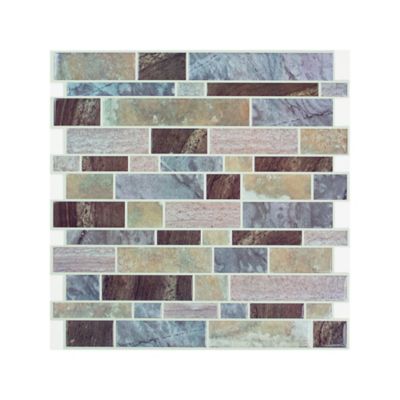
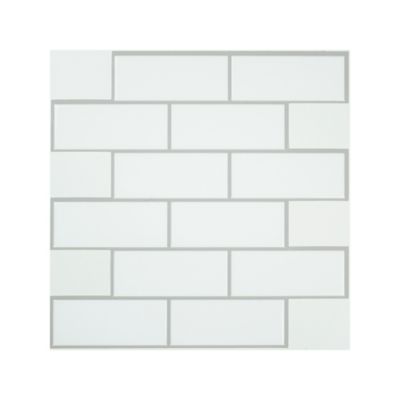
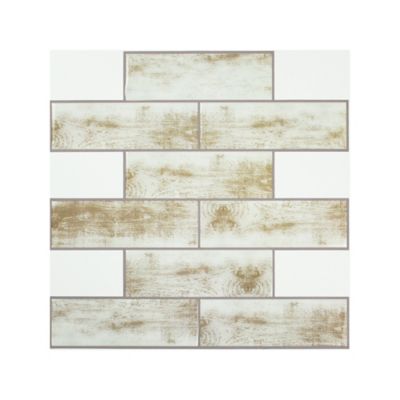
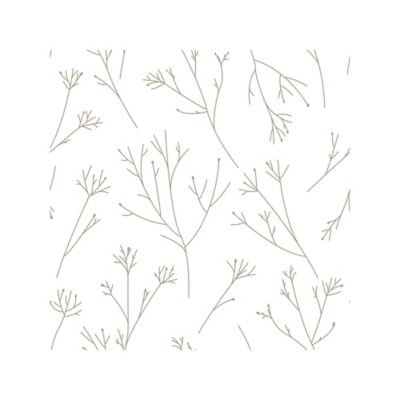
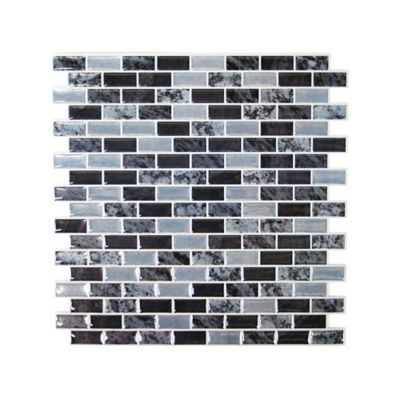
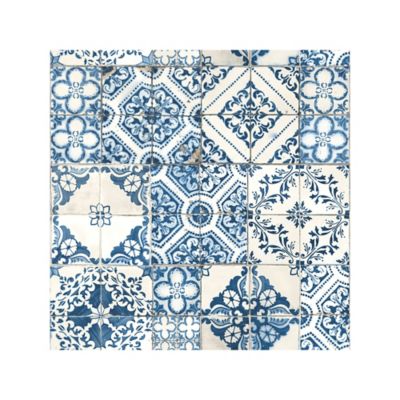
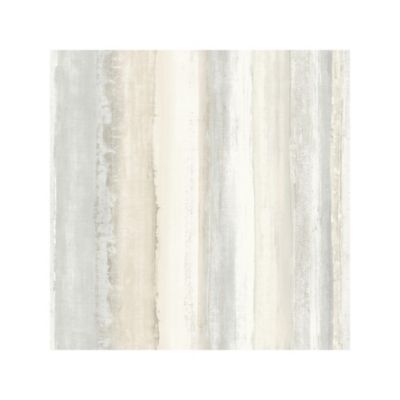
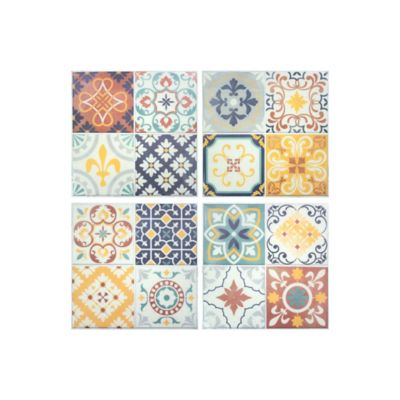
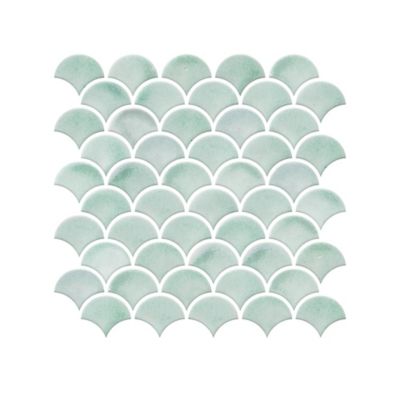
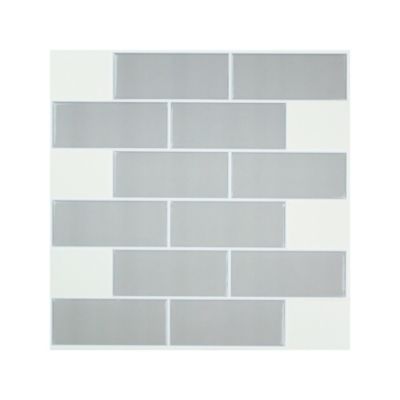
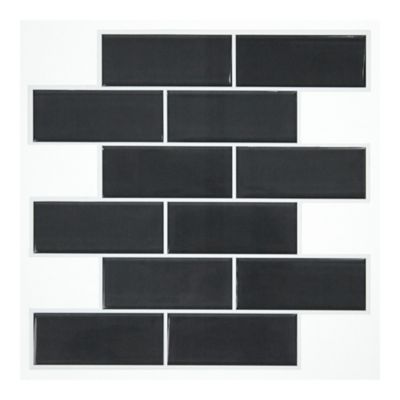
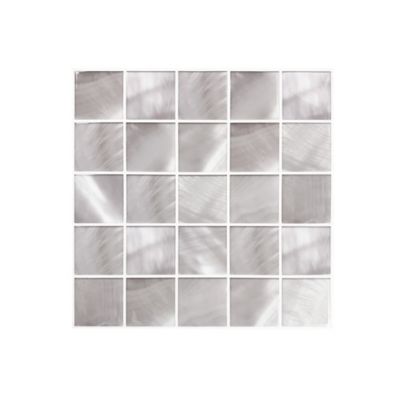
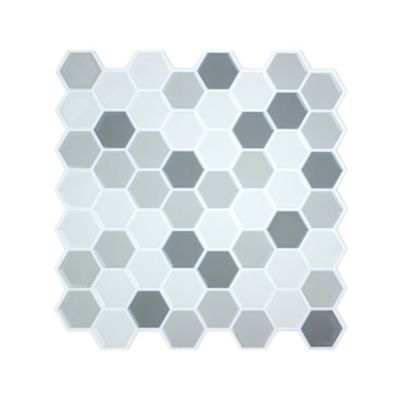
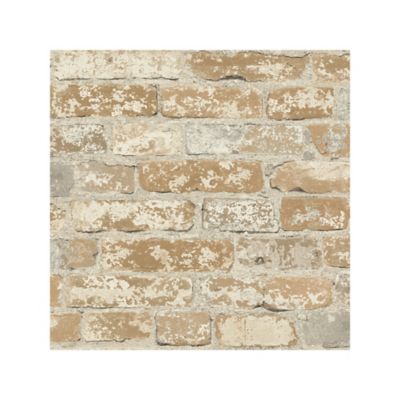
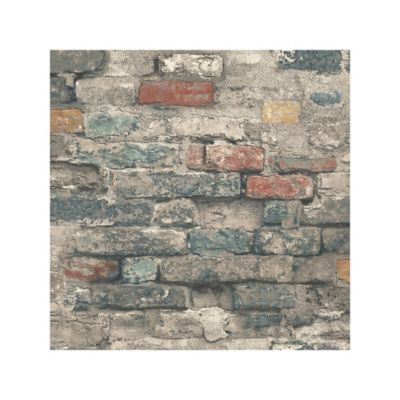
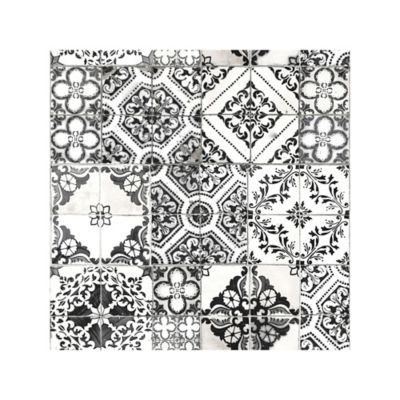
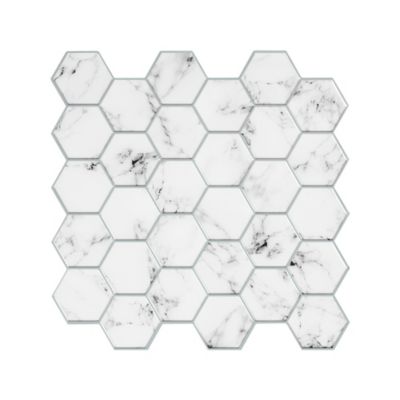
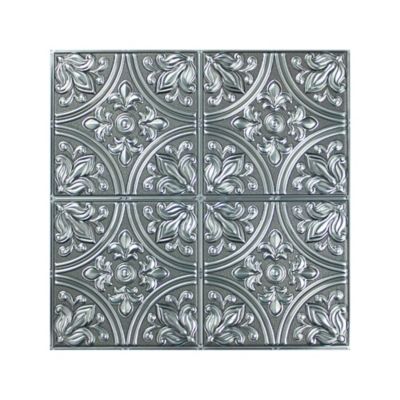
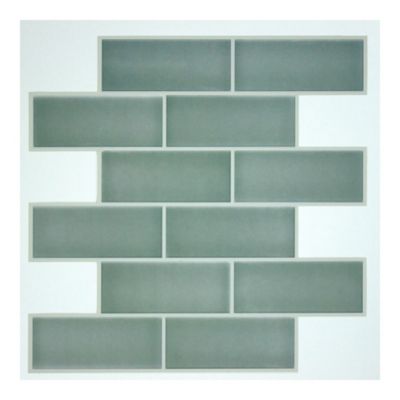
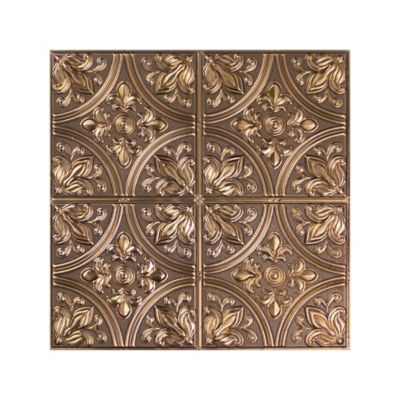
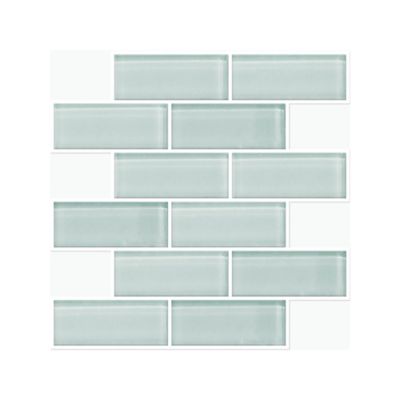
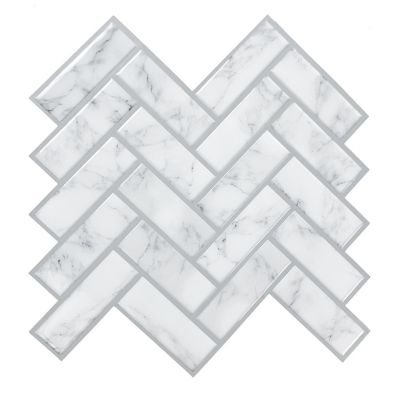
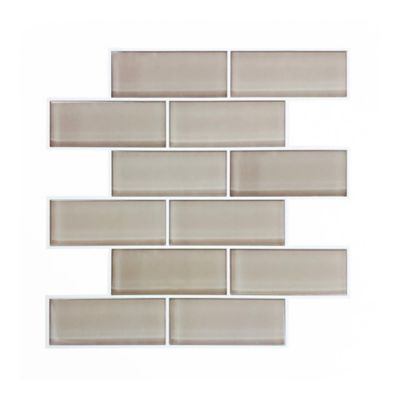
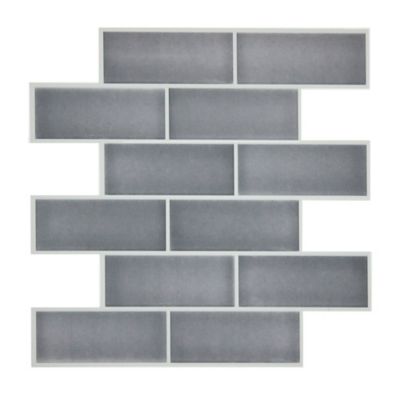
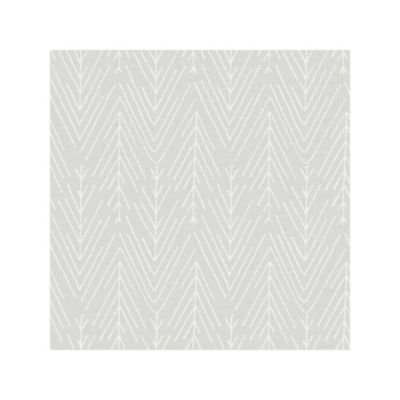
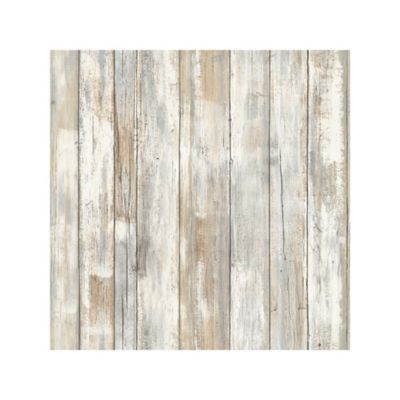
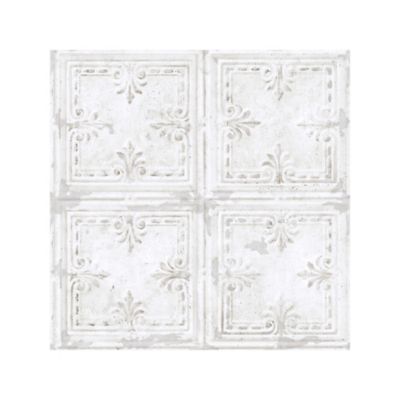
Peel and stick bathroom wall tiles bring the look of tile to vanity backsplashes, accent walls, and other suitable bathroom surfaces with an adhesive backing instead of a traditional mortar bed. Depending on their construction, they may have printed patterns, raised faces, or individual pieces arranged on a sheet to resemble a tiled surface. They’re a practical option for homeowners who want to freshen up a bathroom without taking on a full tile installation, whether that means a narrow strip behind a pedestal sink or a wall above a farmhouse vanity. The material makes a difference in both appearance and handling. Flexible vinyl tiles are generally lightweight and easy to trim, while some resin-faced designs have a rounded surface that catches the light much like glazed tile. Composite options vary in thickness and rigidity, and adhesive-backed natural stone brings real mineral variation along with more weight and different cutting requirements. Stone may also need sealing, depending on its type and the manufacturer’s directions. These materials aren’t interchangeable, even when their patterns look similar in a photo. A marble-look sheet can have a very different feel, edge profile, and care routine from actual marble. Subway patterns offer straight lines that sit comfortably alongside painted cabinets and simple hardware, while hexagons and small mosaics add more pattern to a compact space. White and cream tones keep the wall visually quiet; gray, blue, and earth tones can tie in with flooring, towels, or a wood vanity. Finish matters, too: glossy faces reflect light and may show water spots, while matte surfaces have a softer appearance but still need regular cleaning. Shoppers comparing tile effects with other wall treatments can also explore
Peel And Stick Wall Coverings. For a bathroom, though, appearance is only part of the decision. The intended location, the condition of the wall, and the material’s stated moisture limits all help determine whether an adhesive-backed tile belongs there.
Bathroom humidity, occasional sink splashes, and continuous shower spray are different kinds of exposure, and peel and stick bathroom wall tiles should be matched to the conditions they’re rated to handle. A water-resistant face does not necessarily make the seams, edges, backing, or wall beneath it waterproof. Many options are intended for vanity backsplashes and walls outside direct-water areas, rather than shower interiors, tub surrounds, or surfaces where water collects. Even if a tile wipes dry easily, moisture that reaches an edge can affect the bond or the underlying wall. Shower placement calls for a product explicitly approved for that application and an installation that meets all associated requirements; adding caulk alone does not turn a wall accent into a waterproof shower system. Around a sink, manufacturer-specified edge treatment can help address splash exposure, but the wall still needs to be suitable for the adhesive. Smooth, sound, clean, dry surfaces generally give the backing better contact than rough plaster, peeling paint, or heavily textured drywall. Soap residue, dust, and oily cleaning films can interfere with adhesion even when the surface looks fairly clean. Fresh paint must finish curing for the period specified by both the paint and tile manufacturers, rather than simply feeling dry to the touch. Existing ceramic tile may be an acceptable base for some designs, although deep grout joints and uneven edges can show through thin sheets or leave portions unsupported. Those details matter in a small bathroom where a light beside the mirror can make every ridge stand out. A wall with an active leak, mold, or soft drywall needs the underlying problem addressed before any covering goes on. Good ventilation also helps manage everyday bathroom moisture. For a busy family bath, a guest washroom, or a bathroom off the laundry room, the best fit is a tile whose installation limits match the actual space—not just the look pictured on the package.
Size, thickness, and pattern layout have as much bearing on the finished wall as color does. Peel and stick tile sheets may overlap or interlock, so their overall dimensions can differ from the area each sheet actually covers. Coverage figures and repeat patterns help shoppers judge how much material a backsplash or accent wall requires, with allowance for trimming around corners, mirrors, and fixtures. A large rectangular pattern can look clean across a broad wall but leave awkward slivers beside a narrow medicine cabinet. Smaller mosaics offer more pattern repeats in tight spaces, though keeping their lines straight still takes care. Exposed edges deserve attention, especially where a backsplash stops beside the vanity or meets an adjoining painted wall. Tile thickness influences whether a finishing trim is appropriate and how the covering meets outlet plates and existing molding. Flexible sheets may trim with scissors or a utility knife, while thicker composite or stone tiles can call for other cutting tools; the material’s directions determine the right method. Wall-rated tiles also should not be assumed suitable for floors, countertops, or shelves that face standing water and abrasion. Once installed, everyday care usually centers on a soft cloth and a compatible, nonabrasive cleaner, followed by drying where the manufacturer recommends it. Harsh solvents, scouring pads, and excessive soaking can damage some faces or weaken edges. Raised patterns and closely spaced joints may take a little more attention around toothpaste splashes and soap residue than a flatter surface. Adhesive strength is another consideration for anyone planning a short-term refresh. Peel and stick describes the installation method, not a promise of damage-free removal. Some backings bond firmly enough to lift paint or drywall paper later, making permission and removal expectations especially important in a rental. With a suitable wall, a moisture rating that fits the location, and care matched to the material, these tiles can give a hardworking bathroom a finished look without the scope of a traditional mortared tile project.