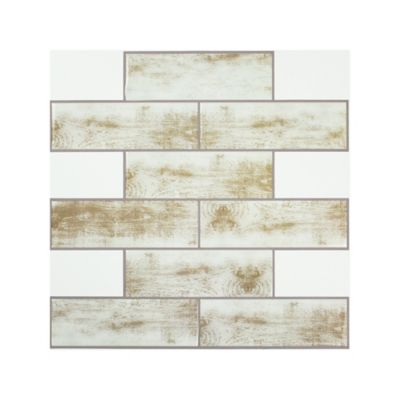
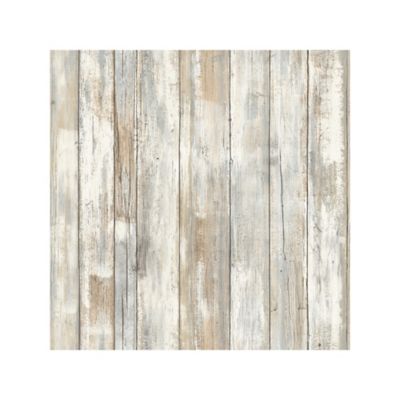
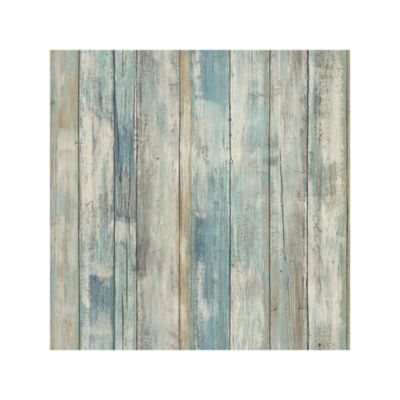
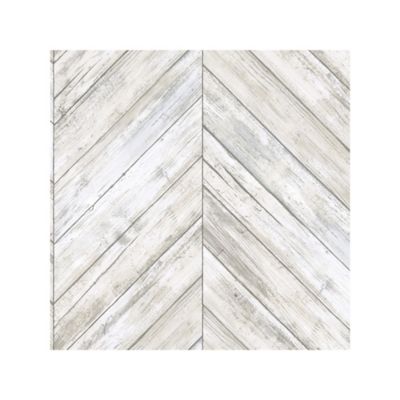
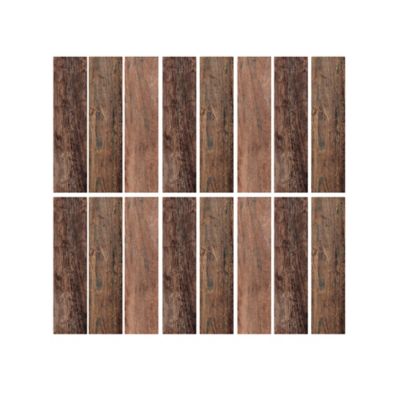
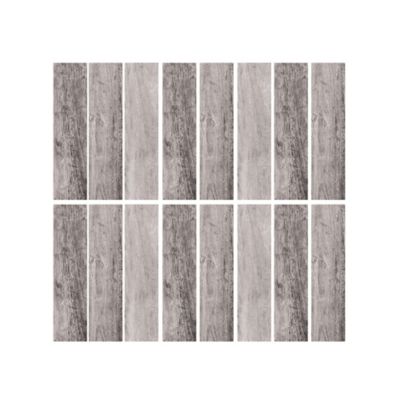
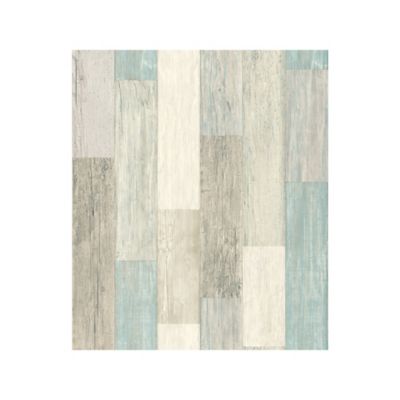
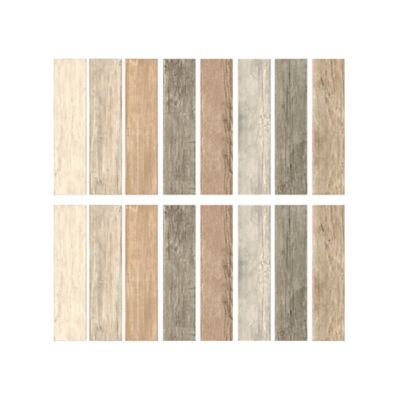
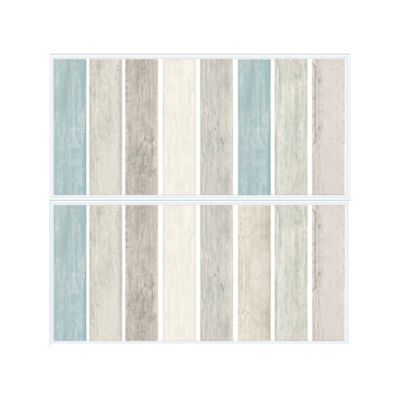
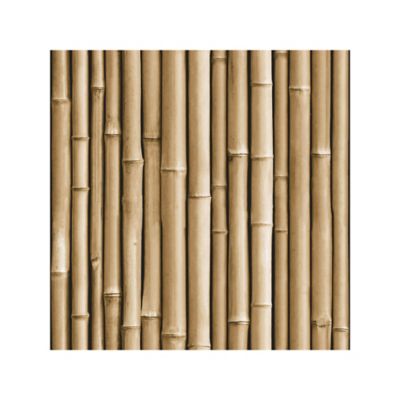
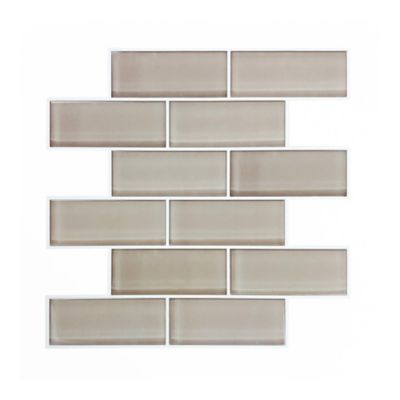
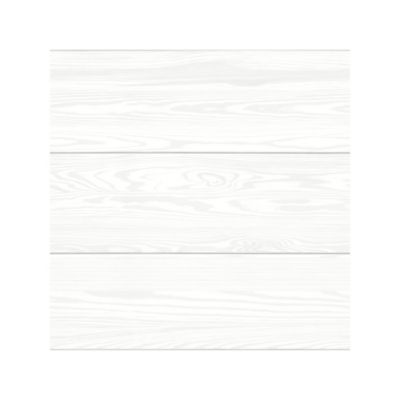
Peel-and-stick wood wall tiles bring the look of wood paneling to an accent wall without the grout that goes with ceramic tile. A layer of adhesive sits under a removable backing, so the pieces can bond directly to a suitable wall. The tiles come in shapes ranging from short rectangles that make a staggered pattern to long planks that carry the grain across a room. Shorter pieces can look right at home in the space between an entry bench and a row of coat hooks, while longer planks give a broad wall behind a bed or sofa fewer seams. For that longer profile,
Peel and Stick Wood Wall Boards are worth a look. Real wood has grain and color that shift from one piece to the next. A knot or a darker streak can stand out nicely on a small wall, but a mix of shades is worth picturing across the whole space if the goal is an even finish. Wood veneer has a thin layer of real wood over a backing, so it can have the grain of solid wood without the same thickness. Faux wood tiles made from PVC are often lighter and may have a raised grain or a slatted face. Some are water-resistant and easier to wipe off than unfinished wood, though that doesn’t make the seams waterproof. Felt-backed slat panels bring a deeper profile to the wall. Some are designed to soften echo in rooms with hard floors and bare walls, but that’s different from blocking sound between rooms. Not every slat panel has peel-and-stick backing, either. Finish matters alongside material: a deep groove casts a stronger shadow under a lamp, and a smooth face gives dust fewer places to settle. Even the direction changes the look. Horizontal rows draw the eye across a narrow wall, while vertical rows emphasize the height of a stair landing or a tall entry.
A clean, dry, smooth wall is the best starting point for most self-adhesive wall tiles. Sound painted drywall may be a good match if the paint has fully cured and the tile maker lists it as a suitable surface. Heavy texture, loose paint, dust and grease can all keep the backing from making full contact. That matters in a kitchen, where a wall can feel smooth but still carry a film near the cooking area. A backsplash calls for tiles rated for that spot, with the clearances around stoves and other heat sources spelled out by the tile and appliance makers. Standard peel-and-stick wood tiles aren’t meant for shower stalls, surfaces near an open flame or walls with an ongoing dampness problem. Where the wall is sound and the location is a fit, tile thickness and piece size make a difference in how neatly the surface comes together. A thicker plank can leave a raised edge where it meets a door casing, while a thin tile may sit closer to the trim. On a narrow strip beside a pantry door, a shorter tile might leave fewer awkward cuts than a long plank. Thin PVC and some thin wood products can be scored and cut with a utility knife if the maker recommends it, while thicker wood may call for a saw. Square footage gives a starting point for coverage, but the layout accounts for the pieces lost to cuts around outlets, corners and casing. About 10 percent beyond the measured area is a common allowance for a straight layout. A pattern with lots of short returns or angled cuts may need more. Check the stated coverage rather than guessing from the number of pieces, since two tiles with similar proportions can cover very different amounts of wall.
How well peel-and-stick wall tiles hold up depends on what happens around them day to day. A wall behind a headboard doesn’t take the same knocks as the spot where boots come off and bags get dropped. Raised edges and ridges can catch a backpack strap in a tight hallway, while shallow textures are generally easier to wipe down where hands and paws leave marks. An office nook or the back wall of a bookcase is a better setting for an unfinished wood face that’s meant to be dusted rather than scrubbed. For sealed wood or PVC that allows damp cleaning, a soft cloth can take care of most everyday smudges. Soaking the wall or scouring it can harm the finish, and water that works into a seam may loosen the bond. The maker’s care directions are a better bet than assuming every wood-look surface can handle the same cleaner. It’s also worth thinking about what the wall should look like after the tiles come down. Peel-and-stick describes how the tiles go up, not how they come off. Some backings are designed for removal, but even those can lift paint or leave residue depending on the wall finish and how long the tiles have been in place. That distinction is especially important in a rental or in a room likely to get another makeover. For someone already fixing up a mudroom, home office or guest room, wall tiles can make a thoughtful housewarming gift when the recipient has picked the finish and measured the space. Whether the project is a single strip behind the coat rack or a full wall in the den, the best fit comes down to the surface underneath, the amount of contact the wall gets and how much of the grain and texture will show in the room.