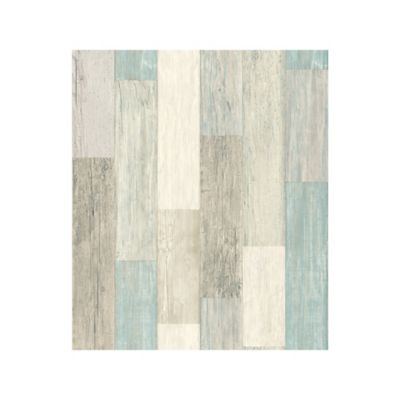
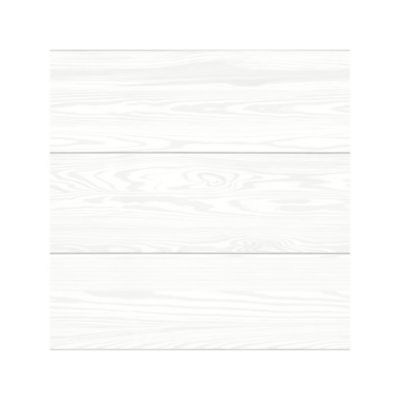
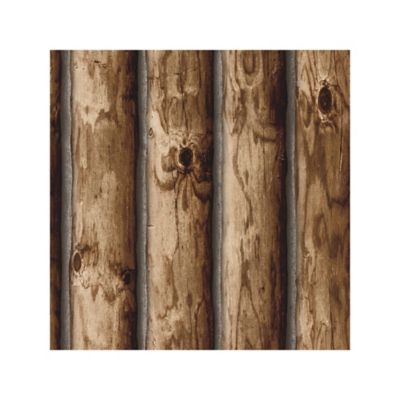
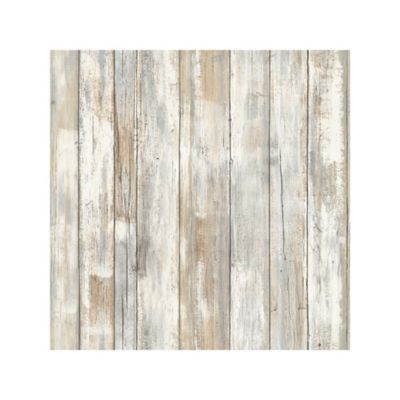
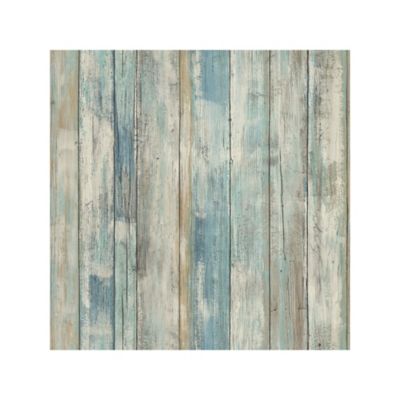
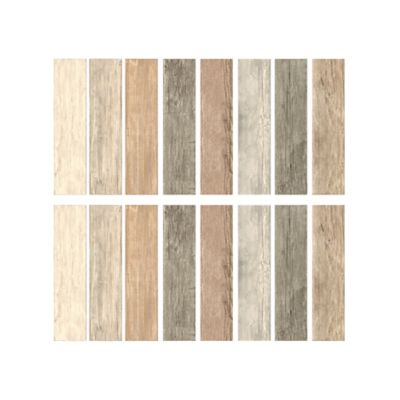
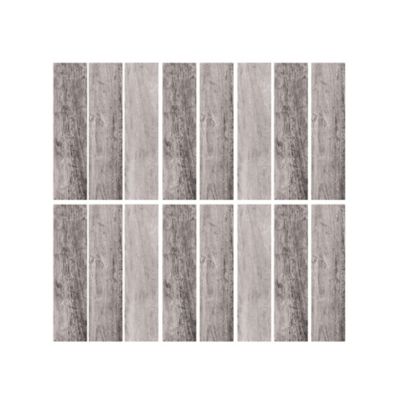
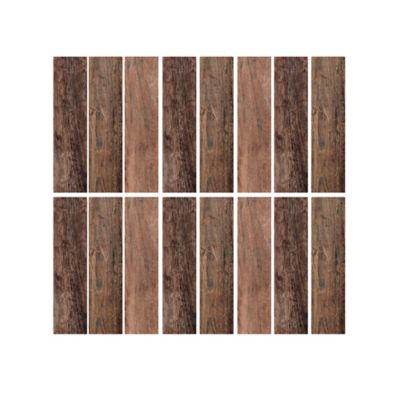
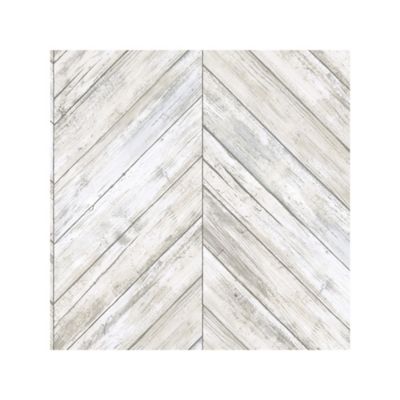
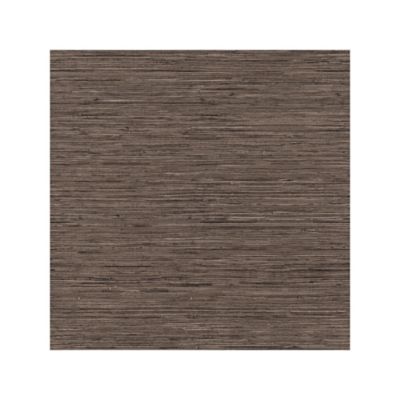
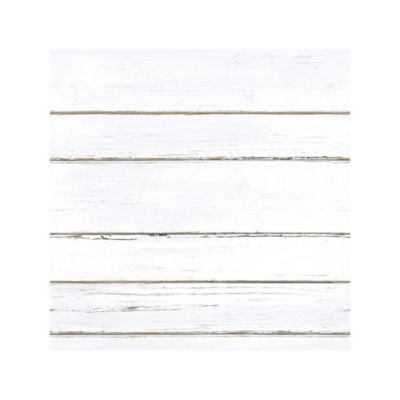
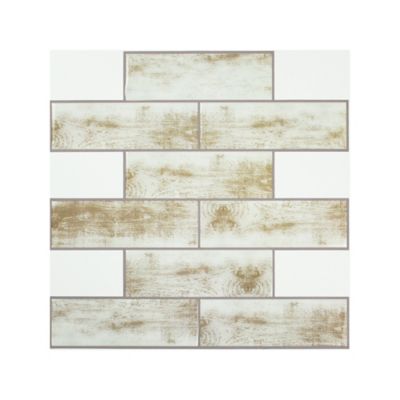
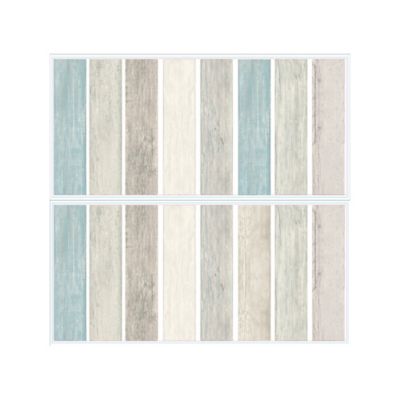
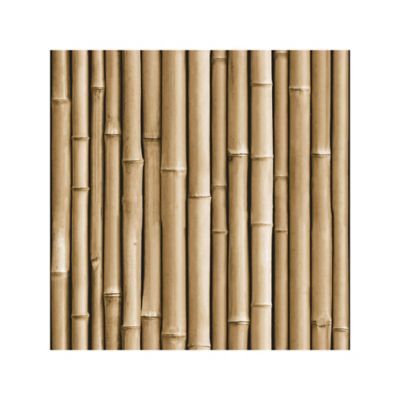
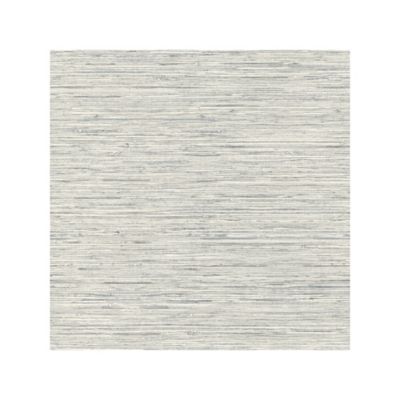
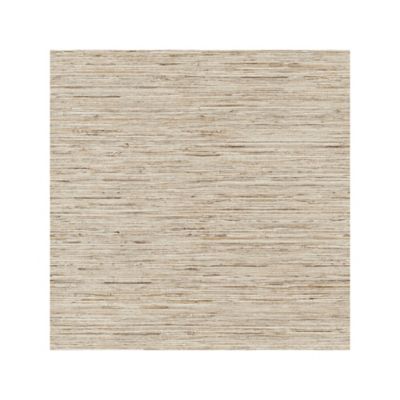
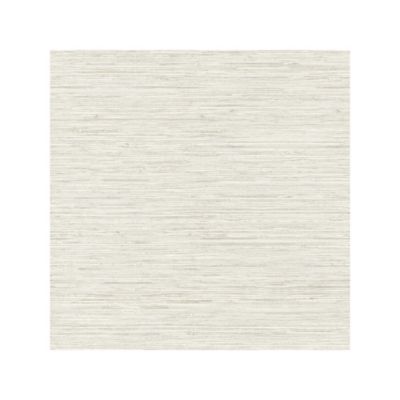
Peel and stick wood wall panels bring the warm, lived-in look of wood to a room without the heavy tools, long project timeline, or permanent commitment that can come with traditional wall treatments. They can add rustic character behind a bed, give a mudroom a more finished feel, or turn a plain office, entryway, or hunting room into a space with a little more personality. Depending on the style, panels may feature natural wood tones, painted finishes, reclaimed-wood looks, varied grain patterns, or dimensional surfaces that catch the light throughout the day. Some are made with real wood veneers, while others use printed or textured finishes, so it pays to read the product details and look closely at the material, panel thickness, surface texture, and recommended installation areas. A wood-look accent wall can work especially well in homes with farmhouse, cabin, lodge, industrial, or country-inspired decor, but a simple arrangement in a soft neutral tone can also blend easily with modern furniture. For living spaces that need a little warmth without a full wall of wood, consider browsing
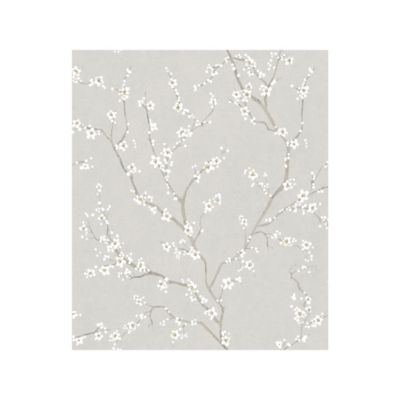
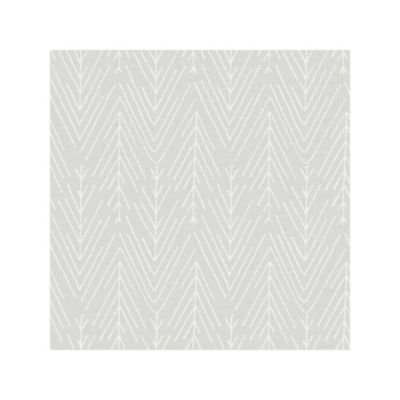
Peel and Stick Wallpaper for Living Rooms for additional wall treatment ideas. These panels can be useful for homeowners refreshing a room between larger projects, renters whose lease allows removable improvements, and anyone who wants a manageable weekend update. They also make a thoughtful gift for a new homeowner, a family member setting up a nursery or guest room, or a friend who enjoys giving an old space a fresh start. A few boxes of wall panels can be especially handy for someone fixing up a workshop, finishing a home office, or creating a comfortable place to unwind after a day outdoors.
Before adding panels to your cart, take a careful look at the wall where they will go. A smooth, clean, dry surface usually gives peel and stick products the best chance of holding securely, while heavily textured walls, loose paint, dusty drywall, damp areas, or surfaces with grease may need additional preparation or may not be suitable at all. Remove dust and cobwebs, repair holes or peeling spots, and allow any fresh paint to cure according to the paint manufacturer's directions before beginning. Measuring the wall in more than one place is worthwhile, especially in older homes where ceilings and corners may not be perfectly square. Add a little extra material for trimming around outlets, switches, doors, windows, baseboards, and corners, while also checking the package coverage so you can compare panel sizes accurately. If the wall has a strong color or pattern underneath, look for panels with enough coverage to create the finished look you want. It is also smart to order enough from the same product run when possible, since color and grain can vary slightly between batches. Most peel and stick panels are intended for indoor use, but the proper location depends on the material and the manufacturer's instructions. Areas exposed to steam, splashing water, wide temperature swings, or high humidity may require a product made for those conditions, and a bathroom, unheated porch, or utility space deserves extra attention before installation. Keep a level, tape measure, pencil, utility knife, straightedge, and a clean smoothing tool nearby, and test a small section or sample first if one is available. That trial can reveal how the adhesive works on your wall, how the grain lines up, and whether the color looks different in morning light, evening light, or under overhead fixtures.
The finished effect depends just as much on planning as on the panels themselves. Decide whether you want a full accent wall, a narrow section behind open shelving, a backdrop for a television or desk, or a smaller feature around a fireplace or reading nook. Laying out the first row carefully helps keep the rest of the installation straight, and starting at a visible corner or central point can make seams look more intentional. Take your time around outlets and trim rather than forcing a panel into place, and press each section firmly as you work to help reduce bubbles and loose edges. A staggered layout can create a relaxed reclaimed-wood appearance, while aligned rows may give the room a cleaner, more tailored look. Think about how the panels will meet existing flooring, cabinetry, metal accents, leather furniture, or painted walls; warm wood tones can soften a room filled with hard surfaces, while gray, whitewashed, or darker finishes can complement a more restrained color palette. In a farmhouse kitchen, a panel accent may add a welcoming backdrop away from direct cooking splatter. In a mudroom, it can help define a bench or coat area, though the wall still needs protection from wet gear and heavy impacts. In a bedroom, a wood wall behind the headboard can create the cozy feel of a cabin without covering every surface. During the cooler months, when people spend more time indoors, small updates like these can make a den, spare room, or work area feel more comfortable and complete. Keep extra panels stored flat in a dry place in case a section is damaged later, and follow the care instructions for cleaning so the finish stays looking its best. With the right wall, accurate measurements, and a style that fits the room, peel and stick wood wall panels offer a practical way to add texture, warmth, and a touch of country character to everyday spaces.