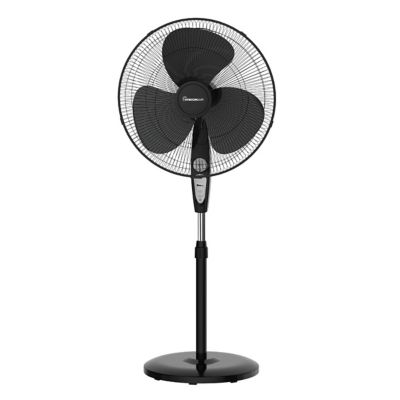
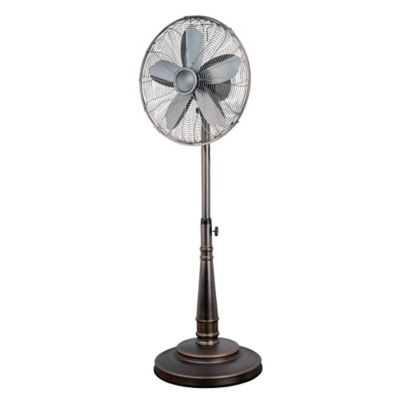
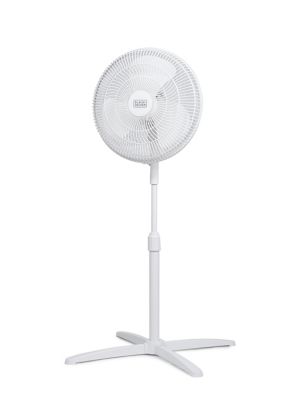
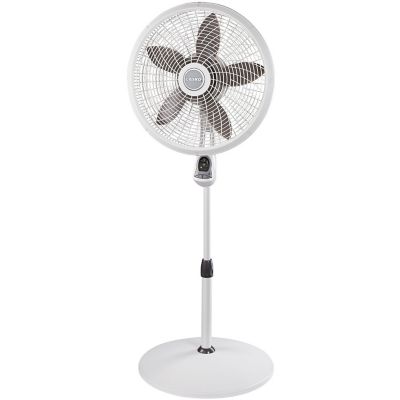
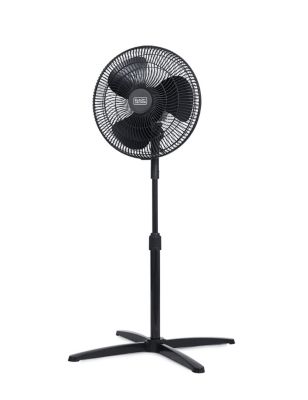
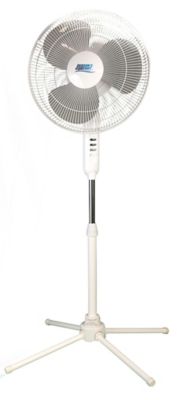
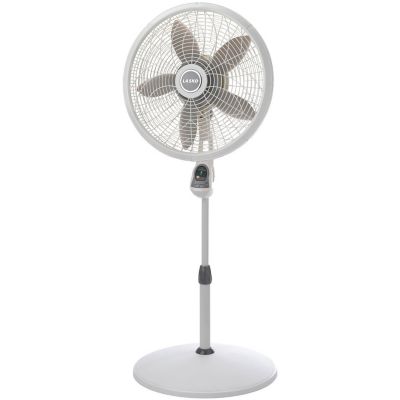
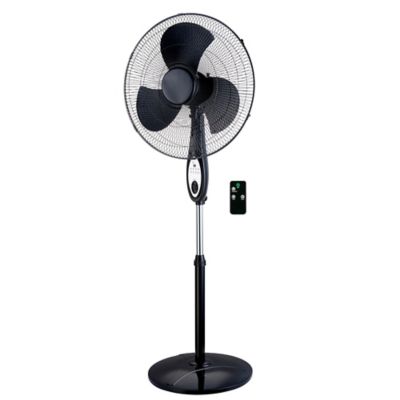
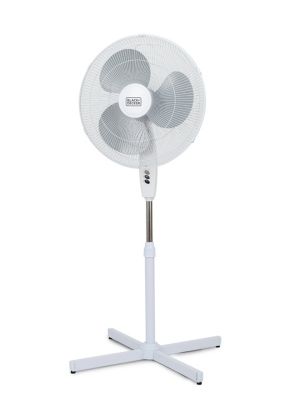
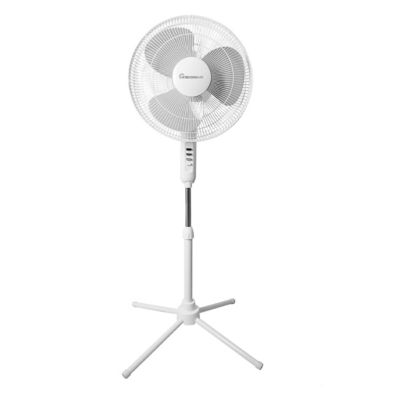
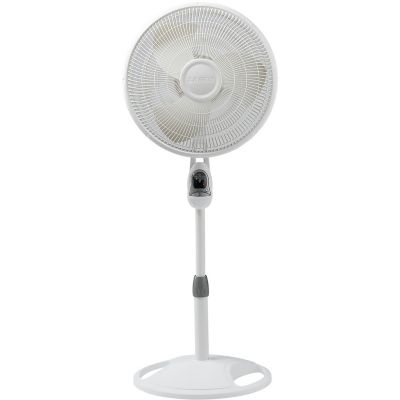
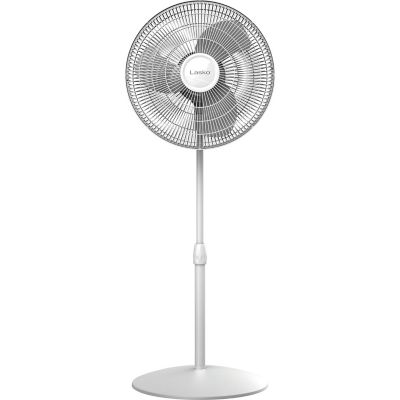
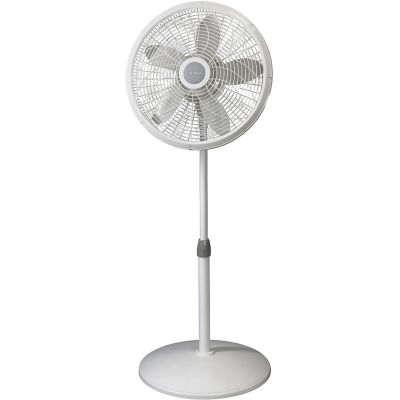
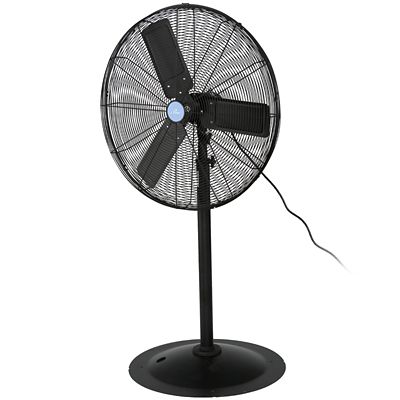
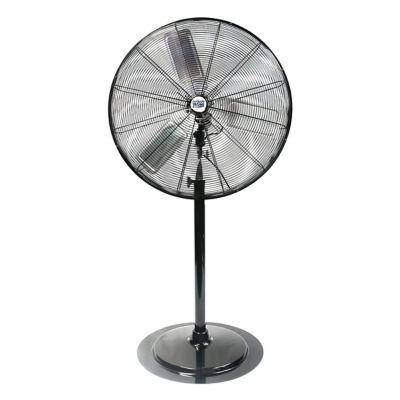
Pedestal fans for home offices bring adjustable airflow to a workspace without taking up room beside the keyboard, paperwork, or morning coffee. A good fit balances quiet operation, easy airflow control, and a base that leaves enough room to move around the desk. Whether the workday means video meetings, bookkeeping for the farm, or answering emails from a spare bedroom, the fan should make the space more comfortable without becoming another distraction. Multiple speed settings help match the breeze to the job at hand: a gentle setting can keep air moving during a call, while a stronger setting can reach farther across an open room. Oscillation spreads airflow from side to side, while an adjustable head lets the breeze pass above a stack of receipts instead of sending them across the floor. Height adjustment matters, too, especially when switching between a seated desk and a standing work surface. The useful measurement is not just the fan’s overall height but where the center of the fan head sits in relation to the desktop. Sound deserves just as much attention as airflow. Motor hum, blade noise, and vibration can all carry into a microphone, particularly in a small office with bare floors and little upholstery. A lower speed may be easier to live with during conversations, though sound varies by design and placement. Published sound ratings are most helpful when they include the operating speed and measuring distance, since numbers measured under different conditions do not tell the same story. Position also makes a difference: airflow aimed straight at a microphone can create a rushing sound even when the motor itself is quiet. For shared offices, a gentle oscillating breeze may suit two workstations better than a strong stream aimed at one chair. These details make pedestal fans a practical choice for folks who want floor-standing air circulation while keeping the desk clear for the day’s work.
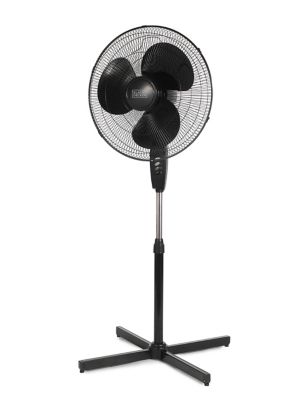
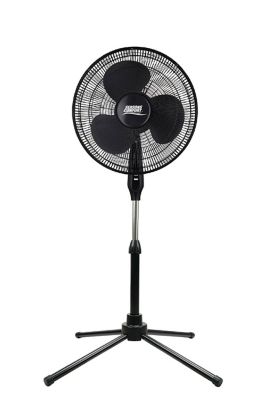
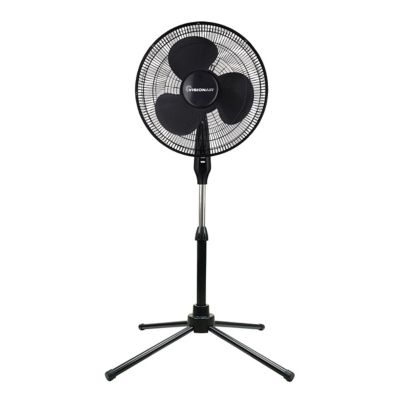
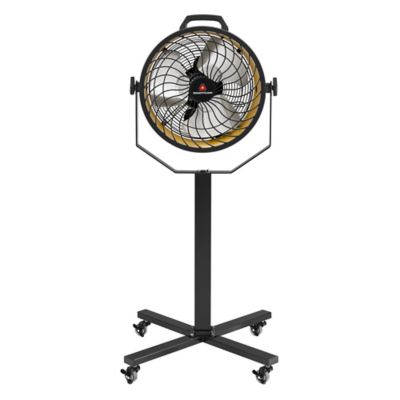
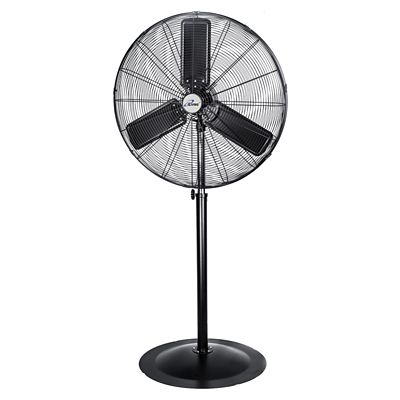
The right size for a home office depends on the room layout as much as the diameter of the blades. A broad fan head may move air across a larger area, but the base, adjustment pole, and oscillation path all need space of their own. A fan tucked between a filing cabinet and a wall still needs the clearance described in its instructions, along with an unobstructed path for air entering and leaving the guard. Base dimensions are worth checking against the space beside the desk, especially where a rolling chair pulls back or a door swings open. A stable base on a level surface helps the fan stay steady, and a cord routed away from walking paths keeps the work area easier to navigate. Round bases and crossed-leg bases occupy floor space differently, so neither shape is automatically the better fit for a tight room. Materials also affect everyday handling. Metal guards and support poles can add weight and rigidity, while molded plastic parts can make a fan lighter to carry between workspaces. Construction matters more than appearance alone: secure adjustment collars, a firmly attached guard, and a base that sits flat all contribute to steady operation. A carry handle can be handy when the office doubles as a guest room or when paperwork moves from a back room to the kitchen table. Weight deserves consideration if the fan will travel up stairs or move often. For an office that opens into a workshop or garage workspace,
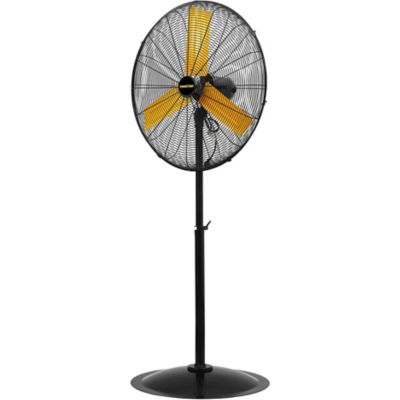
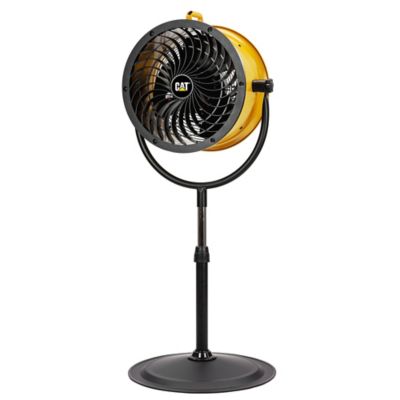
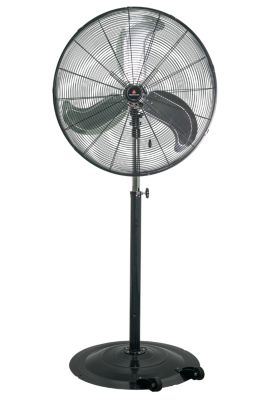
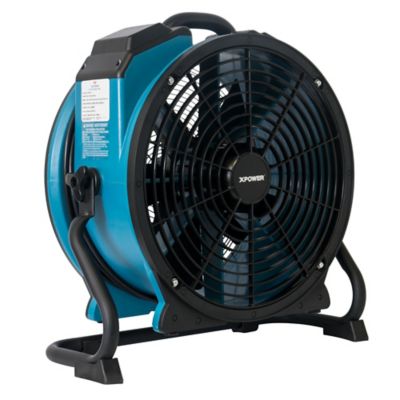
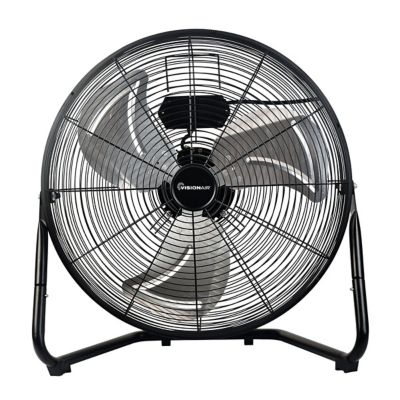
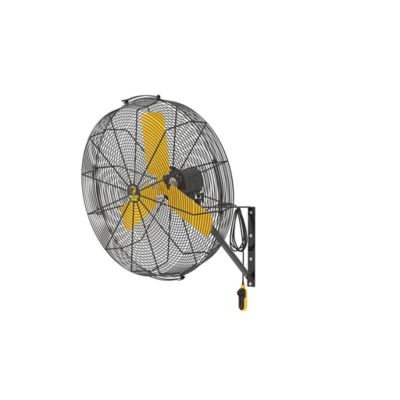
Heavy Duty Pedestal Fans are another category to consider, with airflow, operating sound, and intended location still worth comparing. More powerful airflow is not automatically a better match for close desk work; a fan that feels comfortable several feet away may be too forceful beside a chair. The best fit leaves room for both the breeze and the business of getting around the office.
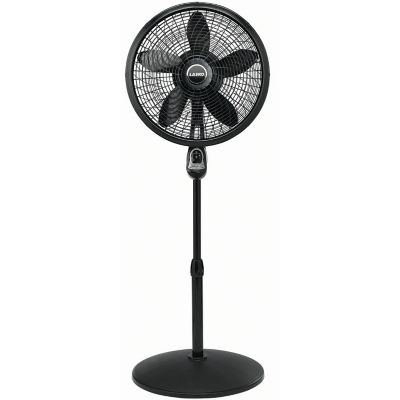
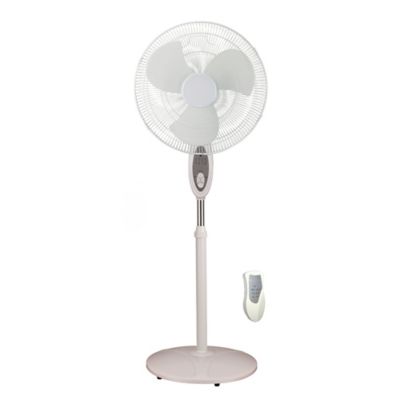
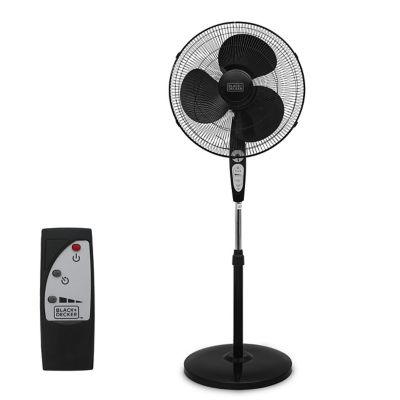
Everyday convenience often comes down to controls that are easy to reach and settings that suit a normal work routine. A remote can save a trip around the desk when a call starts, while clearly marked controls make speed changes straightforward without hunting for a small button. A timer can shut the fan off after a set period, which is handy when the last task of the day tends to run straight into chores outside the office. Available features vary, so details such as oscillation control, timer intervals, and whether settings remain after power is interrupted deserve a look in the product information. Cord length matters as well: the fan needs a suitable outlet without stretching the cord across a doorway or leaving it under chair wheels. Electrical connections and any extension-cord decisions should follow the manufacturer’s directions. For homes with children or pets, a secure guard and sensible placement help keep moving blades out of reach, but a guard is not a reason to allow fingers, paws, or loose objects near the fan. Long curtains, loose cords, and trailing plant stems also belong away from the air intake and blades. Routine care helps preserve steady airflow over time. Dust can collect on the guard and blades, especially in a room shared with pet bedding or an entryway near the yard. Cleaning should follow the manual, with the fan unplugged before any guard removal and moisture kept away from the motor and controls. Designs with accessible guards can make that upkeep less of a chore, provided the parts go back together securely. A fan should sit steady without new rattles, wobbling, or a slipping height adjustment; changes like those call for inspection before further operation. With a suitable footprint, manageable sound, and controls that fit the workday, a pedestal fan can settle into a home office as naturally as a sturdy chair and a well-placed desk lamp.