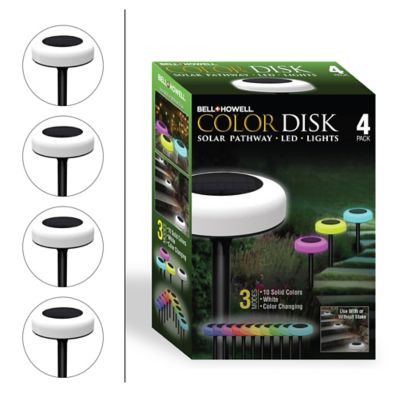
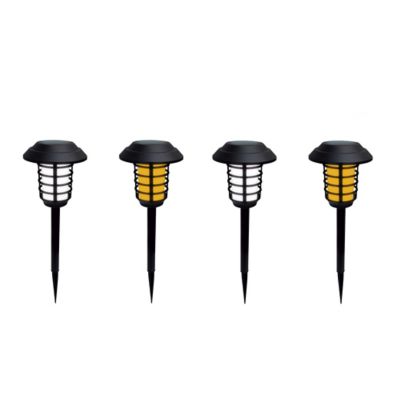
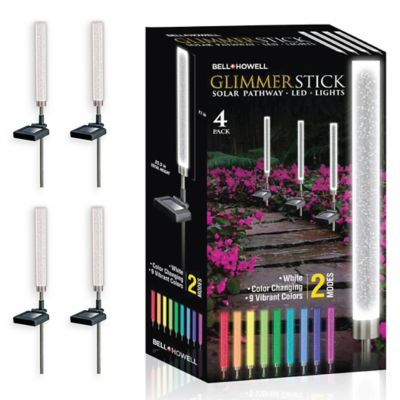
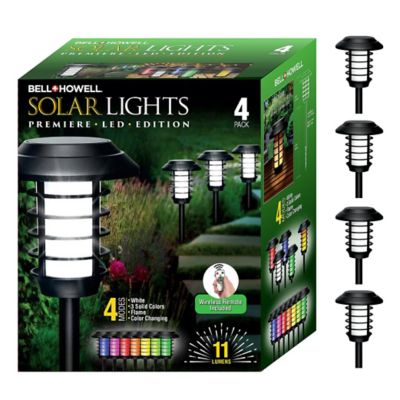
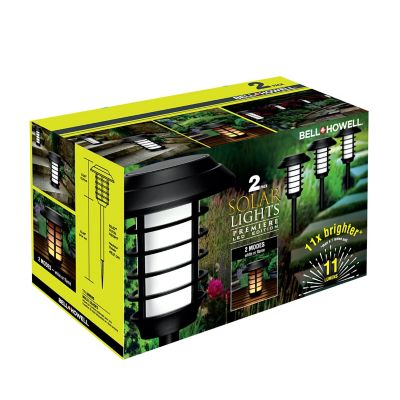
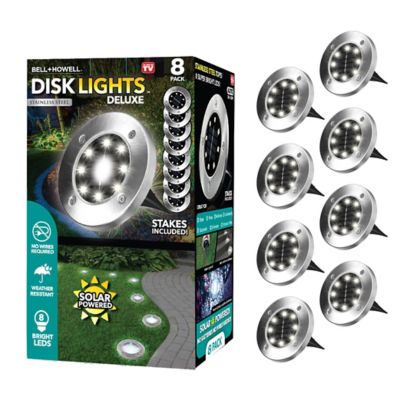
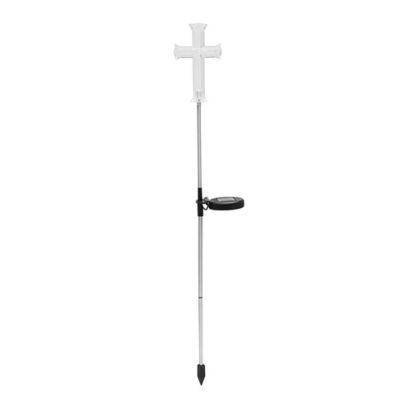
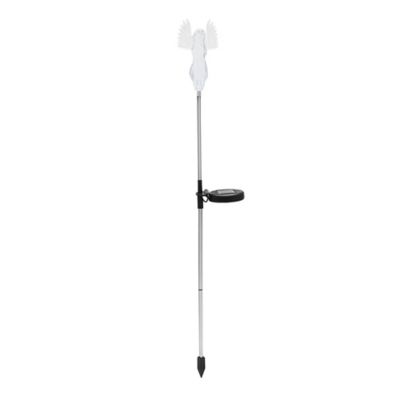
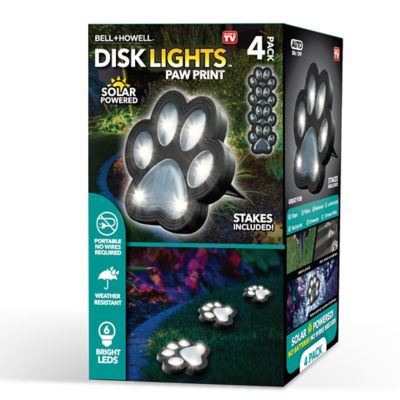
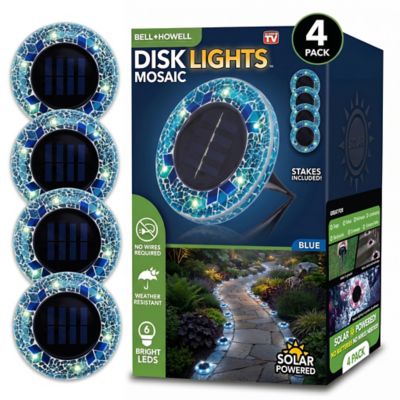
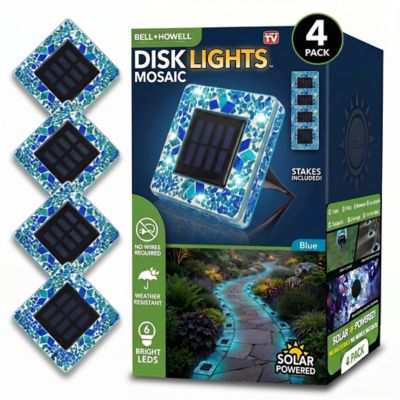
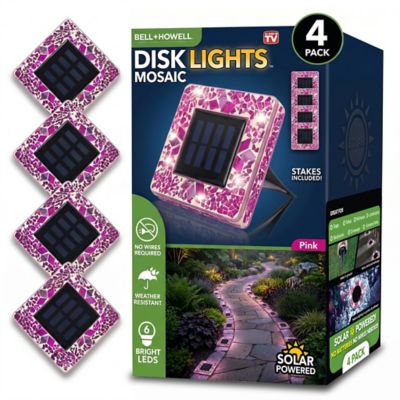
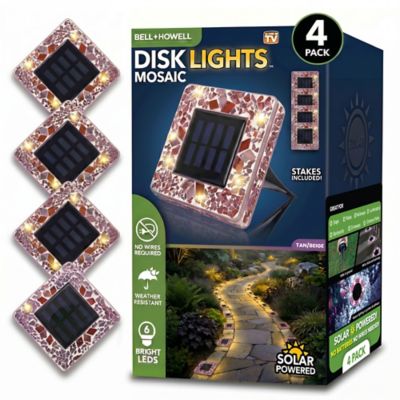
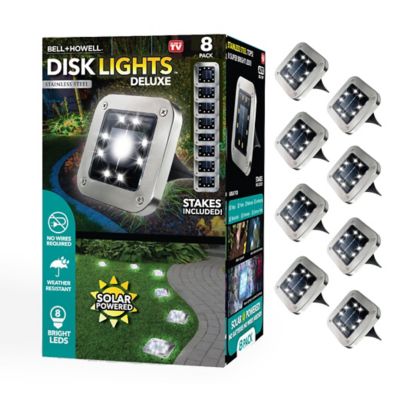
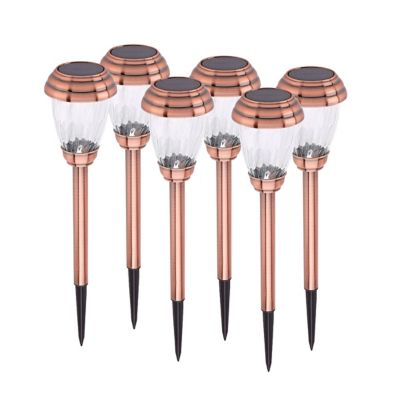
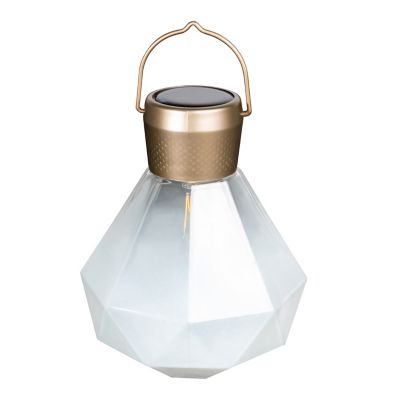
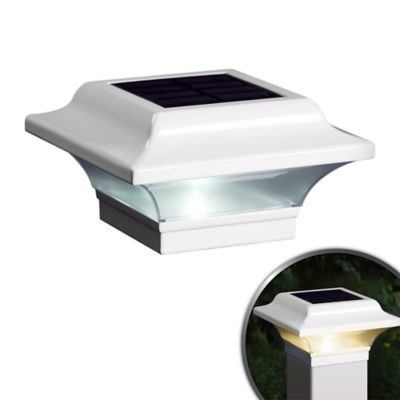
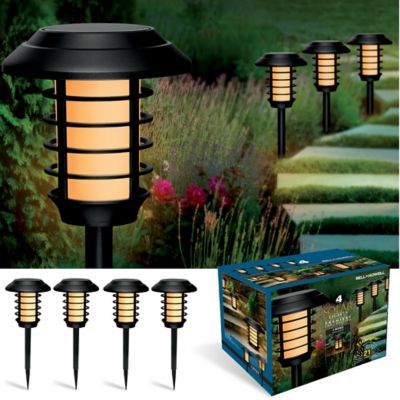
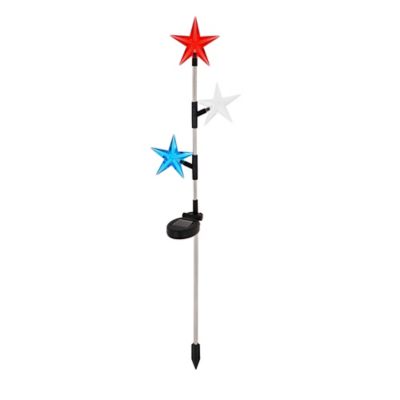
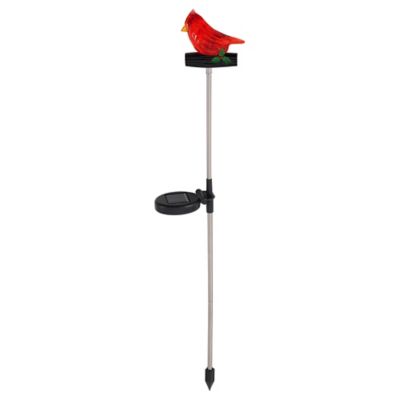
Solar pathway lights bring a soft, welcoming glow to walkways, garden borders, driveways and outdoor steps without the need to run extension cords or call in an electrician. Each light uses a small photovoltaic panel to collect sunlight during the day, stores that energy in a rechargeable battery and turns on automatically around dusk. That simple setup works well for country properties, suburban yards, rental homes and anywhere outdoor outlets are few and far between. They can help guests find their way from the driveway to the porch, outline a winding garden path, or add a little extra visibility near a gate, mailbox or shed. Many people choose them for practical reasons, while others use them to give a patio, flower bed or front walk a finished look. For more ways to brighten outdoor living spaces, explore
Patio Solar Lights. When choosing solar pathway lights, start by thinking about the job you need them to do. Lower-lumen lights generally provide a gentle accent glow that marks the edges of a walkway without making the yard feel overly bright. Higher-lumen options are better suited to areas where you want more functional visibility, such as steps, uneven ground or a driveway entrance. A soft light can look especially inviting along a gravel path or beside landscaping, while a brighter light may be the better choice for helping family members and visitors see their footing during the cooler months, when evenings arrive earlier. The best setup often combines even spacing with the right brightness rather than relying on one extra-bright fixture. Lights with about 10 to 50 lumens are commonly used for decorative marking, while fixtures producing 100 lumens or more can offer stronger illumination for visibility and safety. Keep in mind that brightness, battery capacity and the amount of sunlight available all affect how long the lights stay lit. Many solar pathway lights run for roughly 6 to 10 hours after a full charge, though cloudy weather, shade, dirt on the panel and aging batteries can shorten that time.
Placement makes a noticeable difference in performance. Solar panels need a clear view of the sky, so set the lights where they can receive about 6 to 8 hours of direct sunlight each day whenever possible. A spot that looks sunny in the afternoon may be shaded by a porch roof, tall trees or a barn for much of the day, so watch how the light moves across the property before settling on a final layout. For a steady line of illumination, space pathway lights around 3 to 4 feet apart, adjusting the distance for the brightness of the fixture and the width of the walkway. Closer spacing can create a more continuous glow along a narrow sidewalk, while wider spacing may look better beside a broad driveway or natural stone path. Push stakes into softened soil when possible, and avoid forcing them into hard, rocky ground where the stake or housing could bend. In areas with frost, heavy rain, loose soil or frequent foot traffic, sturdy construction can be especially helpful. Weather-resistant plastic is lightweight and easy to move, while stainless steel and cast metal can provide a more substantial feel and may stand up well to regular outdoor use. Look for sealed housings and weatherproof or waterproof ratings, such as IP65, when the lights will be exposed to rain, sprinkler spray or blowing dust. Even durable lights benefit from a little care. Wipe the solar panels with a soft, damp cloth from time to time to remove dust, pollen, mud and bird residue that can block sunlight. Keep grass, leaves and mulch from covering the panel, and check that the light sensor is not blocked by nearby plants or decorations.
Solar pathway lights also make a thoughtful gift for someone settling into a new home, tending a backyard garden or spending more time around a porch, fire pit or outdoor entertaining area. They are easy to appreciate because they add both function and character, and many installations can be completed with little more than choosing a location and pressing the stakes into the ground. A set can help a new homeowner make a front walk feel established, give grandparents a clearer route to the garden or add a warm touch to a friend’s patio without requiring permanent changes to the property. They can also be useful around campsites, hunting cabins, rural driveways and outbuildings where running power may be inconvenient. During late summer and fall, solar lights can outline paths to outdoor gatherings, brighten landscaping as flowers fade and help make the trip from the house to the garage or chicken coop easier after sunset. Before buying, consider the number of lights needed, the available sunlight, the desired brightness and the look that fits the property. Check whether batteries are replaceable, since rechargeable Ni-MH AA or AAA batteries and lithium-ion batteries may eventually need to be changed after years of use. A dependable solar pathway light should feel suited to the setting, provide enough light for the intended purpose and hold up through changing weather. With thoughtful placement and occasional cleaning, these lights can quietly do their job night after night while giving walkways, gardens and outdoor spaces a welcoming glow.