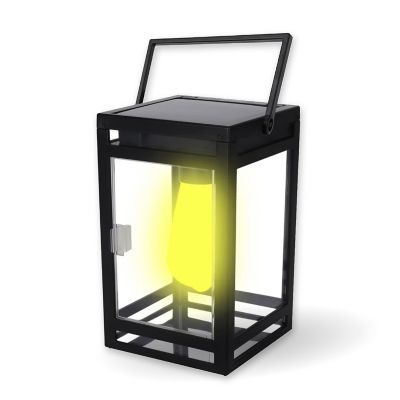
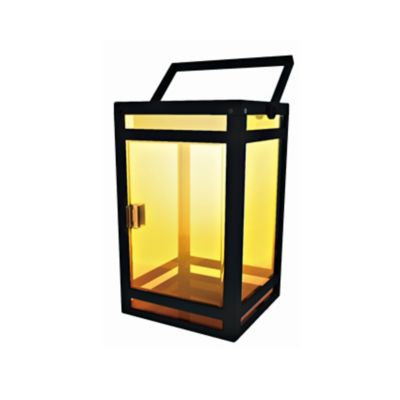
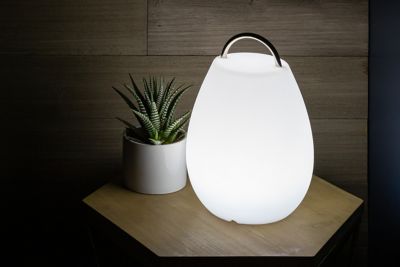
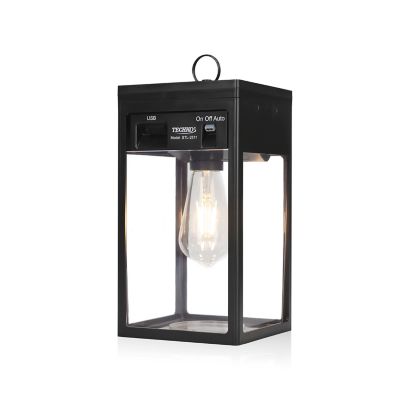
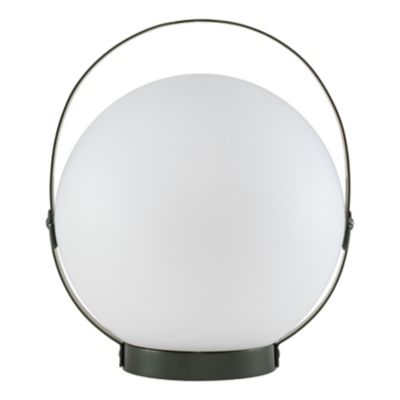
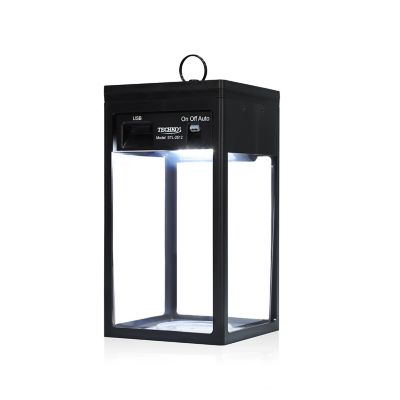
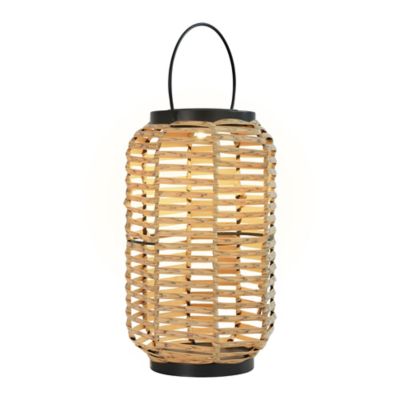
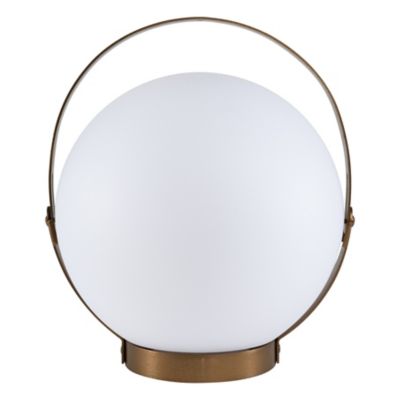
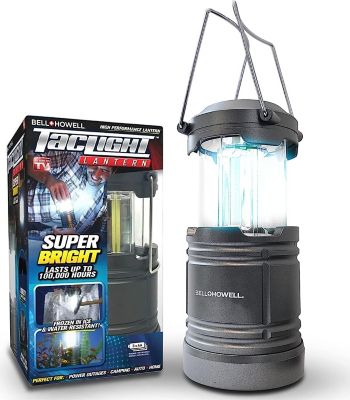
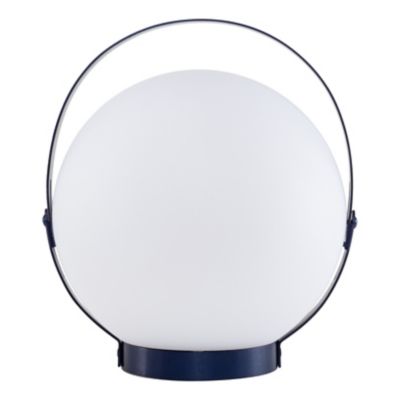
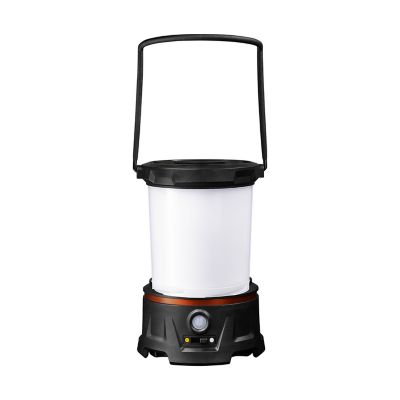
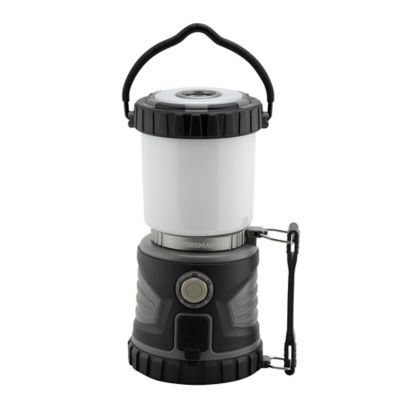
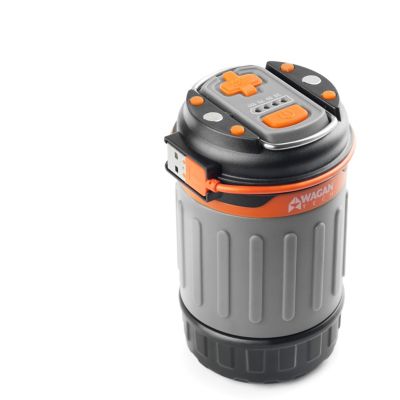
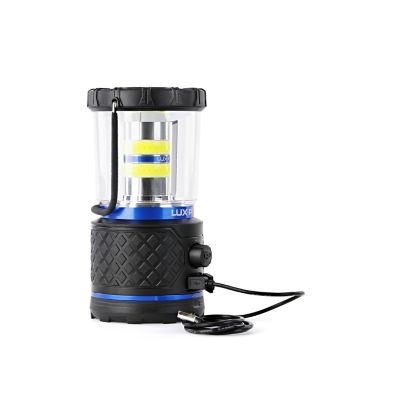
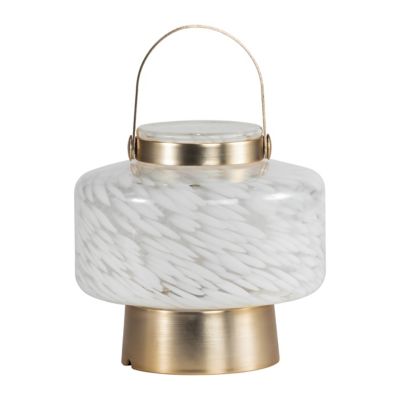
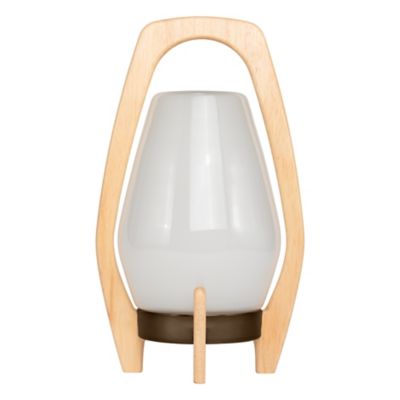
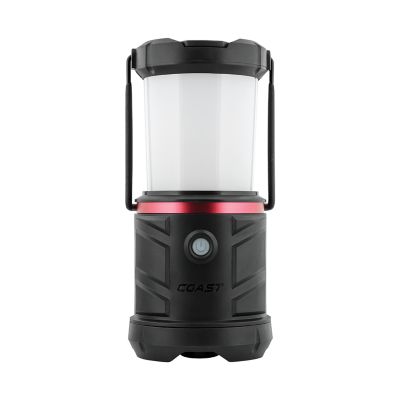
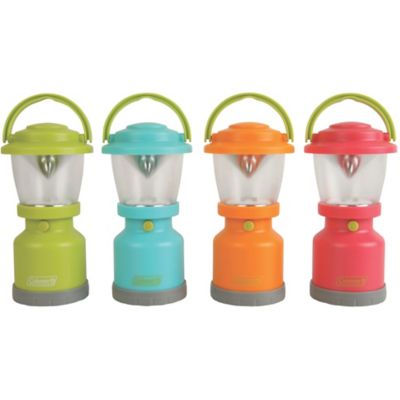
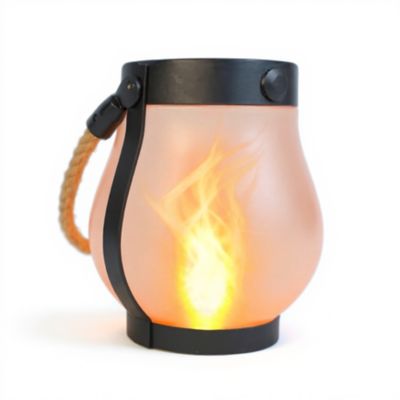
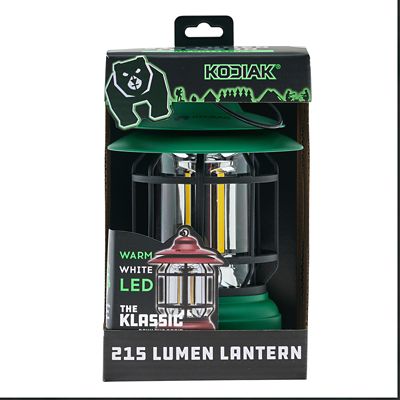
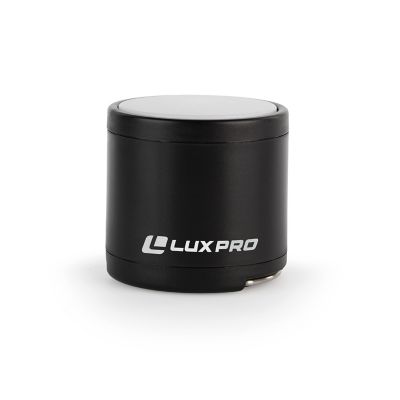
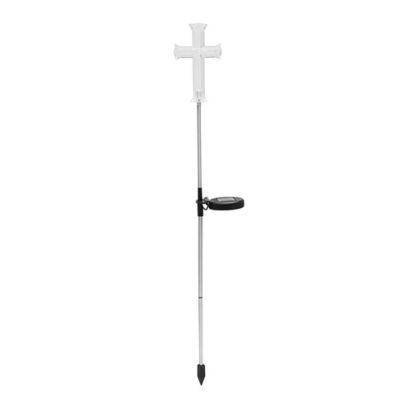
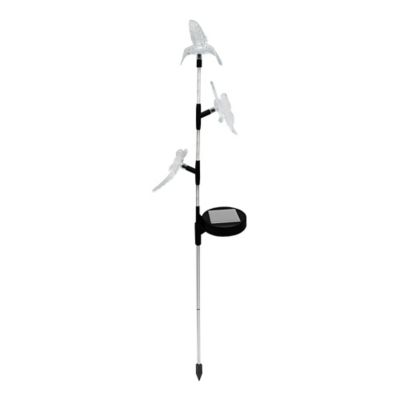
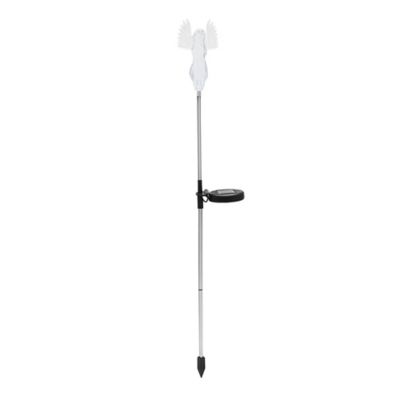
An outdoor solar portable lantern brings light to the places an outlet cannot easily reach, from a picnic table beside the camper to a quiet spot near the back pasture. A built-in solar panel collects sunlight and charges an internal battery, which powers the lantern’s light after dark. Most solar lanterns use LEDs, so there is no open flame, fuel canister, or wick to tend. That makes them a handy option for lighting a campsite, setting a supper table outside, or keeping a little extra light close during a power outage. The right style depends on what that light needs to do. A broad, steady glow helps several people see around a table, while a more concentrated beam can make small tasks easier to manage. Lanterns with translucent shades spread light gently; clear panels can leave the light source more visible and create sharper reflections. Patterned housings cast shapes across nearby surfaces, and flickering candle effects provide atmosphere rather than strong task lighting. For reading a trail map, sorting tackle, or finding a dropped tent clip, a steady lighting mode generally makes more sense. Brightness is commonly listed in lumens, but the shade, beam pattern, and placement also affect how much useful light reaches the work area. A lantern that looks bright from across the yard may not illuminate a tabletop evenly. Adjustable output offers more flexibility, letting the same light serve supper at the campsite and then settle into a lower glow beside a chair. Warm white light gives a softer feel around a porch or gathering area, while a more neutral white can help make labels and small objects easier to distinguish. Campers, anglers, RV travelers, and folks who spend plenty of time outside can all put portable solar lighting to work, though a lantern intended for atmosphere should not take the place of proper lighting for machinery, livestock handling, or other demanding chores.
Solar charging makes a portable lantern convenient, but it still takes a little planning to have light ready when it matters. The panel needs direct access to sunlight, so a lantern tucked beneath a deep porch roof may be better carried into an open spot for charging, then brought back when it is time to sit outside. Shade from a tree, railing, or roofline can reduce the energy reaching the panel even when the surrounding area looks bright. Charge time and runtime are separate measurements: charge time describes how long the battery takes to replenish under stated conditions, while runtime describes how long the light operates at a particular setting. Neither number tells the whole story by itself. Panel size, battery capacity, sunlight exposure, and brightness setting all play a part, and a long runtime claim may apply only to the lowest mode. For an evening at a picnic table, a modest amount of steady light may be enough; for several nights away from electrical power, charging flexibility matters more. Some solar camping lanterns include a USB charging input, allowing the battery to charge from a compatible power source before a trip. That input does not automatically mean the lantern can charge a phone. A power-bank function requires a designated output, and sharing battery power with another device leaves less energy for lighting. Automatic dusk sensors are useful for a lantern that stays on the porch, while manual controls give more say over when the battery gets spent. Depending on the design, a sensor-controlled lantern may not switch on while its panel detects light. A clearly marked switch and easy-to-reach brightness control can save fumbling when both hands are busy unloading camping gear. For outage preparation, a solar lantern works best as one part of a lighting plan, with its charge checked periodically and another light source within reach. Solar charging can replenish a battery without an outlet, but it is not an instant substitute for a full charge.
Construction, size, and carrying features determine how comfortably an outdoor solar lantern fits into everyday routines. Molded plastic housings keep weight down and are practical for gear that moves between a truck, campsite, and porch. Metal frames offer a different look and a solid feel, though their finish and resistance to corrosion deserve attention. Glass panels add weight and need more careful packing than impact-resistant plastic lenses. Collapsible and inflatable designs can take up less room in a daypack or storage tote, but flexible sections need protection from hooks, thorns, and sharp tools. A broad base helps a lantern sit securely on a level table, and a well-positioned handle makes it easier to carry without blocking the light. Hanging loops and hooks open up more placement options, provided the support can hold the lantern and the attachment stays secure. Size matters beyond packing space: a compact lantern leaves room for plates and cups, while a larger housing can have more presence beside a seating area. For that larger scale,
Large Outdoor Solar Lanterns offer a related option to consider, with dimensions and carrying weight still worth checking. Outdoor suitability also calls for a close look at the stated protection rating. An IP44 rating indicates protection against splashing water, not permission to submerge the lantern, and a charging-port cover must be closed as directed to maintain its intended protection. Care is generally straightforward: wipe the solar panel with a soft cloth, keep the lens clear, and follow the manufacturer’s cleaning directions rather than reaching for abrasive cleaners. Check handles, seams, and port covers before packing, and follow battery-storage instructions between trips. If the battery is replaceable, match the specified type and capacity rather than substituting another battery that happens to fit. These practical details also matter when choosing a lantern as a gift. A frequent camper may appreciate low weight and backup charging, while someone who enjoys evenings on the porch may get more use from simple controls, a steady base, and a gentle glow.