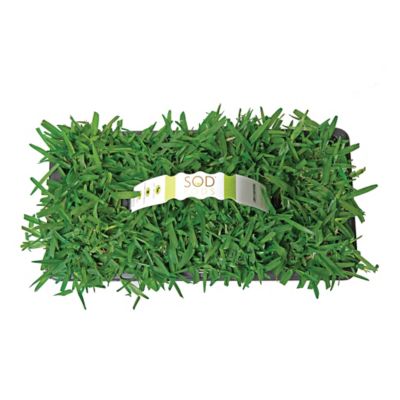
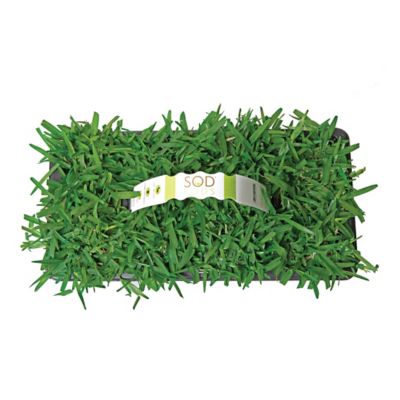
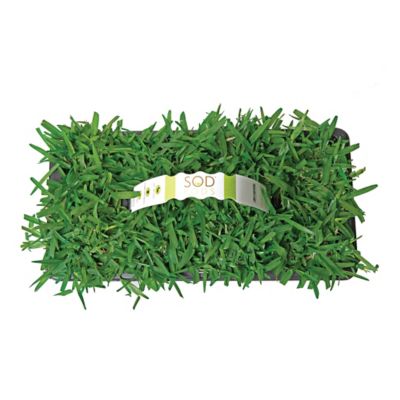
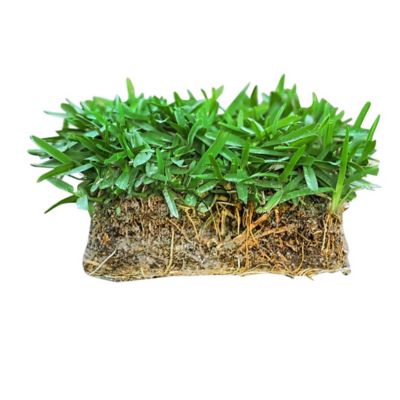
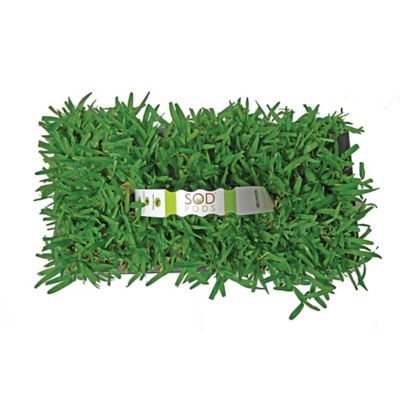
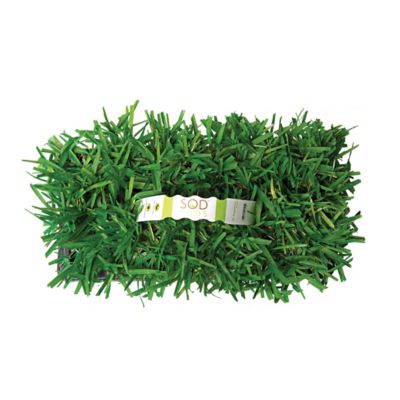
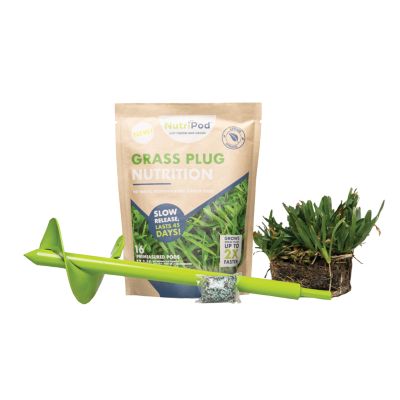
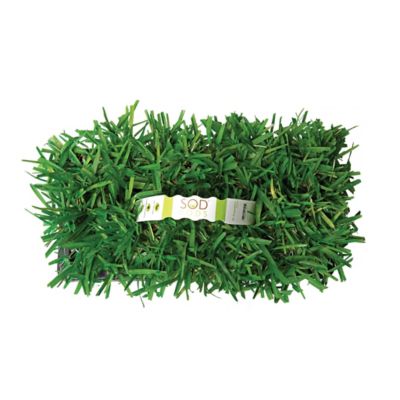
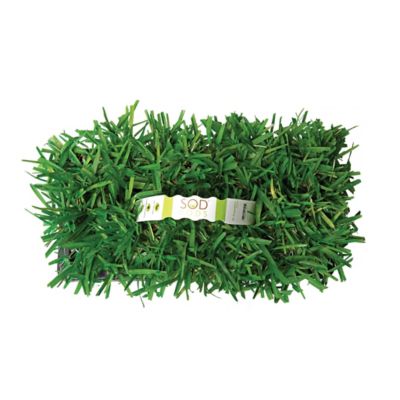
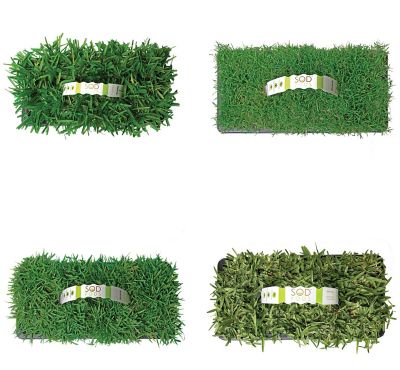
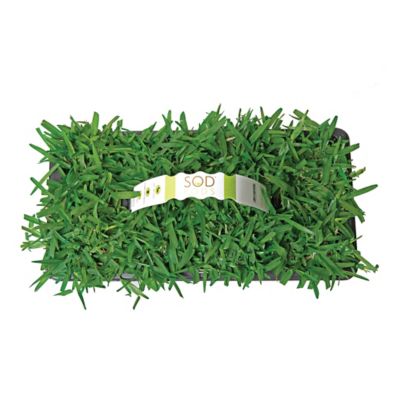
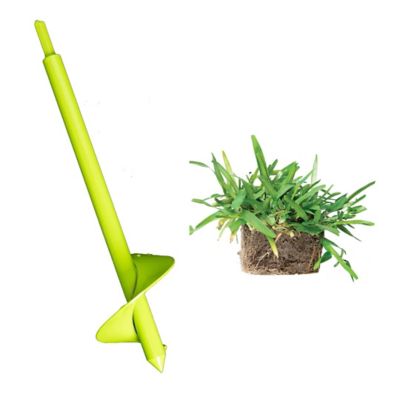
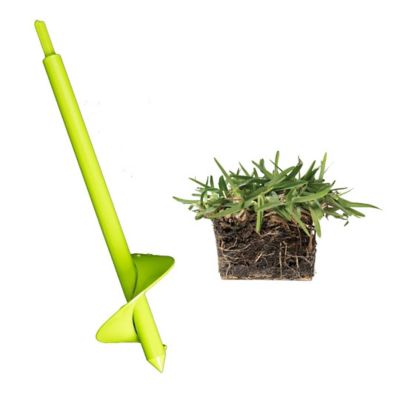
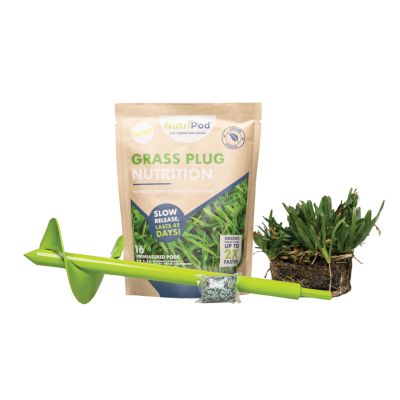
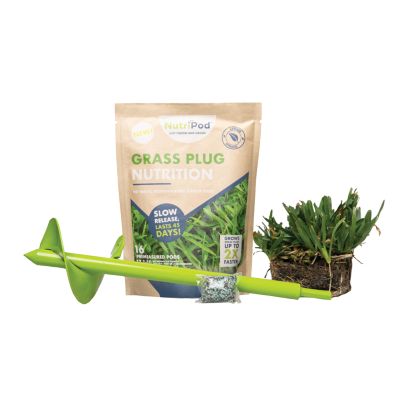
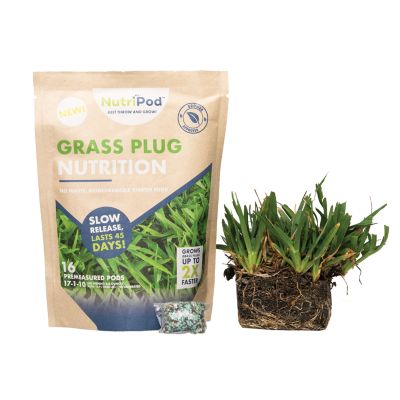
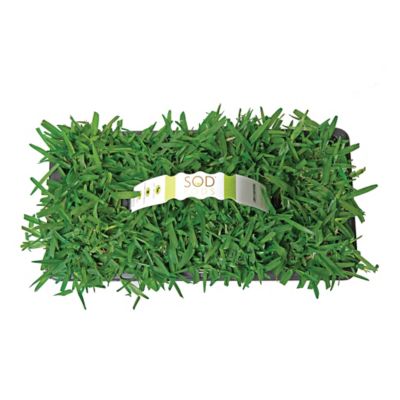
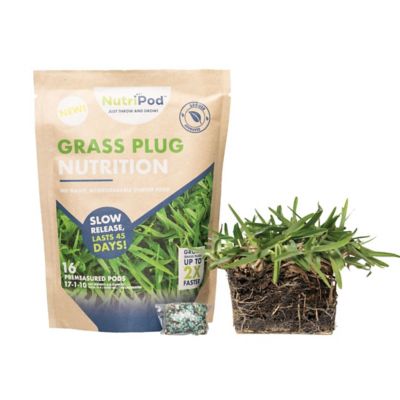
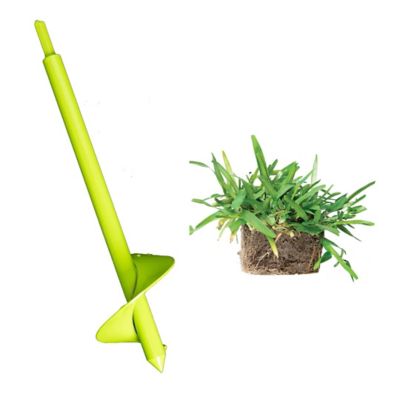
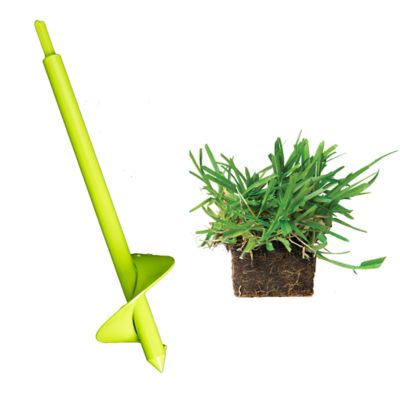
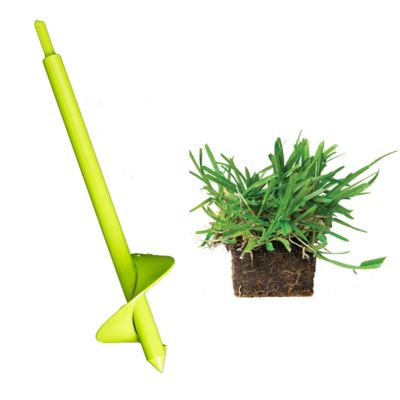
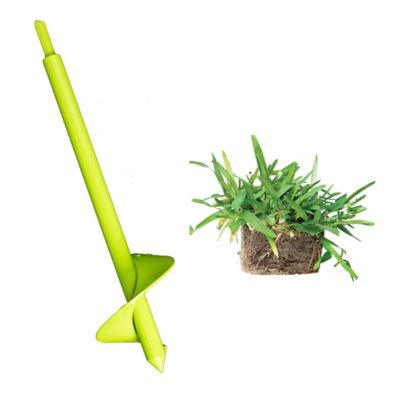
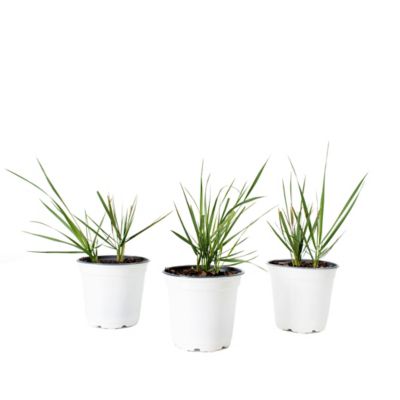
Palmetto St. Augustine grass plugs are a practical choice for Florida lawns and other warm-climate yards where a few thin spots need attention or a larger area needs to be filled in over time. This type of turf is known for its emerald-to-medium green color, soft texture and ability to handle the heat that settles over a Southern lawn. It also performs well with partial shade, making it useful beneath open-canopy trees, beside a home, along a fence line or in other places where full sun turf may struggle. A healthy stand generally does best with about four to six hours of daily sunlight, though the amount of light, drainage and soil condition at the planting site all make a difference. Grass plugs are especially handy for homeowners repairing winter wear, pet traffic, construction damage or bare patches that are too large for a handful of seed but too small to justify laying full sod. They can also be used to establish a new lawn in sections, which allows you to spread out the work and the cost. Since St. Augustine grass is commonly established from plugs or sod rather than traditional lawn seed, plugs offer a straightforward way to get living turf into the ground without waiting for seed to germinate. They are a good fit for hands-on property owners, landlords freshening up a rental home, new homeowners settling into a yard and anyone caring for a warm-season lawn through the hotter part of the year. For other Florida lawn areas where seed is a better match, browse
Grass Seeds for Florida Lawns.
Before ordering, measure the entire area that needs coverage and take a close look at how much sunlight it receives during a typical day. A standard tray or pack may contain about 72 plugs, and spacing them 12 to 18 inches apart can cover roughly 72 square feet, although actual coverage depends on the planting pattern and how quickly you want the plugs to knit together. Wider spacing uses fewer plugs and leaves more room between plants, while closer spacing helps create a solid carpet sooner and can make sense in a highly visible front yard or a troublesome bare area. For a simple estimate, sketch the patch as a rectangle, multiply its length by its width, then compare that square footage with the coverage listed for the pack you choose. Add a few extra plugs when the ground has an irregular shape, when some spots are especially worn or when you would rather avoid a second trip for a small shortage. Site preparation matters just as much as the plug count. Clear away dead grass, leaves, roots, stones and compacted thatch, then loosen the soil so new roots can move outward. Low places may hold water, while hard-packed high spots can dry out quickly, so smooth the area and correct drainage concerns before planting. Plugs are often planted in holes spaced anywhere from 6 to 18 inches on center, with closer spacing helping the area fill more quickly. Set each plug level with the surrounding soil, press the soil gently around the roots and water thoroughly. A sunny patch near a driveway may need a different watering routine than a shaded strip beneath a live oak, so use the soil as your guide rather than relying only on the calendar.
Newly planted plugs need steady moisture while they settle in, especially during warm, dry stretches. Keep the soil moist to a depth of about 6 to 8 inches, and many lawns benefit from daily watering during the first 10 to 20 days, adjusted for rainfall, soil type and drainage. The goal is damp soil around the roots without leaving puddles or turning the planting bed into mud. Early morning watering is usually easier on the lawn because less moisture is lost to midday heat, and a gentle spray helps keep small plugs from shifting. As roots take hold and new runners begin reaching into the surrounding soil, gradually move toward deeper, less frequent watering that encourages a stronger root system. Hold off on mowing until the plugs are firmly rooted and showing steady growth. When the first cut is ready, use a sharp mower blade set high so you do not scalp the new turf or pull up lightly rooted pieces. During the cooler months, growth may slow, and that is a good time to keep foot traffic light, remove leaves that block sunlight and watch for standing water after rain. Palmetto St. Augustine plugs are not a gift in the usual wrapped-and-ribbon sense, but they make a thoughtful choice for a homeowner who enjoys improving a yard, a family member restoring a storm-damaged lawn or a friend working on a new outdoor space. With the right sunlight, prepared soil and dependable watering, small green plugs can gradually spread across bare ground and turn a tired patch into a softer, more finished-looking lawn.