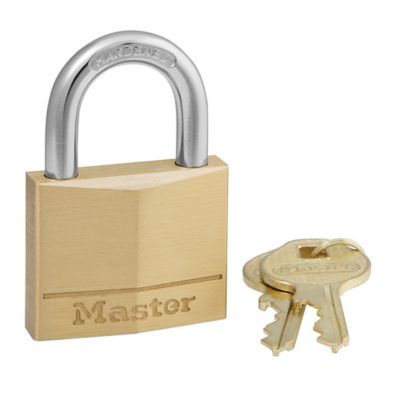
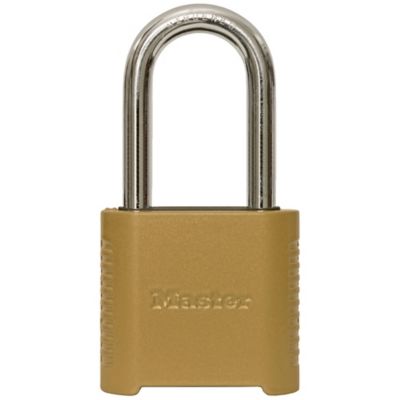
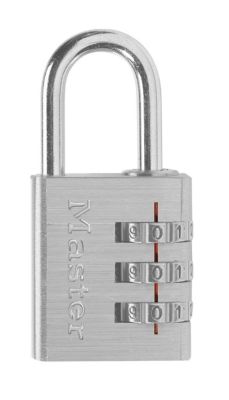
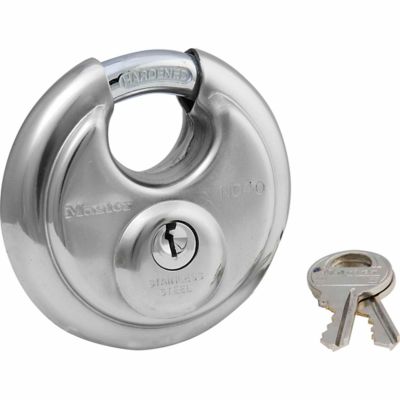
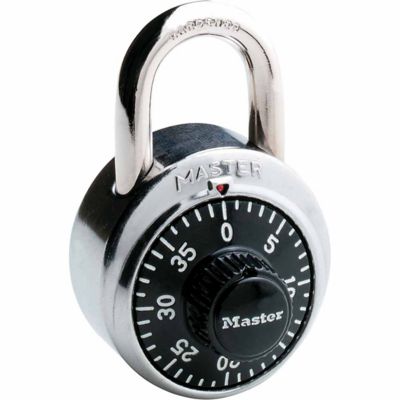
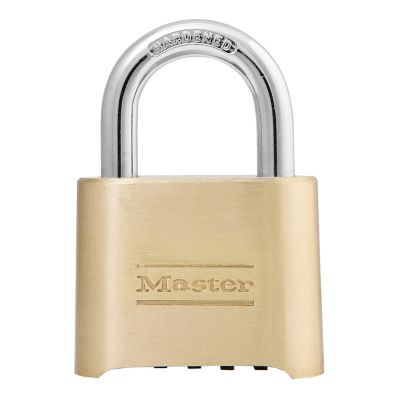
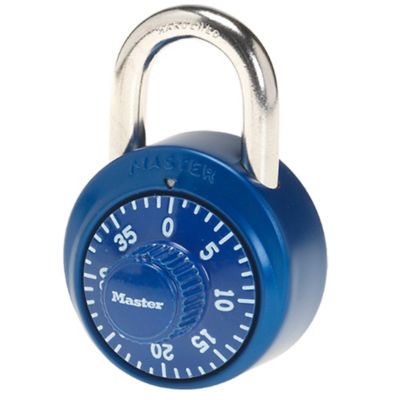
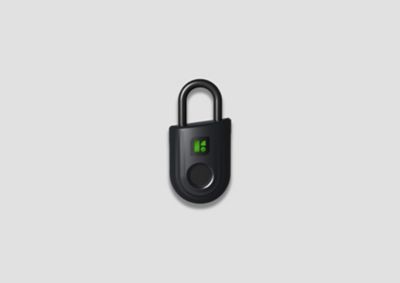
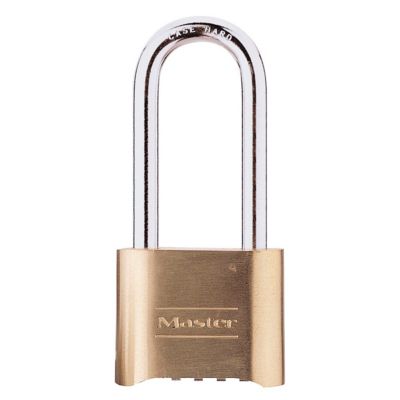
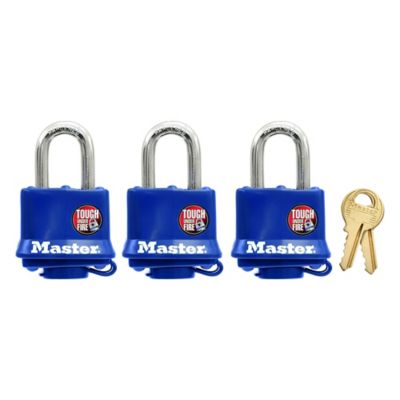
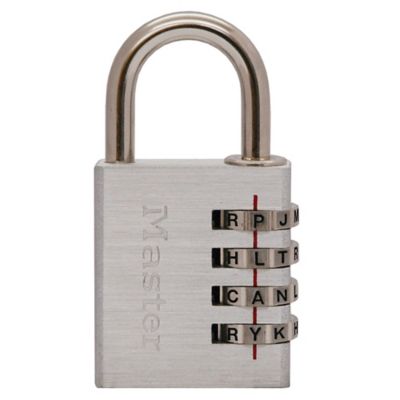
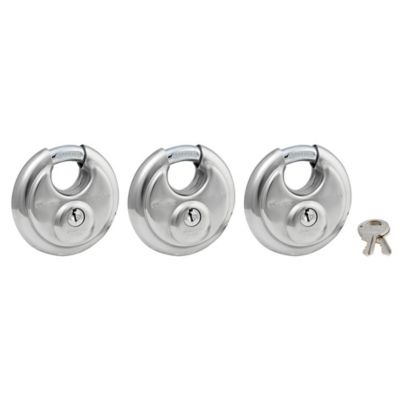
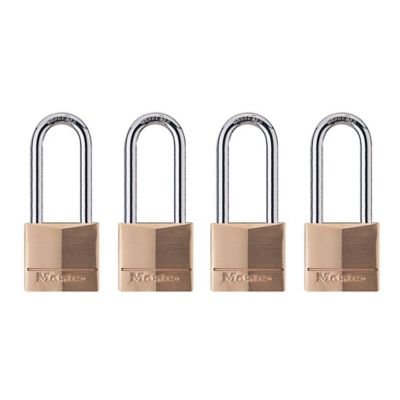
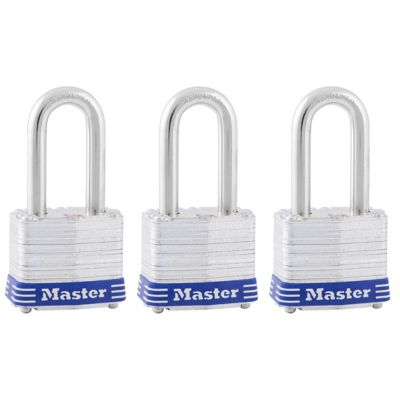
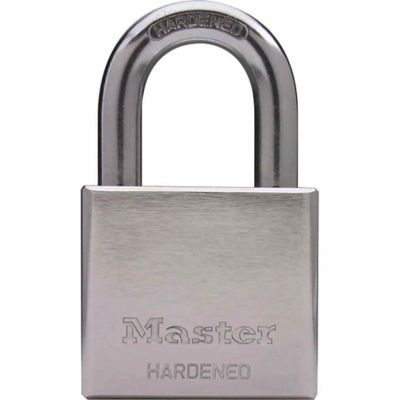
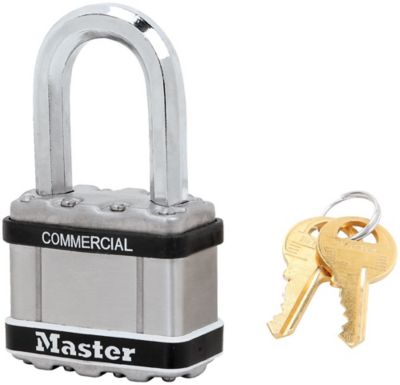
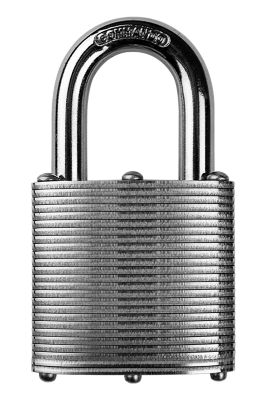
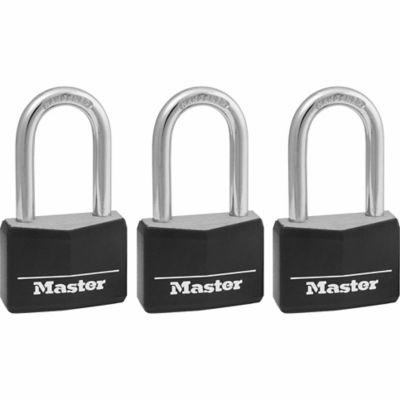
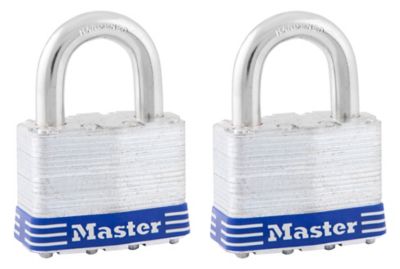
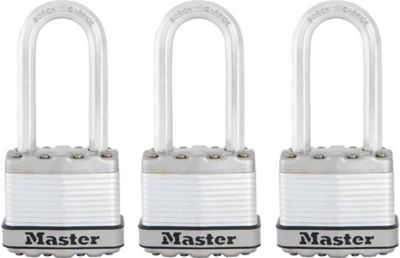
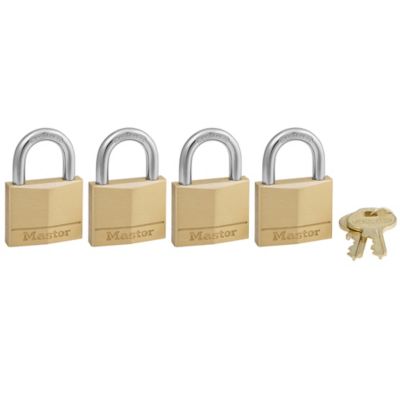
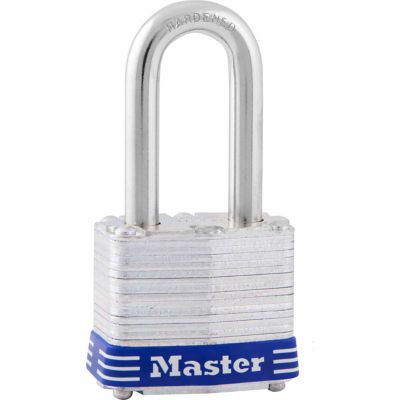
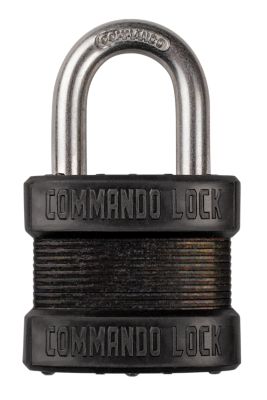
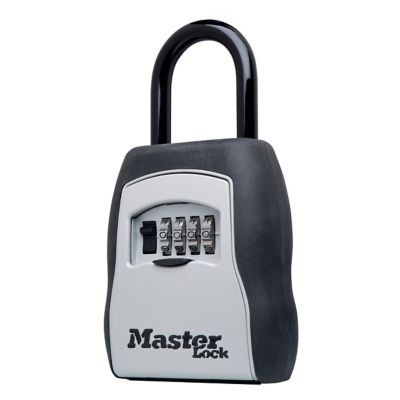
Padlocks for gym lockers help keep everyday belongings together while you focus on your workout, swim, game, or time in the sauna. A good lock is small enough to carry in a pocket or gym bag, simple enough to open when you are in a hurry, and sturdy enough for regular use around locker rooms, pools, schools, and community fitness centers. The best choice depends on how you like to secure your things. Keyed padlocks offer a familiar setup: insert the key, turn it, and go. They can be a good fit for anyone who already keeps a key ring handy, though the key needs to stay with you during exercise instead of getting buried in a jacket pocket or left in an unlocked bag. Combination padlocks skip the key altogether. A standard dial lock uses a familiar turn-and-stop motion, while a four-digit combination lock lets you set a personal code that is easier to remember. Four-number combinations provide thousands of possible code settings, but avoid simple choices such as a birth year, repeated numbers, or a code written on a tag beside the lock. Resettable combination locks can be especially handy for shared household use because the code can be changed when needed. Smart or biometric styles may use a fingerprint or mobile connection, offering keyless access for people who like newer technology, but they may require batteries, charging, an app, or a dependable connection between the lock and your device. For a busy locker room, straightforward operation matters just as much as extra features. A lock that opens smoothly with cold, damp hands is often more useful than one that takes several steps to operate.
Before buying a gym locker padlock, check the locker hasp or latch and measure the opening if possible. Shackle clearance is one of the easiest details to overlook. The shackle is the curved metal loop that passes through the locker latch, and it must be narrow enough to fit through the hole while still leaving enough room for the lock body to hang freely. Many gym lockers work with a shackle around one-quarter inch thick, but locker hardware varies from one facility to another. A short shackle keeps the lock close to the door and can be less awkward in a crowded row of lockers, while a little extra clearance may help when the latch sits deep inside a recessed handle. Look for a body made from materials suited to frequent handling and a hardened steel shackle when cut resistance is a priority. Aluminum and zinc-alloy bodies can help keep a lock light and practical for daily carrying, and a vinyl or other protective covering may make the lock easier to grip while helping guard nearby locker paint from scratches. Locker rooms are humid places, especially near showers, pools, and indoor athletic areas, so corrosion resistance is worth considering. Wipe away moisture after use, keep the lock from sitting in a wet towel, and occasionally apply a lubricant approved for the lock mechanism if the manufacturer allows it. No padlock is a substitute for sensible habits: use the locker provided by the facility, close the latch completely, avoid displaying valuables, and follow posted rules about personal belongings. A gym padlock is intended to discourage casual access and protect ordinary items such as shoes, a wallet, work clothes, a phone, or a set of keys. For expensive equipment, important documents, or situations that call for higher security, choose a purpose-built storage solution and follow the facility’s recommendations. If you need a lock for a home storage compartment rather than a removable gym locker, see
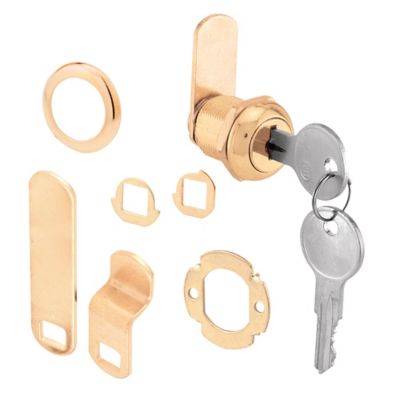
Replacement Locks For Cabinets for another type of storage need.
Padlocks for gym lockers also make practical gifts for students, athletes, new gym members, camp participants, travelers, and anyone heading back to team practices or indoor recreation as the weather cools. A small combination lock tucked into a duffel bag can save a new swimmer or first-time fitness center member from having to borrow one at the front desk. For a child or teenager, a resettable code may be easier than keeping track of a tiny key, while a keyed style can suit someone who prefers a simple routine and already carries house or vehicle keys. Families may keep an extra lock in a workout bag, horse trailer, travel tote, or vehicle console so a misplaced lock does not interrupt the day. Before giving one as a gift, check whether the recipient’s school, gym, pool, or workplace requires a certain shackle size, lock type, or color. It also helps to think about the person’s habits. Someone who often forgets small items may appreciate a keyless combination, while someone who dislikes remembering codes may prefer a keyed padlock. During the warmer, busier stretch of the year, a lock may travel from the fitness center to the campground bathhouse, public pool, or youth sports facility; during the cooler months, it may stay in a gym bag for indoor workouts, locker-room visits, and team practices. Store the lock in a dry pocket, keep the combination private, and test the opening action before placing it on a locker. When setting a code, turn each dial carefully into place, scramble the numbers after locking, and make sure the shackle is fully seated. With the right fit, a durable body, and an opening method that matches your routine, a gym locker padlock can be a dependable little piece of gear that earns its place beside your towel, water bottle, and well-worn pair of training shoes.