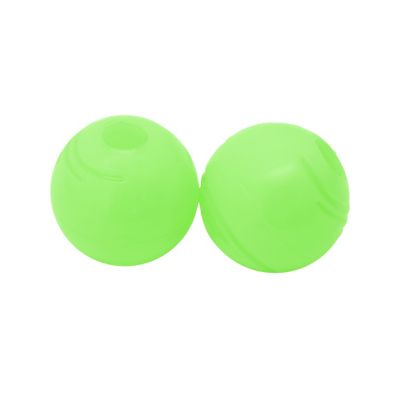
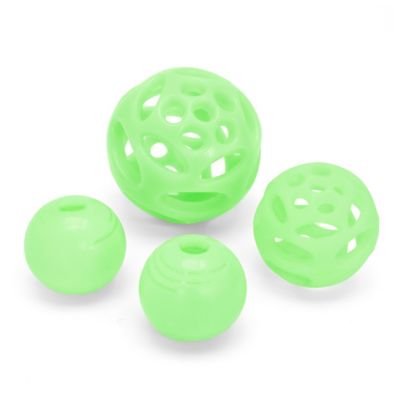
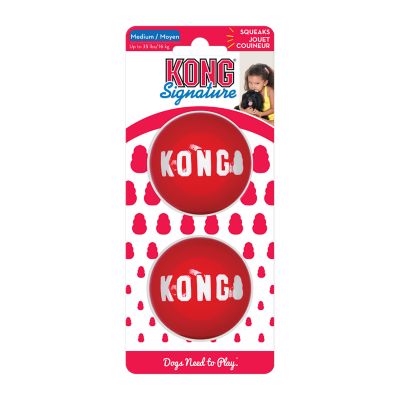
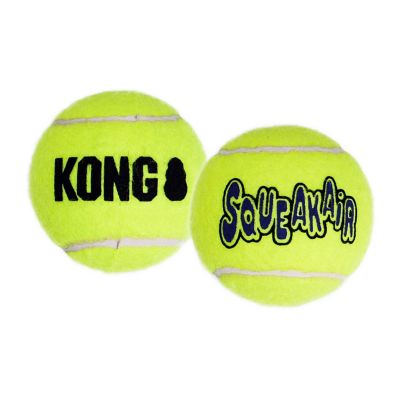
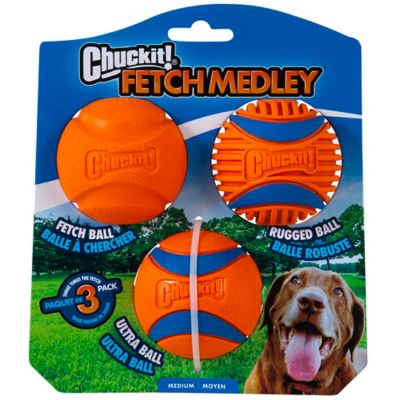
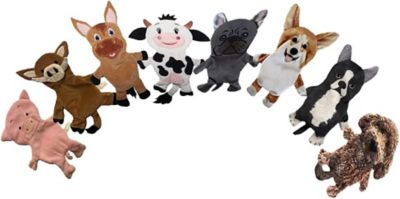
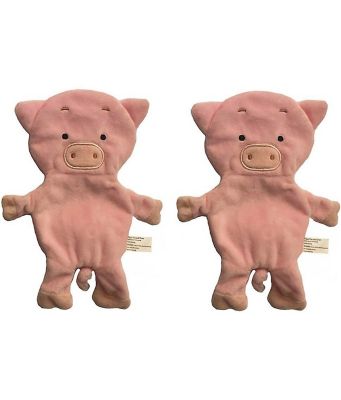
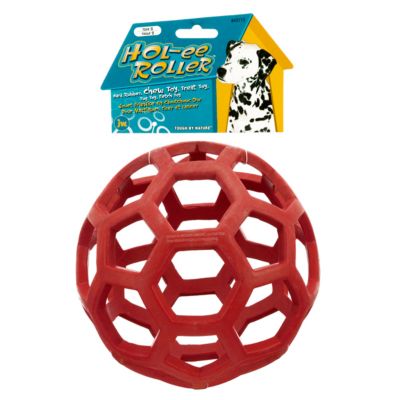
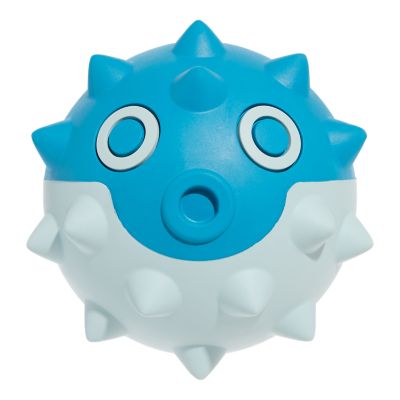
A pack of dog toys brings several playthings together in one package, either as a matching set or a mix of shapes, textures, and activities. Some packs center on fetch balls or rope toys, while others combine plush toys, squeakers, and chew toys for a little variety throughout the day. That variety matters because a dog that races after a ball in the yard may prefer carrying a soft toy around the house once playtime settles down. Having several toys also makes it easier to keep a fetch toy by the back door, a tug toy near the play area, and a familiar favorite ready for a trip away from home. The best match depends less on how many pieces come in the package and more on whether those pieces suit the dog. Soft fabric and plush filling can appeal to gentle players that like to carry, cuddle, or mouth their toys. Rubber offers a different feel for bouncing, retrieving, and chewing, though firmness and flexibility vary. Rope gives dogs a textured grip for shared tug games, while fabric-covered toys may combine several textures in a single shape. Construction deserves a close look, especially around stitched seams, attached limbs, knots, and any opening that holds a squeaker. A soft toy with plenty of little parts serves a different purpose than a solid rubber fetch toy, and neither should be mistaken for something a determined chewer cannot pull apart. Packs built around one toy style can suit a dog with a clear favorite; mixed packs give pet parents room to discover which activities hold their dog's attention. For a puppy learning to play or an adult dog that likes a change of pace, a thoughtful assortment makes everyday play easier to work into the household routine. It also gives people a few different ways to join in, from a short game of fetch to a relaxed session of trading one toy for another.
Size and play style help narrow down a dog toy pack more than breed alone. A large dog that gently carries plush toys may need something very different from a smaller dog that works hard at every seam. Each piece should be large enough that the dog cannot swallow it or get it lodged in the mouth, yet manageable enough to pick up and carry comfortably. Package measurements and age recommendations are useful here, particularly when an assortment contains several sizes. A pack intended for small dogs is not automatically a good match for a large-breed puppy, and an adult dog's toys may feel too heavy or firm for a young pup. Puppies with developing teeth benefit from toys intended for their age and chewing stage; older dogs may appreciate lighter shapes and gentler textures, especially if gripping has become difficult. A veterinarian can help with toy choices when a dog has missing teeth, mouth pain, or a history of swallowing objects. Intended activity matters just as much. Balls and other retrieving shapes suit dogs that enjoy bringing something back across a fenced yard, while longer tug toys leave room for a person to hold the opposite end during supervised play. Plush toys often fit quieter carrying games, though dogs that tear out stuffing need a different option. In homes with several dogs, a pack can provide separate playthings, but extra toys do not prevent guarding or squabbles. Separate play spaces may still be necessary, especially around a highly prized squeaker or food-filled toy. A clear patch of yard or an open room gives a dog space to move without tangling with furniture, tools, or equipment. Toys belong in an activity that suits their design: an indoor plush toy, a floating toy, and a high-bounce ball are not interchangeable. Reading the package helps match each piece to the right setting, and watching the first few play sessions shows how that particular dog handles it.
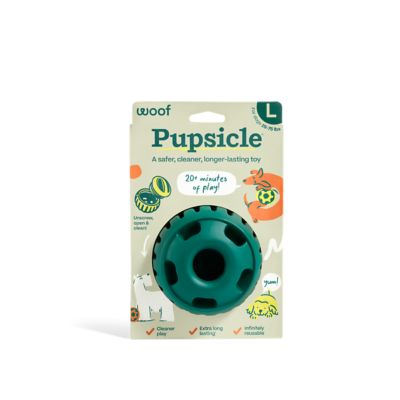
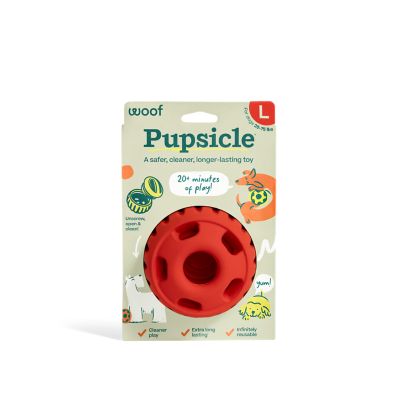
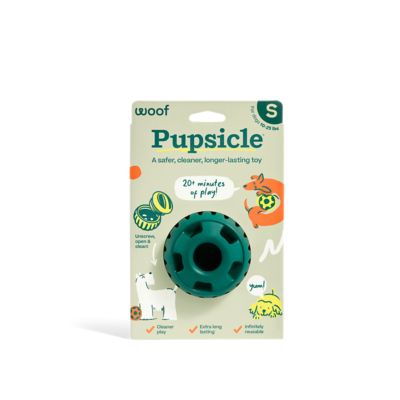
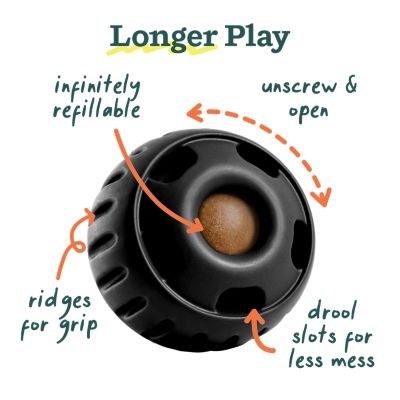
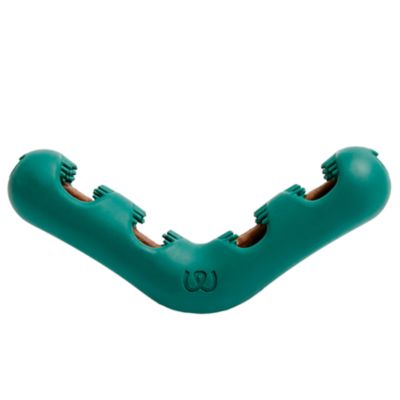
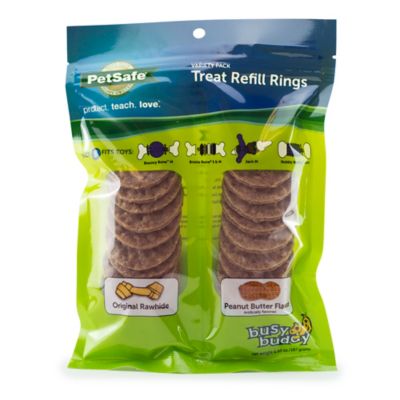
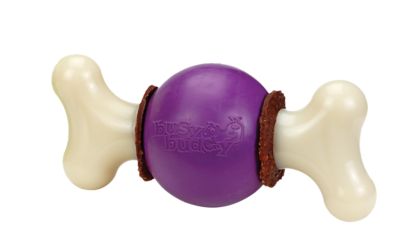
A well-matched assortment can include more than chasing and tugging. For dogs that enjoy working for a small food reward,
Dog Treat Toys offer another kind of activity alongside the toys in a pack. Treat-holding designs encourage dogs to nudge, roll, or lick, depending on their shape, and their openings need to suit both the dog's size and the intended filling. Any treats count toward the dog's daily food intake, and food-contact toys need cleaning after play. Care needs vary across the rest of an assortment, too. Some fabric toys can go through a washing machine according to their labels, while others call for spot cleaning or handwashing. Rubber and plastic toys may have grooves or hollow centers that need extra attention to remove saliva, dirt, and food residue. Rope toys can hold moisture deep in their fibers, so thorough drying matters before they go back into a toy basket. No cleaning method fits every material; the care directions on each piece take priority. Regular checks are part of keeping a pack ready for play. Split rubber, loose squeakers, torn fabric, exposed stuffing, and unraveling rope are reasons to take a toy away, rather than waiting for a piece to break free. Even a sturdy-looking toy needs supervision, particularly with an eager chewer. Rotating a few toys at a time can keep familiar favorites interesting and make it easier to notice wear before the next game. A washable basket or bin keeps the remaining toys together without leaving them underfoot. Dog toy packs also make practical gifts for people welcoming a dog home, provided the selection reflects the animal's size, age, and habits rather than appearance alone. A gentle companion may enjoy soft shapes to carry from room to room, while a fetch-loving dog needs toys suited to repeated retrieving. The most useful pack is one with pieces that earn a place in that dog's everyday play, with sensible sizing, suitable materials, and care requirements the household can keep up with.