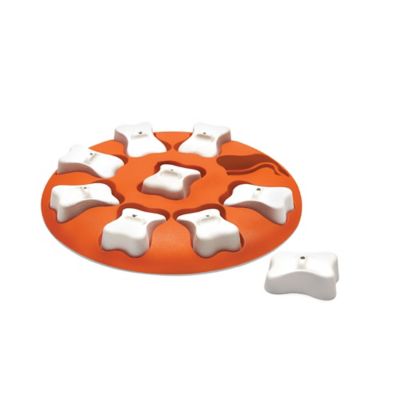
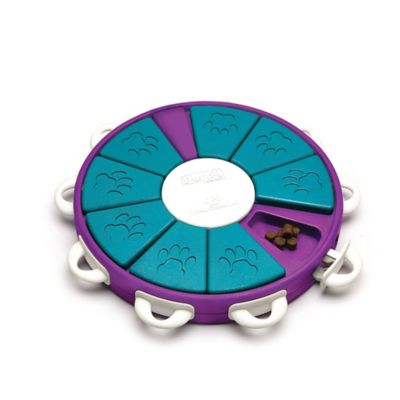
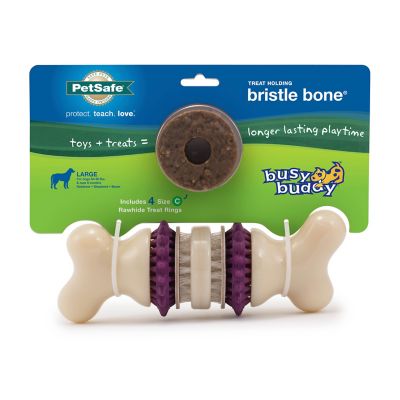
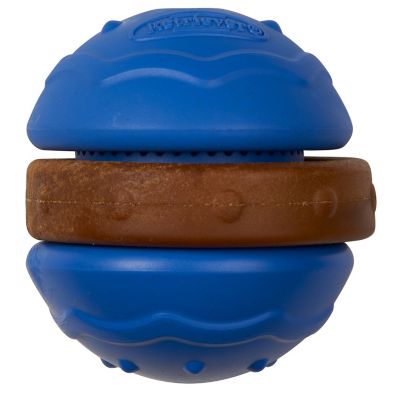
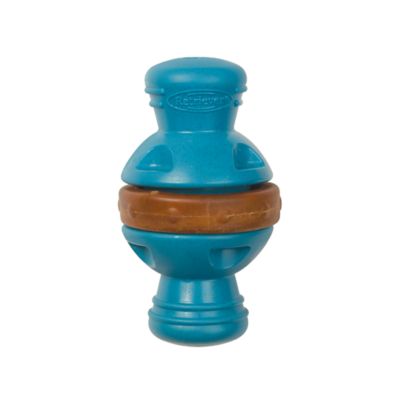
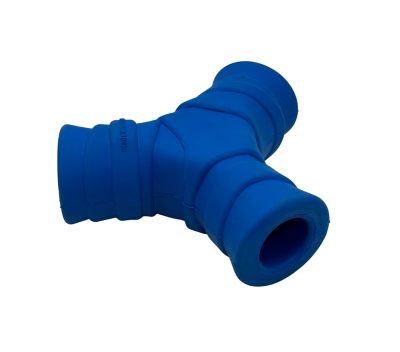
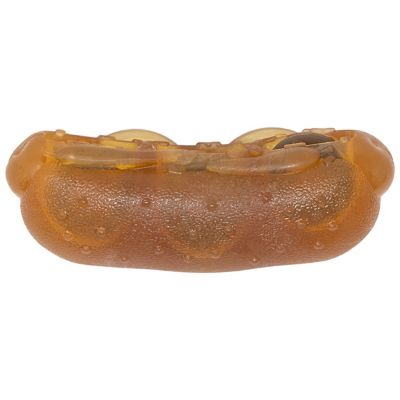
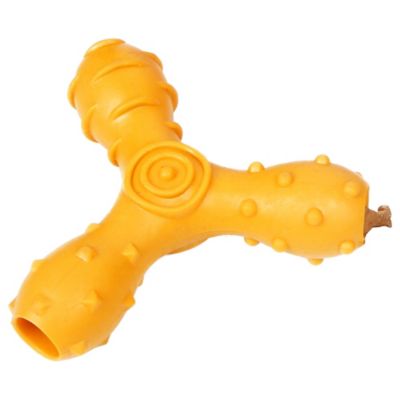
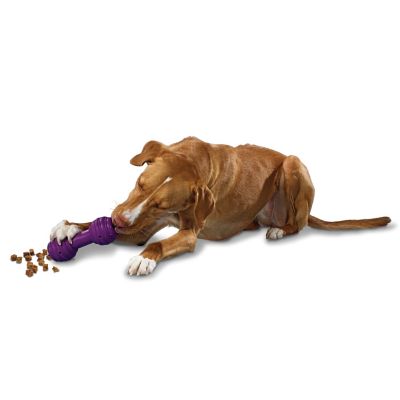
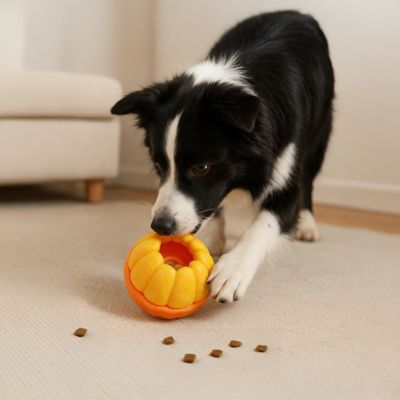
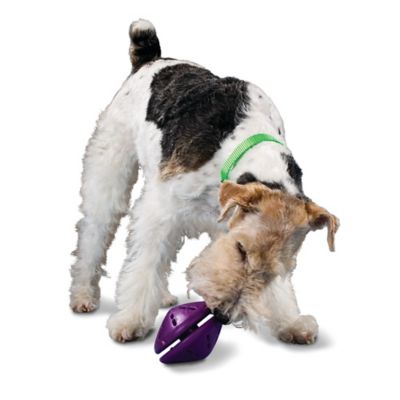
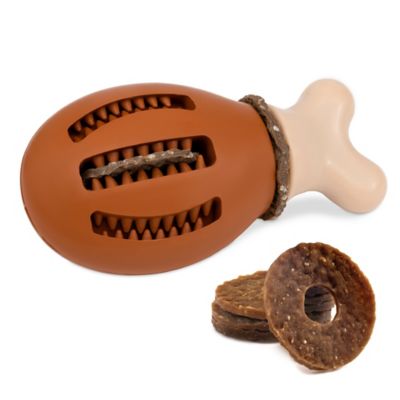
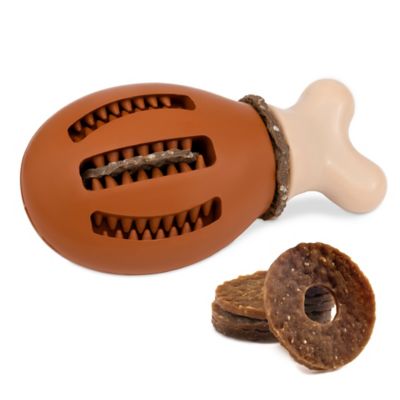
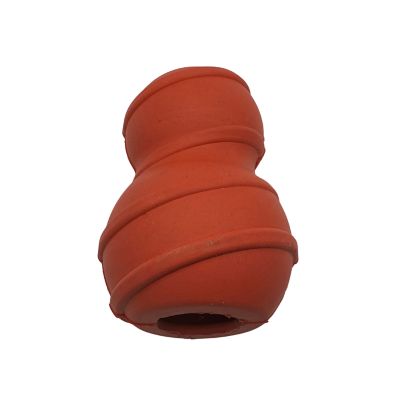
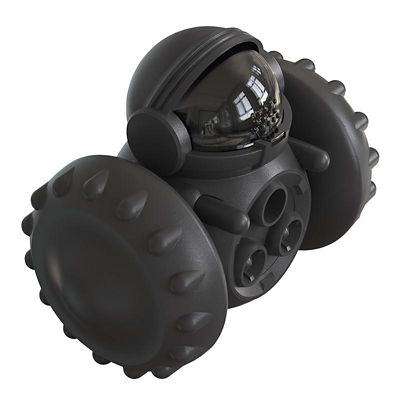
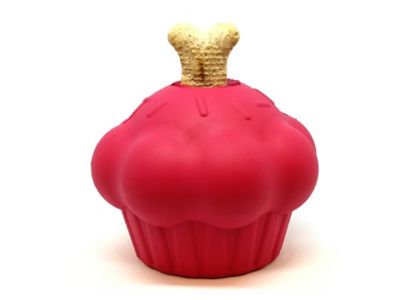
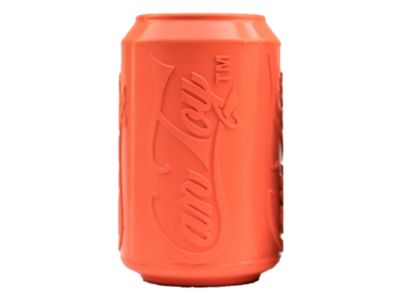
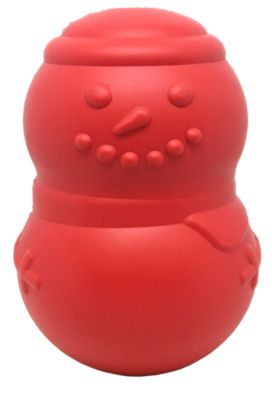
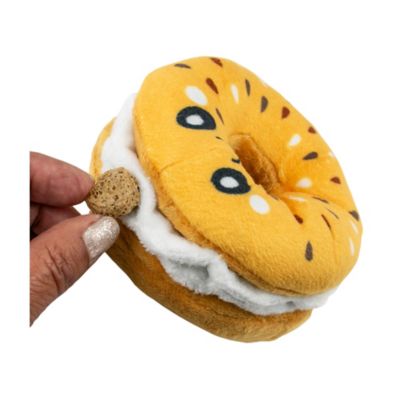
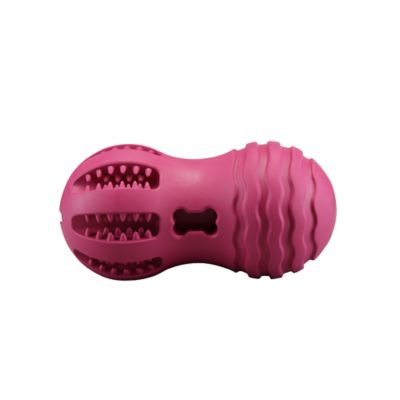
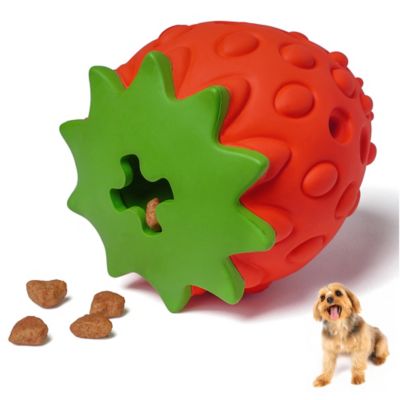
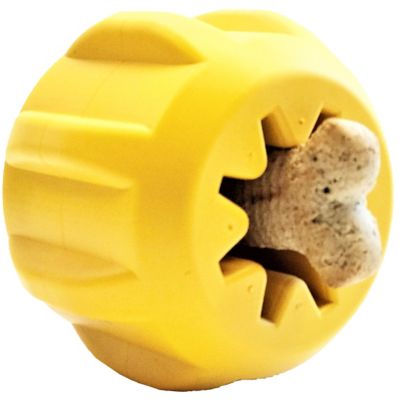
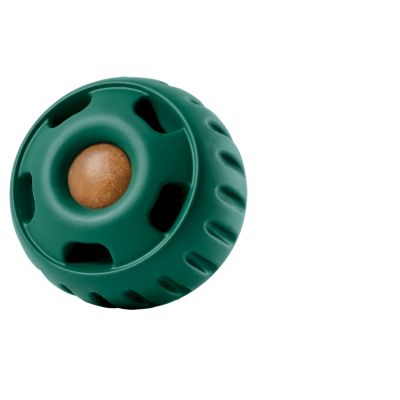
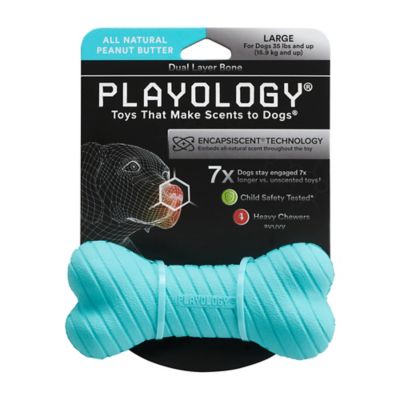
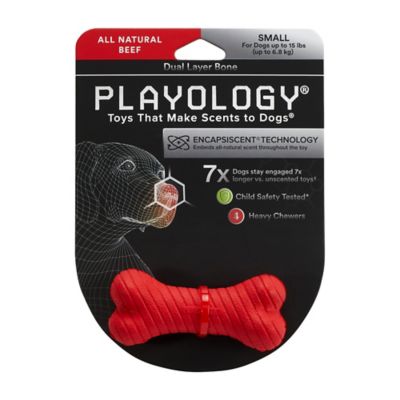
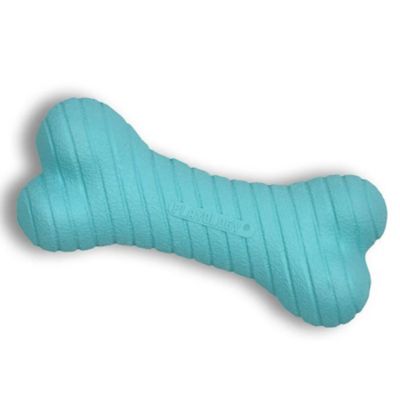
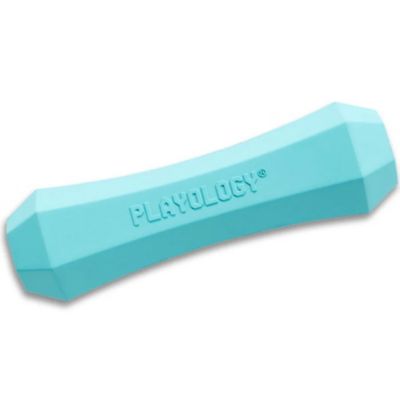
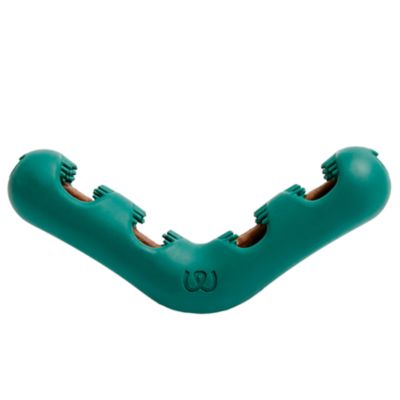
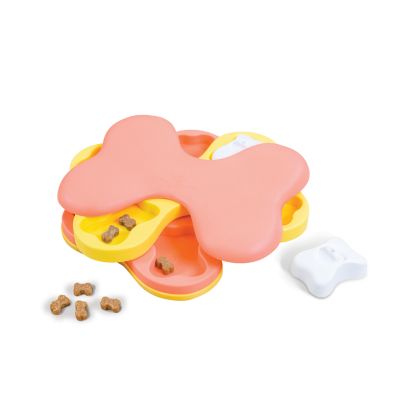
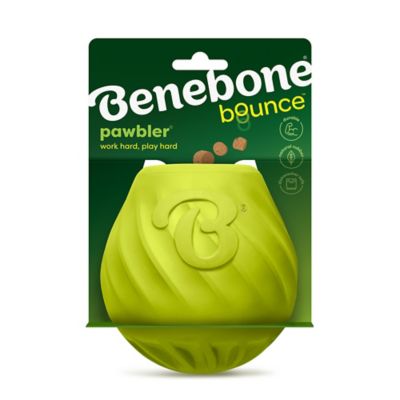
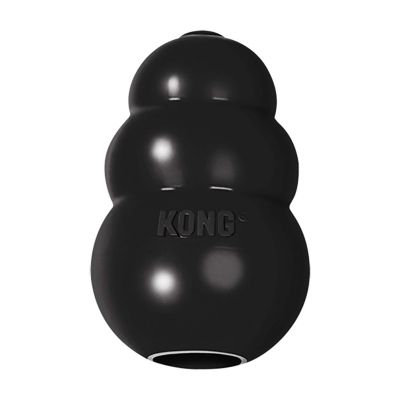
Dog treat toys give dogs a job worth sticking with: working out how to reach a tasty reward. These toys hold treats, kibble, or suitable spreadable fillings and release food as a dog rolls, nudges, licks, or paws at them. That extra effort adds mental stimulation to everyday play and can help break up boredom between walks, training sessions, and time outside. Some designs also slow the pace of eating by releasing a portion of food a little at a time, though results depend on the dog and the toy. The category covers several different ways to play. Hollow rubber toys hold food inside a cavity, treat-dispensing balls drop small pieces through openings, and wobbling feeders reward a steady push with a few bites. Puzzle styles hide rewards beneath sliding covers or inside compartments, encouraging dogs to investigate with their noses and paws. Each design creates a different experience, from quiet licking on a washable mat to a lively round of nosing a ball across the floor. A dog that follows every scent along the fence line may enjoy searching through separate food compartments, while one that likes carrying a toy around may take more readily to a fillable rubber shape. For a family dog resting near the kitchen table or a farm companion settling indoors after a walk around the property, a food puzzle offers something purposeful to do during supervised downtime. Treat toys can also support reward-based routines by making a designated resting spot more inviting, but they are not a replacement for exercise, companionship, or help with persistent anxiety. The most useful match gives the dog a reasonable challenge without making the food nearly impossible to reach. Easy access to a few rewards helps a beginner understand the game; more involved dispensing patterns can keep an experienced problem-solver interested without simply adding more food.
Size, construction, and chewing habits matter just as much as the puzzle itself. A treat toy should be large enough that the dog cannot swallow it, with a shape and opening suited to the dog's mouth and the manufacturer's size recommendations. Weight alone does not tell the whole story: a determined terrier may put more pressure on a toy than a much larger dog that mainly licks out the filling. Flexible rubber is common in fillable toys because it offers some give, while firmer plastic often forms the trays, compartments, and moving pieces of food puzzles. A hard-sided puzzle is generally meant for nosing and pawing rather than sustained chewing. Likewise, a rolling dispenser may be built for movement, not for a dog to pin down and gnaw. Material thickness, seams, removable parts, and the size of the dispensing hole all affect how the toy handles daily play. For dogs that chew hard, look for a design specifically rated by its manufacturer for that behavior, while remembering that no toy is indestructible. Puppies, older dogs, and dogs with dental concerns may need gentler textures or less demanding ways to reach food; a veterinarian can help with individual mouth or tooth concerns. Play space makes a difference, too. A round dispenser needs enough clear floor to move without disappearing under furniture, while a stationary puzzle fits a smaller supervised play area. Rubber feet or a nonslip base can help keep a tray from skidding as a dog pushes against it. In a home with several dogs, separate play spaces let each animal enjoy its food reward without competing over the same toy. Supervision is especially important with an unfamiliar design. Cracks, torn edges, loosened pieces, or missing material are signs to take it away, and repeated attempts to bite through a puzzle suggest the activity needs a different approach.
The filling helps determine how smoothly a treat toy works. Dry kibble and small training treats suit many rolling dispensers, but the pieces need to pass through the opening without becoming wedged inside. Oversized treats can turn a simple game into a frustrating one, while pieces that fall out all at once leave little work to do. Fillable toys may accept wet dog food or another dog-safe spread when the manufacturer's directions allow it. Any peanut butter should be free of xylitol, which is toxic to dogs, and fillings should fit the dog's dietary needs. Food rewards count toward daily intake, so setting aside part of a regular meal for a dispenser can add activity without piling extra treats on top. Dogs with food allergies, prescription diets, or weight-management needs may do best with their usual approved food rather than a new filling. A modest portion also makes it easier to introduce the activity and see how the dog responds. After play, empty leftover food and clean the toy according to its care directions. Wide openings and parts that come apart can make food residue easier to reach, while narrow chambers may call for a cleaning brush. Dishwasher compatibility varies, so check the instructions before putting a toy through a cycle. Thorough rinsing and drying help keep the next serving from mixing with old residue; moist fillings should not sit out for long periods. A small rotation of play styles can bring variety to a dog's routine without making every activity harder. Treat dispensers fit alongside the broader range of
Dog Enrichment Toys, with different formats giving dogs opportunities to sniff, investigate, and work toward a reward. They can also make thoughtful gifts for a dog-owning household when the dog's size, chewing style, and food restrictions are known. Whether the goal is a slower meal, a short puzzle session, or a licking activity beside the family, the right match comes down to manageable challenge, suitable materials, and a design that is straightforward to clean and inspect. Those everyday details help make treat-filled play a comfortable part of life with a dog.