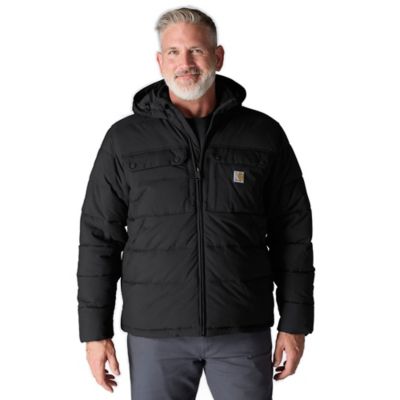
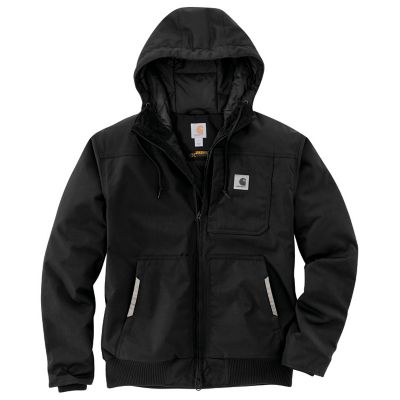
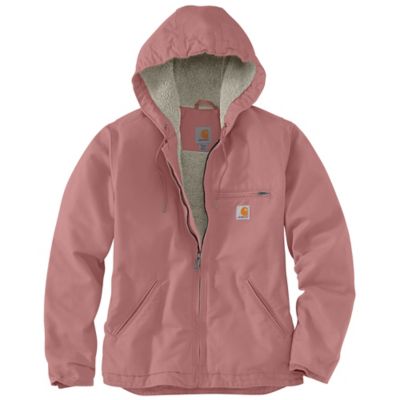
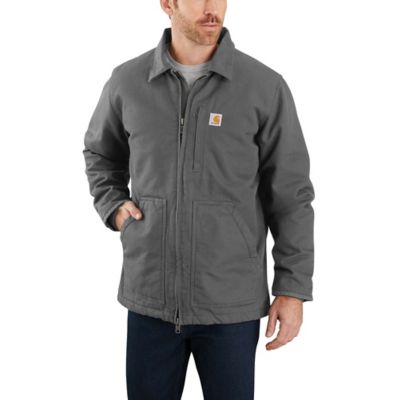
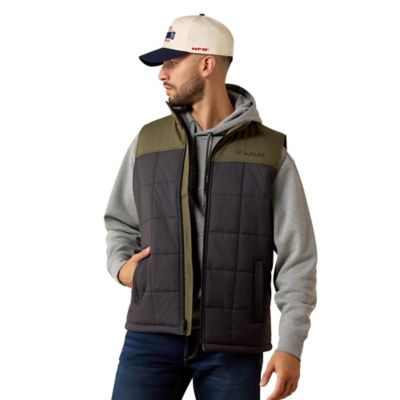
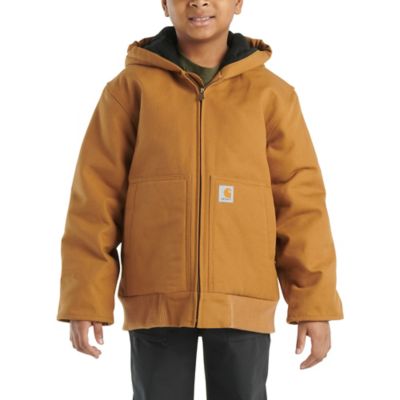
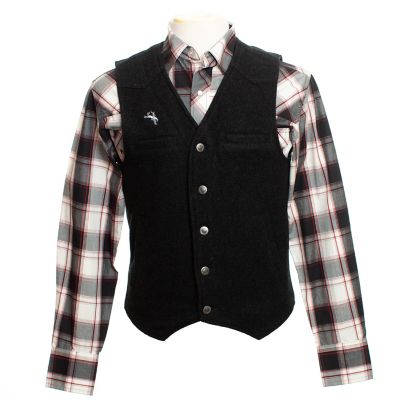
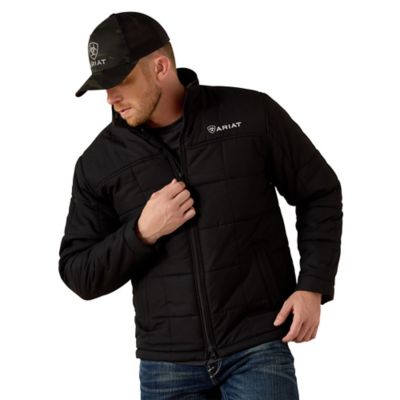
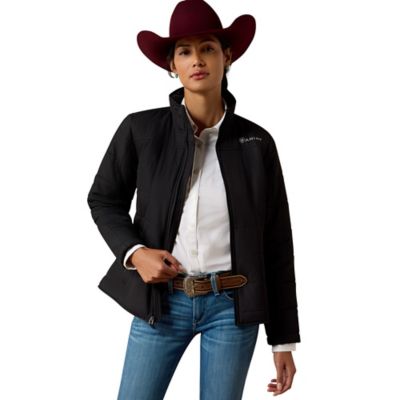
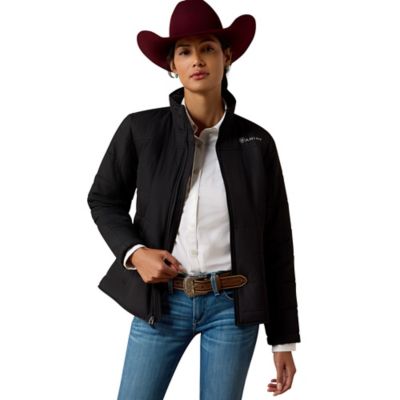
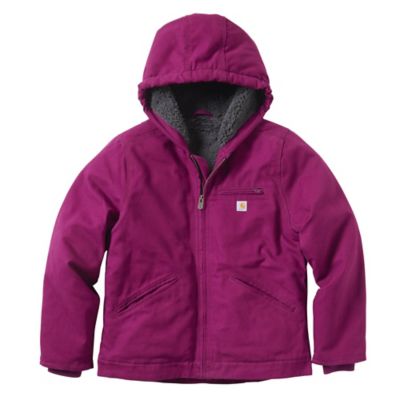
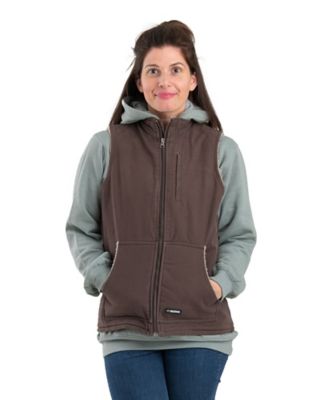
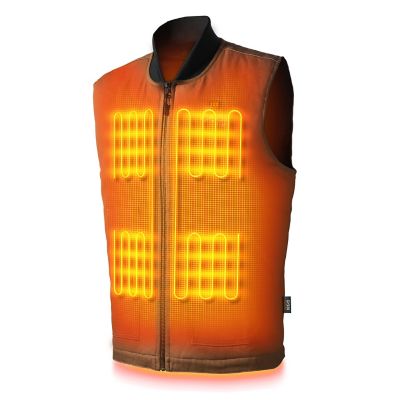
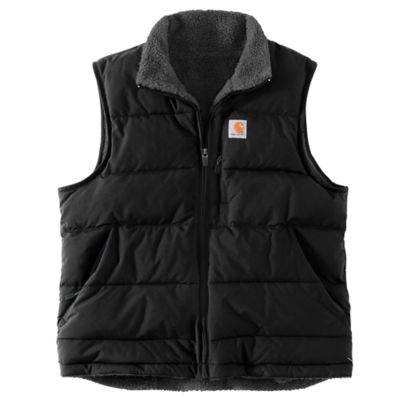
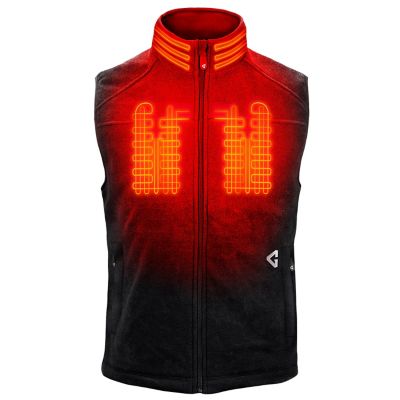
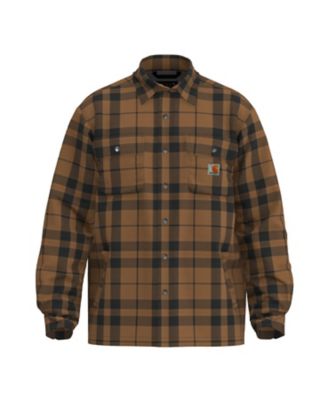
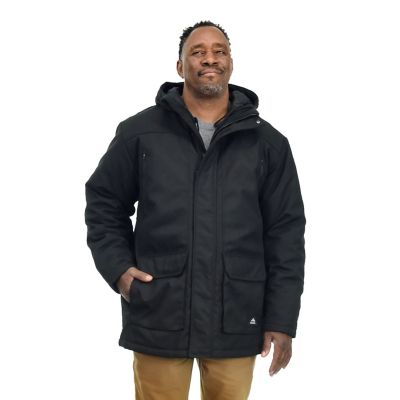
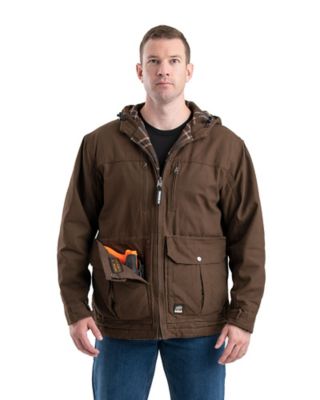
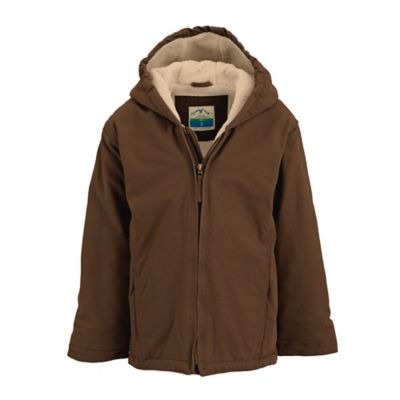
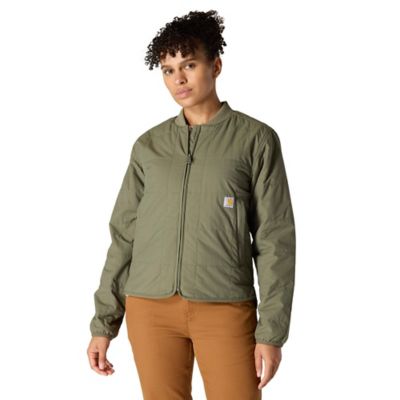
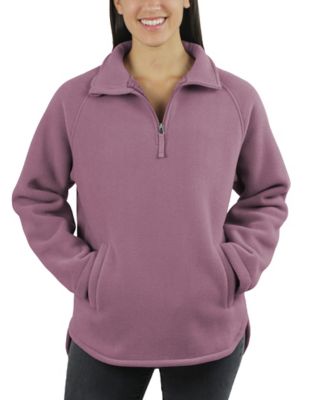
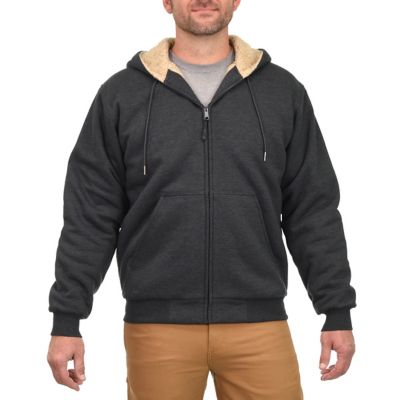
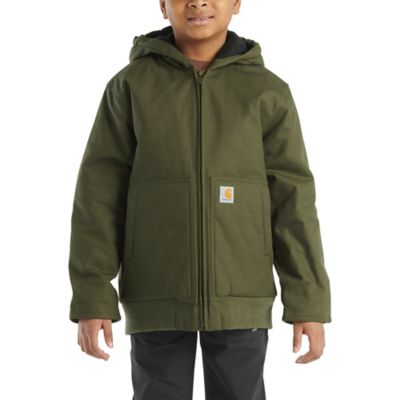
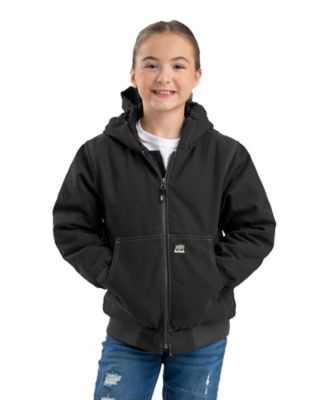
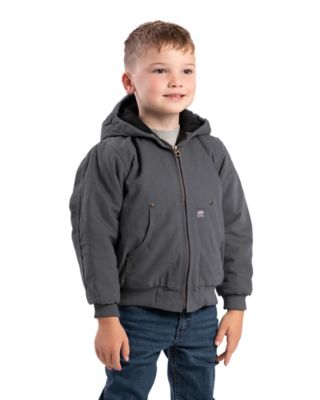
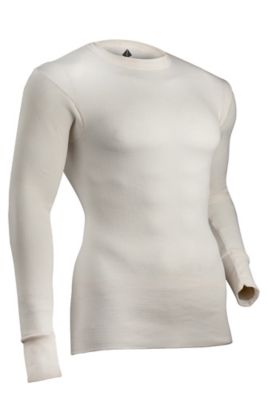
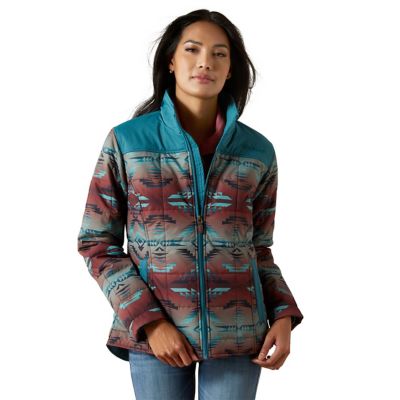
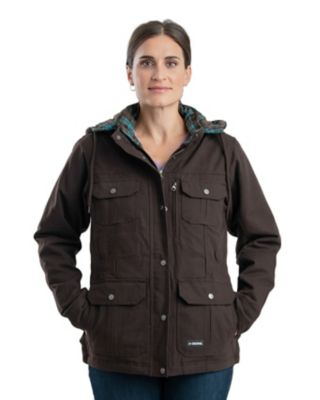
Outerwear for cold days helps make early starts, long walks, farm chores, and trips into town more comfortable when the temperature drops. The right jacket or coat should match the way you spend time outside, whether you are feeding animals before sunrise, checking fence lines, walking the dog, heading to work, or watching a ball game from the sidelines. A heavy parka can bring welcome coverage during bitter wind and wet snow, while a lighter puffer may be a better fit for layering, travel, or active days when you need warmth without feeling weighed down. Windproof active jackets can help block sharp gusts while letting you move freely, making them handy for hiking, outdoor work, and other chores that keep you on the go. When choosing outerwear, start with the conditions you expect to face. Insulation helps hold body heat close, and down is known for bringing a high level of warmth without much weight. Synthetic insulation is another practical choice, especially for damp conditions, since it can continue to provide warmth when moisture is in the mix. A fleece-lined style can add soft comfort for cool afternoons, while a quilted or padded design can bring extra coverage when the air turns brisk. Think about your usual routine, too. Someone who spends hours outdoors may want more insulation and a longer hem, while a person moving between a truck, shop, and house may prefer a lighter jacket that is easy to carry and layer.
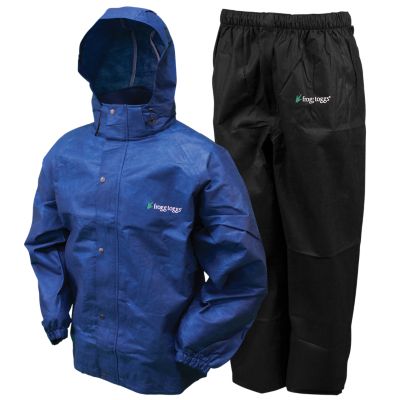
Weather resistance matters just as much as insulation when cold air arrives with rain, sleet, snow, or wet brush. Look for an outer shell that helps shed water and keeps moisture from soaking through to your layers. Water-repellent fabric can suit light precipitation and everyday errands, while waterproof construction is worth considering for steady rain, snow work, or long stretches outdoors. A hood can help protect your head and neck from wind, and an adjustable hood gives you a closer fit when the weather turns rough. Elastic cuffs, hook-and-loop closures, and snug wrist openings help keep cold air from slipping up your sleeves. A drawcord hem or cinchable waist can help seal out drafts, especially when you are leaning, lifting, or riding in an open vehicle. Look for pockets that are easy to reach while wearing gloves, with enough room for keys, a phone, gloves, or small tools. A two-way zipper may be useful when sitting in a tractor cab or climbing into a truck, while a full front zipper makes it easier to adjust airflow as you move from the cold into a heated space. Fit should leave enough room for a shirt or sweater underneath without hanging loose around the shoulders. Try to think about arm movement as well; a coat that feels fine standing still may pull across the back when you reach for a gate latch or lift a feed bag. Dark colors can be practical around outdoor work, while brighter shades may help others spot you near roads, fields, or wooded trails. For more cold-weather clothing options, browse
Nice Winter Clothes and compare layers that fit the season ahead.
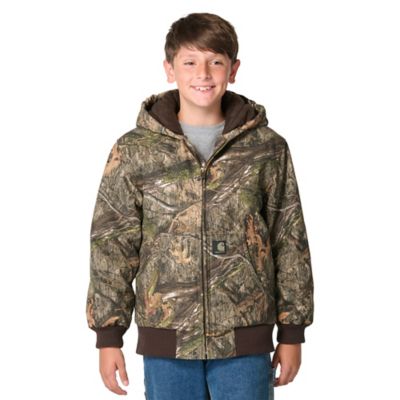
Cold-weather outerwear can also make a thoughtful gift for a family member, neighbor, coworker, or friend who spends time outside. It is especially useful for someone starting a new outdoor job, moving to a colder area, commuting before daylight, or caring for animals through the cooler months. A lightweight jacket may suit a traveler or college student who needs something easy to pack, while a warm parka can be a welcome choice for a hunter, ranch hand, delivery worker, or anyone who faces long hours in the elements. If you are shopping for someone else, pay attention to their regular activities and the layers they are likely to wear. A person who works around machinery may appreciate a fit that allows easy movement and pockets that stay out of the way, while someone walking trails may favor a lighter shell with a hood and room for a midlayer. For children and teens, look for simple closures, comfortable lining, and enough room for a sweater as the season changes. For adults, consider sleeve length, coat length, insulation level, and whether the jacket can handle wet weather. Taking a few minutes to think through local conditions can help you choose outerwear that feels at home on frosty mornings, windy back roads, damp chores, and cool evenings by the fire. With the right balance of warmth, coverage, movement, and weather protection, a cold-day jacket becomes part of the everyday routine rather than something that only comes out when the forecast looks harsh.