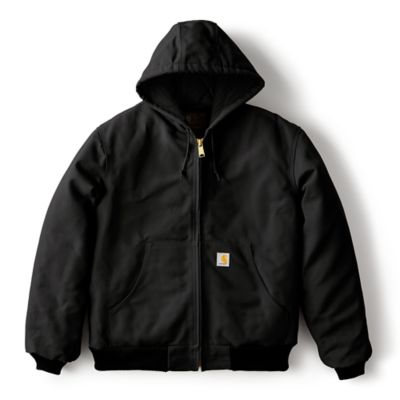
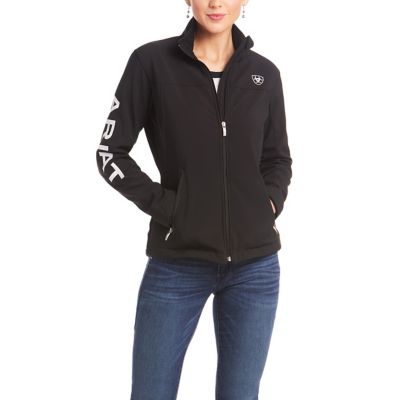
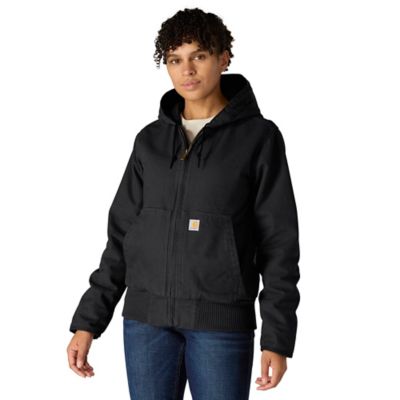
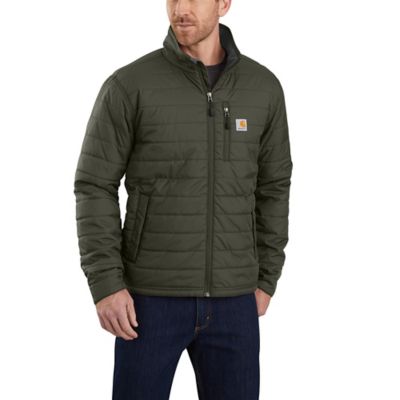
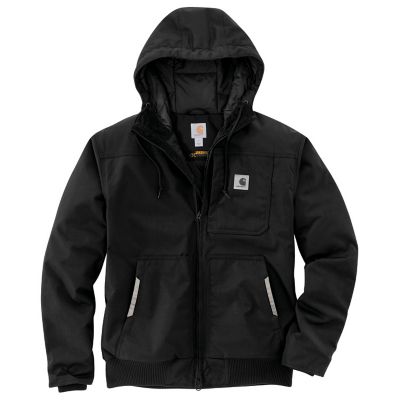
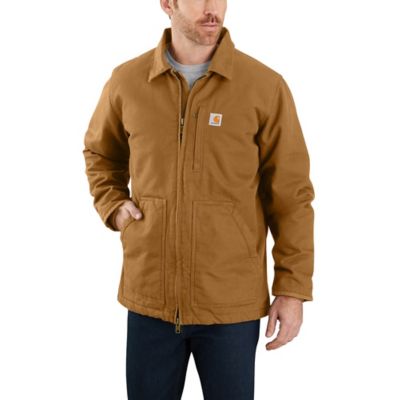
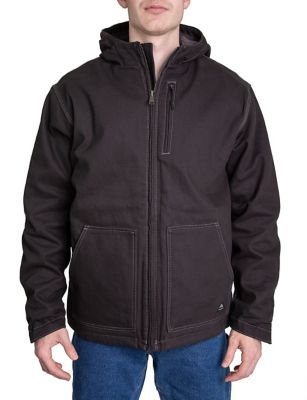
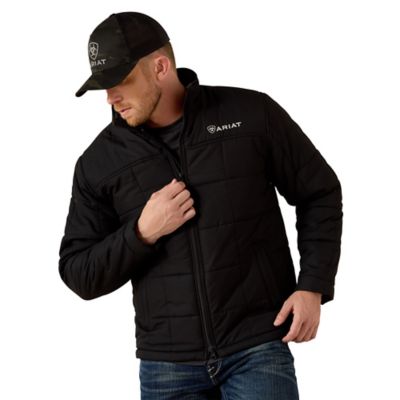
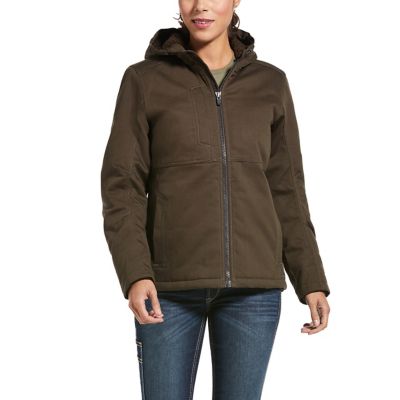
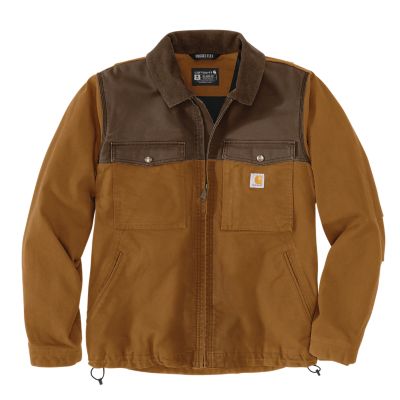
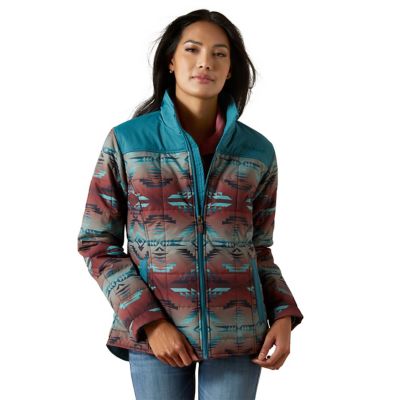
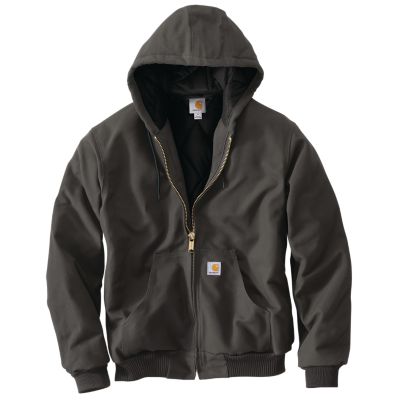
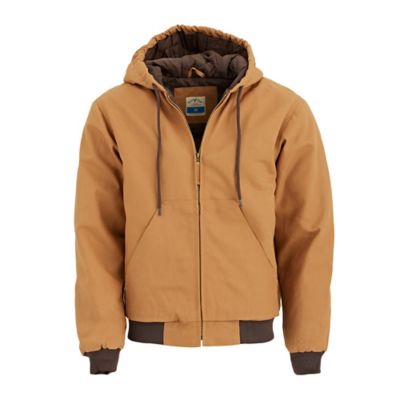
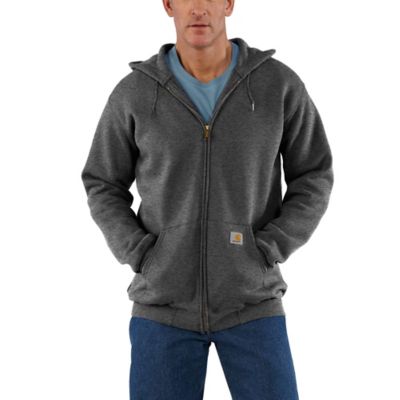
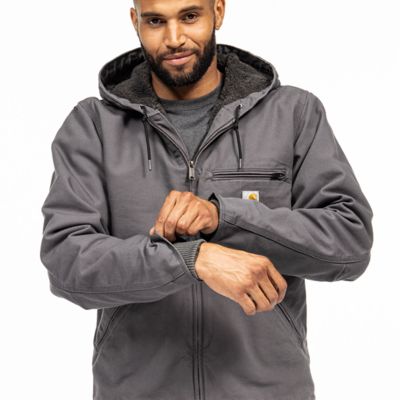
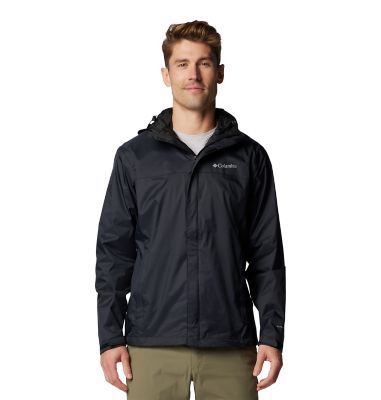
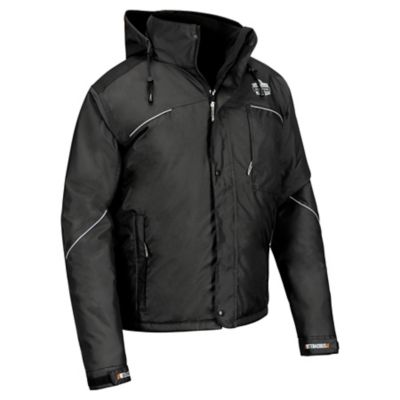
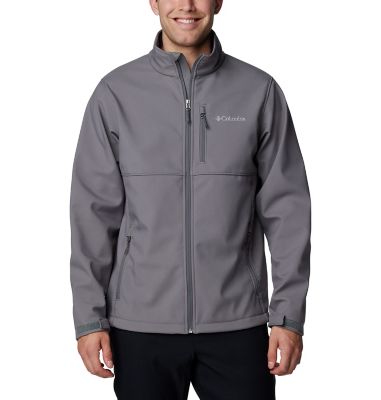
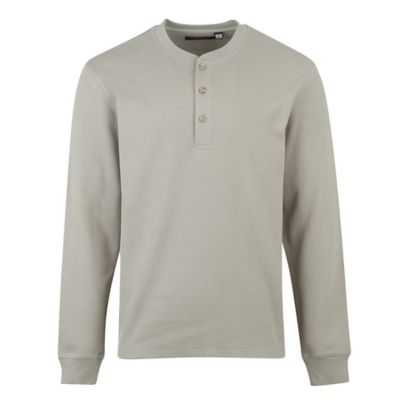
Jackets for cold weather help hold warmth close while shielding you from wind, snow, and the damp chill that can settle in during outdoor chores. The right amount of insulation depends on how long you’ll be outside, how hard you’ll be working, and what the weather brings. Feeding livestock before daylight calls for different protection than splitting firewood all afternoon or sitting through a football game. Insulated work jackets, fleece jackets, quilted jackets, and longer parkas each serve a purpose, with differences in coverage, weight, and resistance to moisture. Cotton duck and canvas shells bring a sturdy feel suited to brushing past fence posts, carrying firewood, and working around the barn. Nylon and polyester shells often weigh less and may include finishes or membranes that help block wind and shed moisture. Down insulation offers considerable warmth for its weight and compresses well, making it a practical option for cold, dry conditions. Synthetic insulation generally handles damp conditions better than untreated down, though any jacket performs better when its insulation stays dry. Fleece provides breathable warmth for active work and layering, but an open fleece construction usually needs a wind-blocking outer layer in exposed places. Water-resistant fabric can handle brief contact with light snow or drizzle; waterproof construction, especially with sealed seams, offers more protection against sustained precipitation. A jacket’s warmth also depends on details beyond the insulation itself. A covered front zipper, close-fitting cuffs, and an adjustable hem help limit the drafts that sneak in when you bend to fill a trough or reach for a gate latch. Longer hems add coverage across the lower back and hips, while shorter cuts can feel less restrictive when climbing into a truck. Those differences matter most when the jacket matches the job, rather than simply having the thickest lining. A heavy coat can feel welcome while standing still but become uncomfortable once a long walk or steady shovel work gets the body moving.
Fit makes a noticeable difference in how a cold-weather jacket feels through a full day outside. Enough room through the shoulders, chest, and sleeves lets you reach across a tailgate or carry a feed bucket without pulling the jacket tight. At the same time, an overly loose fit can let cold air circulate and leave extra fabric in the way. A comfortable fit over the layers you actually wear is more useful than judging the jacket over a thin shirt alone. A base layer and a fleece or sweatshirt need room without flattening the jacket’s insulation or making the elbows hard to bend. Sleeve length matters when both hands are on a wheelbarrow handle, and the back hem should still provide coverage when you lean forward. For women, differences in shoulder shape, waist shaping, and hip room can affect both movement and coverage. Longer silhouettes among
women’s jackets for snow can provide coverage beyond the waist, while adjustable features help fine-tune the fit over everyday layers. A hood adds protection for ears and the back of the neck, particularly in open fields where there is little shelter from the wind. Its adjustment should allow clear sight to either side rather than falling across the eyes. Tall collars, soft chin guards, and cuffs that work comfortably with gloves are small touches that become welcome over several hours outdoors. Pockets deserve some thought, too: hand pockets offer a place to warm cold fingers, zippered pockets help keep keys contained, and inside pockets keep small belongings close. Easy-to-grasp zipper pulls are helpful with gloved hands. For anyone giving a jacket as a gift, knowing the recipient’s usual layers, sleeve needs, and daily routine matters as much as knowing a size. Someone who checks fences on foot may appreciate a different cut and weight than someone who spends more time seated in a tractor cab. The most practical choice suits the person’s movements, not just the measurement on the tag.
Cold-weather jackets also need to stand up to the ordinary wear that comes with outdoor life: rough lumber against a sleeve, mud along a hem, and repeated bending at the elbows. Tightly woven shells, reinforced stress points, substantial zippers, and well-finished seams can help a jacket handle that routine. Heavier fabric is not automatically warmer, though; a tough outer shell and an insulating lining do different jobs. Breathability matters just as much during demanding work, since trapped perspiration can leave clothing damp and make a rest break feel much colder. An adjustable front opening or other ventilation features can help release excess heat before sweat builds up. Care plays a part in keeping those materials working as intended. The sewn-in care label should determine washing temperature, cleaning products, and drying method, because canvas, down, fleece, and waterproof fabrics do not all tolerate the same treatment. Prompt attention to mud and spills can keep grime from building up around cuffs, collars, and pocket openings. Fabric softeners can interfere with moisture management or water-repellent treatments on some fabrics, and excessive heat can harm certain shells, trims, and insulation. Where machine drying is permitted, following the specified heat setting helps protect the garment; down requires particular attention so the filling dries completely and regains its loft. Letting a damp jacket dry fully before storage helps prevent musty odors, while roomy storage avoids keeping insulation compressed for long stretches. Checking loose stitching and worn zipper areas early can keep a small problem from becoming a bigger nuisance at chore time. Temperature ratings, when provided, are useful only in context: wind, moisture, activity, layers, and individual comfort all affect how warm a jacket feels. Whether the day involves tending animals, walking the dog, or spending hours beside a frozen pond, a well-matched jacket balances warmth, weather protection, freedom of movement, and care that fits everyday life.