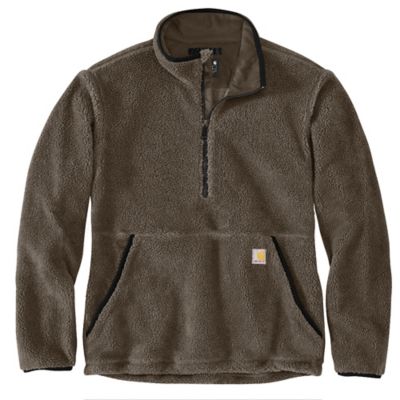
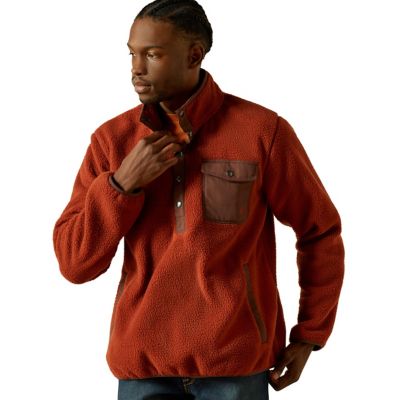
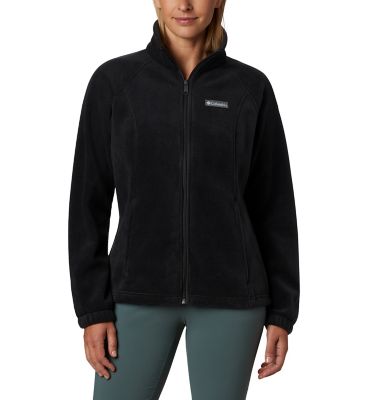
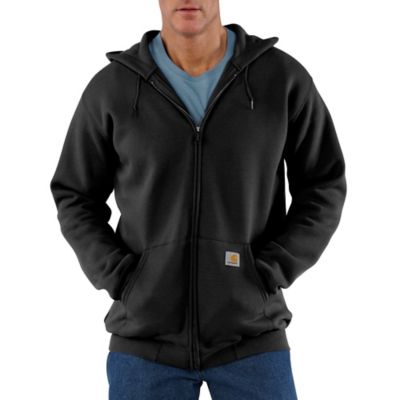
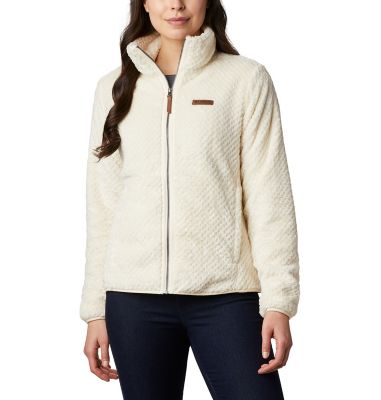
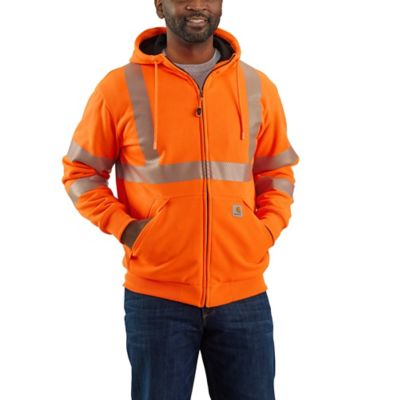
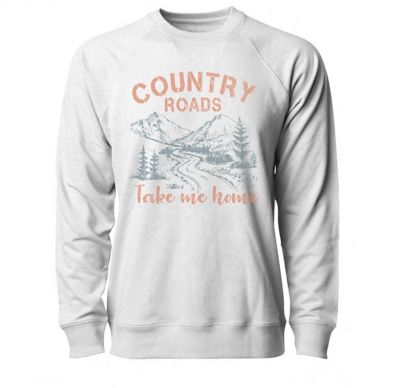
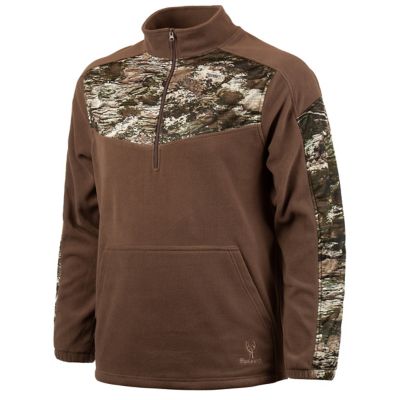
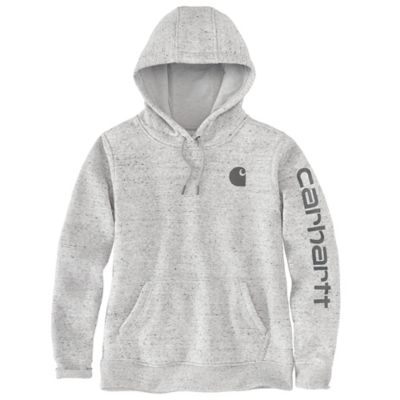
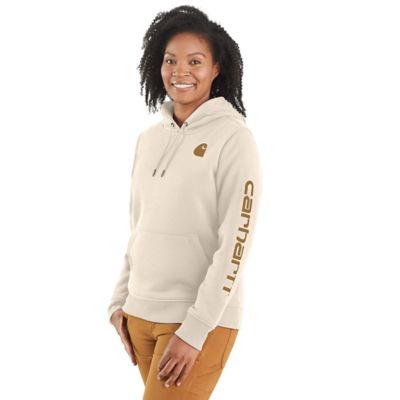
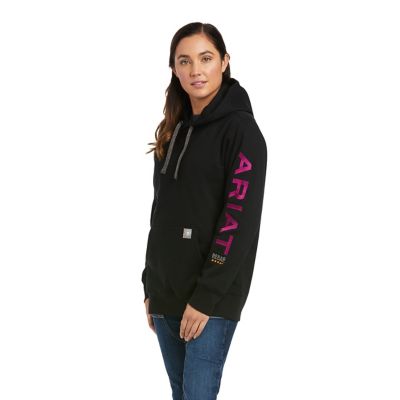
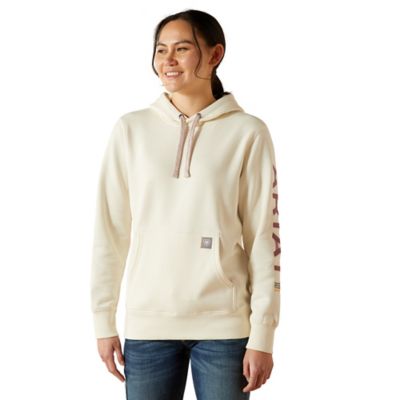
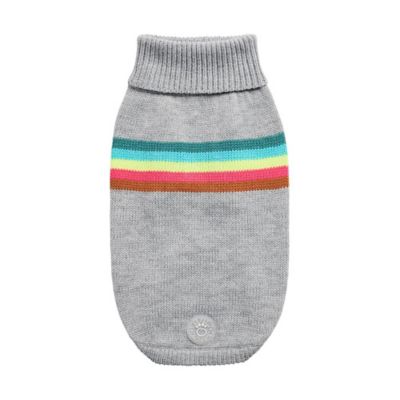
An outdoor sweater is a knit or sweater-fleece layer that adds warmth for time outside, whether that means walking a fence line, camping beside a creek, or heading into town after chores. It can serve as an outer layer in dry, mild conditions or fit beneath a jacket when wind and precipitation call for more coverage. Unlike a rain shell, an ordinary sweater does not provide waterproof protection, and an open knit can let a breeze pass straight through. Its strength is comfortable insulation, with enough flexibility for everyday movement. Material makes a noticeable difference in how that comfort feels. Wool helps manage moisture vapor and retains insulating ability when damp, though it still needs time to dry after getting wet. Fine merino wool generally feels softer against the skin than coarser wool, making it worth considering for anyone sensitive to a scratchy collar. Wool blends may include nylon or polyester to help the fabric hold its shape and stand up to friction from regular wear. Polyester sweater fleece combines a knit-looking outer face with a fleece interior, offering warmth without the weight of some heavier knits and generally drying faster than cotton. Cotton sweaters have a familiar, soft feel for porch sitting, short walks, and everyday errands, but cotton absorbs moisture and dries slowly, which matters during strenuous activity or long stretches outdoors. Acrylic blends offer another wool-like option, with warmth and care requirements that depend on the full fabric blend and construction. For folks comparing natural-fiber layers,
Wool Outdoor Clothing offers a related category to explore. Fiber content is only part of the picture: fabric weight, knit density, and the layers worn underneath all help determine whether a sweater feels right for an afternoon at the campsite or a slow morning tending animals.
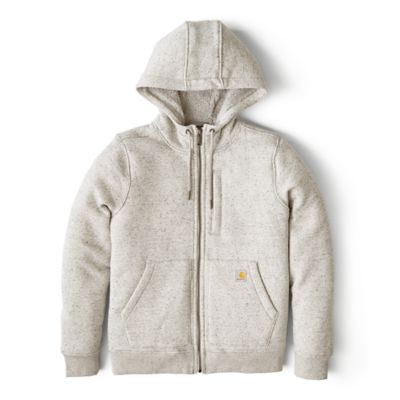
The best fit for an outdoor sweater leaves room to move without leaving so much extra fabric that it catches on gate hardware or bunches beneath a coat. A shoulder seam that sits comfortably, sleeves that reach the wrists, and a hem that stays put when reaching overhead can matter more than the size printed on the tag. Someone wearing a sweater over a thin base layer may prefer a closer fit, while someone layering over a flannel shirt will need more space through the chest and upper arms. Size charts and garment measurements help sort out those differences, especially when shopping for another person. Crewnecks keep things straightforward and sit neatly under many jackets. Quarter-zip and half-zip necklines allow a little ventilation during a brisk walk, then close up for more coverage while standing still. Full-zip styles are easy to take off without pulling a sweater over a hat, and higher collars help cover the neck without adding a separate scarf. Ribbed cuffs and hems can hold the edges close to the body, while raglan sleeves or thoughtfully shaped shoulders may allow easier reaching and lifting. Pockets provide a place for cold hands or small belongings, though a loaded pocket can pull a softer knit out of shape. Hoods add coverage but also take up room under a jacket collar, so their usefulness depends on the rest of the outfit. Construction deserves a close look, too. Even stitching, secure seams, and firmly attached zippers or buttons are practical details for a layer that gets pulled on before the first chore and stays on through the last errand. Tightly knit fabric is generally less prone to catching than a loose, open stitch, but no sweater is immune to snags from rough lumber, brush, or wire. For those jobs, a protective work jacket over the sweater makes more sense than expecting exposed knitwear to take all the wear. Around moving machinery, loose sleeves, hanging cords, and baggy layers need particular caution.
Intended use helps narrow the choice between a light layer that travels easily and a substantial sweater that feels comfortable during less active time outside. A hiker carrying a pack may appreciate a smoother knit, modest seams beneath the shoulder straps, and a neckline that opens to release heat. Someone watching a ballgame from the bleachers or sitting around camp may favor a heavier fabric with more coverage through the neck and wrists. For barn visits and everyday property chores, freedom through the shoulders and a fit that works beneath a chore coat are useful starting points. A sweater can also make a thoughtful gift for a gardener, camper, dog walker, or family member who spends plenty of time outdoors. Familiar colors, a preferred neckline, and care requirements that fit the recipient’s routine are often better clues than choosing the thickest fabric alone. Long-term wear depends partly on what happens after the sweater comes off. The garment’s care label takes priority because two sweaters with a similar appearance can need very different treatment. Some wool knits call for gentle washing and flat drying, while certain synthetic blends allow machine washing and low-temperature tumble drying. Heat and agitation can shrink or felt wool, and hanging a wet, heavy knit can stretch the shoulders and lengthen the body. Reshaping a sweater while it dries helps preserve its fit when the label calls for flat drying. Folded storage can prevent hanger marks, and sweaters should be clean and fully dry before being put away for an extended stretch. Pilling can develop where sleeves rub against the body or a pack rests against the back; careful treatment with a fabric comb or suitable sweater shaver can tidy the surface without pulling at the yarn. A snag is better worked gently back into the fabric than clipped, which can break a stitch. With material, fit, construction, and care matched to everyday life, an outdoor sweater earns its place as a comfortable layer for the trail, the yard, and the gravel road home.