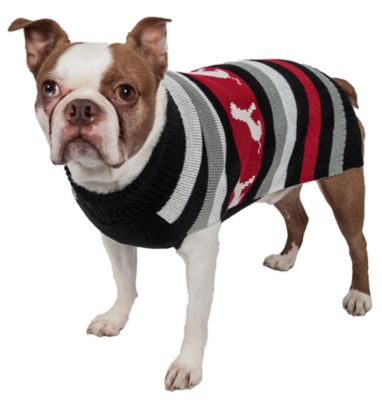
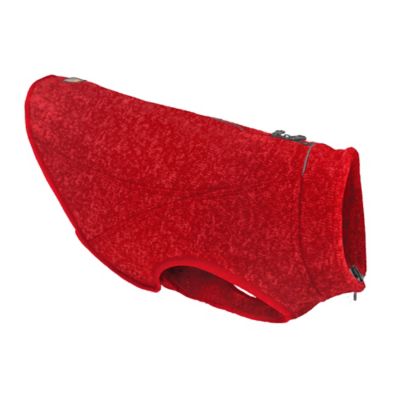
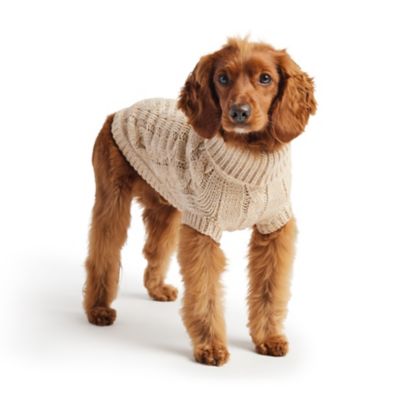
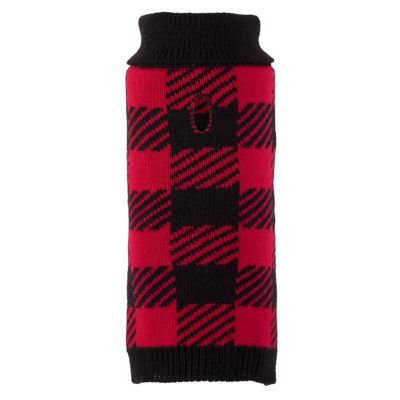
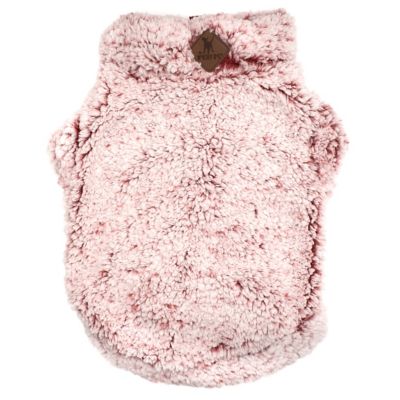
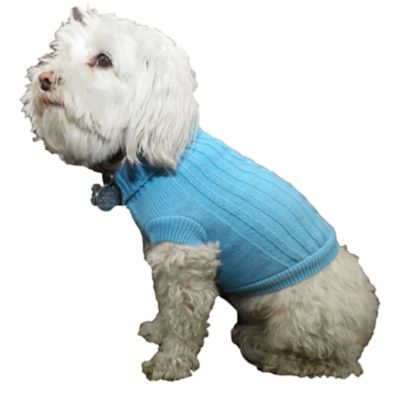
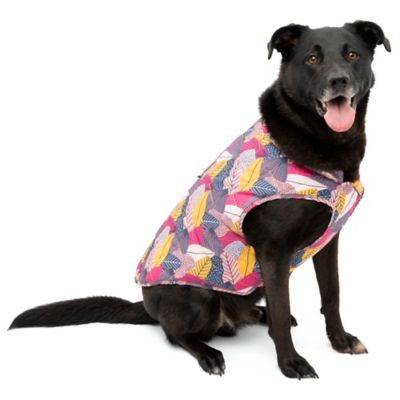
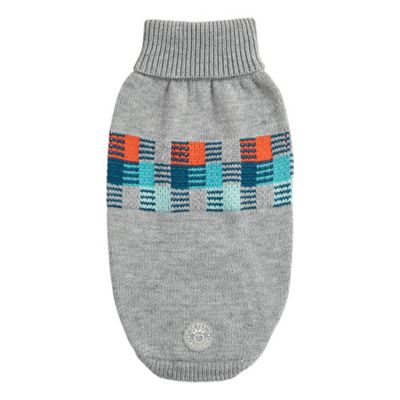
Sweaters for Frenchies work best when they fit a French Bulldog’s broad chest, thick neck, and short back without squeezing the shoulders or hanging past the tail. That sturdy little build can make a sweater sized for another small breed feel snug up front and too long behind. A roomy chest, flexible neckline, and well-placed leg openings matter more than a size label alone. Chest circumference, neck circumference, and back length give a better picture of fit than weight, especially for dogs with a stocky frame. Chest measurements go around the widest part of the rib cage, just behind the front legs, while back length runs from the base of the neck to the base of the tail. Each sweater’s sizing chart matters because a small in one style may fit differently from a small in another. A comfortable sweater should lie close enough to stay in place while leaving room for normal breathing, walking, sitting, and stretching out for a nap. The fabric should not pull tight across the chest, rub beneath the front legs, or roll into a thick band at the neck. Shorter backs and higher belly openings also help keep the hem clear during potty breaks. Stretch can make getting dressed easier, but it should not be doing all the work to compensate for a too-small cut. For a Frenchie who likes to trot beside the fence before settling near the kitchen table, freedom through the shoulders makes a real difference. A sweater that twists after a few steps or slides over a paw is not a good match, even if the back length looks right. Puppies, full-grown companions, and older dogs all need that same attention to proportions, with growing pups needing frequent fit checks. The broader selection of
Dog Sweaters For Small Dogs can offer another place to compare shapes and sizing, with chest room and back length still leading the decision for a Frenchie.
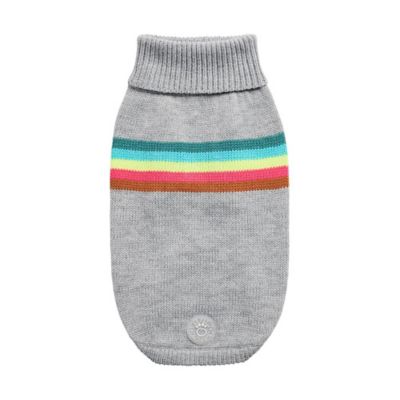
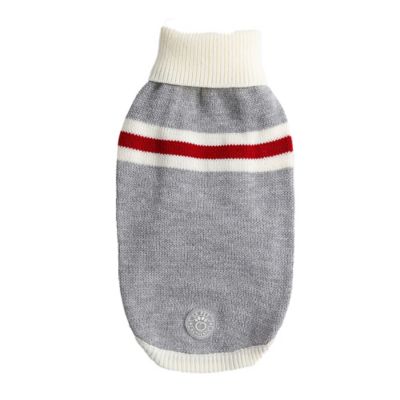
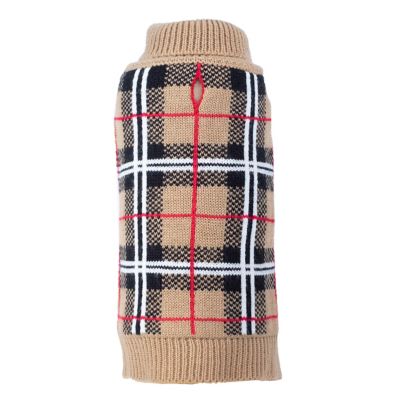
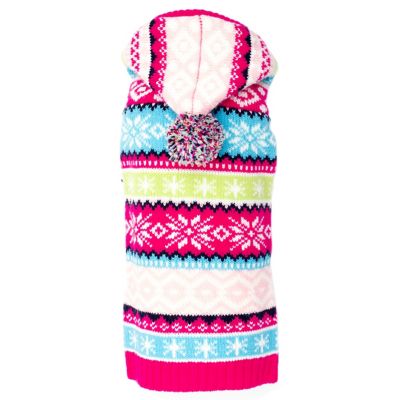
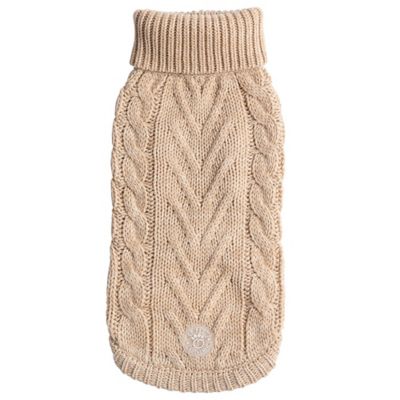
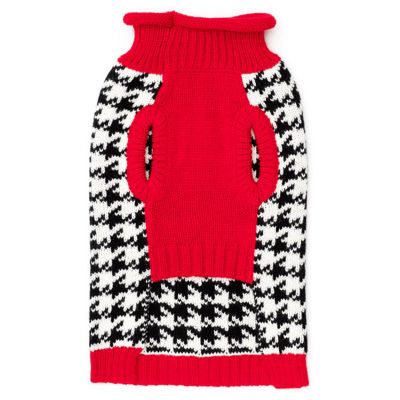
Material and construction shape how a French Bulldog sweater feels through an ordinary day. Cotton knits tend to feel soft and breathable, making them worth considering for light coverage, though they can hold moisture after a damp outing. Acrylic knits often offer warmth without much weight, while wool and wool blends can provide insulation with care requirements that deserve a close look. Some dogs may find certain wool textures irritating, so a smooth feel against the chest and belly matters as much as the look of the outer knit. Blended yarns can balance softness, stretch, and shape retention, but the fiber label and care directions tell more than appearance alone. A close, even knit is generally less likely to catch on everyday surfaces than a loose, open stitch, and neatly finished seams help limit friction where the garment meets the skin. Ribbing at the neck, legs, and hem can help a sweater stay settled, provided those edges stretch easily and do not leave pressure marks. Lightweight styles suit brief outings and dogs who need only a little extra coverage; heavier knits call for closer attention to activity level and surroundings. French Bulldogs have short coats, so some appreciate an extra layer for a chilly potty trip or a quiet stretch on the porch with their person. They are also flat-faced dogs that can have trouble managing heat, making thicker clothing a poor substitute for paying attention to comfort. Heavy panting, slowing down, or seeking a cooler spot are reasons to remove the sweater and check on the dog. A knit sweater is not rainwear, and a wet garment should come off rather than stay against the body. For leash walks, the sweater and harness need to sit together without bunching fabric into the armpits or pressing across the throat. Any leash opening should line up with the harness attachment, and the leash belongs on the harness or collar rather than the sweater itself. Plain knits, stripes, and textured stitching offer different looks without changing the essentials: comfortable fabric, an easy-moving fit, and sensible coverage.
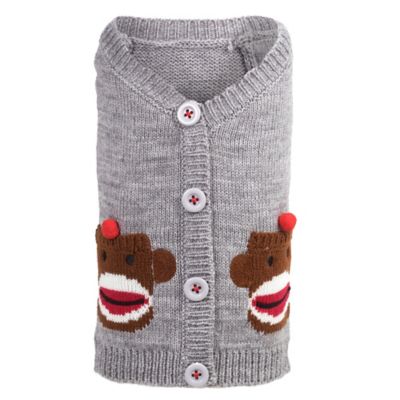
Everyday practicality counts just as much as a good-looking knit, particularly when a Frenchie’s schedule includes muddy paw prints, couch time, and the occasional roll across the rug. Machine-washable sweaters can simplify cleanup, but wash settings and drying directions vary by fiber and construction. Following the garment label helps protect the fit, whether that means a gentle wash, hand washing, or reshaping the sweater and laying it flat to dry. High dryer heat can shrink some fibers or affect stretch, turning a comfortable chest opening into a tight one. A mild detergent without added fragrance may be a better choice for dogs with sensitive skin, and a thorough rinse helps keep residue out of the fabric. Having another clean layer on hand gives a damp sweater time to dry fully before the next outing. Between washes, seams, cuffs, and neck openings deserve a quick check for stretched areas, loose threads, or places that have begun to unravel. Snagged yarn and loose trim can invite chewing, so simple construction is often a practical match for a mouthy pup. Sweaters are best worn with supervision and taken off for rough play or whenever the dog starts tugging at the fabric. Easy dressing also matters: a generous, stretchy opening can make a pullover more comfortable to put on, while fastening styles may suit dogs who dislike having clothing drawn over their heads. Closures should sit away from sensitive spots and stay clear of skin when fastened. For a gift, the most helpful details are the dog’s measurements, preferred fabric feel, and the recipient’s laundry routine—not just a favorite color. A soft, straightforward sweater can be a thoughtful pick for someone whose Frenchie joins them on short walks down the lane or keeps them company at home. Whether the goal is light warmth, a tidy everyday look, or an extra layer for a brief trip outside, the best match leaves that broad-chested little companion free to move and settle comfortably.