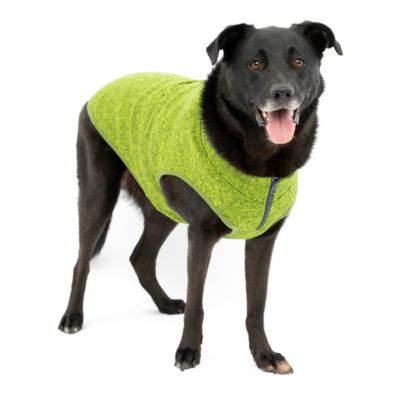
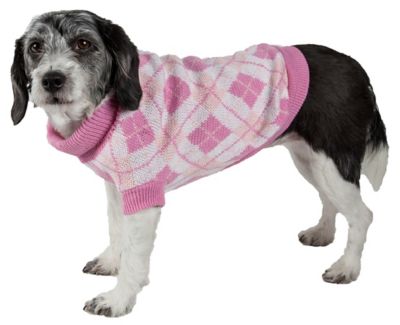
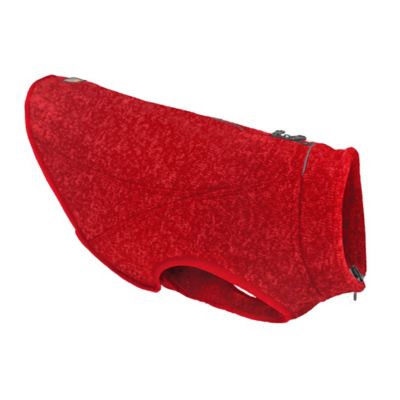
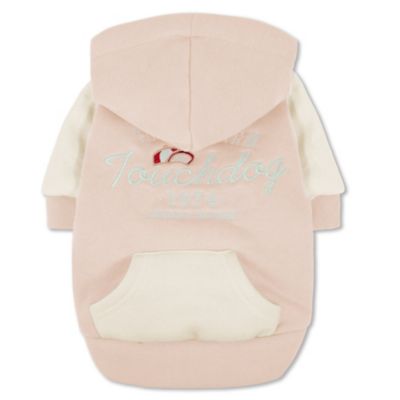
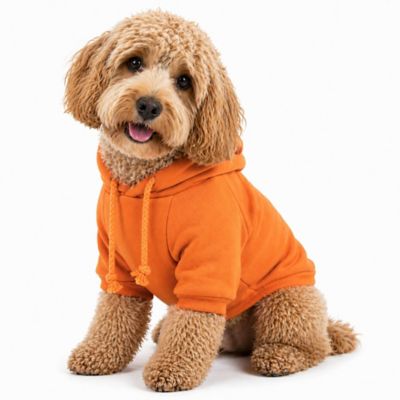
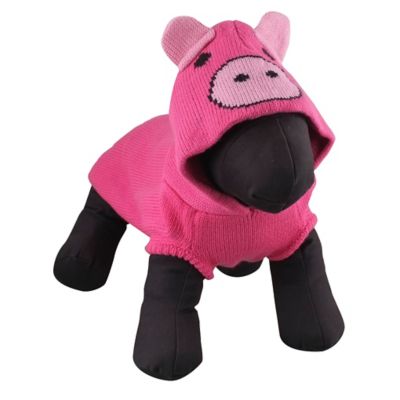
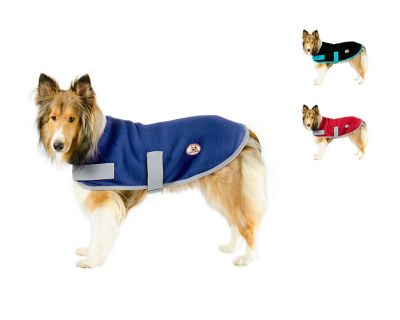
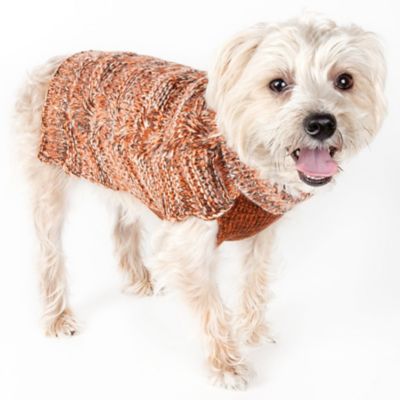
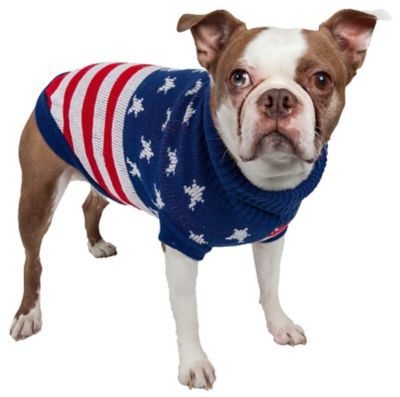
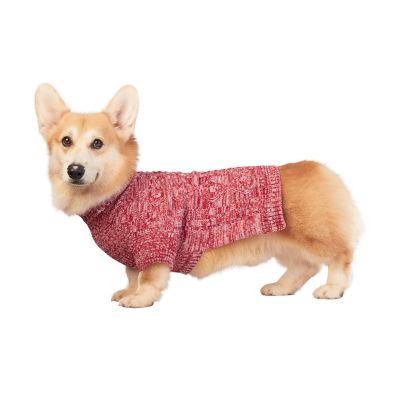
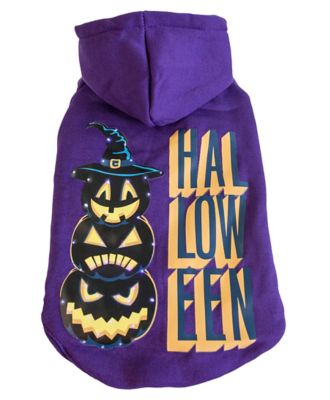
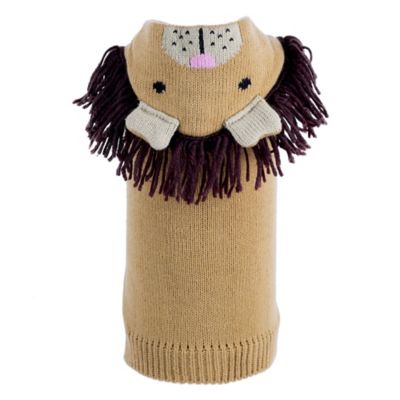
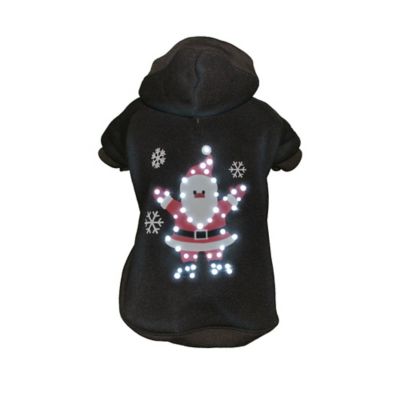
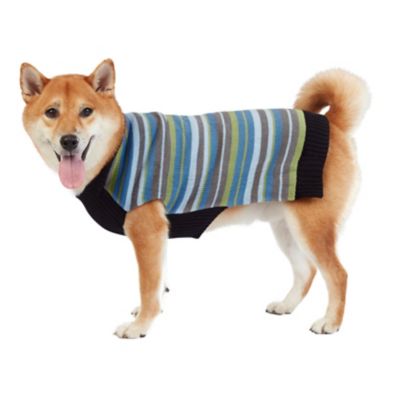
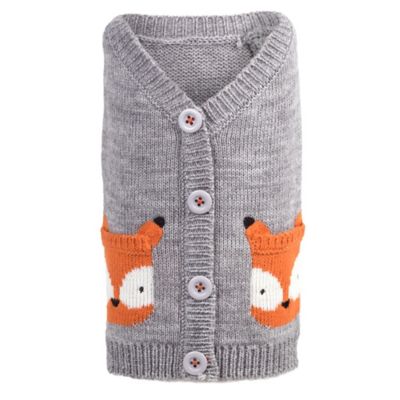
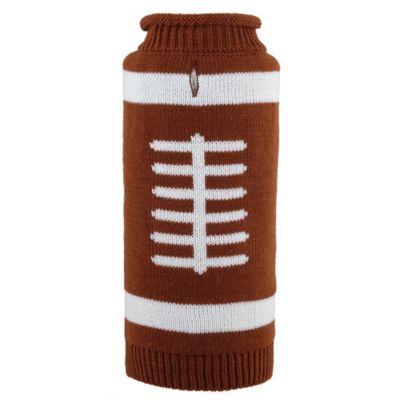
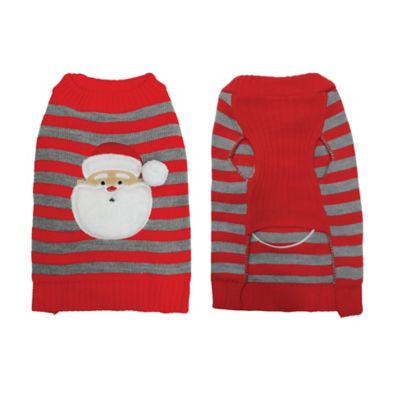
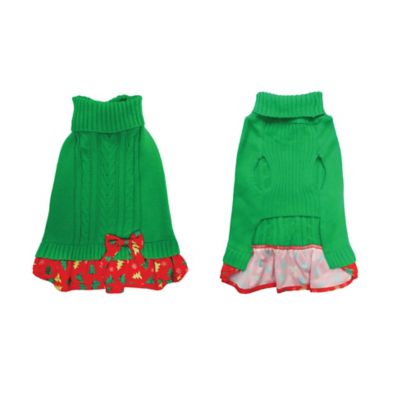
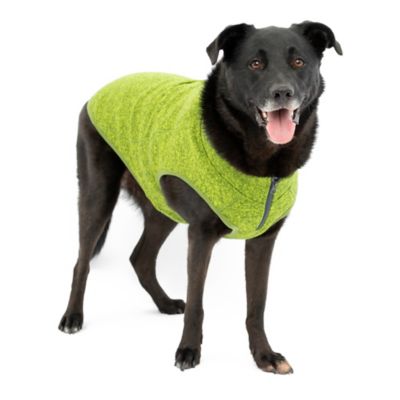
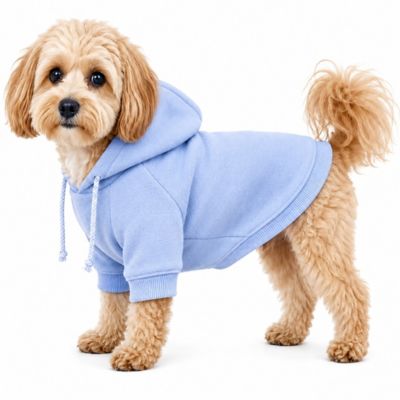
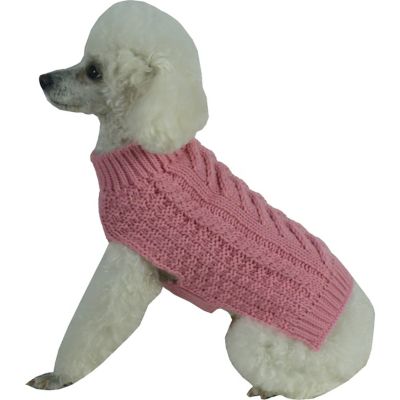
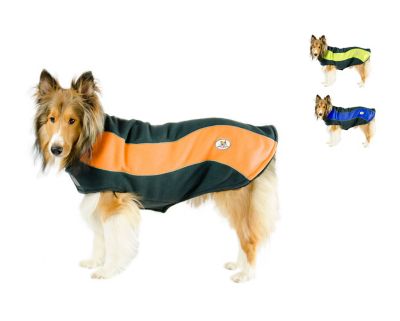
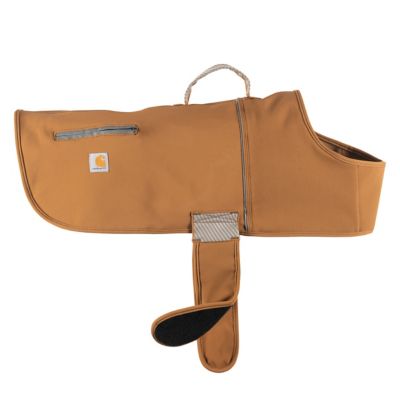
Dog sweaters add a soft layer of warmth for companions who feel a chill on a walk down the farm lane, a ride into town or a quiet afternoon near a drafty door. Small dogs, short-coated breeds and some older dogs may appreciate that extra coverage, while a thick-coated, active dog may not need it at all. The right choice depends on the dog’s coat, build, activity level and comfort—not just the size printed on a tag. Sweaters generally cover the shoulders, chest and back while leaving the legs free, making them a practical option for dry, chilly conditions and comfortable indoor wear where appropriate. Materials make a difference in how that layer feels. Wool provides warmth, though some wool fabrics can feel scratchy against sensitive skin and may require gentle washing. Acrylic knits offer a wool-like appearance and often have straightforward care requirements, while cotton can provide a lighter layer with a soft feel. Fiber blends balance different characteristics, so the fabric content and care label are worth a look. Cable-knit textures have a substantial feel, while finer knits can sit closer to the body without as much weight. Ribbing around the neck, leg openings and hem helps shape the garment, but those edges should feel soft rather than tight. A smooth inside surface matters, especially beneath the front legs, where repeated movement can turn a rough seam into an irritation. Simple colors, stripes and familiar knit patterns give dog sweaters plenty of personality without needing dangling trim. For a dog who trots along the fence line before settling beside a chair, freedom of movement matters more than an elaborate outfit. Knitwear also has its limits: an ordinary sweater is not a raincoat or a substitute for proper shelter, and wet fabric should come off promptly. A comfortable sweater suits the outing, stays dry and leaves the dog free to move, rest and sniff around.
Fit is where dog sweaters earn their keep. Two dogs with the same weight can have very different proportions, so body measurements tell more than a weight range alone. With the dog standing naturally, the most helpful measurements are the chest circumference around the widest part of the rib cage, the neck circumference where the sweater neckline will sit, and the back length from the base of the neck to the base of the tail. Each garment’s size chart may work a little differently, making those measurements a better starting point than a familiar small, medium or large label. Chest room is especially important because a sweater must allow comfortable breathing and a full stride without squeezing behind the front legs. Broad-chested companions have different proportions from lean, narrow-bodied dogs, making chest room and armhole placement especially important when browsing
Sweaters For Frenchies. A sweater that fits the back but pulls across the chest is still too restrictive, and extra length does not make up for a narrow cut. The neckline should stay clear of the throat without slipping down over the shoulders, while the back hem should stop short of interfering with the tail. Underneath, enough clearance for bathroom breaks helps keep the fabric clean and dry. Stretch can make a pullover easier to put on, but it should not be the only thing making a too-small sweater fit. Closures may make dressing simpler for dogs who dislike having clothing pulled over their heads, provided the fasteners do not pinch skin or catch fur. Leash arrangements deserve attention, too. A harness opening needs to line up with the attachment point, and a harness worn over a sweater may need adjustment without becoming loose enough to slip. A sweater itself is not a restraint or leash attachment. Once dressed, a dog should be able to walk, sit, lie down and turn comfortably. Bunched fabric, shortened steps or repeated rubbing at an opening are signs that the fit needs another look.
Everyday wear puts dog sweaters through plenty, from rubbing against a harness to brushing past a porch rail or curling up on a favorite blanket. Even stitching, firmly attached trim and knit fabric that springs back after gentle stretching are useful construction details to consider. Loose loops and open weaves can catch on brush or rough surfaces, so a closer knit is often more practical for a dog who spends time around the yard. No sweater belongs near moving machinery, sharp fencing or other snag hazards, and dogs who chew fabric need close supervision while wearing clothing. Comfort also changes with activity: a layer that feels good on a slow walk may become too warm during a lively game of fetch. Panting that seems out of proportion to the activity, restlessness or attempts to escape the garment can mean it is time to take it off and check the dog. Care requirements matter just as much after the outing. Some sweaters allow machine washing, while others call for hand washing, cool water or drying flat; the sewn-in instructions should decide the routine. Gentle handling helps limit stretching, shrinking and felting, particularly with wool. Supporting a damp sweater instead of hanging it by the shoulders helps preserve its shape, and thorough drying before storage keeps moisture from lingering in the fibers. A quick check after each wear can catch a pulled thread, loose fastener or rough spot before the next walk. Keeping a clean layer ready is handy when another is drying after a muddy outing. Dog sweaters can also make thoughtful gifts for someone whose little companion is always hunting for a warm lap, provided the recipient’s dog measurements and care preferences are known. The most useful choice is one that fits the dog’s daily routine: soft enough for a nap, easy enough to put on without a wrestling match and suited to the amount of warmth that dog actually needs.