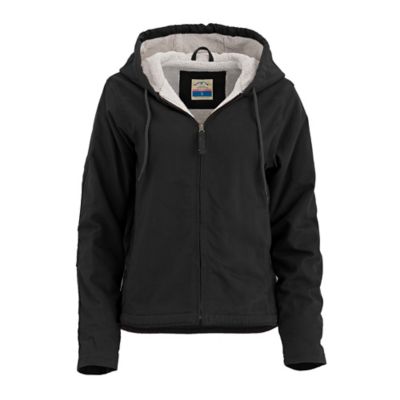
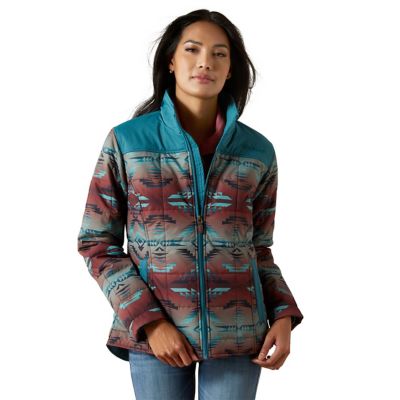
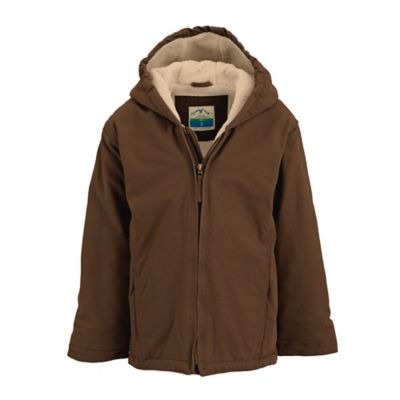
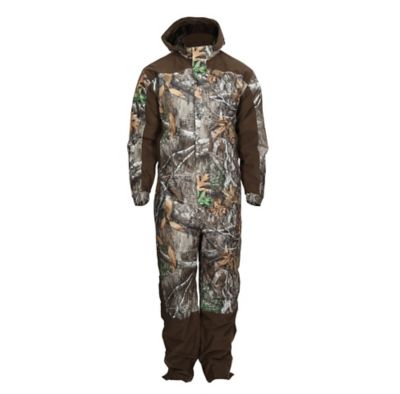
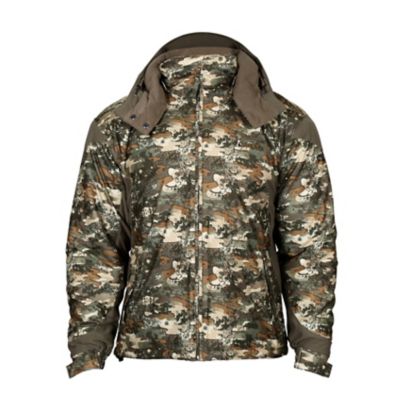
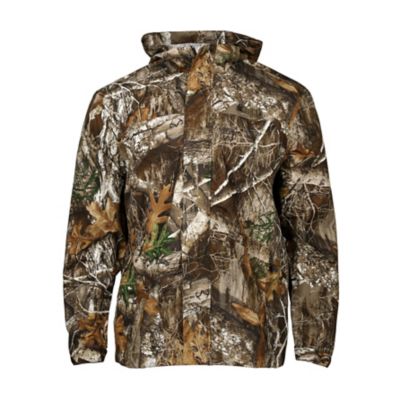
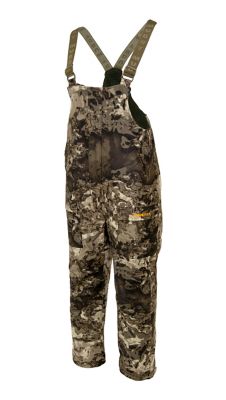
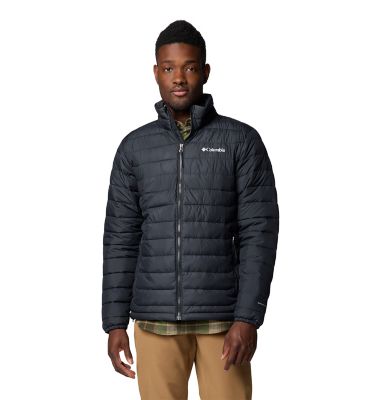
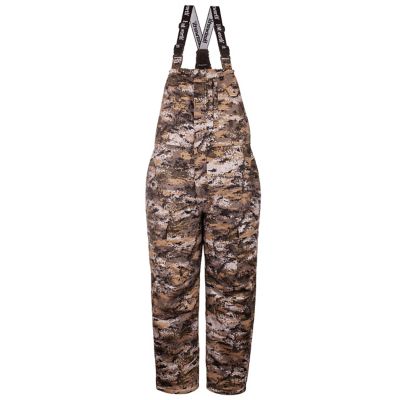
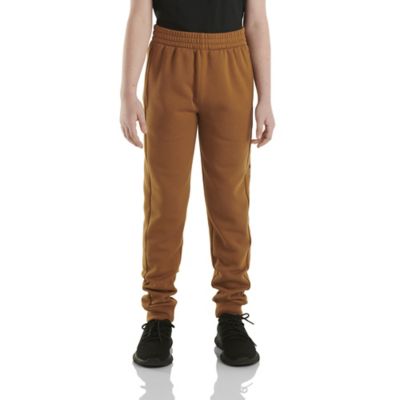
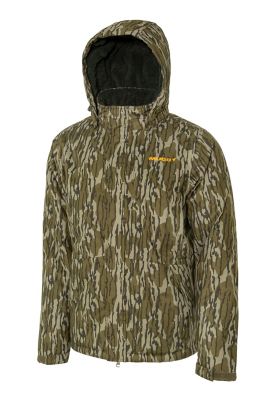
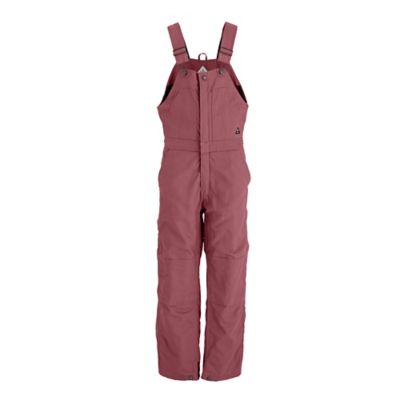
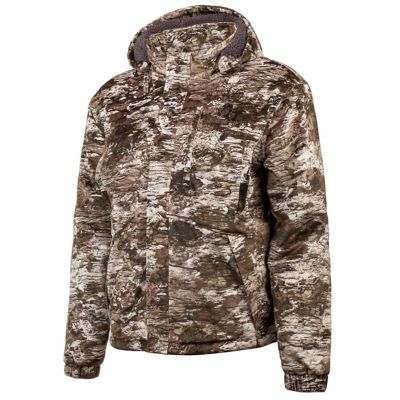
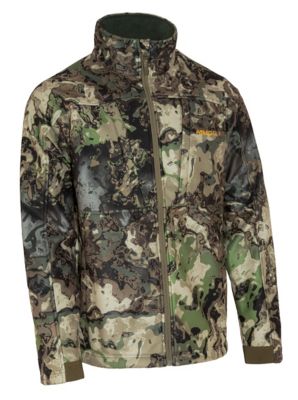
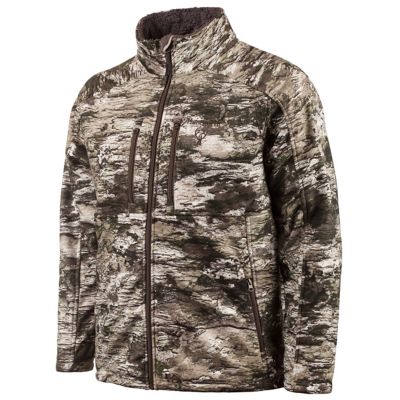
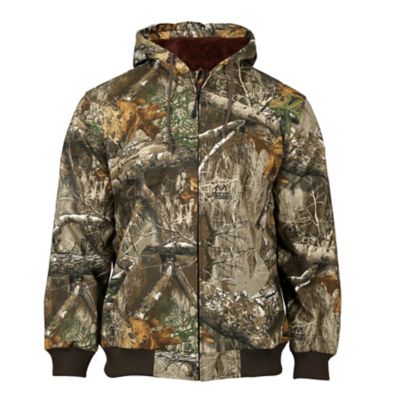
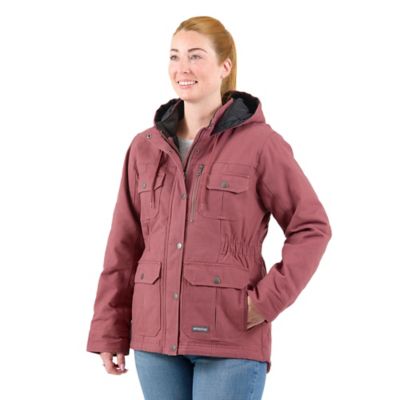
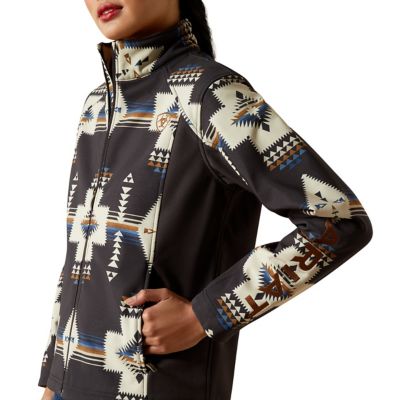
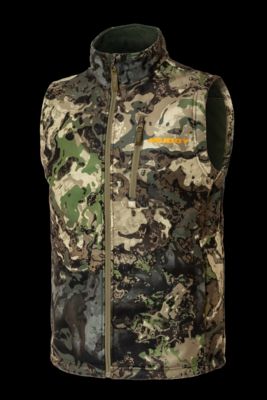
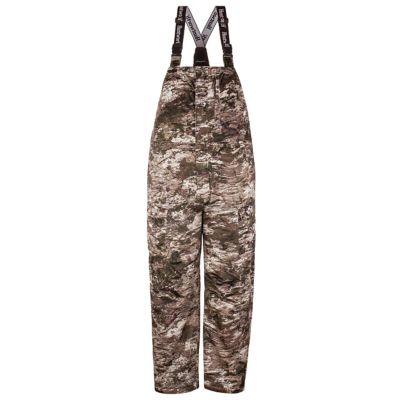
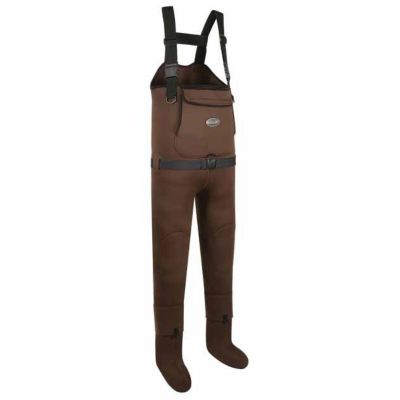
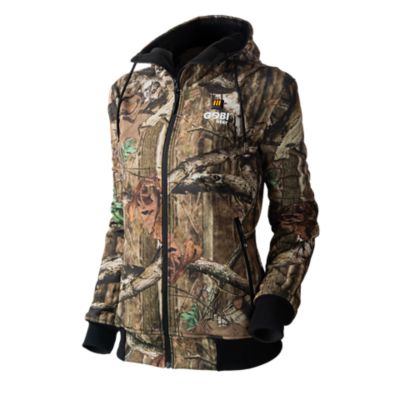
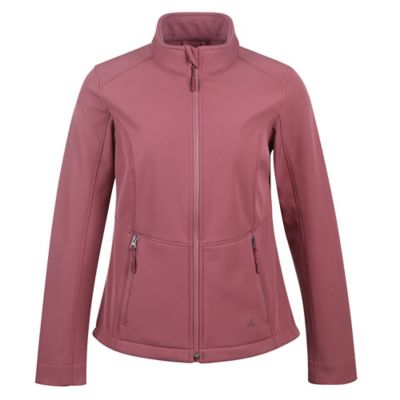
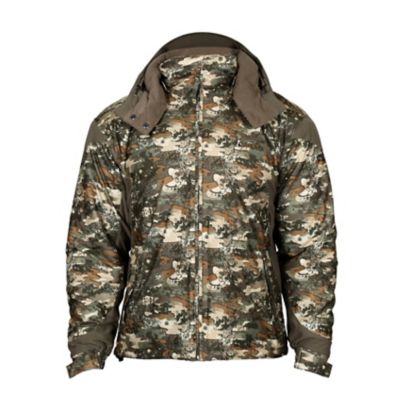
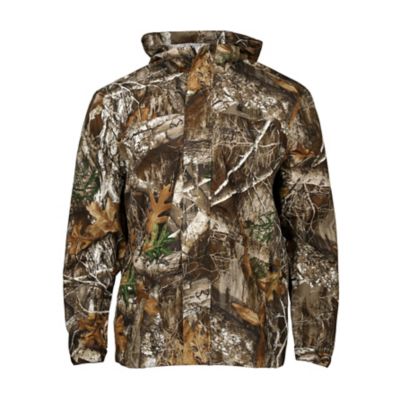
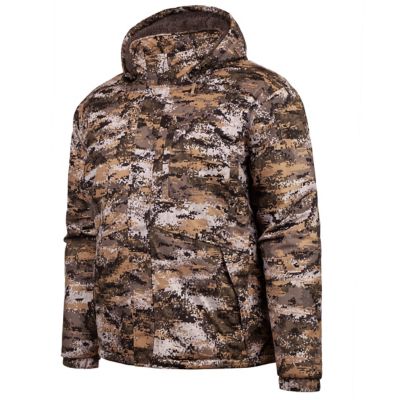
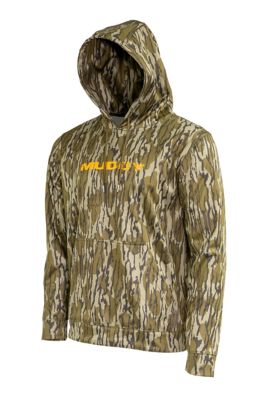
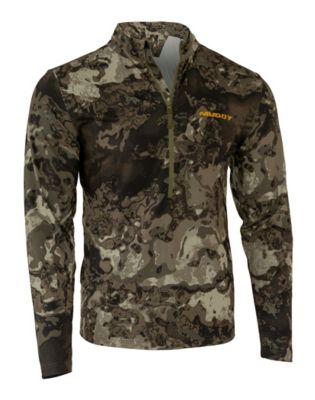
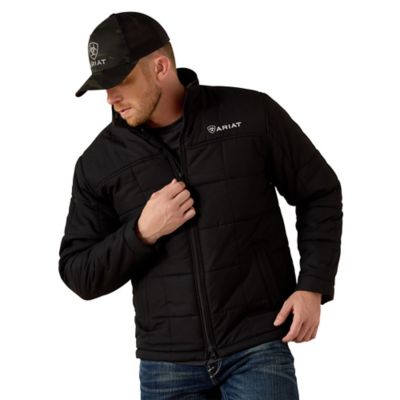
A warm outdoor adventure outfit starts with a simple goal: stay comfortable when the trail is brisk, the ball field is shaded, or the morning chores begin with frost on the gate. The most practical approach is a three-layer system that can be adjusted as the day changes. Begin with a close-fitting base layer made from synthetic fabric or merino wool to move perspiration away from your skin. This matters even when the air feels cold, because walking uphill, splitting wood, feeding animals, or setting up camp can work up a sweat beneath your coat. Cotton can hold moisture against the body, leaving you clammy once you slow down, so it is better saved for milder, less active outings. Add an insulating mid-layer, such as fleece, wool, or a light insulated piece, to trap body heat without making movement awkward. The outer layer should help block wind and shed rain or wet snow, with enough room to fit over the layers beneath it. Look for a comfortable hood, secure cuffs, a hem that covers the lower back, and pockets that keep small necessities close at hand. A full outfit should move with you when you climb into a truck, reach for a saddle, hike over uneven ground, or crouch beside a campfire. Since outdoor conditions can shift from sunny to blustery in a short stretch, choosing pieces that can be added or removed gives you more comfort than relying on one heavy layer alone. Pay attention to the activity, the expected temperature, the amount of wind and moisture, and how long you plan to be outside. A relaxed walk around the property calls for a different setup than a long hike, a day of hunting, or several hours on a jobsite. Fit also makes a difference: clothing that is too snug can limit layering, while overly loose pieces may catch on branches, fencing, or equipment. Check sleeve length, rise, inseam, and room through the shoulders before heading out, especially when ordering gifts for someone else.
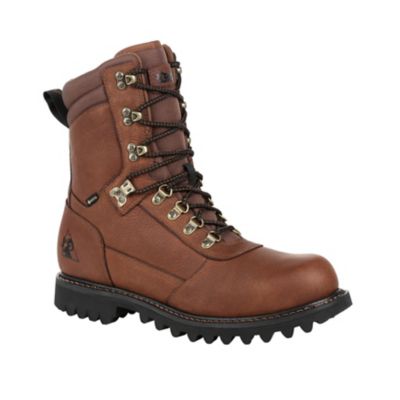
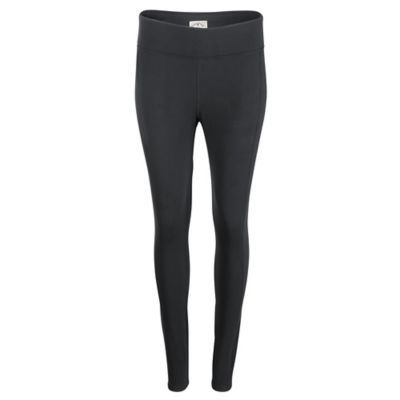
Warmth does not stop at the jacket. Feet, hands, ears, and neck can lose heat quickly, particularly when you are standing still or dealing with wind. Choose socks made with wool or other insulating fibers, and leave enough room in your footwear for the toes to move freely. Boots should match the ground and conditions, with traction for mud, packed snow, wet leaves, or uneven paths and a lining suited to the temperatures you expect. Waterproof protection is helpful around puddles, slush, creek crossings, and damp grass, while breathable materials can make longer walks more comfortable. Gloves should let you handle zippers, leashes, tools, reins, or a camera without exposing your fingers for long. For chores that call for extra grip, look for palms and fingertips that help you hold what you need while still allowing natural movement. A warm hat that covers the ears and a neck gaiter or scarf can fill the gaps where cold air slips in. Sunglasses can help with glare from snow or low winter sun, and reflective details are worth considering when walks or chores may continue near dawn or dusk. If exercise is part of the plan, the right layers can help you stay active without feeling weighed down. Our selection of
Winter Workout Clothes for Women can help shoppers compare warm, flexible apparel for brisk walks, outdoor training, and other cool-weather movement. For family outings, choose pieces that are easy to put on, easy to adjust, and simple to care for after a muddy day. Parents may appreciate gloves with secure wrist closures and hats that stay in place, while teens often prefer layers that work for both school activities and time outside. These apparel picks can also make thoughtful gifts for someone who spends weekends at the barn, follows a favorite trail, works outdoors, or enjoys gathering around a fire when the evenings turn cold. If you are shopping for another person, consider their usual activities, preferred fit, and whether they tend to run warm or cold. Neutral colors and flexible layering pieces are often easier to pair with clothing they already own, while practical details such as zippered pockets, adjustable hoods, and easy-care fabrics can make a gift more useful day after day.
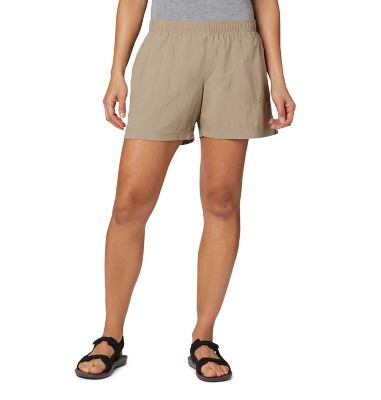
Before setting out, take a moment to match the outfit to the kind of adventure ahead. For a short walk with the dog, a moisture-moving top, warm mid-layer, weather-shedding jacket, lined pants, wool socks, and grippy footwear may be all that is needed. A longer hike or camping trip may call for an extra pair of socks, a spare base layer, a packable insulating piece, and an outer shell that can handle changing conditions. On the farm or ranch, look for clothing that gives you a full range of motion and stands up to contact with brush, hay, gates, and equipment without getting in the way. Keep frequently needed items in closed pockets, and choose cuffs that can sit neatly beneath gloves. Layering also makes it easier to move from a cold pasture into a heated shop or cab without overheating. After an outing, follow the care instructions so insulation keeps its loft, stretch fabrics retain their shape, and water-shedding treatments continue to perform as expected. Let damp layers dry fully before packing them away, brush off mud once it has dried, and keep footwear open to air between outings. A little preparation goes a long way: check the forecast, carry water, bring a charged phone, and tell someone where you plan to be if heading beyond the property. With the right combination of base, insulation, and outer protection, you can enjoy crisp trails, frosty chores, cool sporting events, and fireside evenings with less fuss. The best warm outdoor adventure outfit is one that feels natural to wear, gives you room to move, and helps you stay ready when the season brings wind, wet ground, and changing temperatures.