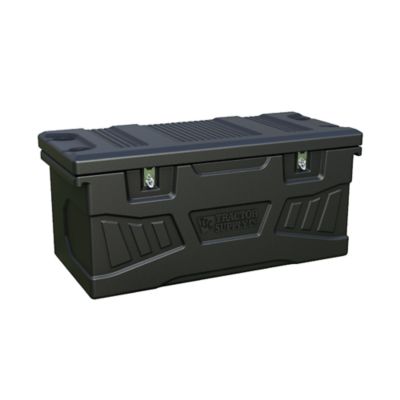
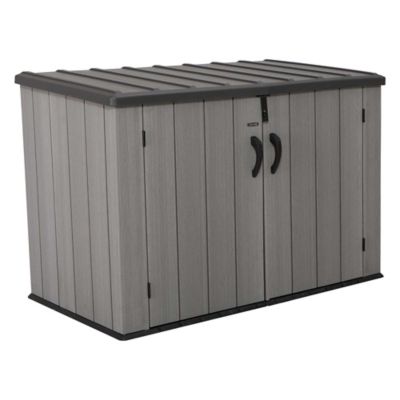
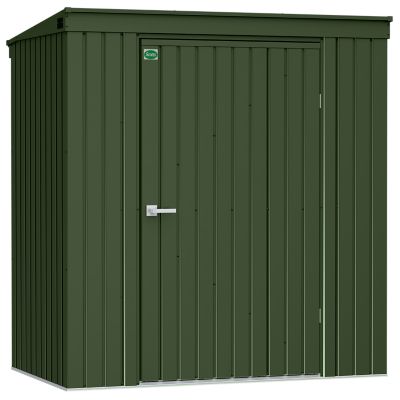
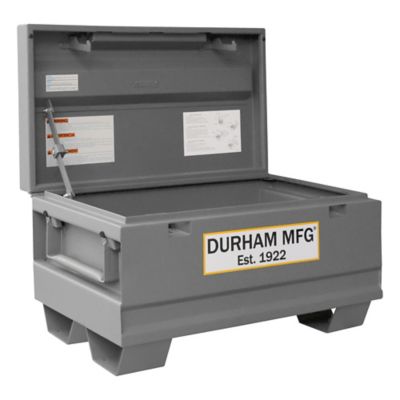
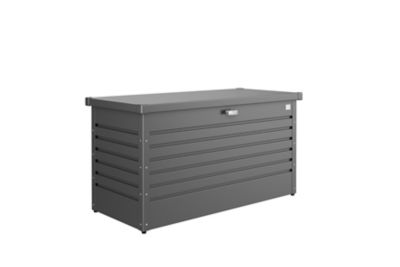
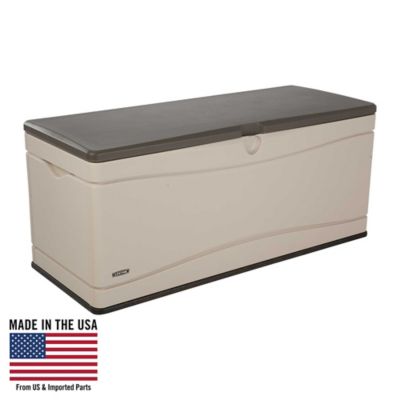
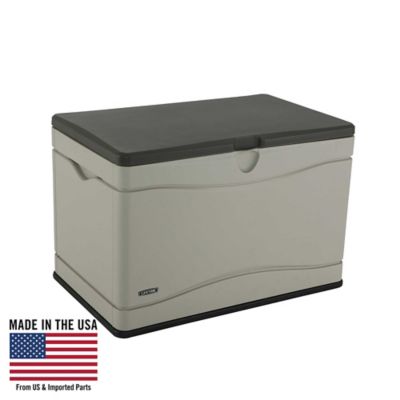
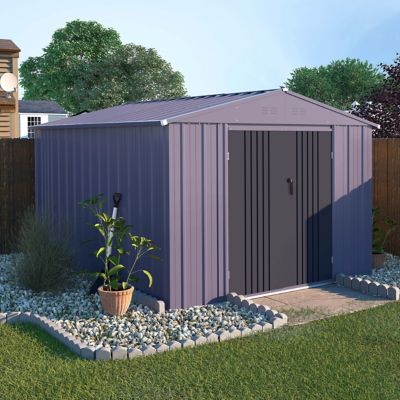
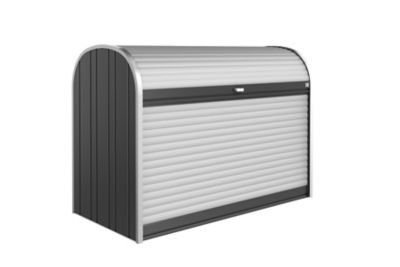
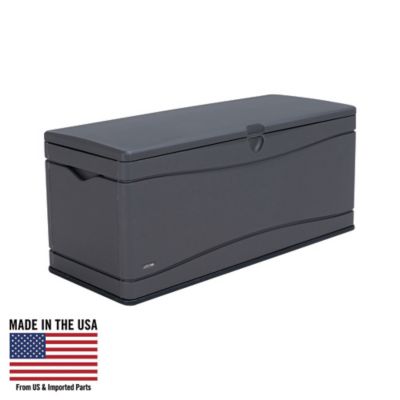
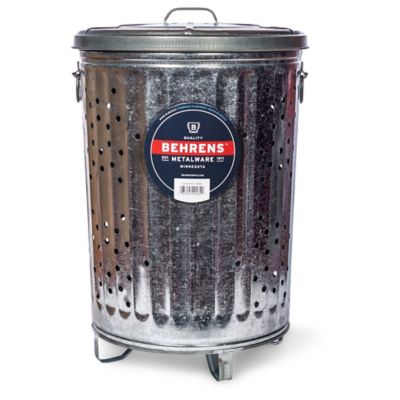
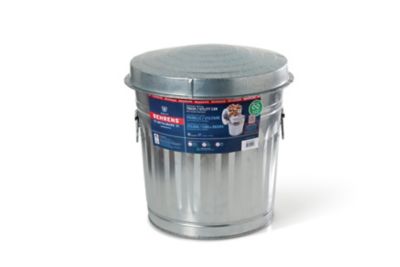
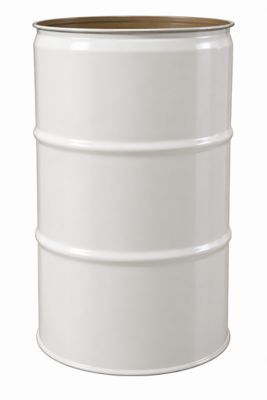
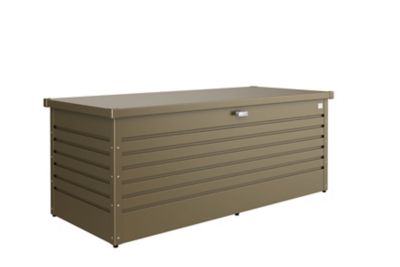
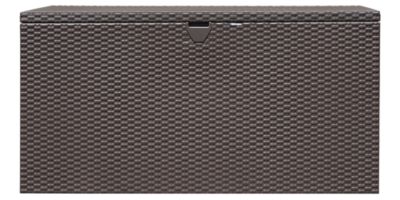
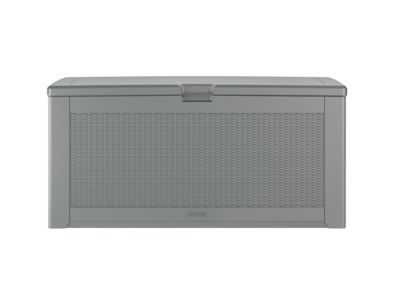
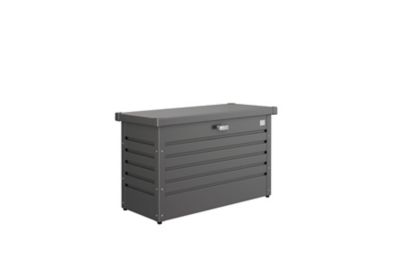
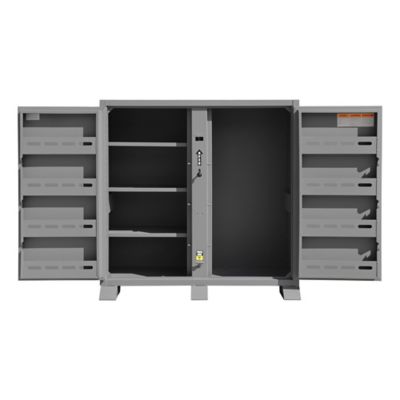
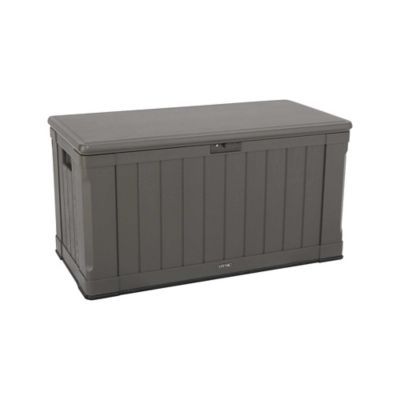
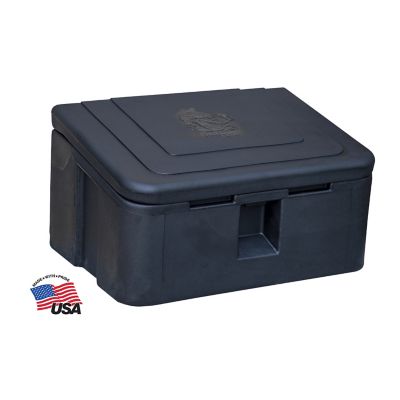
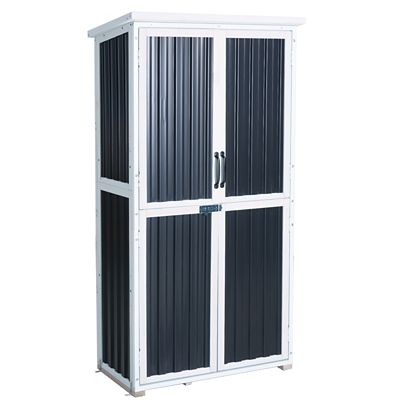
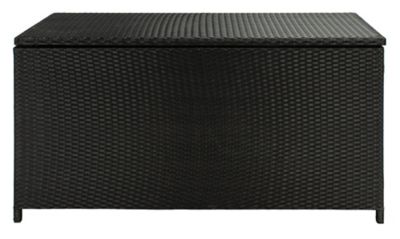
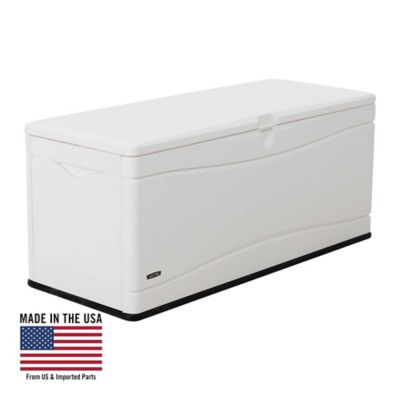
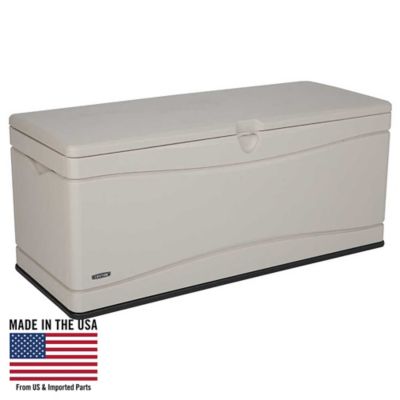
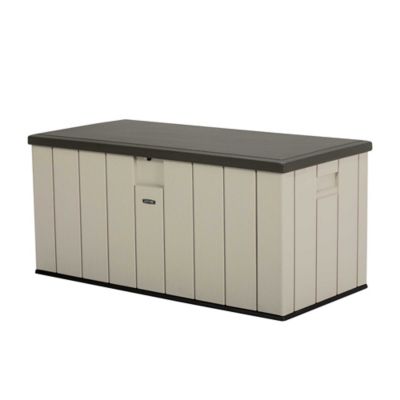
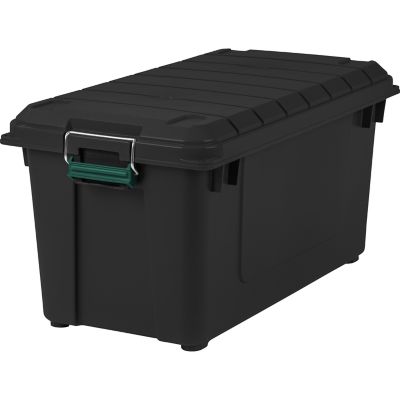
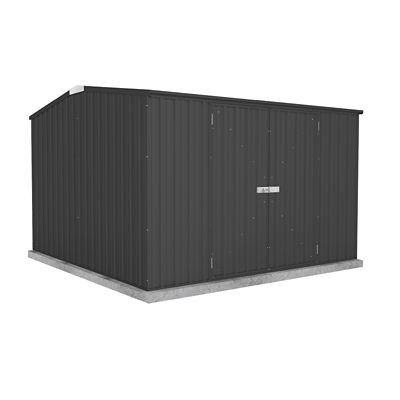
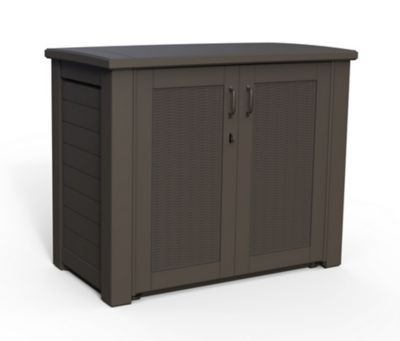
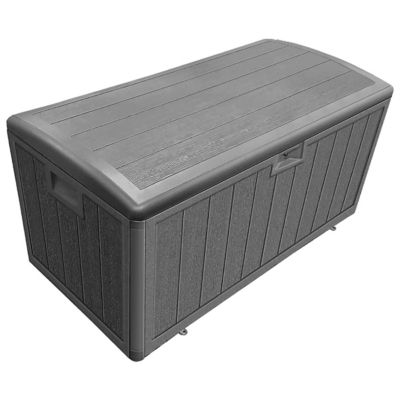
Outdoor metal storage containers are freestanding boxes, cabinets, lockers, and utility bins that keep outdoor gear together without taking up room inside a shed or garage. They provide a practical place for garden hand tools, coiled hoses, patio cushions, pool accessories, and supplies that might otherwise end up scattered across the porch or piled beside the back door. Low, wide storage boxes suit folded cushions and awkwardly shaped yard gear, while upright cabinets make better use of a narrow footprint beside a garage or along a fence. Shelves help separate smaller supplies, and an open interior leaves room for larger pieces without working around fixed dividers. The best fit depends on what needs putting away and how often it comes back out. A gardener reaching for gloves and a hand trowel every day needs different access than someone storing folding chairs between family gatherings. Materials also affect weight, strength, and upkeep. Steel offers a sturdy enclosure, and galvanized steel has a zinc coating that helps protect the underlying metal from corrosion. Powder-coated finishes add another protective layer, although scratches and exposed edges still need attention. Aluminum generally weighs less than steel and does not develop iron rust, but it can still corrode, and its strength depends on thickness and construction. Panel thickness, reinforced corners, hinges, and the base all contribute to how a container handles everyday work. Metal construction alone does not make a box watertight, airtight, or secure against every pest. Overlapping lids, fitted seals, drainage details, and protected seams can help limit moisture entry, while ventilation may help reduce trapped dampness. Those features vary by design, so outdoor suitability comes from the whole enclosure rather than the material name alone. For cushions, fabric, and other belongings that need to stay dry, the stated protection level matters just as much as the amount of space inside.
Storage capacity is most useful when it matches the shape of the gear, not just a gallon or cubic-foot figure. A wide box may hold several cushions but still be too short for a long-handled shovel, while a tall cabinet can accommodate upright tools without leaving much room for wide folding chairs. Interior measurements account for the space available after hinges, shelves, and lid hardware are taken into consideration. The opening matters, too: a roomy interior does little good if a bulky cushion or hose reel cannot pass through the door. Outside dimensions help establish the footprint, but working room includes space for doors to swing, lids to rise, and a person to stand comfortably while loading or unloading. Along a narrow side yard, front-opening storage can keep access straightforward; beside a patio, a top-opening box puts frequently needed belongings within easy reach. A firm, level surface helps doors line up and keeps the enclosure from rocking when someone pulls out a heavy tool. Decks and raised platforms also need sufficient support for the container and everything inside it. For equipment that takes up more room,
Large Outdoor Storage Containers can provide space for longer tools, bigger bundles of gear, and separate storage zones. Extra room is helpful when it leaves a clear path to the things reached for most often, rather than encouraging a pile that must be emptied to find one rake. Handles, wheels, lid supports, and door hardware affect everyday convenience. Wheels may simplify repositioning on a suitable surface, but their load rating and locking mechanism determine how they function once the box is filled. Supported lids can make loading easier, provided the mechanism is designed for that lid and kept in working order. Lockable doors or padlock-ready latches add access control, though a lock is not a guarantee against theft. Flat tops are not automatically seats or work surfaces; that use depends on the stated weight rating and design.
A metal storage container earns its place when it makes the day's work a little less scattered. Beside a vegetable garden, it can keep kneeling pads, plant ties, and small tools close to the beds. Near a backyard gathering space, it gives chair cushions and outdoor game equipment a home between gatherings. Around a small farm or acreage, separate compartments can keep general maintenance gear from getting mixed in with supplies meant for animals. Homeowners, gardeners, grounds crews, and folks caring for larger properties all benefit from storage arranged around the jobs they actually do. Removable trays or suitable inner bins can keep small parts from disappearing beneath larger gear, while heavier belongings sit best low in the enclosure and within any stated shelf or floor limits. Items going inside should be clean and dry, especially fabric and tools carrying soil or moisture. A closed metal box cannot dry a damp cushion, and trapped moisture can affect both the contents and the enclosure. Feed needs an appropriate food-safe, tightly closing inner container unless the metal storage container is specifically intended for that purpose; chemicals belong in their original labeled packaging and in storage suited to their requirements, separate from feed and textiles. Care is usually straightforward but should follow the finish and hardware instructions. Mild cleaning, clearing debris from seams and drainage openings, and checking hinges and latches help keep the container working smoothly. Scratches that expose steel deserve prompt attention with a compatible repair treatment, rather than waiting for corrosion to spread. Seals and lid supports also need occasional inspection because worn parts can affect closure and access. Nothing should block walkways, gates, or equipment access, and lids and doors need enough room to open without striking nearby structures. With the right dimensions, suitable construction, and a sensible place to sit, outdoor metal storage keeps the gear close to where it belongs, ready for the next job without crowding the porch or garage.