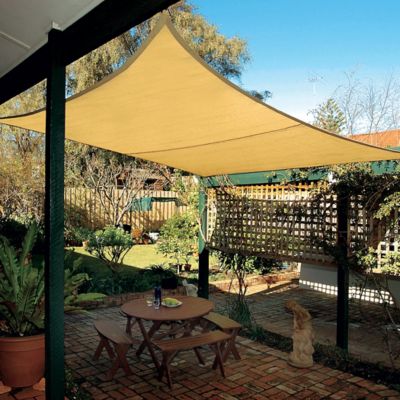
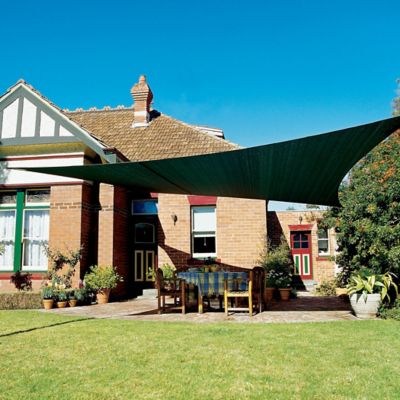
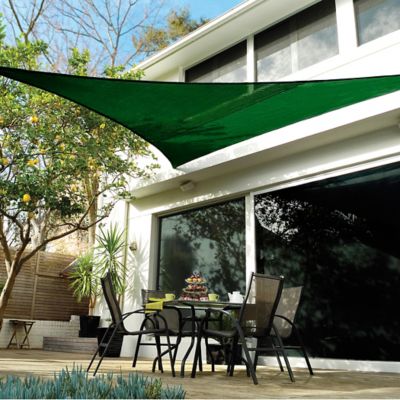
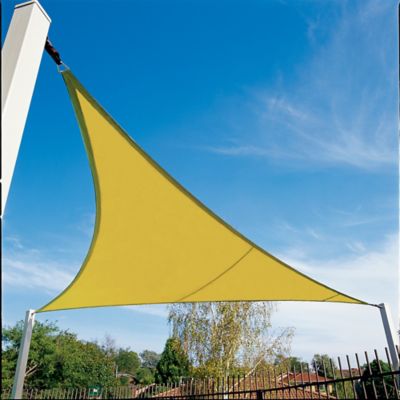
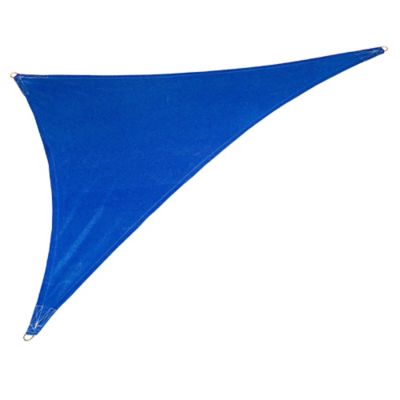
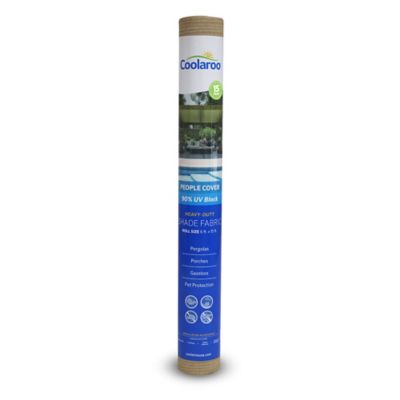
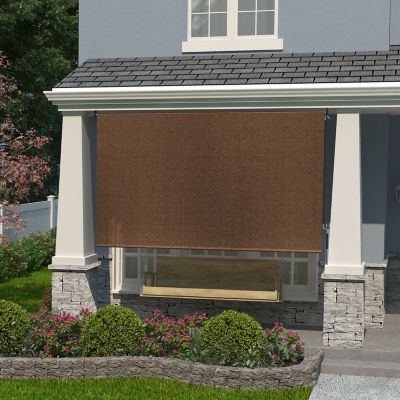
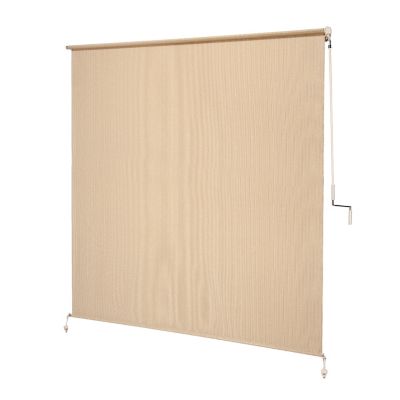
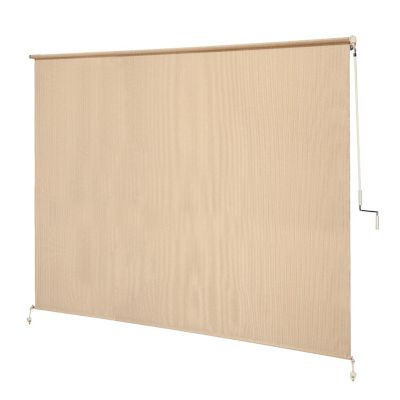
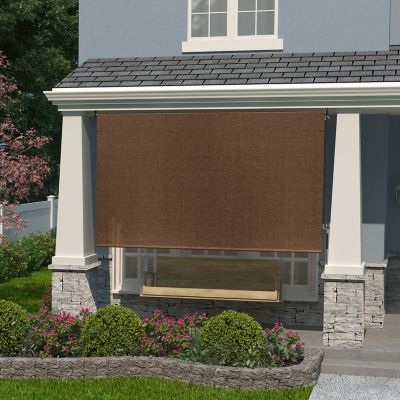
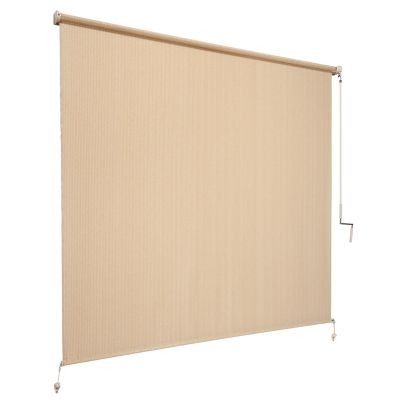
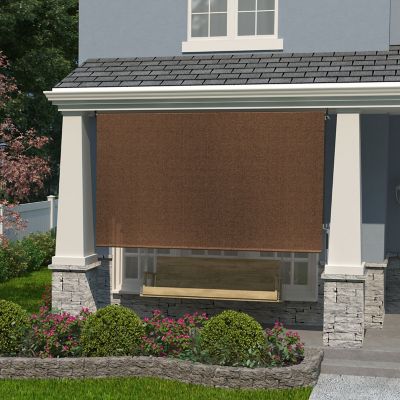
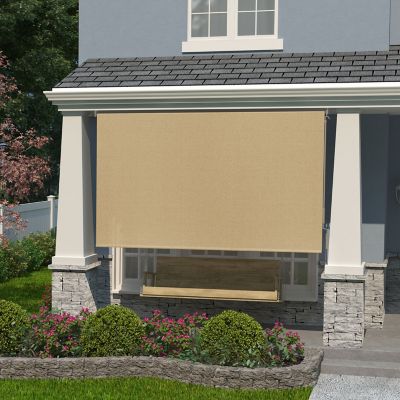
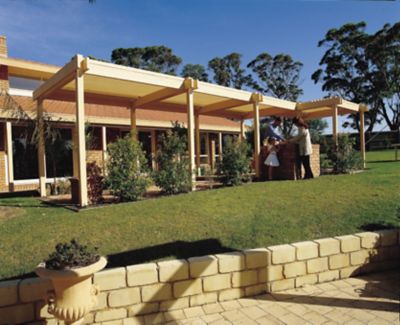
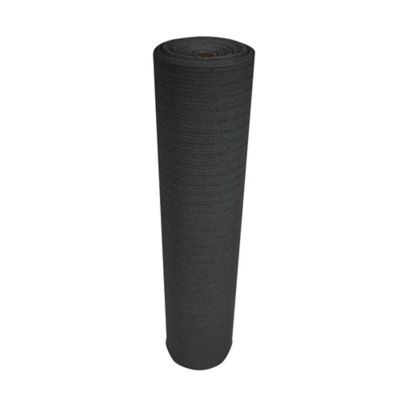
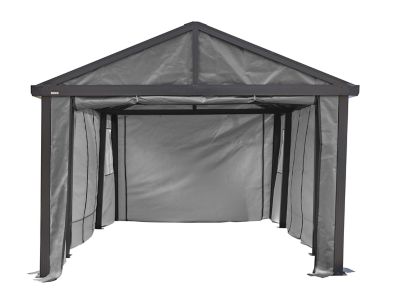
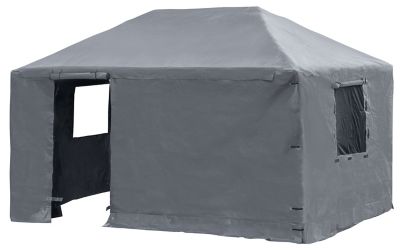
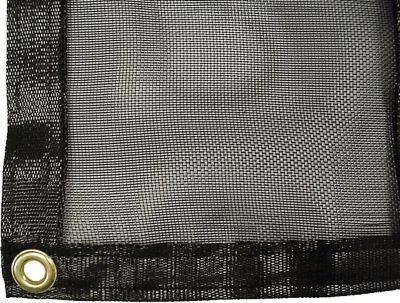
Outdoor shades make porches, patios and other open-air gathering spots more comfortable by taking the edge off direct sunlight and cutting glare where people sit, eat or spend time together. On a porch overlooking the pasture, a shade along the west-facing side can help keep the afternoon sun out of everyone’s eyes without closing off the whole view. Beside an outdoor dining table, overhead coverage can make a long meal or a round of cards easier to enjoy. The right style depends on where the light comes from and how the space gets its everyday use. Roll-down shades offer adjustable coverage along an open side, while shade cloth and tensioned fabric panels can cover broader areas overhead. Materials make a noticeable difference in how each option looks and performs. Woven polyethylene often has an open structure that lets some air pass through, while exterior-rated polyester fabrics may have coatings that affect moisture resistance and cleaning needs. Bamboo and reed shades bring a more textured look, though their suitability for an exposed location depends on their construction and the manufacturer’s directions. Fabric openness also affects the balance between shade, airflow and visibility. A tighter weave generally blocks more light, while a more open weave can preserve a clearer view of the yard. Neither appearance nor fabric thickness alone establishes a shade’s level of UV protection, so listed ratings matter when that protection is part of the goal. Privacy deserves the same attention: a screen that limits daytime views may look quite different after dark when lights are on behind it. For a front porch, back deck or seating area beside a workshop, outdoor shades work best when their coverage matches the way people actually gather there, rather than simply filling an opening. A spot for morning coffee may need a different arrangement from a table that stays busy through the afternoon, even when both sit under the same roof.
Fit involves more than matching a shade’s width to the distance between two posts. The mounting position, available drop and space for brackets all affect whether an outdoor shade sits neatly and operates without rubbing against trim, railings or nearby furniture. An inside-mounted roller shade can keep the fabric tucked within an opening, while an outside mount may provide more overlap at the edges. That overlap can help with angled sunlight, although small gaps around brackets and fabric edges are normal with many designs. On a covered porch, a shade should leave room for doors to swing, chairs to slide back and people to move through with a full tray or an armload of supplies. A long drop that reaches the railing may suit a seating nook, while a walkway needs clearance that does not turn the shade into an obstacle. Mounting surfaces matter, too. Solid framing, masonry and metal structures call for different fasteners, and siding or thin trim alone may not provide the support a shade requires. Overhead fabric brings its own fit considerations because attachment points, slope and tension determine how the panel hangs. A fabric panel should not be treated as a rain roof unless its design specifically supports that purpose; water can pass through some materials or collect on others when the installation does not allow drainage. Controls are another part of everyday convenience. A crank or cordless mechanism can keep operation straightforward, especially where reaching a high roller would be awkward. Where cords are present, the manufacturer’s child-safety directions deserve close attention, and loose cords should stay out of reach of children and pets. Tie-downs and bottom-rail restraints may help limit movement when specified for the shade, but they do not make fabric safe in every wind condition. Being able to retract or remove coverage as directed is part of choosing a setup that fits life around the property. That matters especially in a spot that is left unattended for much of the day.
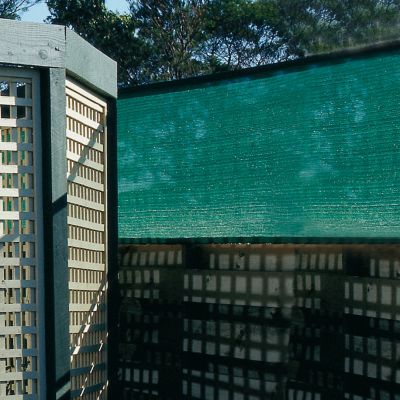
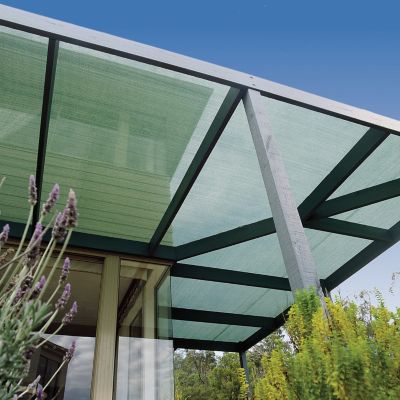
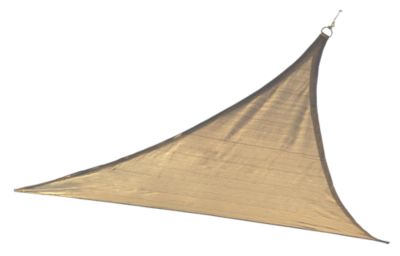
The look of outdoor shades can be simple and practical without making a porch feel shut in. Neutral fabrics sit comfortably alongside painted railings, wood posts and metal furniture, while a darker screen may make the view through the weave easier to see under some lighting conditions. Lighter fabric can brighten the feel of a covered space, but the amount of light and heat passing through still depends on the fabric’s specifications. For broader coverage around a table or sitting area,
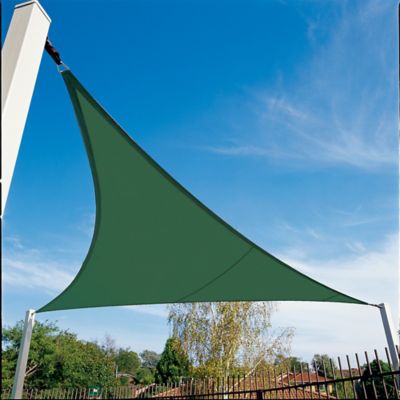
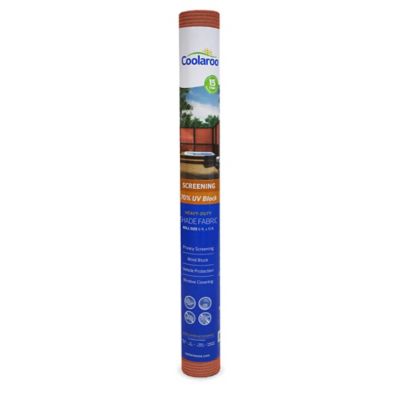
Shade Cloths For Patios offer another approach to filtering sunlight across the space rather than only along its edges. Keeping that coverage looking good comes down to the material, the setting and a manageable care routine. A porch near a gravel drive may collect more dust, while fabric beneath trees can gather leaves, pollen and bits of bark. Many exterior fabrics allow gentle cleaning with water and mild soap, but coatings, natural fibers and operating mechanisms can have different requirements. The care label should settle questions about cleaners, brushes and rinsing pressure; a forceful spray or harsh cleaner can harm fabric or its finish. Letting washable material dry fully before rolling it tightly or putting it away helps limit trapped moisture. Brackets, seams, attachment rings and lower rails also benefit from occasional attention, especially where repeated movement puts strain on the same places. Frayed edges, loose hardware or a roller that no longer travels smoothly are signs that the setup needs attention before the next use. Around a grill or fire pit, fabric needs the clearance specified by the shade and appliance manufacturers, well away from flame, sparks and hot exhaust. With the right fit and sensible care, outdoor shades can make a hard-working porch or patio a more welcoming place to pull up a chair, share supper and keep an eye on the yard.