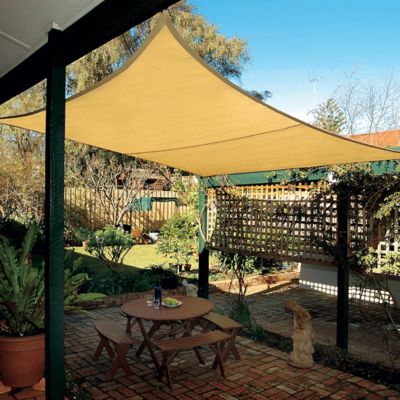
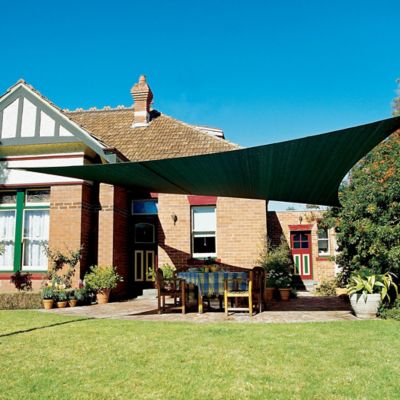
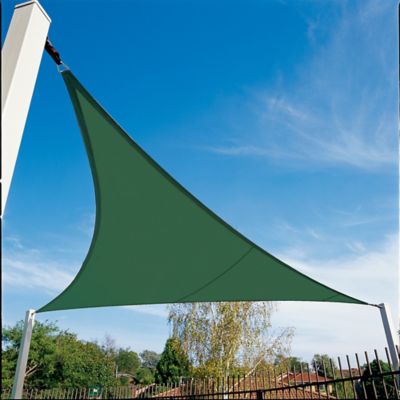
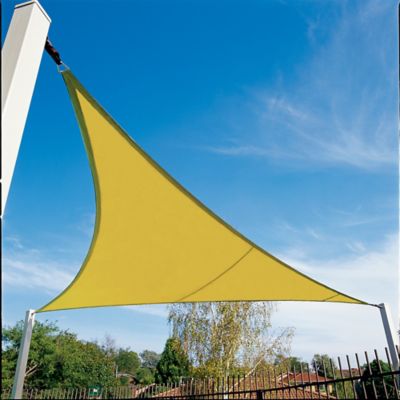
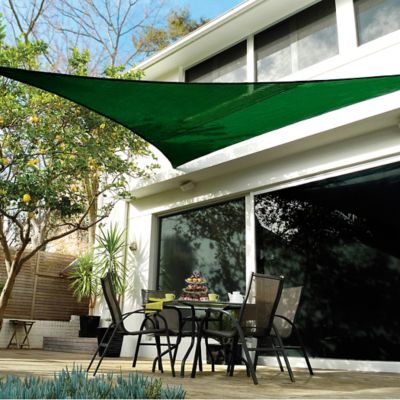
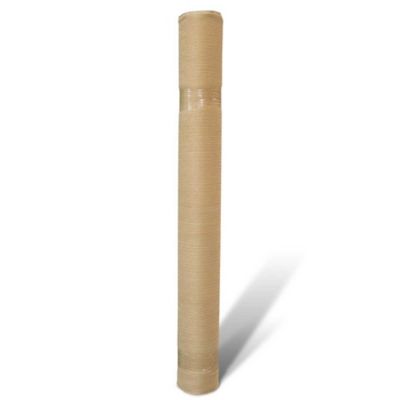
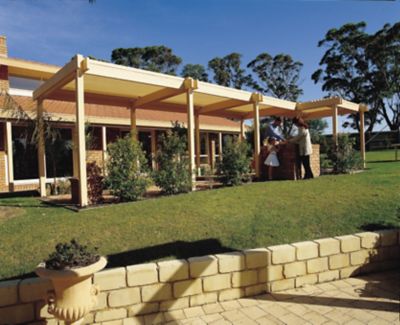
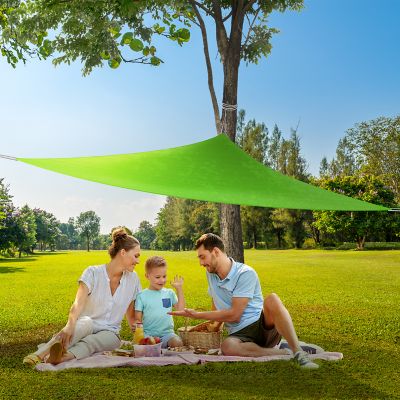
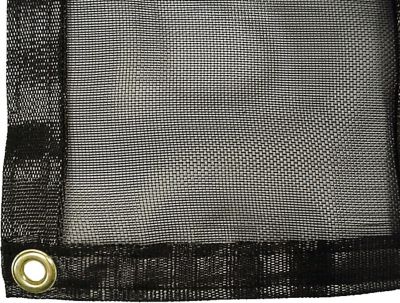
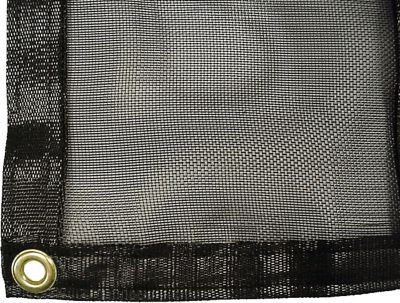
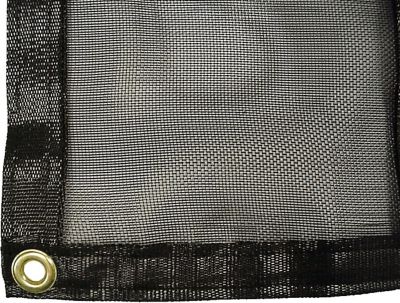
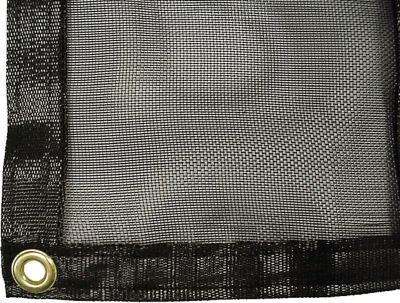
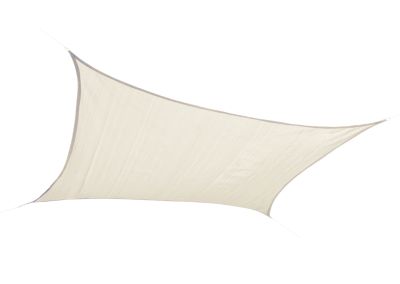
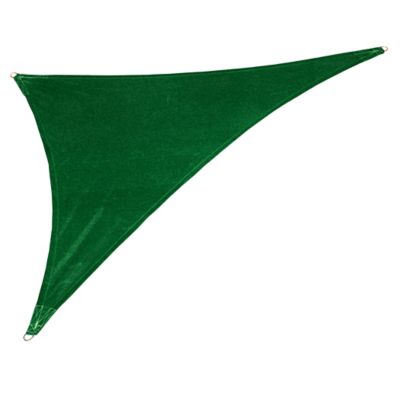
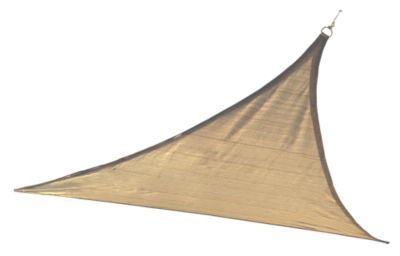
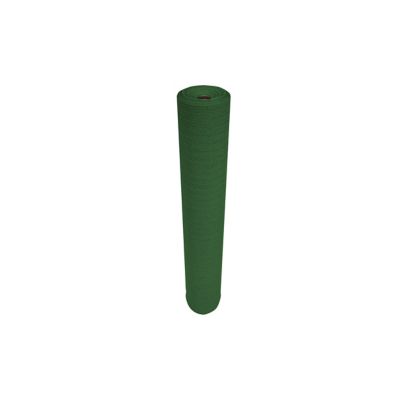
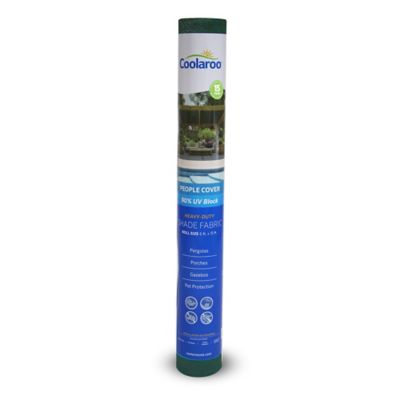
Shade cloths for pergolas make it easier to enjoy an outdoor sitting area when the sun is high, the pavement is hot, or the afternoon light comes through too strong. Made from breathable woven fabric, many pergola shade cloths use high-density polyethylene, often called HDPE, to help block ultraviolet rays while allowing air to move through the material. That combination can make the space underneath feel cooler without turning the pergola into a stuffy, closed-in room. A shade cloth may also help protect patio furniture, outdoor rugs, planters, and the people gathered beneath it from harsh sun exposure. It is a practical addition for a backyard dining area, garden seating spot, poolside pergola, grilling station, or play area. Families may use one to create a more comfortable place for outdoor meals, while gardeners can add shade over a pergola where tender potted plants need relief during the hottest part of the day. A shade cloth can also make a thoughtful housewarming gift for someone with a new deck, homestead, campsite, or backyard gathering space, especially when paired with sturdy outdoor fastening hardware. For shade cloths used around vegetable beds, livestock areas, or smaller garden structures, explore
Shade Cloths For Gardens. As the weather warms, a well-fitted panel can turn a bright, exposed pergola into a comfortable place to sip coffee in the morning or settle in with a plate of supper as the day cools down.
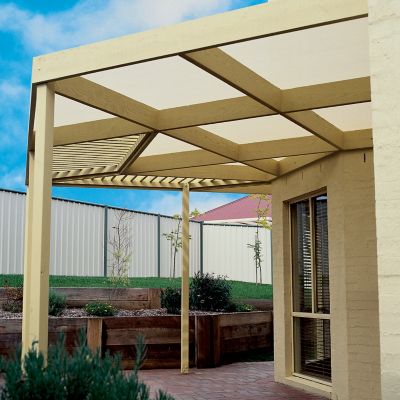
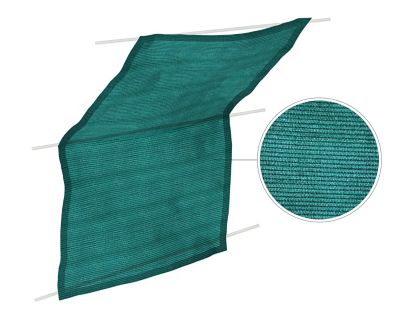
Start by measuring the pergola carefully instead of guessing from the footprint alone. Measure the length and width of the top, check the spacing between crossbeams, and note whether the frame is square, rectangular, sloped, or slightly irregular. Decide whether the fabric will sit on top of the beams, pass between them, or attach to the outside edges of the structure. A panel stretched flat across the top generally gives a clean, finished look and may provide more consistent shade, while long strips woven over and under the crossbeams create a pergola weave with a more decorative, built-in appearance. A retractable setup can be attached to wire cable with clips, allowing the fabric to slide open when you want more sunlight and closed when the glare becomes uncomfortable. Shade density is another important consideration. Fabric rated to block about 80% to 90% of UV rays works well where intense sun is the main concern, such as an open western-facing pergola or a seating area with little nearby tree cover. A lighter shade rating, such as roughly 60%, allows more daylight through and may suit a breakfast nook, porch garden, or space where you still want a bright, airy feel. Keep in mind that shade percentage and color can affect how the area looks underneath. Darker fabric often creates deeper, cooler shade, while lighter colors may keep the space feeling open and natural. A breathable shade cloth is not the same as a waterproof roof, so it should not be relied on to keep furniture or guests dry during a steady rain. Its open weave allows air and some moisture to pass through, which helps reduce the chance of water pooling on top when the fabric is installed with appropriate tension and slope.
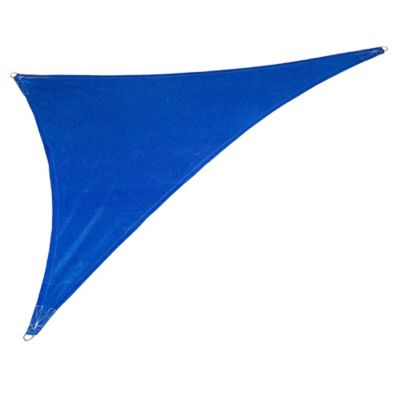
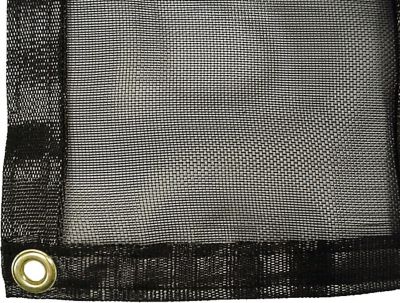
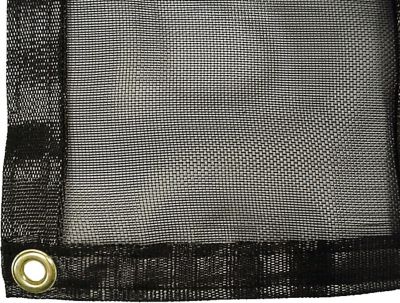
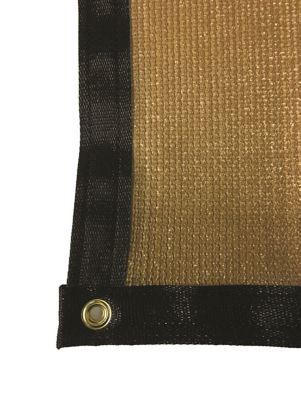
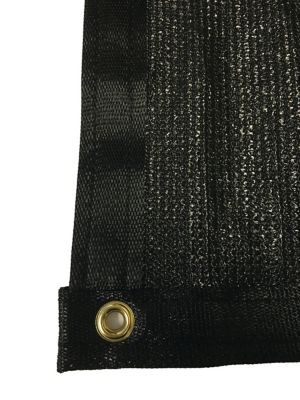
For a dependable setup, pay close attention to fabric weight, edge construction, and attachment points. Material weight is commonly listed in GSM, or grams per square meter. A fabric in the 140 to 200-plus GSM range generally offers a stronger feel and better resistance to everyday stretching and tearing than a very lightweight panel, though the best choice depends on the size of the pergola, local wind conditions, and how often the cloth will be installed. Look for taped or finished edges, reinforced webbing, and durable brass or aluminum grommets where fasteners will be placed. Those details matter because the edges and corners take much of the strain when a cloth is pulled tight. Zip ties can work for a temporary or budget-friendly installation, while bungee balls make it easier to remove the fabric for cleaning or storage. Staples may suit a more permanent attachment to wood, but they should be installed carefully so they do not cut into the fabric or leave loose areas that flap in the wind. Leave enough tension to keep the cloth from sagging, but avoid pulling it so tight that the corners or grommets are under constant strain. In windy country, inspect fasteners and support points regularly, particularly after a storm or before a stretch of unsettled weather. Removing the cloth during severe wind can help protect both the fabric and the pergola frame. Brush away leaves and dust, rinse with a garden hose, and follow the care directions for deeper cleaning. Let the material dry completely before folding it for cooler-month storage, and keep it in a dry place away from sharp tools, rodents, and standing moisture. With the right size, shade density, reinforced construction, and fastening plan, a pergola shade cloth can provide a simple, useful way to make outdoor living more comfortable through changing seasons.