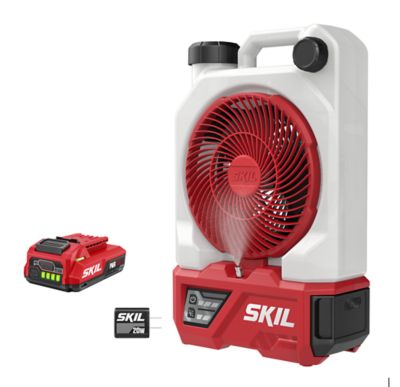
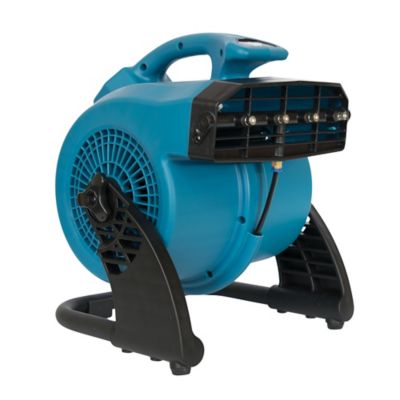
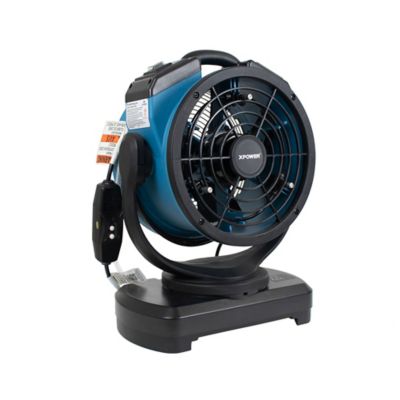
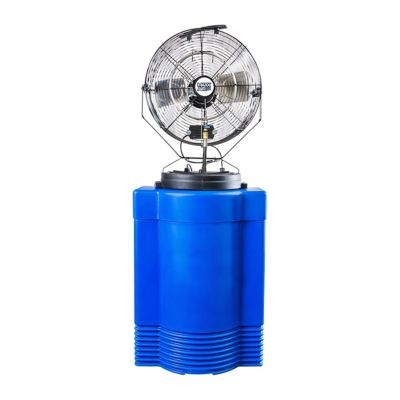
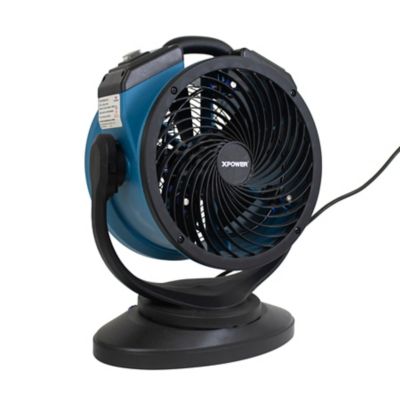
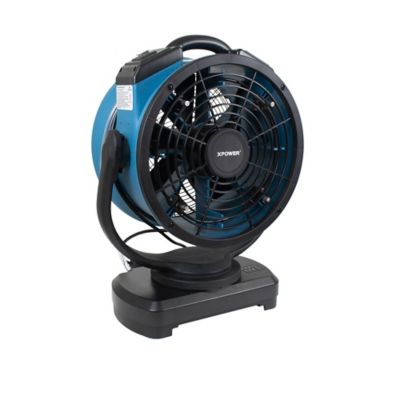
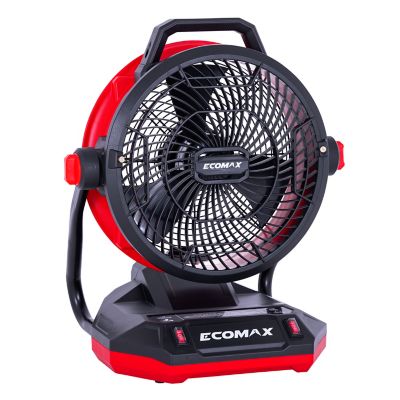
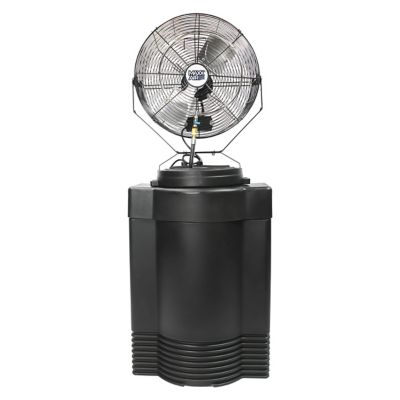
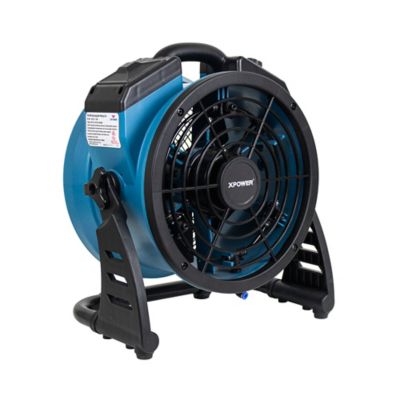
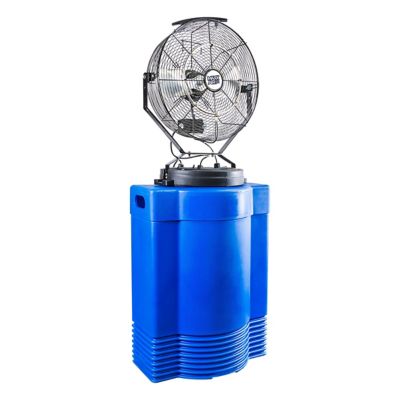
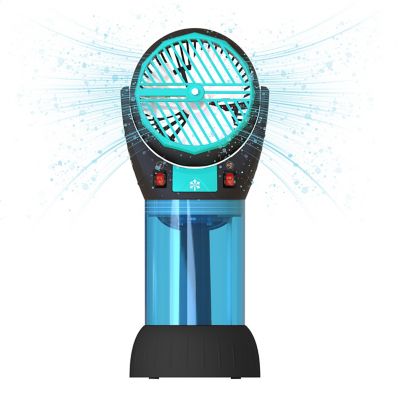
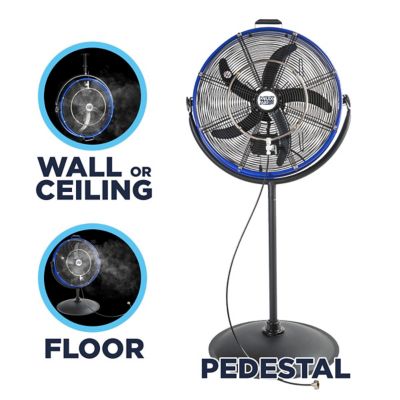
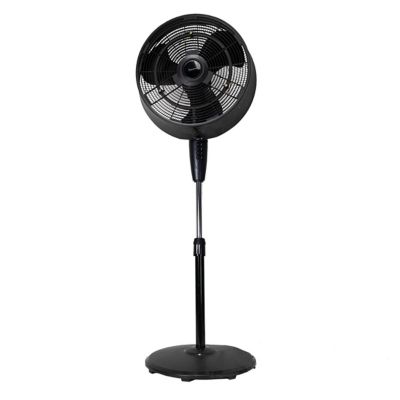
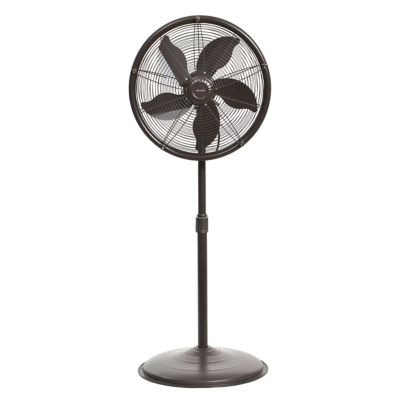
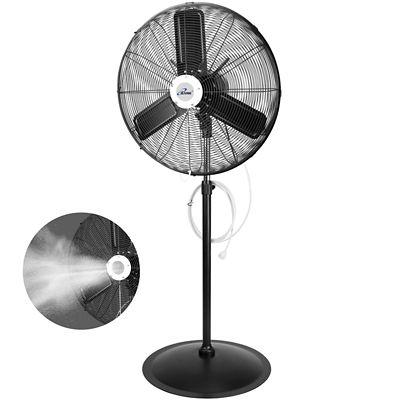
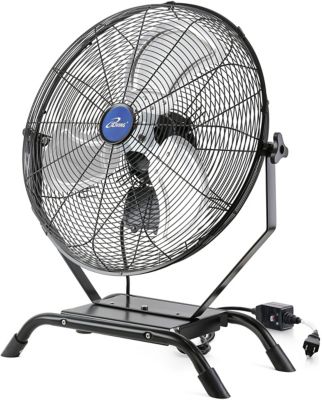
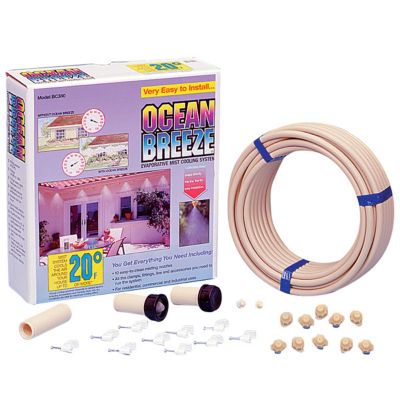
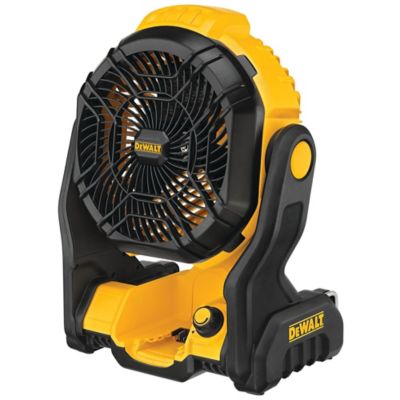
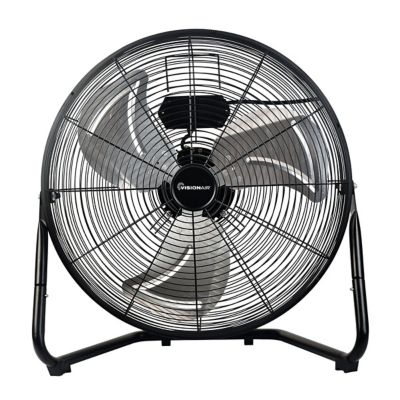
Portable outdoor misting fans bring moving air and a fine spray of water to places where a regular fan alone may not take enough of the edge off the heat. A misting fan directs tiny water droplets into its airflow, helping water evaporate and carry away heat near the people in its path. That makes these fans a practical fit for a shaded patio, a backyard gathering, a campsite or a break area beside the barn. The cooling effect depends on air temperature, humidity, breeze and droplet size, so there is no single temperature drop that applies to every setup. Evaporation generally works better in dry air than in damp, humid conditions, where mist may linger longer and leave nearby surfaces wet. The goal is a more comfortable spot to sit or work, not air-conditioning for an entire outdoor space. Smaller portable fans suit close-range airflow beside a chair or picnic table, while larger fan heads and taller stands can reach farther across an open seating area. Airflow ratings, often listed in cubic feet per minute, help describe how much air a fan moves, but placement and wind still affect where that air goes. Adjustable tilt can aim the breeze toward seated guests or a standing work area, and oscillation can sweep it across several seats instead of keeping it fixed on one person. Separate fan and mist controls, where provided, let airflow continue when extra moisture is not needed. Multiple speed settings and adjustable mist output also help balance comfort with water consumption. Around a porch table, a light mist carried through open air may be more pleasant than a heavy spray close to cushions or plates. At a worksite, a cooling station belongs away from dusty cutting operations and equipment that should stay dry. Even with moving air and mist, shade, drinking water and regular breaks remain important during strenuous work in the heat.
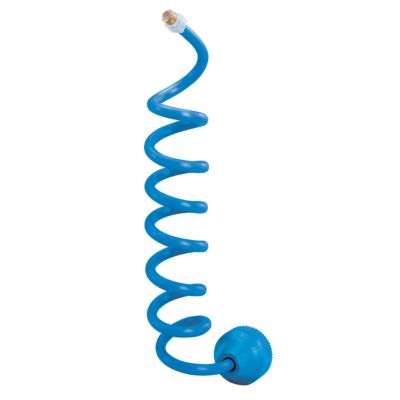
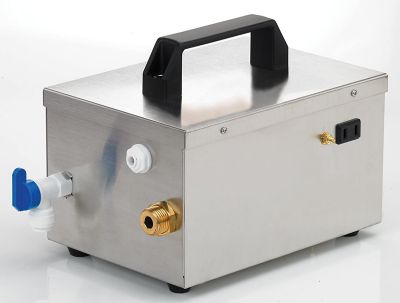
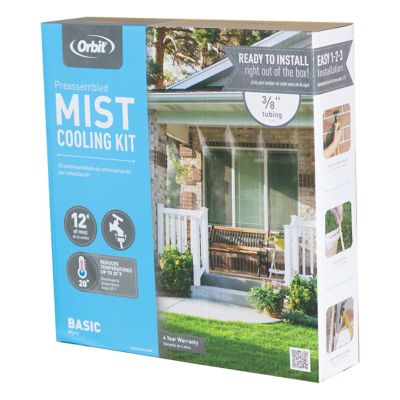
Power and water connections shape how freely a portable misting fan can move around the property. Battery-powered designs can bring airflow to a picnic shelter or a far corner of the yard without a power cord, though running time varies with battery capacity, fan speed and mist settings. A higher speed or continuous spray can draw more power than a lower setting, and charging takes planning before a long afternoon away from an outlet. Plug-in outdoor fans suit locations with a suitable electrical connection, but cord reach and safe routing matter just as much as the distance to the nearest chair. Outdoor electrical equipment needs the protection specified by its manufacturer, including a GFCI-protected connection where required. A weather-rated fan is not necessarily waterproof, and plugs, chargers and batteries still need protection from spray and standing water. Water supply options create a similar trade-off between mobility and longer operation. A built-in reservoir keeps the water with the fan, while bucket-compatible designs draw from a separate container. Both arrangements can work well away from a spigot, provided there is enough clean water for the planned run time. Tank capacity alone does not tell the whole story: mist output, spray intervals and pump settings determine how quickly that water disappears. A garden-hose connection can supply water without repeated refills, but the fan remains limited by hose reach, power supply and any operating limits in its instructions. Hose fittings, inlet pressure requirements and shutoff controls deserve attention before setup. A slow drip at a connection can turn a comfortable seating area into a muddy patch over time. On a gravel pad or beside a porch, cords and hoses belong out of walking paths, with enough slack to avoid pulling the fan off balance. Stable placement matters whether the water comes from a tank, a bucket or a spigot, especially where children, pets or busy foot traffic pass nearby.
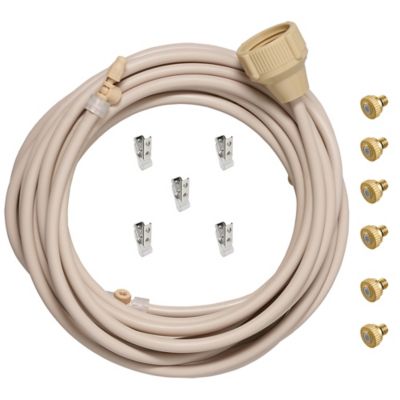
Construction and everyday handling make a difference when a fan travels from the shed to the patio and back again. Plastic housings can keep carrying weight down, while metal frames, protective grilles and corrosion-resistant finishes can help equipment stand up to outdoor exposure. The materials alone do not establish suitability; an outdoor-use rating and the manufacturer’s care instructions are what matter for the intended setting. A broad base, secure tilt adjustments and a well-placed carrying handle can make frequent moves less awkward. Wheels may help with heavier units on firm, level ground, though a rolling base needs secure positioning before operation. Check dimensions against the actual space, including clearance around the fan head and room for a bucket or hose connection. A compact footprint is handy beside a camp chair, but the fan still needs open airflow and clearance from loose fabric, bedding and anything that could reach the grille. Sound is another practical consideration for a supper on the porch or a quiet conversation; motor noise and airflow often become more noticeable at higher settings. Routine care centers on keeping the water path clear and the fan ready for its next outing. Mineral deposits can restrict small misting nozzles, especially with hard water, so filters, screens and nozzle-cleaning directions are worth checking. Drain standing water after operation as directed, rinse reservoirs and let components dry before storage. Disconnect power before cleaning, and keep water away from electrical parts. Before storage where freezing is possible, drain the pump, hoses and other water-holding parts according to the instructions. A dry storage spot also helps protect connections and keeps dust from building up around the grille. If insect management is also on the to-do list,
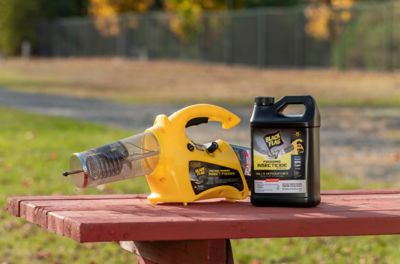
Outdoor Foggers are a separate category to explore; never put insect-control chemicals into a misting fan intended for plain water. With suitable placement and regular care, a portable outdoor misting fan can make a shaded gathering spot or outdoor rest area more comfortable without turning the whole space into a wet zone.