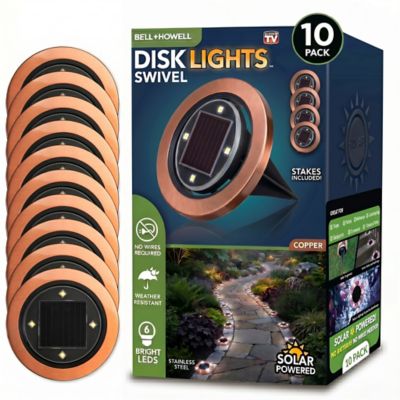
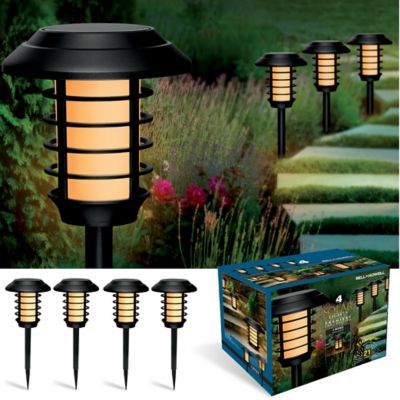
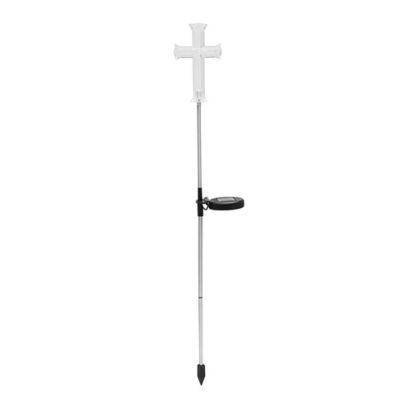
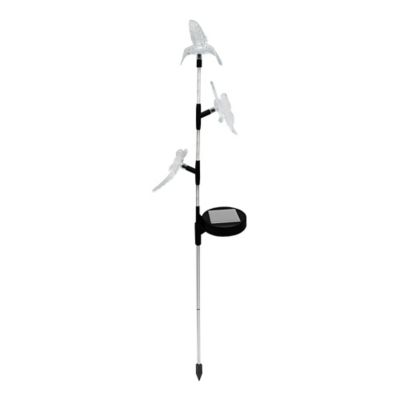
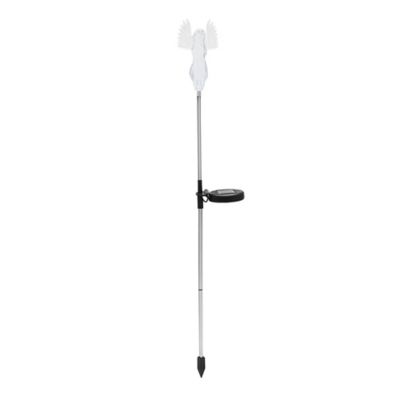
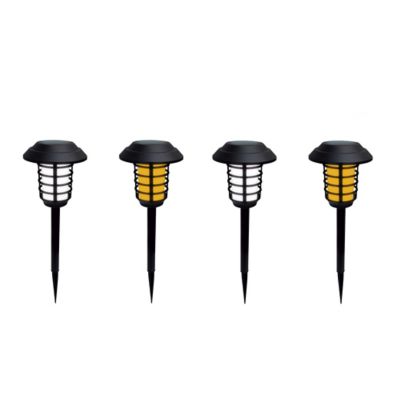
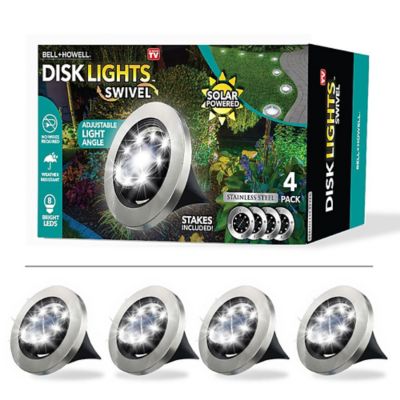
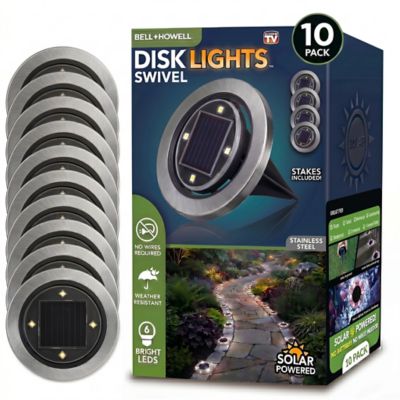
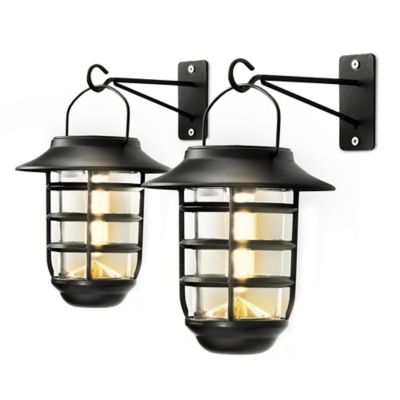
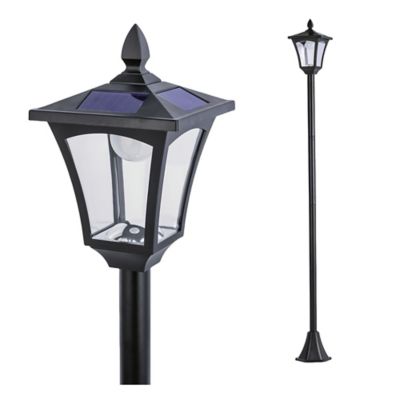
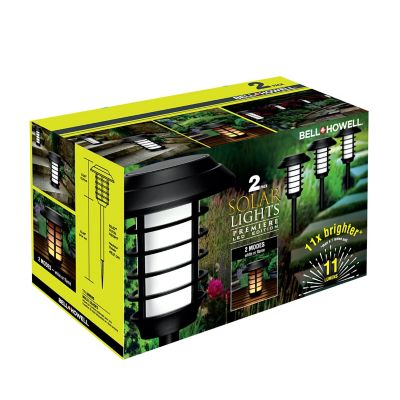
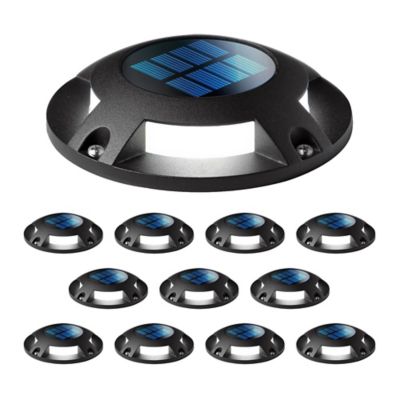
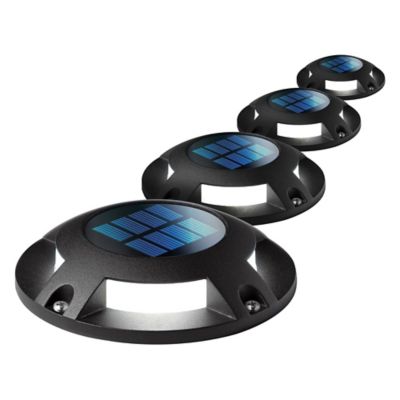
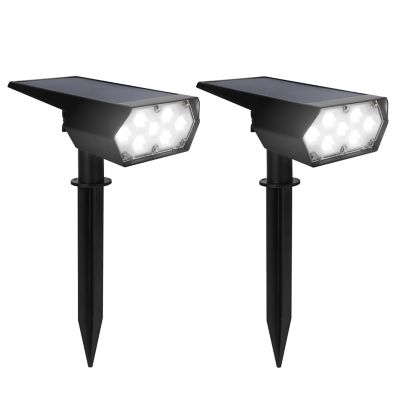
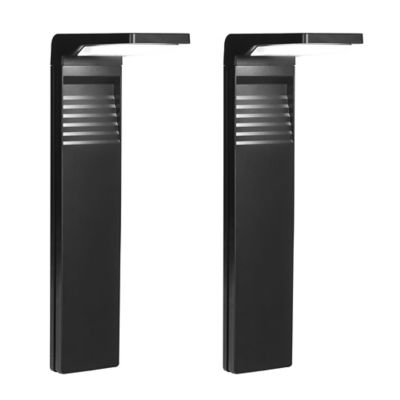
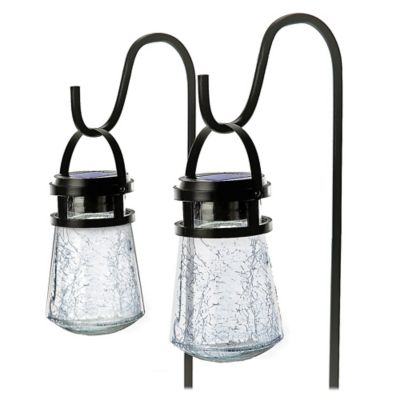
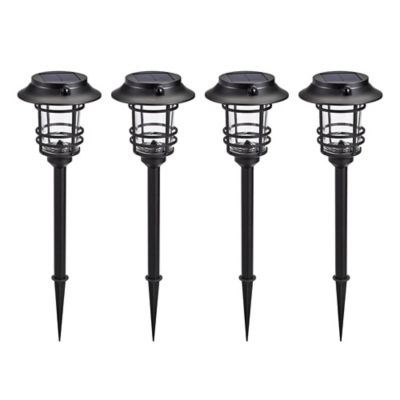
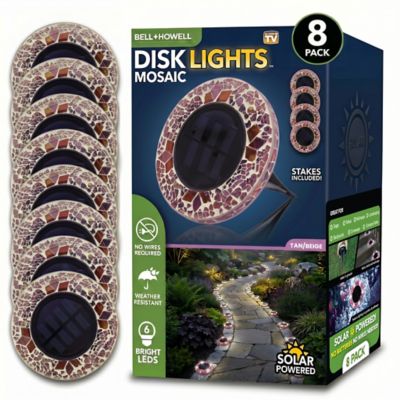
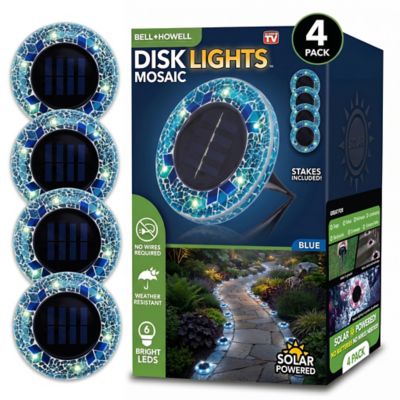
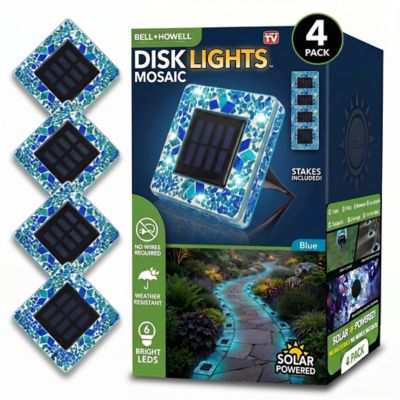
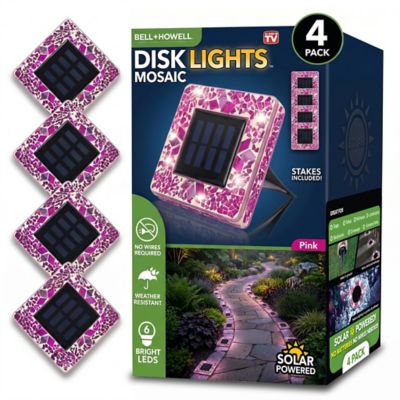
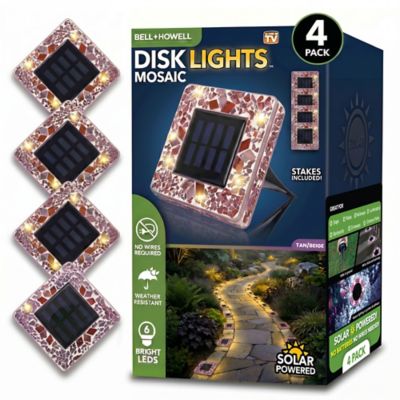
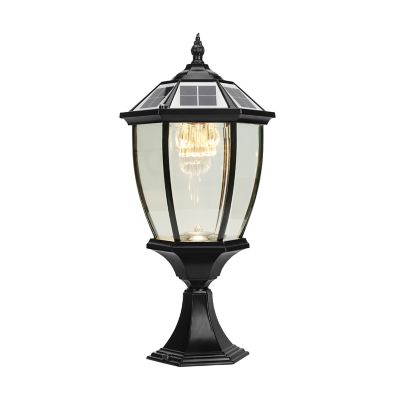
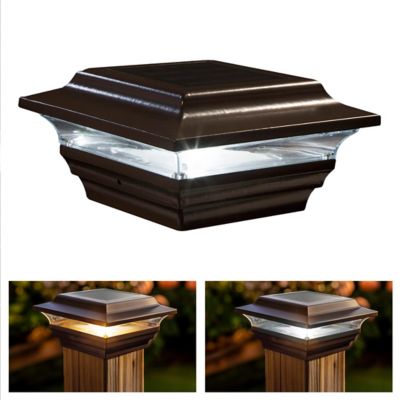
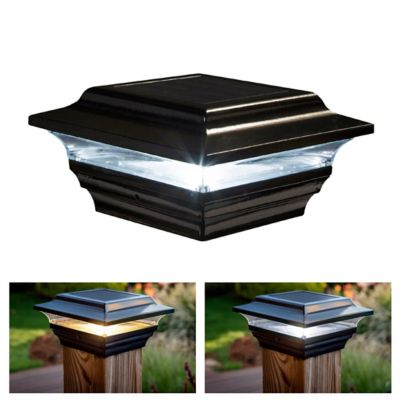
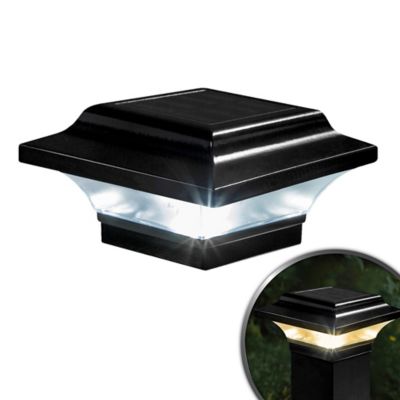
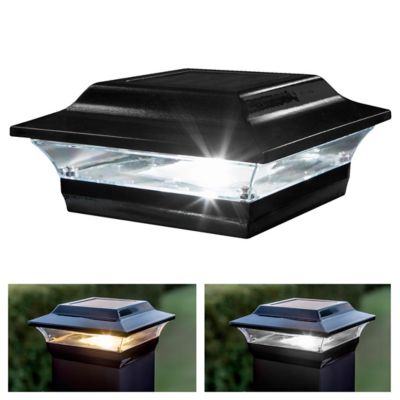
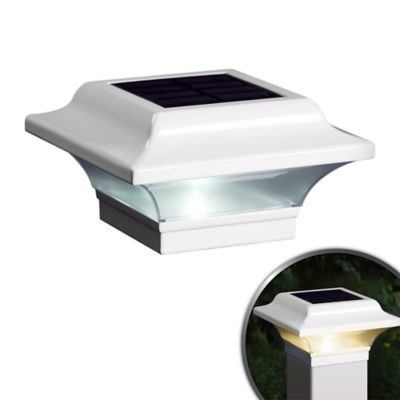
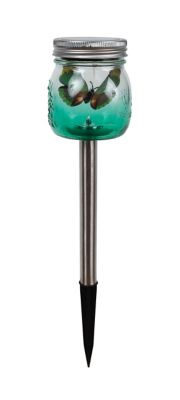
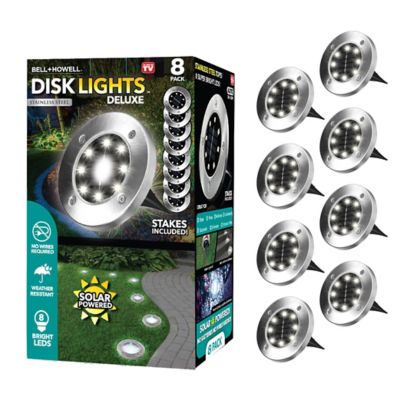
Outdoor lighting for pathways can make a big difference around a home, farm, garden, or business, especially when daylight fades earlier and the ground stays damp, uneven, or hard to see. Pathway lights help mark the route from the driveway to the front door, shed, barn, garden gate, or back patio while adding a warm, welcoming touch to the landscape. They can also help family members, guests, delivery drivers, and customers spot changes in elevation, tree roots, edging, gravel, and other obstacles. A well-lit walkway does not need to look bright as day. In many settings, a soft glow along the ground is more useful and inviting than a harsh beam shining into someone’s eyes. When shopping, start by thinking about the job the lights need to do. Decorative markers may offer a gentle wash of light for a garden path, while brighter fixtures are better suited to steps, driveways, entrances, and areas where people carry feed, firewood, tools, or groceries after dark. Solar-powered lights are a convenient choice for open areas that receive plenty of direct sunlight. They typically install without wiring, outlets, or trenching, making them handy for renters, weekend projects, new garden beds, and paths that are a long way from the house. Their performance can vary with shade, cloudy weather, dirt on the panel, and the shorter daylight window that comes with the cooler months, so place the panels where they can collect as much sun as possible. Low-voltage wired lighting is a dependable option for longer walkways, shaded yards, and locations where steady illumination matters. These systems generally use a transformer and outdoor-rated cable, and careful planning helps keep the light consistent from one fixture to the next. Line-voltage lighting connects directly to household electrical service and is best handled by a qualified professional. No matter which type fits the property, choose fixtures made for outdoor use, with sturdy construction and a weather rating suited to exposure from rain, dust, snow, and changing temperatures. An IP65 or higher rating indicates strong resistance to dust and water spray, while materials such as cast brass, aluminum, and stainless steel are often chosen for durability. Plastic fixtures can be a practical, budget-friendly choice for lighter-duty decorating or temporary seasonal setups.
Placement matters just as much as the fixture itself. For a typical walkway, spacing lights about 6 to 10 feet apart can create an even pattern without turning the path into a runway. The exact distance depends on brightness, beam spread, the height of nearby plants, and how much light the surrounding area already receives. Staggering fixtures from side to side often creates a more natural look than placing every light in a straight line, and it can help spread illumination across the walking surface. Set fixtures slightly off the edge of the path so they cast light across the route rather than shining straight into approaching faces. Bring lights closer together near steps, sharp turns, gates, entryways, and changes in grade, where extra visibility can make a real difference. Keep walkways clear of loose cords, and avoid placing stakes where they may be hit by a mower, tractor, wheelbarrow, snow shovel, or livestock. On a gravel drive or farm lane, sturdy fixtures with well-supported stakes can help stand up to shifting ground and regular traffic. Near planting beds, allow room for mulch, leaves, and growing foliage so the light does not become blocked as the season changes. A simple test with a flashlight can help you decide where illumination is needed before installing anything permanently. Walk the route after dark, notice where your feet naturally hesitate, and look for dark pockets beneath shrubs or beside retaining walls. Keep glare under control by choosing shielded or downward-facing designs when a path runs near a porch, bedroom window, neighboring property, or road. For brightness, softer solar markers may provide roughly 10 to 15 lumens for gentle guidance, while functional low-voltage fixtures may range around 100 to 200 lumens, depending on the area and purpose. More brightness is not always better; too much can wash out the landscape, create deep shadows beyond the beam, or make the light feel out of place beside a quiet country home.
Pathway lighting is useful for all sorts of properties and makes a thoughtful gift for new homeowners, gardeners, campers, grandparents, and anyone who enjoys spending time outdoors after sunset. It can be a practical housewarming gift for someone settling into a rural property, where the distance between the driveway and the front door may be longer than expected. Gardeners can use it to outline beds, highlight a winding walk, or make it easier to check plants and watering areas in the evening. Hosts may appreciate lighting around a patio or fire ring, while families can use it to make the route to an outdoor play area, pool gate, or dog run easier to follow. During the cooler months, pathway lights can brighten the approach to a porch when coats, packages, and muddy boots make outdoor trips a little more cumbersome. They can also add a bit of character around seasonal displays without taking attention away from the home itself. For a playful setup near the porch or garden, pair everyday pathway illumination with
Outdoor Halloween Lighting, keeping decorative pieces clear of the walking surface and away from areas where cords may become wet or tangled. Before installation, check the ground for buried utilities and follow the lighting manufacturer’s directions for anchors, connections, transformers, and maintenance. Wipe solar panels clean when dust, pollen, or fallen leaves collect on them, check wired connections for damage, and straighten fixtures after heavy rain, frost, or yard work. Store removable decorations and delicate components when severe weather is expected. The right arrangement should feel useful first and decorative second: a calm line of light guiding the way past the garden fence, across the gravel, and up to the door, with enough brightness to show each step while preserving the peaceful character of the outdoors.