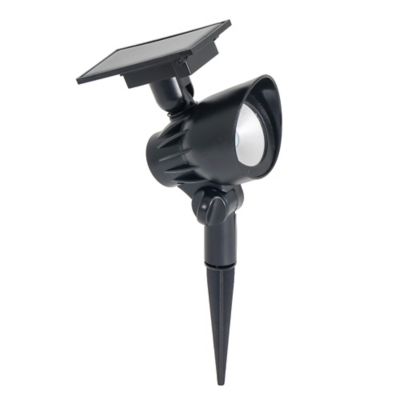
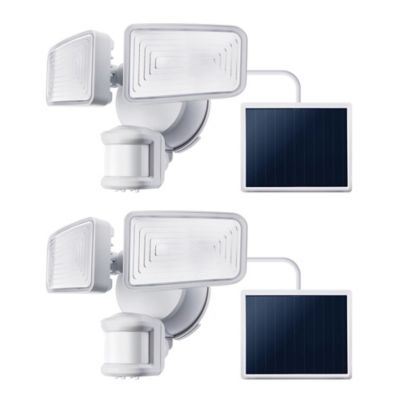
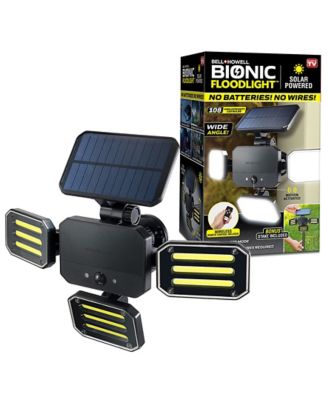
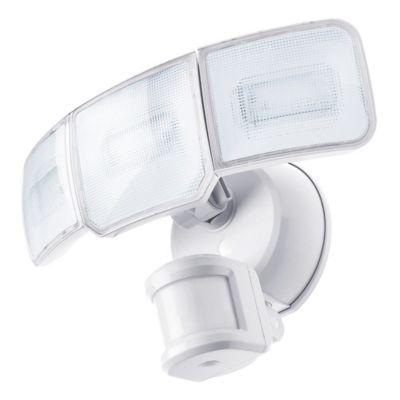
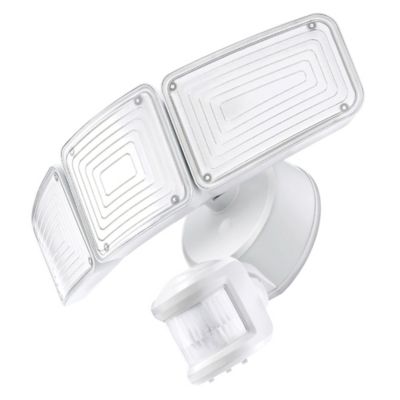
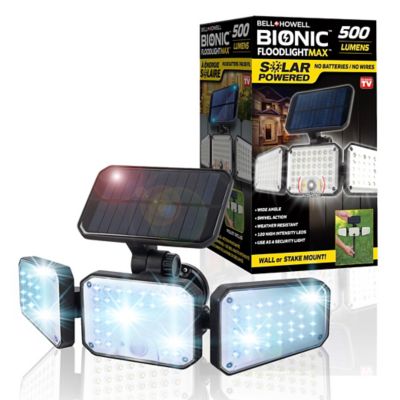
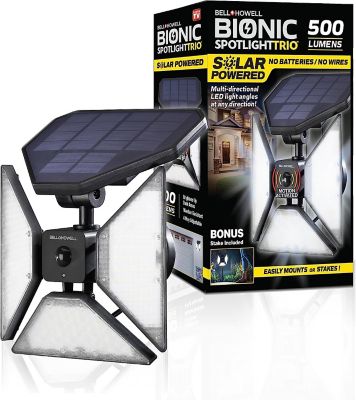
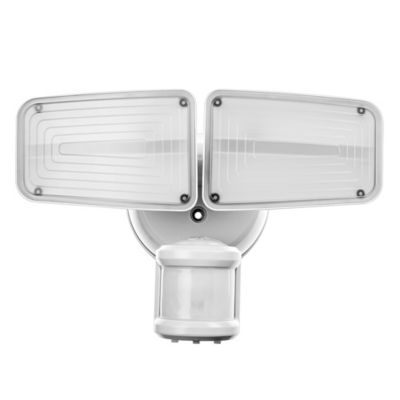
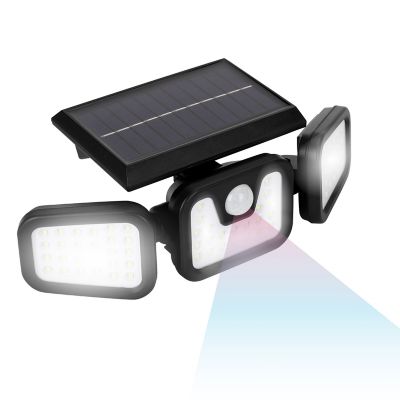
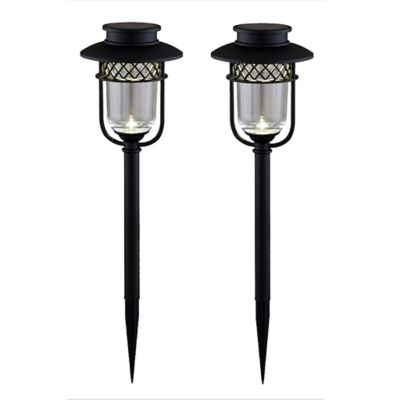
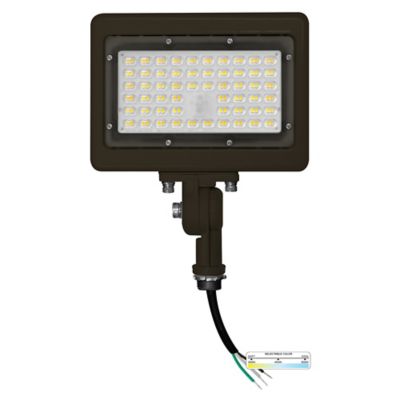
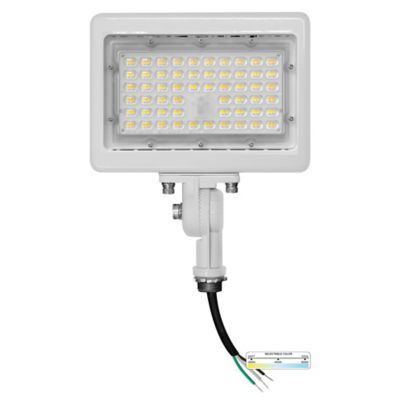
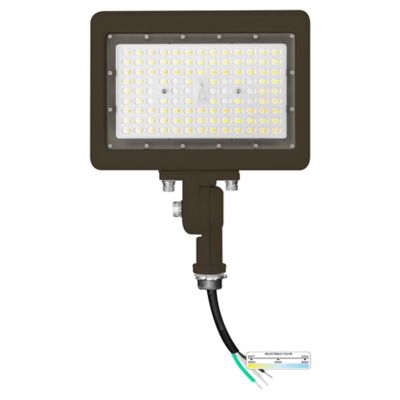
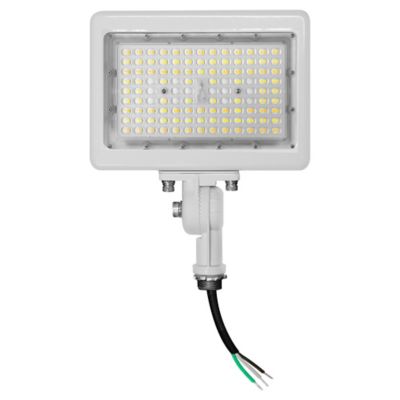
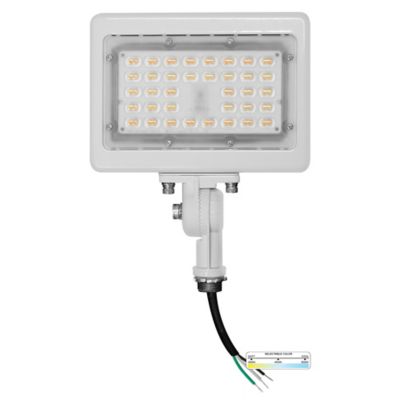
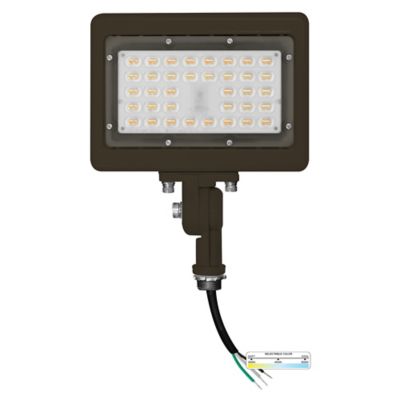
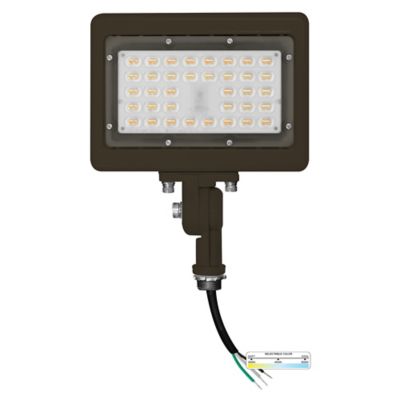
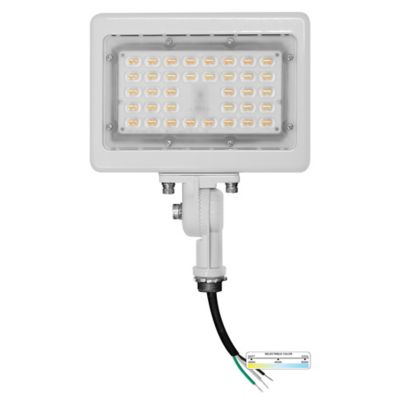
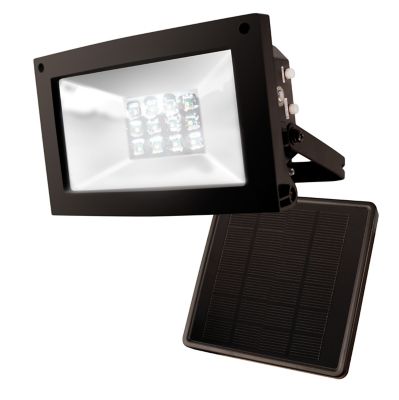
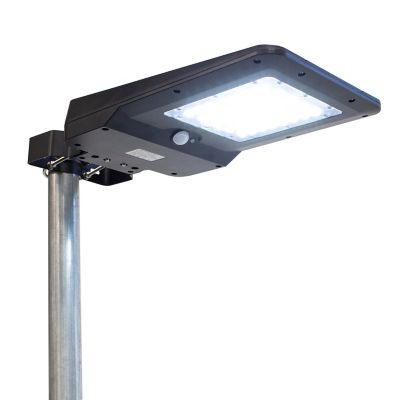
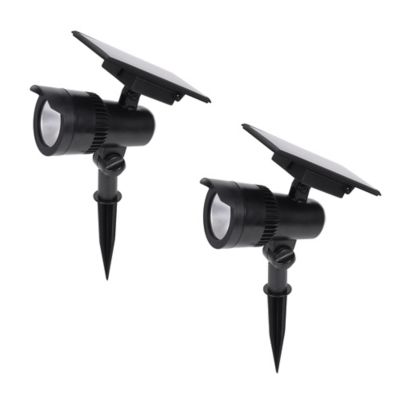
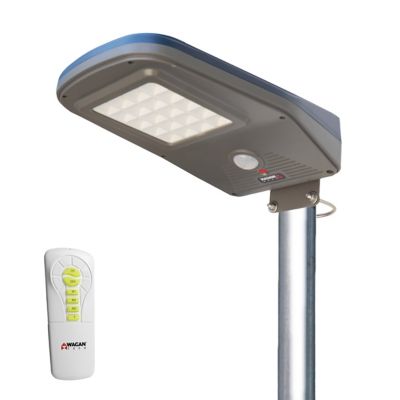
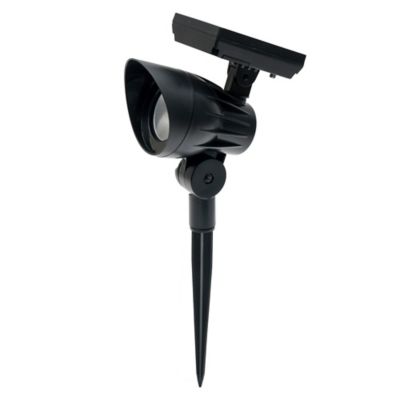
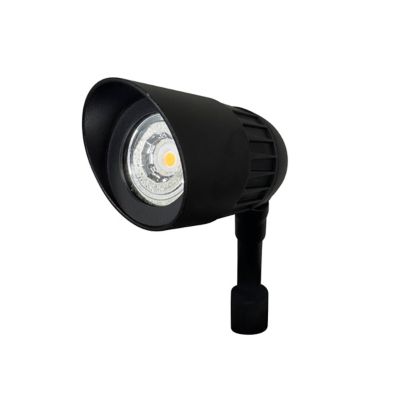
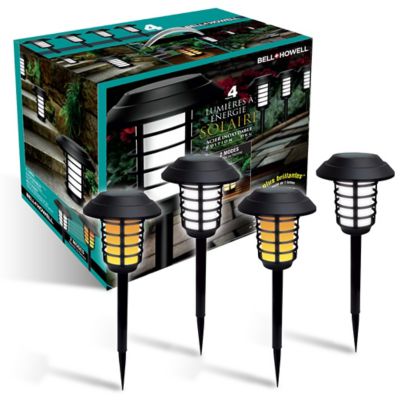
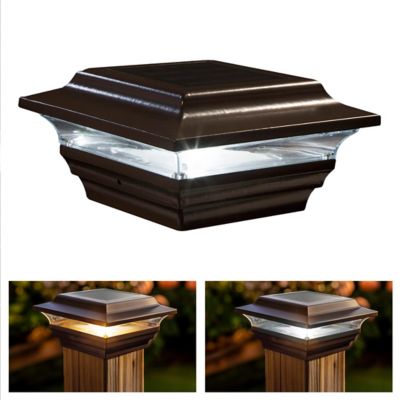
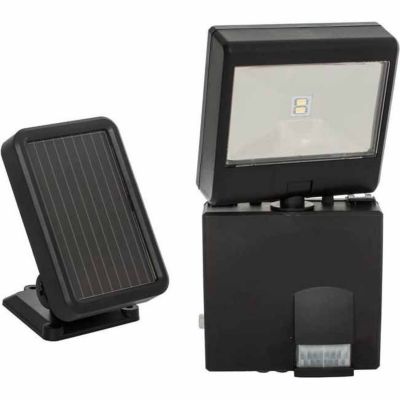
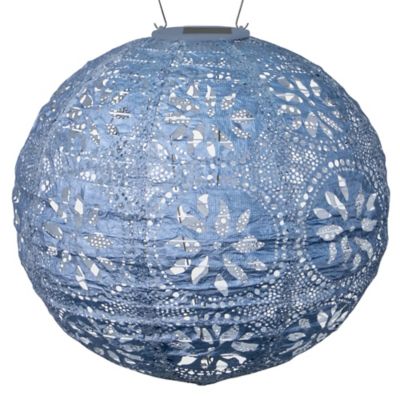
Outdoor landscape flood lights help bring a little more usefulness and comfort to the spaces around your home, barn, shop, driveway or garden. Unlike a small path light that marks a walkway, a flood light casts a broad wash of illumination across a larger area, making it a handy choice for lighting a stretch of yard, a tall tree, a detached garage, a fence line or the side of a home. A well-placed light can show off the shape of an old oak after sunset, brighten a dark corner near the livestock gate or make it easier to see where you’re stepping when you come in from the shed during the cooler months. Many outdoor landscape flood lights use LED bulbs, which provide bright light while using less energy than older halogen fixtures and generally need less frequent replacement. Low-voltage LED fixtures are commonly made to work with 12-volt or 15-volt landscape lighting systems and an outdoor transformer, making them a practical fit for garden beds, walkways and other areas where you want dependable lighting without running standard household voltage through the landscape. Plug-in or line-voltage flood lights connect to a suitable outdoor 120-volt outlet and can deliver higher output for broad areas such as driveways, patios and work zones. Solar-powered options charge in daylight and do not require a wired connection, which can be useful beside a remote shed, along a back fence or in a spot where trenching cable would be a hassle. Their run time can vary with cloud cover, shade and shorter daylight during the cooler seasons, so placement matters. For more ideas that pair well with landscape lighting projects, browse
Outdoor LED Fixtures.
Choosing the right outdoor landscape flood light starts with deciding what you need to see and how much area you want to cover. Lumens describe the amount of light a fixture produces; lower-output fixtures in the neighborhood of 200 lumens may work well for highlighting shrubs, flower beds or a small tree, while brighter options around 900 lumens or more can help cover a wide yard, building face or driveway. A wide beam angle spreads light across a wall, lawn or stand of trees, while a narrower beam concentrates the light on a particular trunk, column, sign or architectural detail. Adjustable heads make it easier to aim the beam where it belongs, especially as plants grow or outdoor projects change. Color temperature also affects the look and feel of the space. Warm white light around 2700K has a soft, welcoming appearance that suits porches, patios and landscaping, while a cooler white near 3000K or daylight around 4000K can offer a crisper look for work areas, driveways and security-minded applications. If you’re lighting a place where people gather, softer light is often easier on the eyes; if you’re trying to identify tools, steps or vehicles, a brighter, cooler tone may be more useful. Look for a housing built for outdoor conditions, such as cast aluminum or brass, along with a suitable water-resistance rating. An IP65 rating or higher indicates strong protection against dust and water jets, though fixtures still need to be installed according to their instructions and connected with outdoor-rated components. Think about cable length, transformer capacity, mounting hardware and access to sunlight before buying. A quick walk around the property at dusk can reveal details that are easy to miss in full daylight, including overhanging branches, low spots, gates that open into the beam and places where glare could shine into a window.
Outdoor flood lighting can serve a mix of practical and decorative jobs around rural properties and suburban homes. Motion sensors can turn the light on when someone approaches a porch, gate or outbuilding, while dusk-to-dawn controls can switch fixtures on as daylight fades and off after sunrise. Smart controls may allow scheduling, remote adjustment or changes to brightness through a compatible app, but simple manual switches remain a dependable choice for many barns, workshops and garages. For a low-voltage setup, plan the layout before burying cable, keep connections protected from moisture and avoid placing fixtures where mowing, snow removal or routine equipment use could damage them. Solar fixtures need a clear view of the sky; mounting one under a deep porch roof or beneath dense tree cover may leave the battery short on charge. Position lights so they illuminate the ground and features without shining directly into nearby windows or creating harsh glare along a driveway. Outdoor landscape flood lights can also make a thoughtful gift for a new homeowner, someone fixing up a country place or a family member who spends evenings tending animals, maintaining equipment or gathering around an outdoor seating area. During late summer and into fall, they can brighten a grill area and help guests find their way across the yard; when the evenings grow longer and darker, they can make routine chores feel less like a scramble with a flashlight in hand. Whether the goal is to highlight a favorite tree, improve visibility near the shop or add a bit of confidence around the property, the best fixture is one matched to the area, the power source and the kind of light you want to live with night after night.