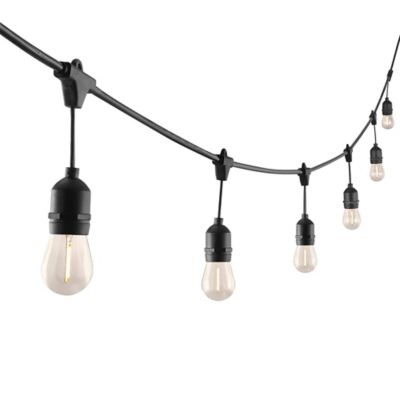
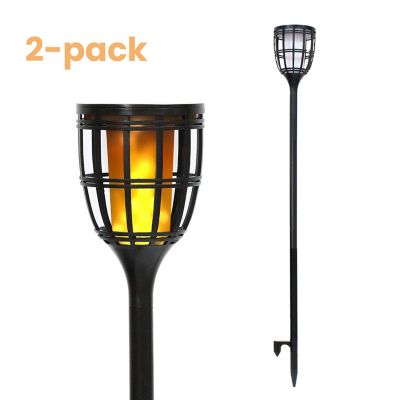
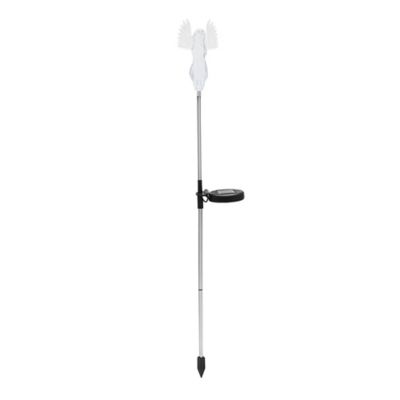
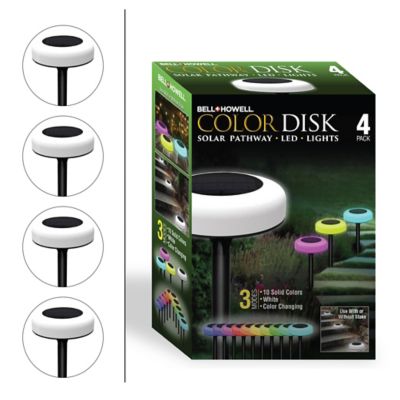
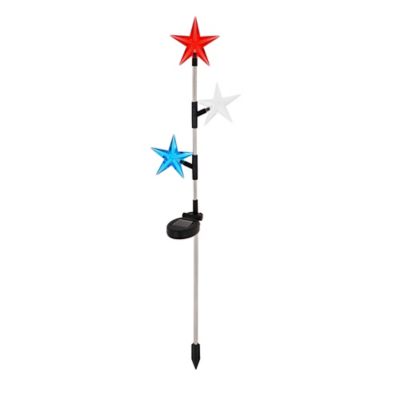
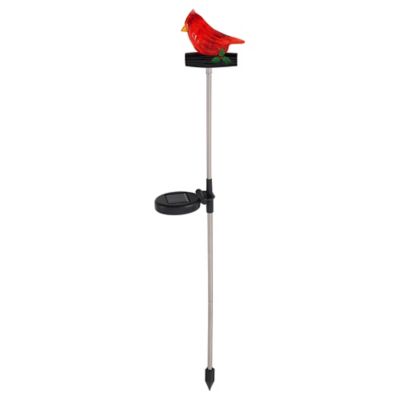
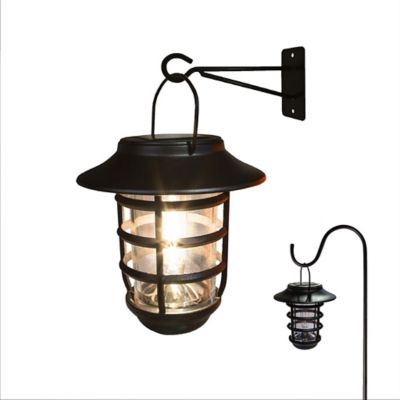
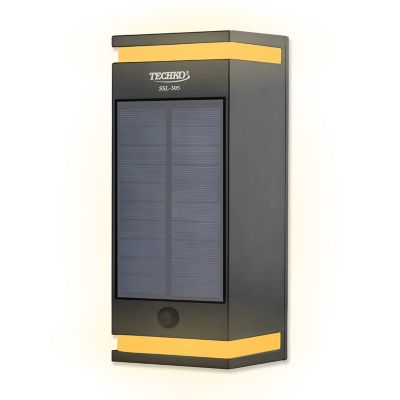
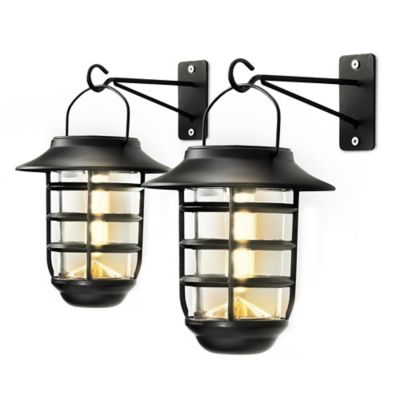
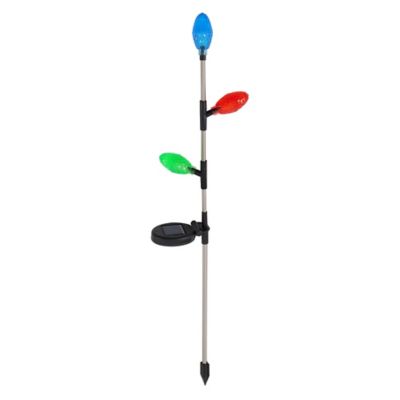
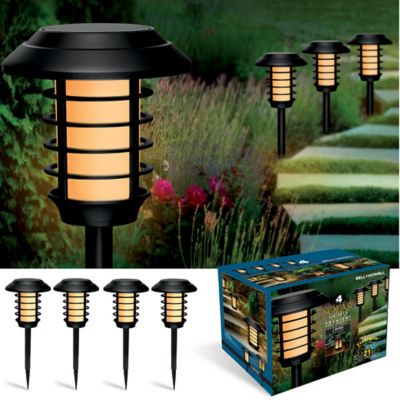
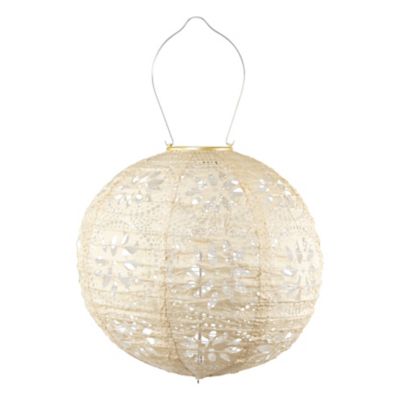
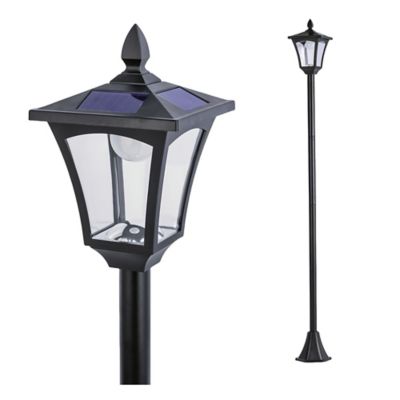
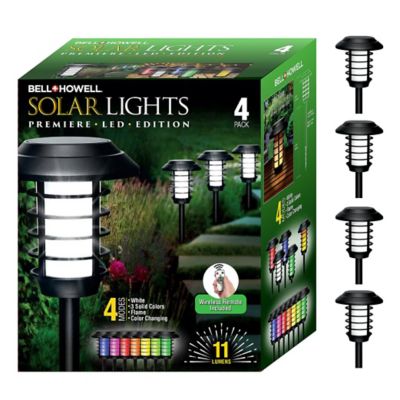
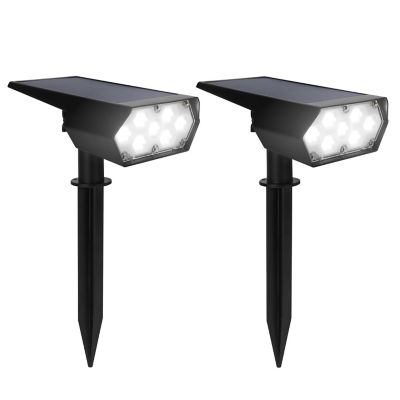
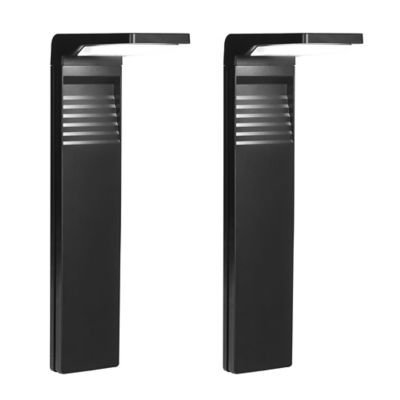
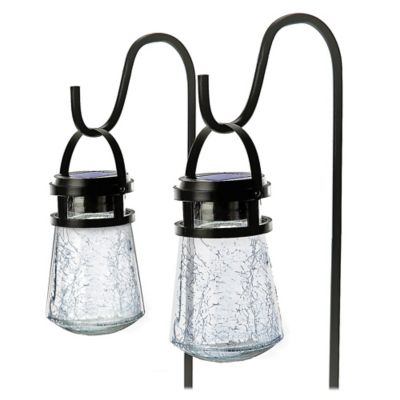
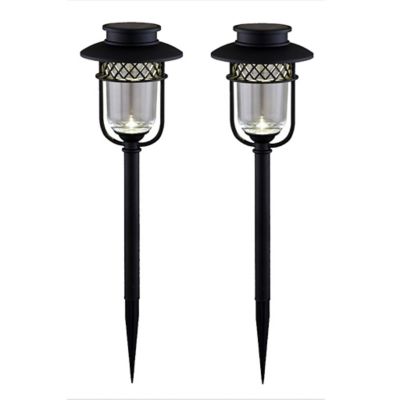
Outdoor lighting for gardens brings paths, planting beds, and gathering spots into view after dark without making the whole yard feel like a parking lot. Path lights cast light along walkways, string lights create a soft glow above seating areas, and spotlights draw attention to trees, shrubs, or stonework. Each type has a different job, so a balanced arrangement often combines gentle light near the ground with a few brighter accents. Along a gravel walk between the porch and garden gate, shielded fixtures can help define the edges while keeping the light out of someone’s eyes. Beside raised beds, a modest pool of light can make a latch, step, or watering connection easier to find. String lighting above a garden bench gives folks a comfortable place to sit and visit, while a narrow spotlight can bring out the shape of a favorite tree without washing out everything around it. A thoughtful arrangement of
Garden Lights helps connect these spaces while leaving room for the quieter character of the yard. Brightness matters, but more light isn’t always better. Lumens describe light output, while watts describe power consumption; those numbers serve different purposes when comparing lighting. Warm-white light generally gives garden seating and paths a softer appearance, while a more neutral white can make steps and working areas easier to distinguish. Beam shape matters just as much as brightness. A broad beam spreads light across a larger patch of ground, while a narrow beam puts the emphasis on one feature. Fixture height, plant growth, and the color of nearby surfaces all affect the result. Pale stone reflects more light than dark mulch, and a spreading shrub can block a beam that once reached the path. Spacing that suits the actual walkway, rather than a rigid pattern, helps keep entrances, turns, and changes in elevation visible. The result can feel welcoming from the porch and practical underfoot, with the garden still looking like a garden.
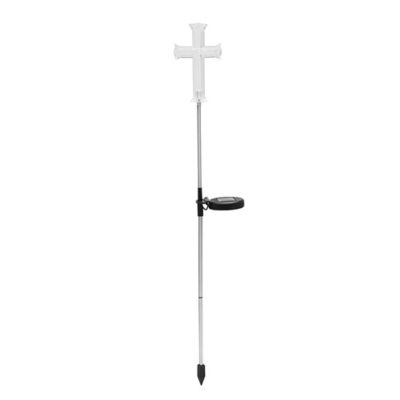
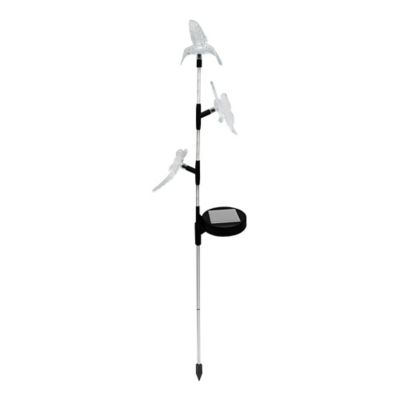
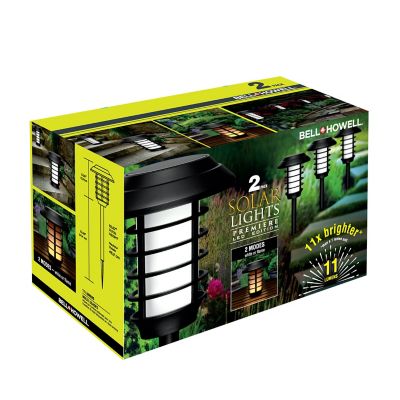
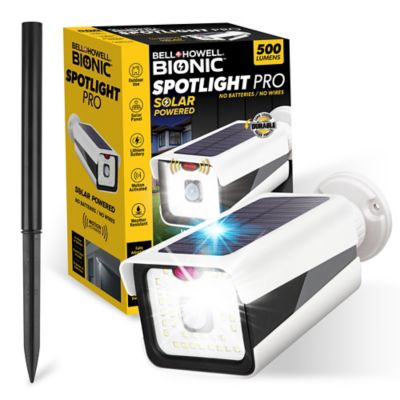
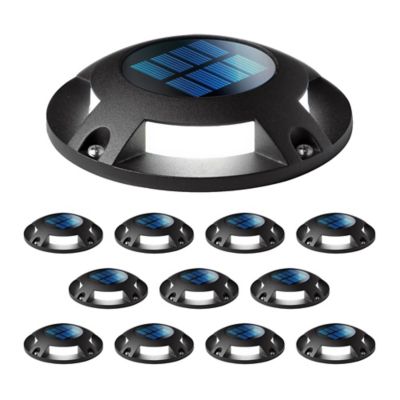
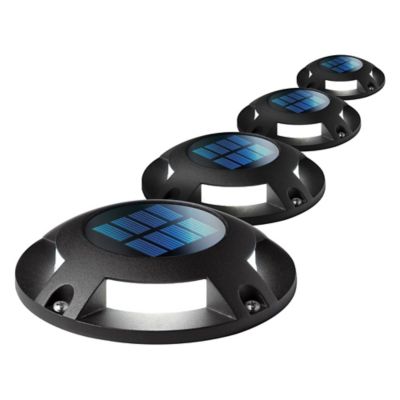
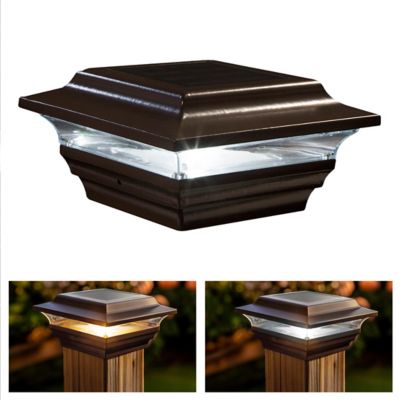
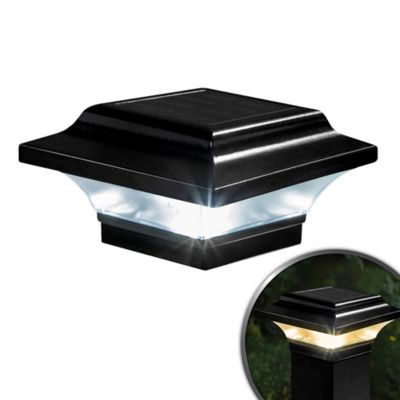
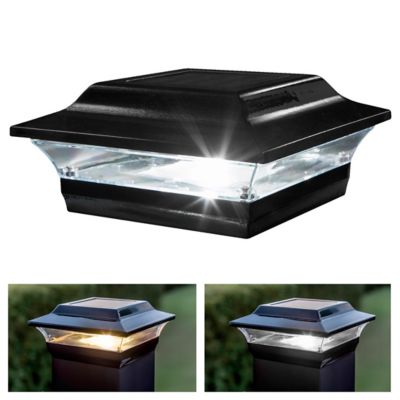
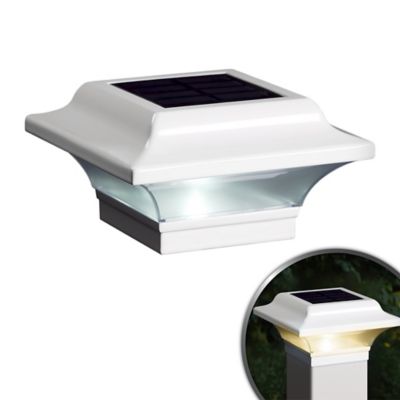
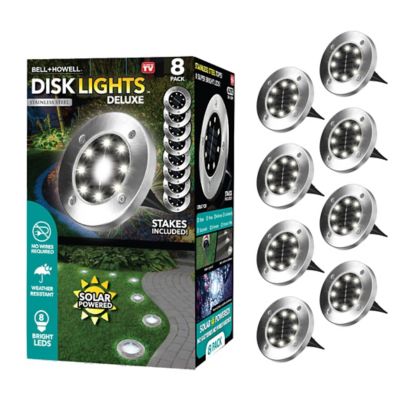
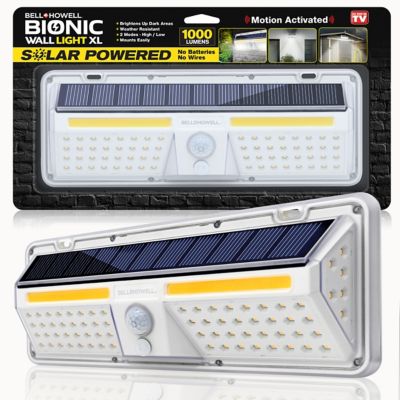
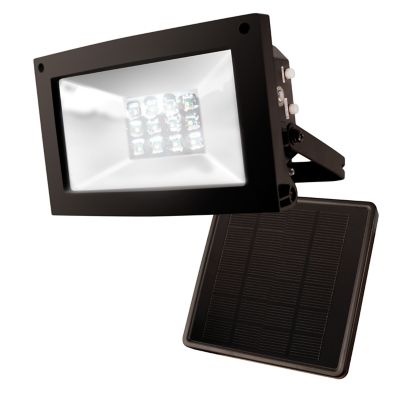
Power source is another big part of how outdoor garden lighting fits a property. Solar lighting gathers energy through a panel and stores it in a rechargeable battery, making it useful around beds or garden gates that sit away from an outlet. Its brightness and operating time depend on sunlight reaching the panel, battery capacity, and the fixture’s settings. A spot beneath dense branches or beside a tall fence may not provide enough direct sunlight for consistent performance, even if the light itself sits exactly where it looks best. Low-voltage lighting runs from a transformer that reduces household voltage, with cable connecting the fixtures. It suits planned layouts where several path lights or accent lights need a shared power source and coordinated controls. Transformer capacity, cable length, and the combined wattage of connected fixtures all influence system fit. Plug-in lighting needs an appropriate outdoor electrical connection, while hardwired lighting calls for installation that follows local electrical requirements. Ground-fault protection, outdoor-rated connections, and proper cable placement belong in the plan, not as an afterthought. Materials and construction also matter close to soil, mulch, and routine watering. Aluminum is relatively light and can have protective finishes; stainless steel offers corrosion resistance, though the grade and surroundings affect its performance. Brass and copper can develop a darker surface appearance over time. Plastic housings vary in thickness and resistance to sunlight, and lenses may be glass or plastic, with different needs for cleaning and handling. An outdoor rating should match the fixture’s placement, including whether it will face direct water exposure. Sealed housings and suitable connection covers help protect electrical components, but the manufacturer’s installation directions still determine where a fixture belongs. Mounting style affects everyday use, too. A ground stake needs firm support without crowding roots, a post-mounted light needs a secure attachment, and overhead lighting needs suitable anchors and support hardware. Near a mower route or a wheelbarrow turn, a fixture set back from the edge is less likely to get knocked. These practical details help lighting stay suited to the chores and foot traffic around it.
Controls, upkeep, and the way a garden gets enjoyed round out the choice. Dusk-to-dawn sensors switch lighting in response to surrounding light levels, timers follow a set schedule, and motion sensors respond to movement within their detection area. Each serves a different purpose. A timer can keep a sitting area lit through an evening visit without leaving it on all night, while motion-activated lighting may suit a gate or access path that only needs illumination when someone approaches. Sensor placement matters around passing vehicles, moving branches, and frequently traveled areas, and nearby lights can affect how a photocell responds. Compatible dimming gives seating areas more flexibility, but not every bulb, fixture, or control works with every other component. Replaceable bulbs and batteries can simplify future care, while integrated LED designs have different service options depending on their construction. Routine attention is usually straightforward: clear soil from around housings, wipe lenses and solar panels with materials approved by the manufacturer, and keep foliage from covering the light source. Connections, stakes, and mounting hardware also benefit from occasional inspection, especially where pets, garden tools, or foot traffic might disturb them. Careful aiming helps keep light on the property instead of sending it through a bedroom window or across the fence. Downward-facing light can make a walkway easier to follow while limiting glare and unnecessary light above the garden. Around ponds, flower beds, and places where insects gather, lower output and shorter operating periods can reduce needless nighttime illumination. Gardens shared with children or pets also call for thoughtful cord routing and securely supported fixtures, with cables kept clear of play areas and walking routes. For someone who enjoys tending beds, hosting a backyard supper, or settling onto a bench after chores, garden lighting can be a fitting housewarming gift when the power source and placement suit the property. The best match comes down to how the space gets lived in: a clear route to the gate, a little light beside the steps, and a comfortable glow where folks naturally gather.