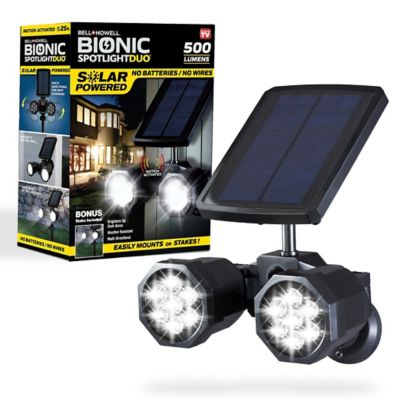
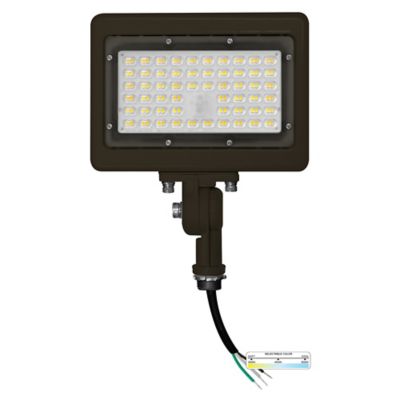
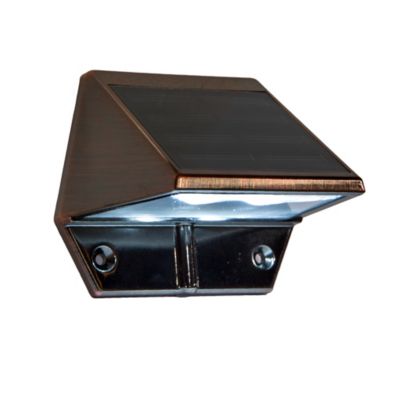
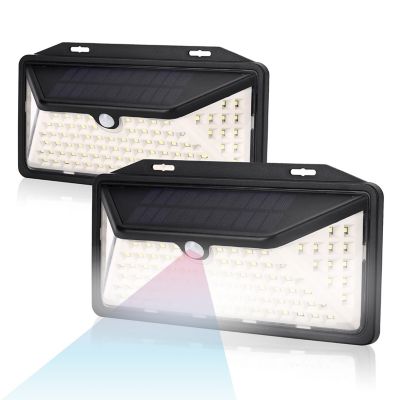
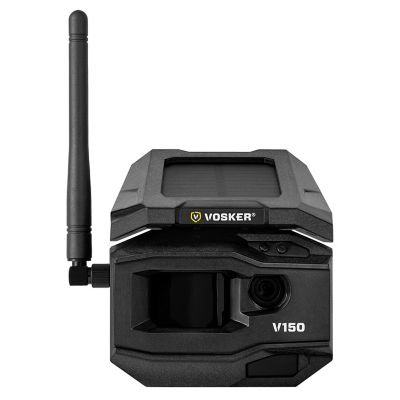
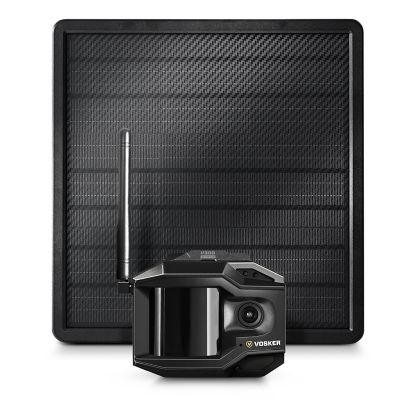
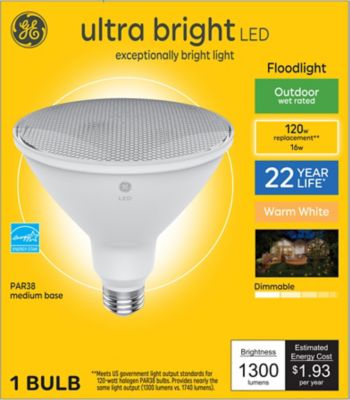
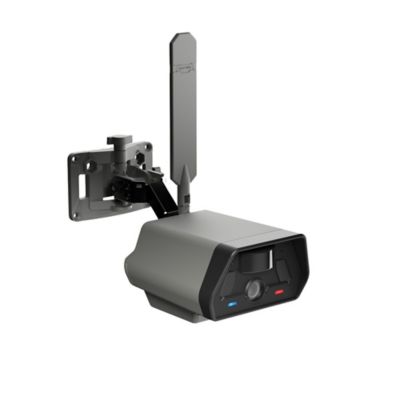
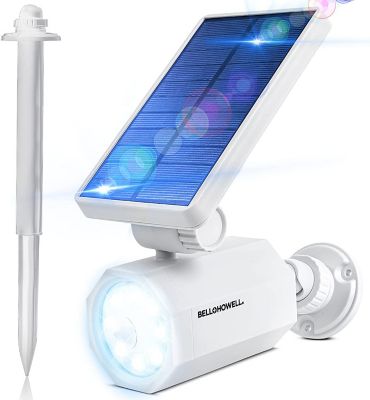
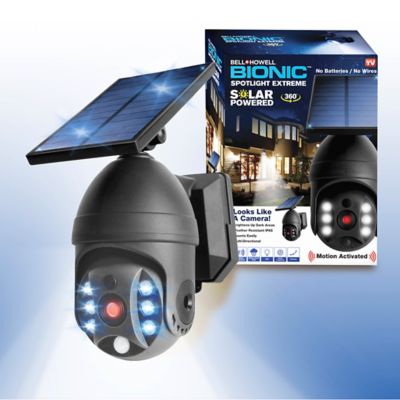
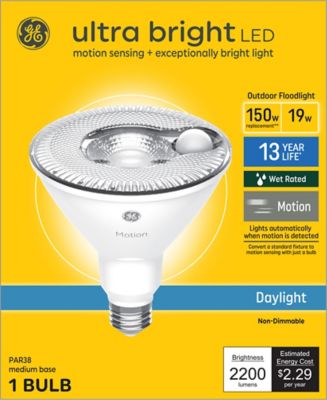
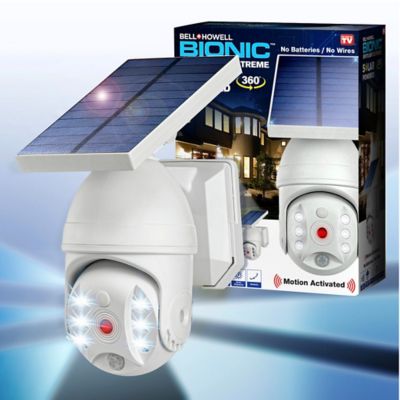
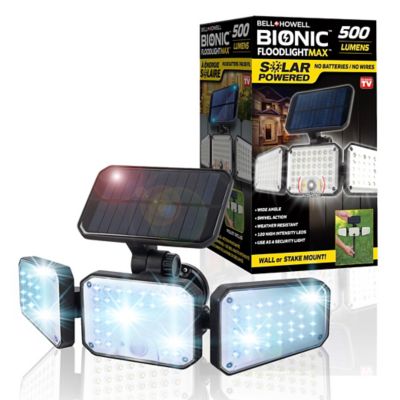
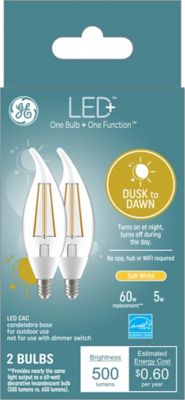
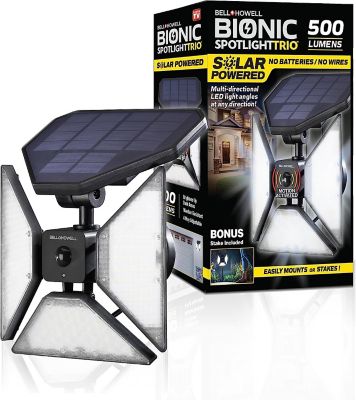
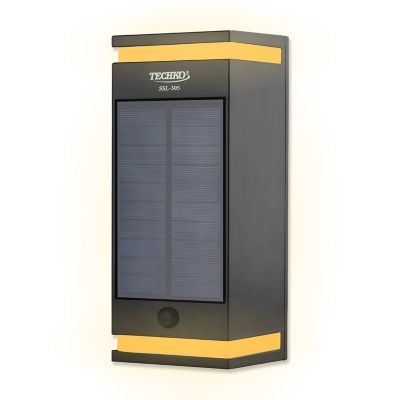
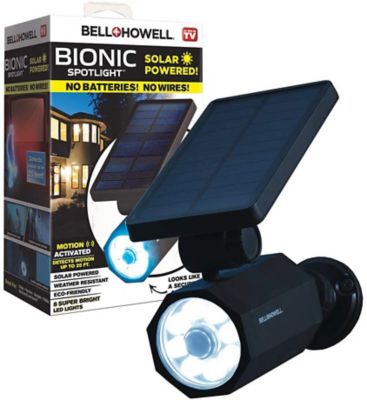
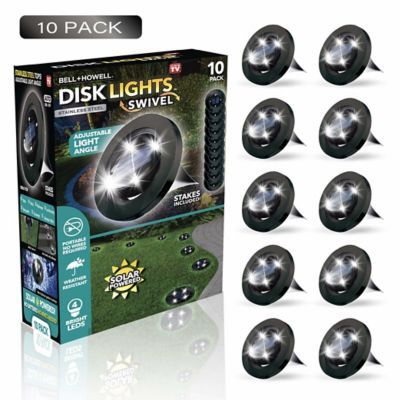
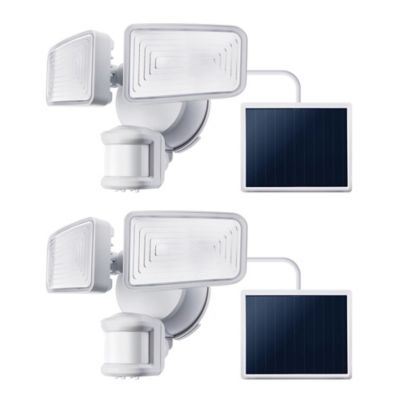
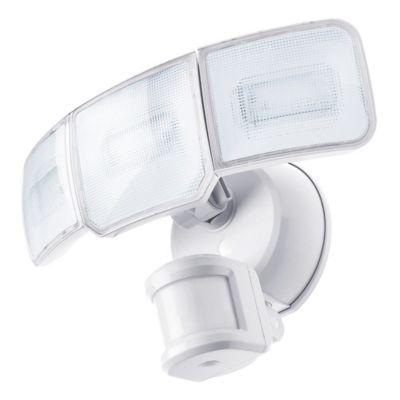
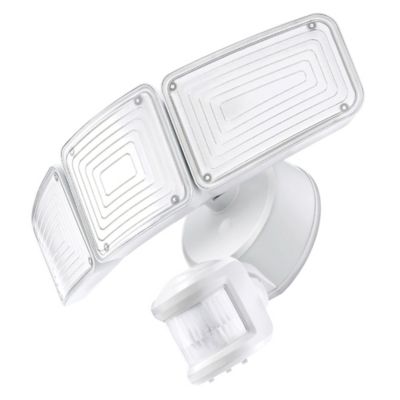
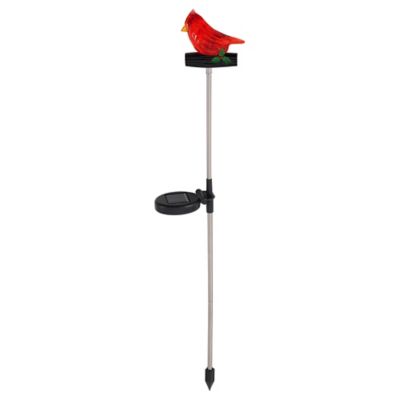
Outdoor security lighting helps make the spaces around a home, farm, shop, garage, or outbuilding easier to see after dark. A well-placed light can brighten a driveway where muddy boots and loose gravel are hard to spot, cast light across a back door, or help you keep an eye on gates, walkways, porches, livestock areas, and equipment storage. Many people choose motion-activated lighting because it stays quiet and low-key until movement is detected, then brings up a bright beam when someone, a vehicle, or even a wandering animal passes through the sensor’s range. Dusk-to-dawn lighting is another handy choice for entrances and paths that need a steady glow through the night, while some models keep a softer light on and switch to a brighter setting when motion is picked up. Solar-powered lights can be useful along a fence line, shed, driveway, or garden where running electrical wiring would be a hassle. For locations with little sun or heavy shade, battery-powered options offer flexible placement without trenching or calling an electrician. Shoppers looking for that kind of easy installation can browse
Outdoor Battery Powered Security Lights for lighting that can be positioned where it is needed most. These lights can also make a thoughtful housewarming gift for someone settling into a rural property, a practical present for a new homeowner, or a useful addition to a hunting cabin, workshop, or weekend place.
When comparing outdoor security lights, brightness is one of the first details to check. Lumens tell you how much light a fixture produces, and a small entryway may only need a modest amount, while a broad driveway, barn approach, or open side yard may call for 1,500 to 3,000 lumens or more. A wide beam can cover more ground, but a focused beam may be better for highlighting a gate, door, or particular section of a property. Motion detection range matters just as much. Many outdoor fixtures sense movement across roughly 120 to 240 degrees and at distances ranging from about 45 to 85 feet, though the actual coverage depends on mounting height, temperature, nearby trees, and the shape of the area. A light mounted too high may miss activity close to the ground, while one aimed toward a busy road can switch on every time a car passes. For a driveway or long approach, a wider detection angle can help catch movement from the side. For a porch or service door, a tighter range may prevent unnecessary activation. Adjustable heads and sensor settings are helpful when you want to aim light toward a particular spot instead of shining it into a neighbor’s yard or through a bedroom window. Hardwired fixtures are often chosen for dependable, consistent power and strong brightness, especially near a main entrance, garage, or frequently used work area. Battery-operated and solar options are easier to place in remote areas, and their cordless design can be especially useful on older properties where adding wiring is not simple. Lighting with camera features may also suit homeowners who want video monitoring, mobile alerts, or two-way communication along with illumination, while basic motion lights remain a straightforward choice for visibility and peace of mind.
Outdoor fixtures have to handle more than indoor lights ever will, from driving rain and blowing dust to frost, snow, humidity, and the occasional bump from a ladder or piece of equipment. Check the product details for a wet-location rating or an IP65 rating so the light is built to stand up to outdoor exposure. Even a weather-resistant fixture works best when installed on a solid surface and positioned so water does not collect around the housing or wiring. Think about how the light will be used during the cooler months, when longer nights can leave walkways and work areas dark for more hours. A light near a feed room can make early-morning chores easier, while one over a garage can help with unloading groceries, tools, or sacks of feed after sunset. Around a home, lighting near steps, gates, and uneven ground may help family members and guests move more carefully. Motion-activated settings can conserve energy and reduce the need to leave bright lights on all night, while dusk-to-dawn settings offer a steady reference point for people arriving home late. Take a little time to consider mounting height, available sunlight, battery access, wiring, beam direction, and the size of the area you want to cover before choosing a fixture. The right outdoor security lighting blends into everyday routines, adding useful visibility without making a yard feel harsh or overlit.