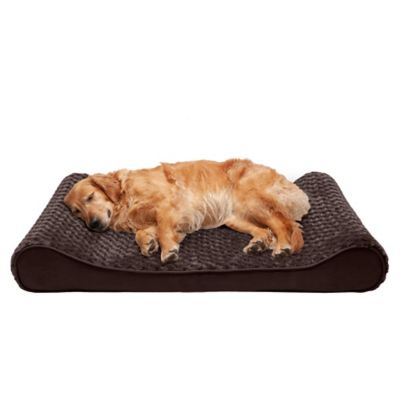
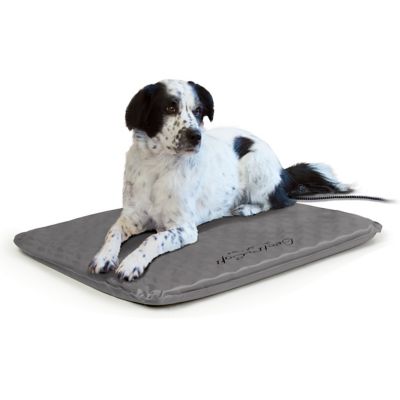
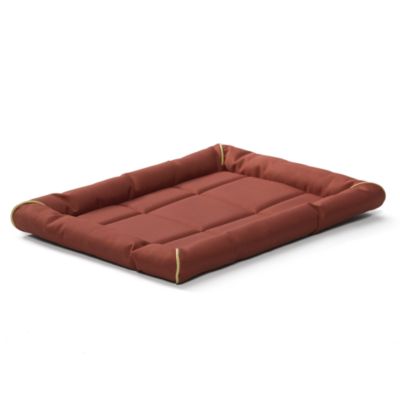
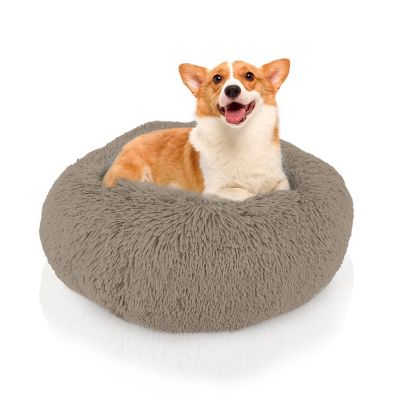
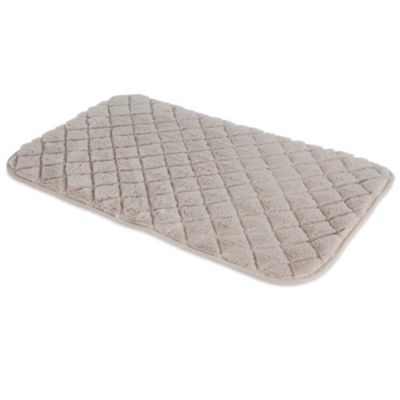
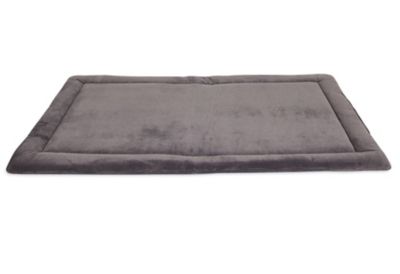
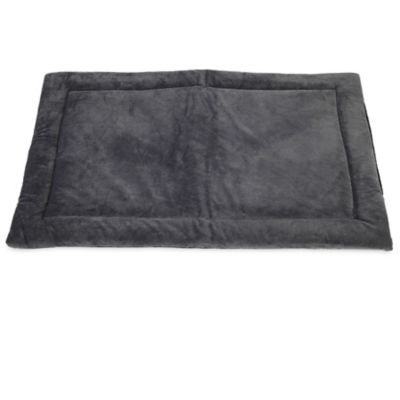
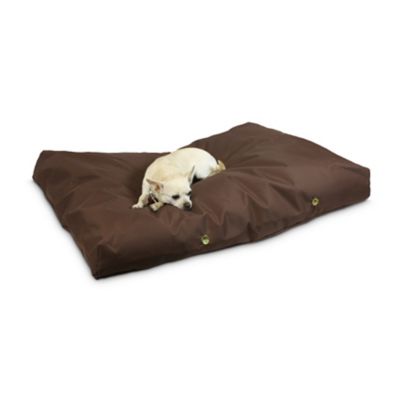
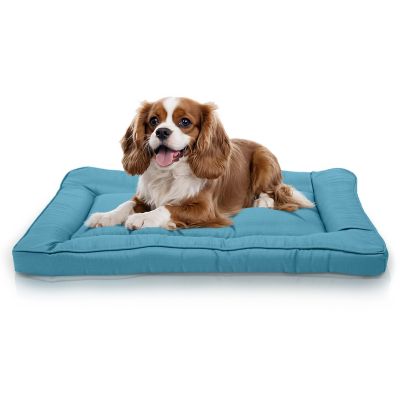
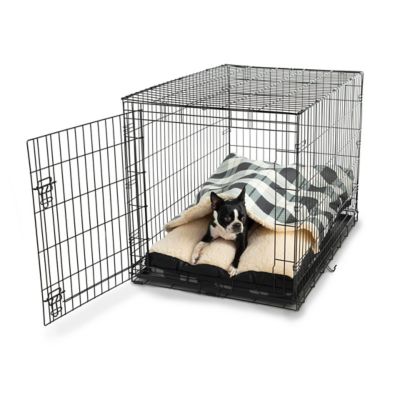
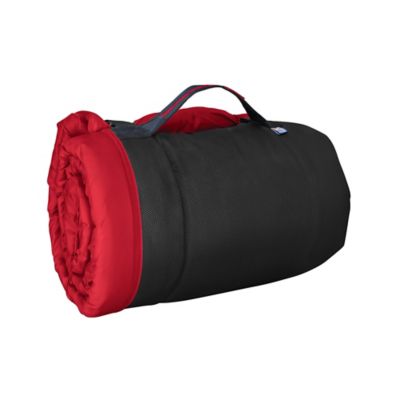
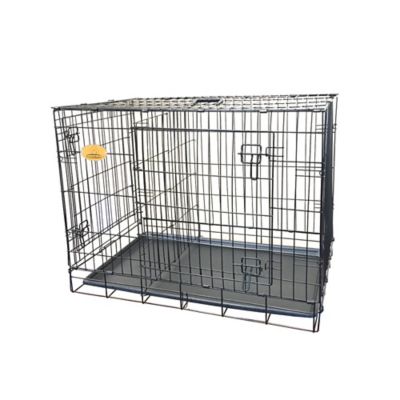
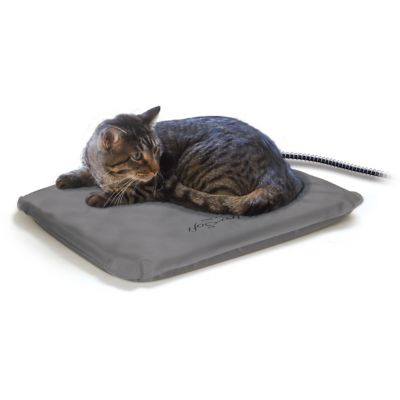
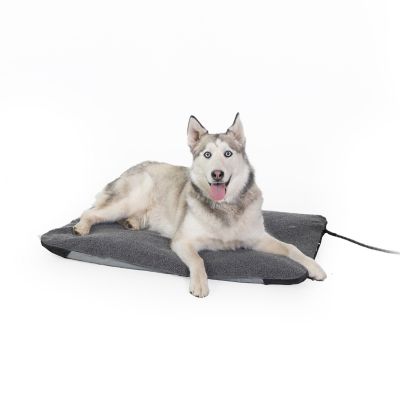
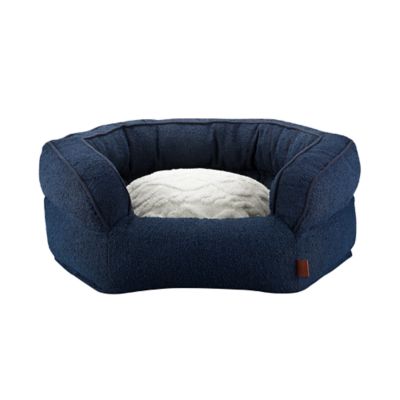
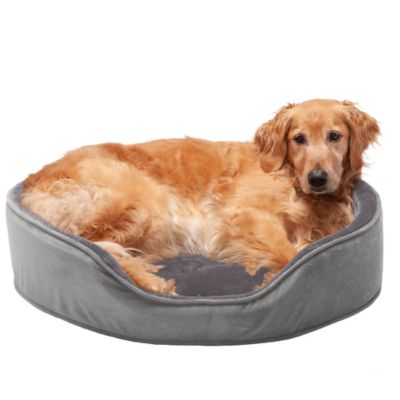
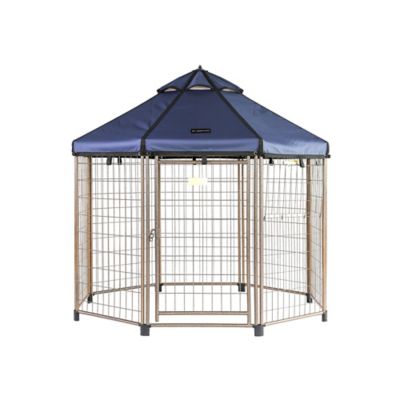
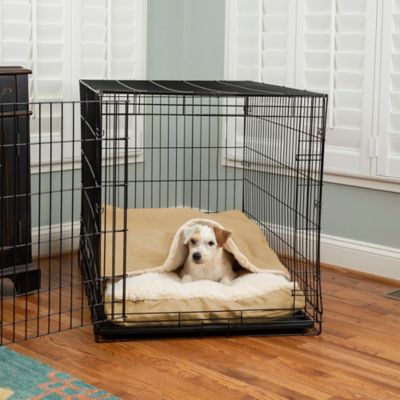
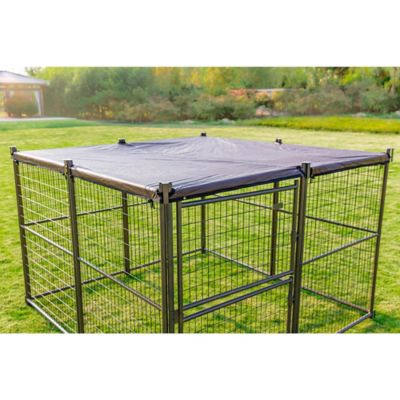
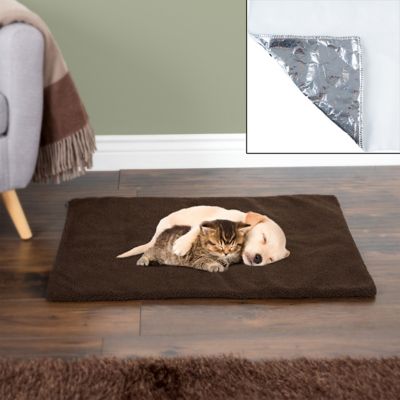
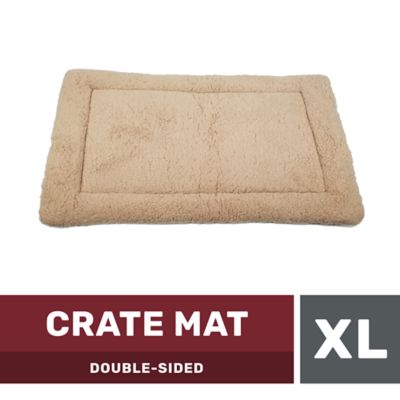
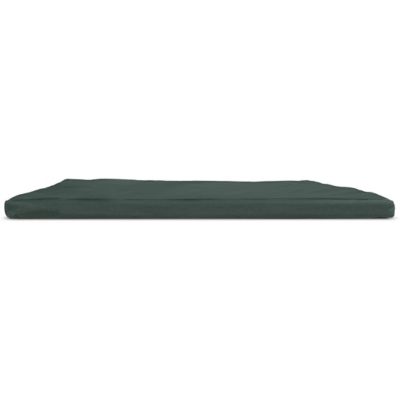
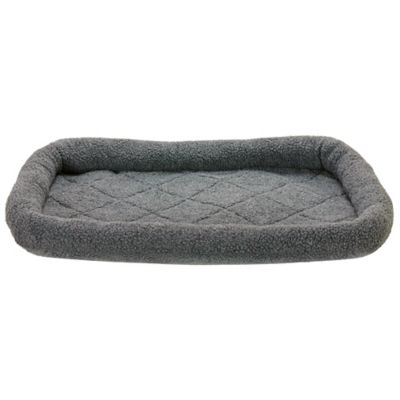
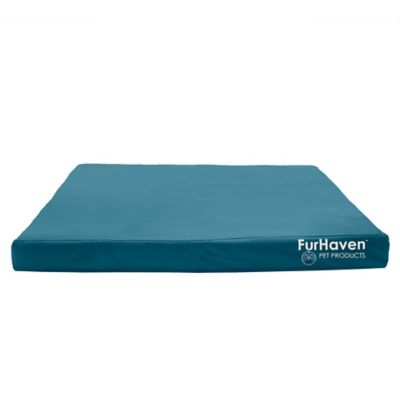
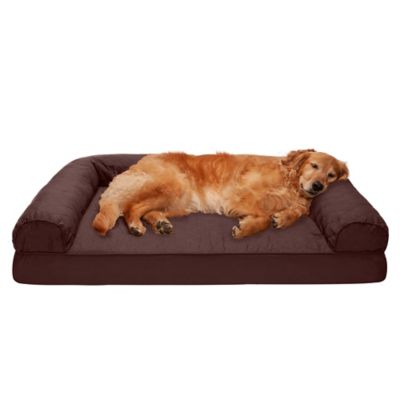
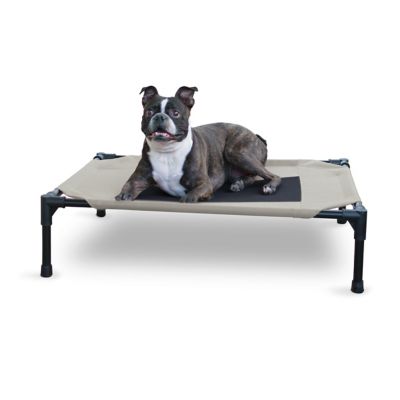
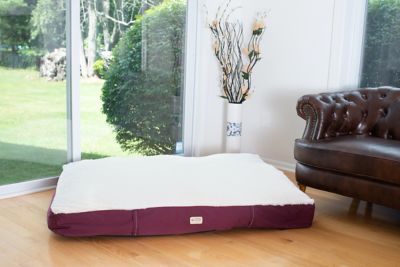
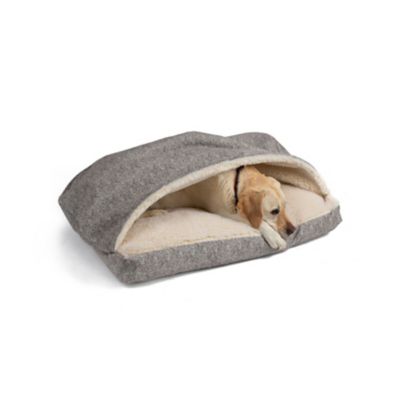
Dog beds for kennels give your dog a softer place to settle while helping protect them from hard wire, plastic, or metal kennel floors. A comfortable kennel can make a big difference for dogs that spend time resting in a crate, traveling in a kennel, staying in a boarding area, or sleeping in an outdoor run. The right bed can also help turn the kennel into a familiar retreat—a spot where your dog can nap after a long day outdoors, cool down after a romp around the yard, or curl up during the cooler months. Standard crate pads are a practical choice for everyday use and come in a range of thicknesses, fillings, and fabrics. Some are lightly padded for dogs that prefer a firm surface, while others have a plush feel for pets that like to burrow and nest. Older dogs, large breeds, and pets with stiff joints may be more comfortable on an orthopedic kennel mattress made with supportive foam. A little extra cushioning can help take pressure off elbows, hips, and shoulders, especially when a dog spends several hours resting. If your dog is a young pup or a determined chewer, look for bedding made with tough materials and reinforced construction. Chew-resistant kennel beds are designed to stand up better to digging, scratching, and gnawing, though no dog bed is completely indestructible for every pet. For outdoor kennels or warm, covered spaces, an elevated cot can lift your dog off the ground and allow air to move underneath. This raised design may help keep bedding drier and more comfortable when the ground is cool, damp, or dusty.
Before choosing a kennel bed, measure the inside floor of the kennel rather than relying only on the listed crate size. The bed should lay flat without curling at the edges, bunching in the middle, or pushing against the kennel door. A pad that is too large can make it hard for your dog to turn around, while one that is too small may leave exposed flooring where your pet needs support. Keep your dog’s sleeping style in mind, too. A dog that stretches out may need a longer mattress, while a dog that sleeps curled up may appreciate a cushioned pad with room to nest. For puppies and dogs still learning house manners, waterproof liners or water-resistant covers can help protect the inner fill from spills and accidents. Removable, machine-washable covers make regular cleanup much easier, which matters when muddy paws, shed hair, wet coats, and the occasional treat crumb all find their way into the kennel. Look for durable zippers, sturdy seams, and fabrics that can handle repeated washing without losing their shape. A non-skid bottom or rubberized grip can help keep the bed from sliding across a plastic or metal kennel base when your dog circles before lying down. If your dog digs at bedding, avoid loose strings, exposed foam, or easily torn fabric, and check the bed often for damage. Remove any bed with ripped sections or loose filling that could become a chewing or swallowing hazard. For pets that spend time in an outdoor kennel, consider how the bed will handle moisture, airflow, shade, and temperature changes. A raised cot or quick-drying mat may be more suitable than a thick plush bed in a damp area, while a well-insulated pad can make an indoor kennel more inviting during colder weather.
Dog beds for kennels can be useful for nearly any household with a dog, from a family bringing home its first puppy to a longtime pet owner replacing a worn-out crate pad. They also make a thoughtful gift for new dog parents, families adopting a rescue, or anyone setting up a kennel for a growing pup. A kennel bed is especially handy for dogs that travel to hunting land, livestock barns, campsites, training facilities, or family visits, since a familiar sleeping surface can make a new place feel more settled. It can be helpful to introduce the bed in a calm, familiar setting before using it for travel or longer kennel stays. Place it in the kennel with a favorite toy or a washable blanket, and give your dog time to sniff and explore without pressure. Many dogs learn to associate a comfortable kennel with rest once the space stays quiet, safe, and free from forced confinement. Keep the bed clean and dry, and follow the care instructions for washing or spot cleaning. During the cooler months, check that thick bedding does not block ventilation or crowd the kennel, and make sure outdoor setups remain protected from wind and wet ground. For large dogs that need a roomy, cozy place to relax beyond a standard crate, browse
Enclosed Dog Beds For Large Dogs. Whether your dog is a compact napper, a sprawling ranch companion, or a busy chewer that needs extra-durable construction, the best kennel bed is one that fits the space, suits your dog’s habits, and makes daily rest a little more comfortable.