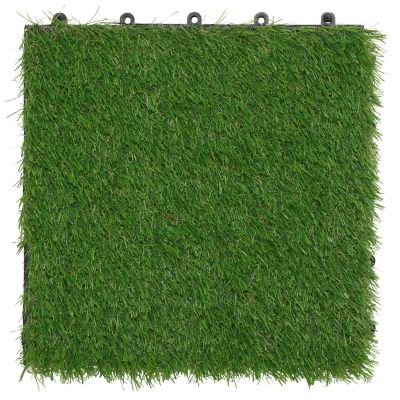
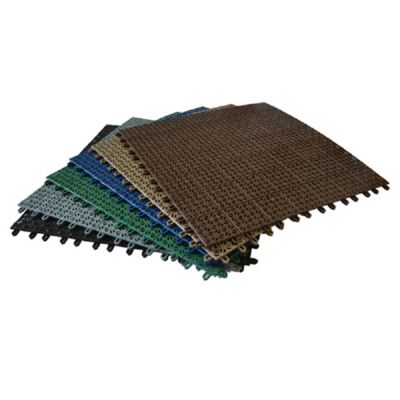
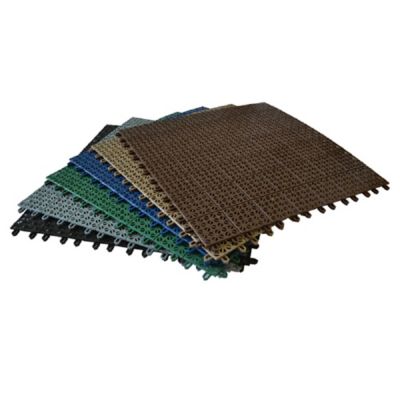
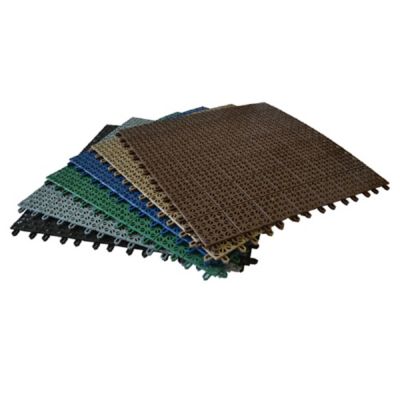
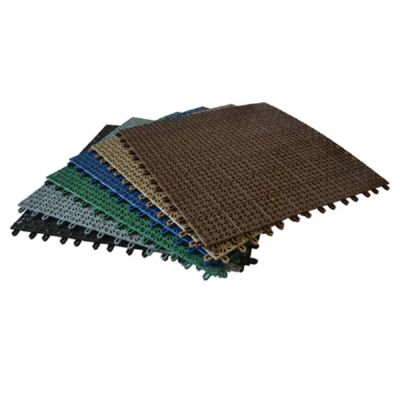
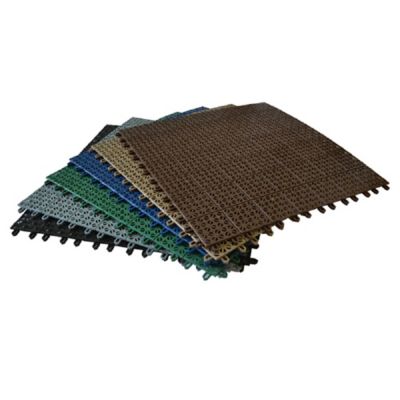
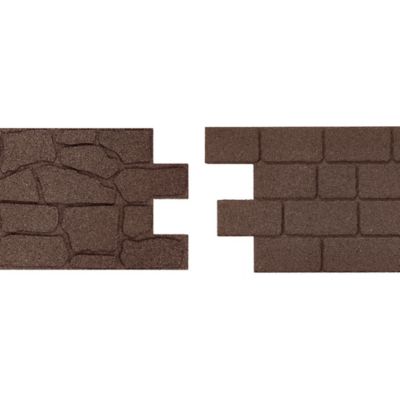
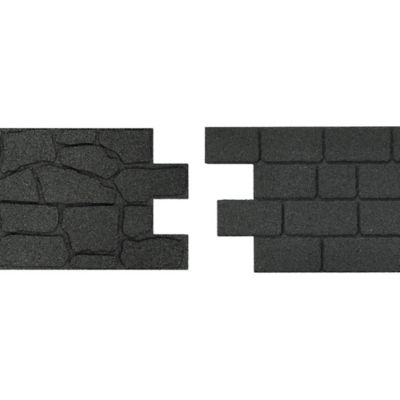
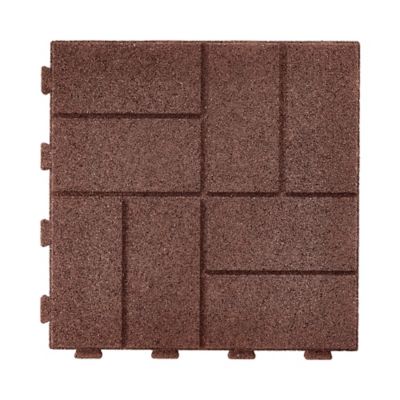
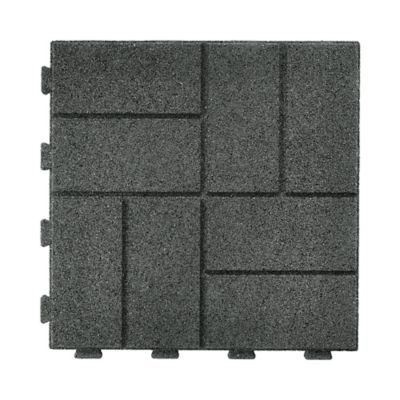
Outdoor interlocking floor tiles are modular flooring pieces that connect along their edges or through a backing system to cover an existing, suitable surface. Many designs snap or press together without adhesive, although trimming around posts, corners, and doorways may call for cutting tools. These tiles can give a concrete patio, porch, balcony, or poolside sitting area a more finished feel without replacing the entire floor beneath it. A small porch with two chairs and a boot tray has different needs from a broad patio with a dining table, but both benefit from flooring matched to the space and its everyday traffic. Some tiles have solid faces, while others feature slats, slots, or open grids that let water pass through to the base below. That drainage can help keep water from sitting on the walking surface, provided the underlying area already drains properly. Interlocking tiles do not correct poor drainage, waterproof a balcony, or repair a damaged deck. Most need a firm, reasonably flat base that supports the full tile, such as sound concrete or structurally sound decking, subject to the flooring manufacturer’s requirements. Bare dirt, loose gravel, and grass generally do not provide enough support unless a particular flooring system is expressly designed for that installation. On a porch where boots track in grit from the driveway, a textured surface and straightforward cleanup may matter most. Around outdoor seating, comfort underfoot and steady support for chair legs can carry more weight. Beneath a potting bench, easy access for cleaning out spilled soil is handy. The best fit comes from matching the tiles to what happens in that space, rather than choosing by appearance alone. Tile thickness also changes the finished floor height, which matters near door swings, steps, and transitions to adjoining surfaces. Even a modest height difference can affect how comfortably people move between the house, porch, and yard, especially when carrying a full tray or pushing a small cart.
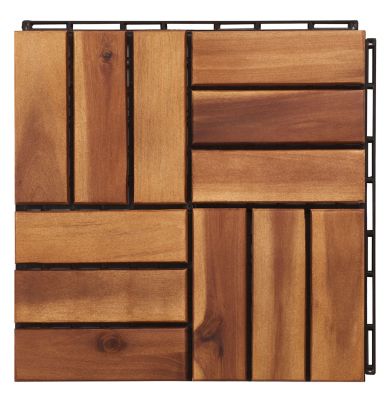
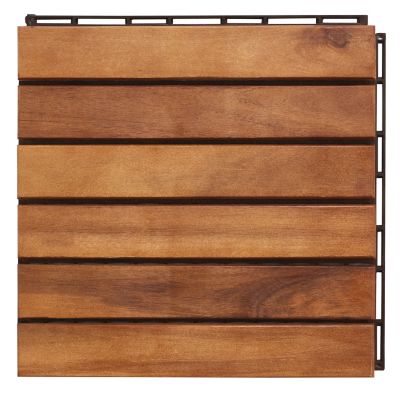
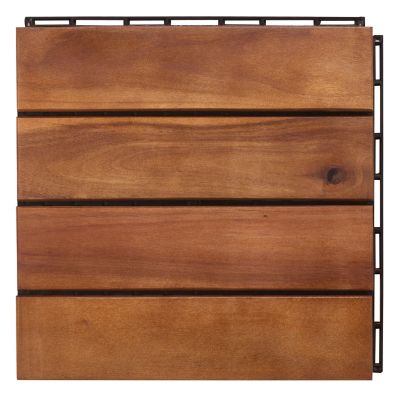
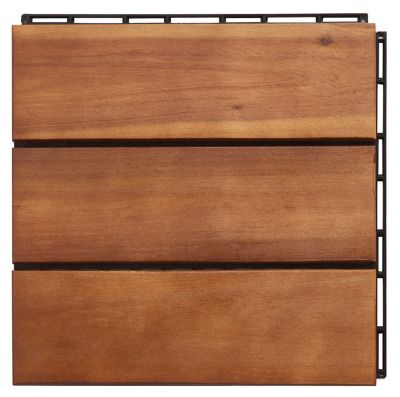
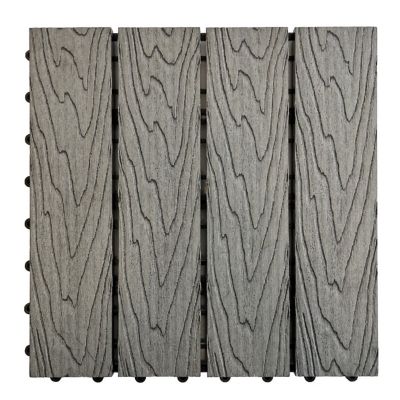
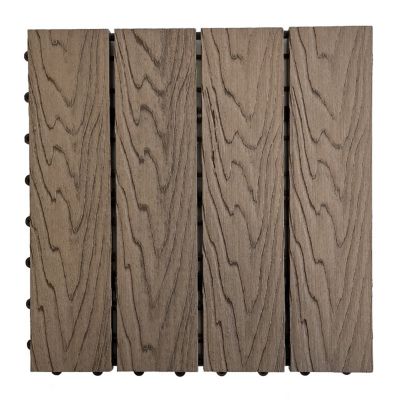
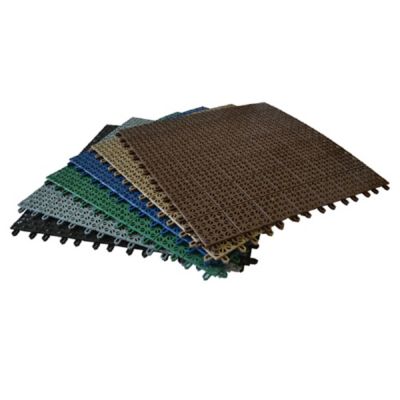
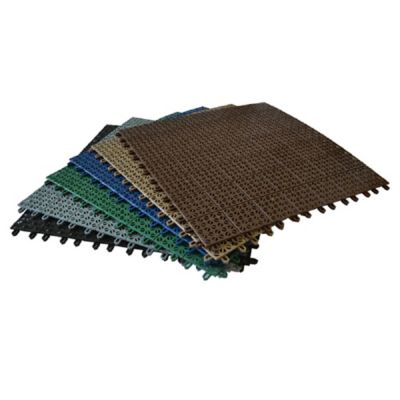
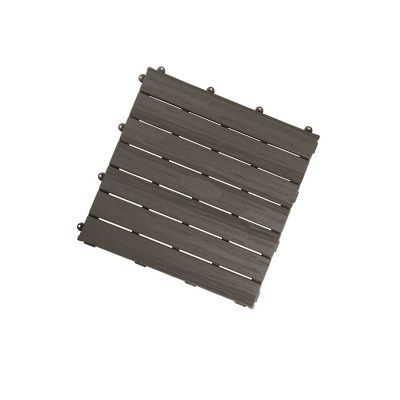
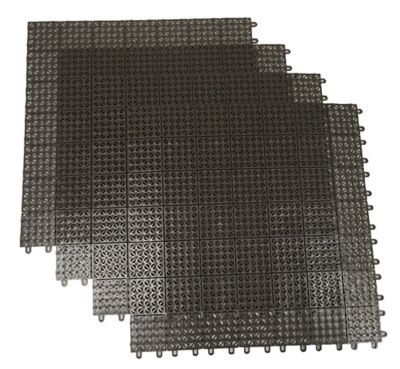
Material makes a big difference in how outdoor interlocking flooring feels, drains, and holds up to everyday wear. Wood tiles often pair short boards with a connecting grid underneath, bringing natural grain and a deck-like appearance to a suitable patio or porch. Wood species and finishes vary, so maintenance may include periodic oiling or sealing according to the manufacturer’s directions. Natural wood can also change color and develop surface checks over time. Composite tiles offer another plank-style option, with care requirements that depend on their formulation and surface finish; they should not automatically receive the same treatments as wood. Plastic tiles, including polypropylene designs, are generally lightweight, and many feature open patterns that allow water and small debris to pass through. Their connecting tabs, surface texture, load limits, and resistance to ultraviolet exposure deserve as much attention as their color. An open grid can be practical near a pool or an outdoor rinse area, but openings also affect how narrow chair legs, small wheels, and bare feet meet the surface. Rubber tiles provide a more cushioned feel than many rigid flooring options and may suit standing areas or designated exercise spaces when rated for outdoor placement. Recycled rubber formulations vary in density, surface texture, odor, and compatibility with the surface underneath. Some rubber flooring can transfer color or leave marks on certain finishes, making manufacturer guidance important before installation over an existing deck coating. No material should be treated as automatically slip-proof. Water, algae, soap residue, and tracked-in dirt can reduce traction, even on a textured face. Likewise, a water-resistant tile does not turn the completed floor into a watertight assembly. Seams and drainage openings still allow moisture below. For any material, published specifications help establish whether it belongs near pool chemicals, beneath heavy furniture, or in an area with frequent foot traffic. Flooring meant for people walking across a patio should not be assumed suitable for vehicles, loaded equipment, or livestock simply because the pieces lock together.
Fit and finishing details help an interlocking tile floor feel settled into its surroundings rather than laid down as an afterthought. Overall tile dimensions are only part of the picture: connector style, layout direction, perimeter clearance, and compatible edge pieces all affect the finished result. Tiles from different flooring systems may not connect, even when their listed measurements match. A square patio can have a straightforward layout, while a porch with railing posts, a recessed doorway, or an uneven border may require more cuts and additional material for those cuts. Coverage calculations depend on the actual area each connected tile covers, not just a package count. Clearance around fixed objects gives the flooring room to move as specified by its manufacturer, and matching transition pieces can soften exposed edges where the system allows them. Door clearance deserves particular attention because the tile face and its backing both add height. For anyone who uses a cane, walker, or wheelchair, surface openings, edge profiles, and rolling resistance matter alongside appearance; accessibility depends on the completed installation, not simply the tile material. Routine care is usually centered on removing grit, clearing drainage paths, and cleaning with methods approved for the flooring. A broom can handle loose soil, while a rinse or mild cleaning solution may tackle tracked-in dirt when the material permits it. Strong chemicals, stiff abrasives, and pressure washing can damage some surfaces or connections. Where a system allows individual tiles to lift out, access underneath makes it easier to clear trapped leaves and check the base. Furniture feet also deserve a look, especially beneath narrow metal chair legs or a heavy planter. For spaces that call for a softer textile feel instead of a slatted or grid-style surface,
Indoor Outdoor Carpet Tiles offer another flooring category to consider, with installation requirements and outdoor ratings of their own. The right surface should suit the setting, support everyday activities, and leave cleanup manageable after muddy boots, spilled potting soil, or a meal out on the porch.